Pituitary Gland: Function and Disorders

Key Takeaways
- The pituitary gland helps regulate several hormone systems through signals sent to other endocrine organs.
- Problems may cause symptoms such as headaches, vision changes, fatigue, menstrual changes, fertility issues, or unexplained weight changes.
- Pituitary disorders include hormone overproduction, hormone deficiency, and noncancerous tumors, among other conditions.
- Diagnosis often involves blood tests, hormone studies, MRI, and sometimes visual field testing.
- Treatment depends on the cause and may include monitoring, medication, surgery, radiation, or hormone replacement.
Medically reviewed by the Acıbadem clinical team — August 19, 2026
The pituitary gland is a small structure at the base of the brain, but it has a major influence on growth, metabolism, fertility, stress response, and other body functions. When it does not work properly, symptoms can be wide-ranging and may develop slowly, which is why early evaluation matters.
Overview
The pituitary gland is often called the body’s master control center, but that description can be misleading if taken too literally. It does not work alone; instead, it acts as a carefully timed signal hub, telling other glands when to release hormones that influence growth, reproduction, metabolism, stress response, breast milk production, and water balance.
It sits in a small bony space at the base of the brain, tucked behind the nose and below the hypothalamus. Because of its location and its close connection to the nervous system, changes in the pituitary can affect both hormone levels and nearby structures such as the optic nerves. For people traveling for care, this often means that evaluation may involve both endocrine testing and brain imaging, along with follow-up plans that continue after returning home.
Pituitary problems are not all the same. Some lead to too much hormone production, some to too little, and some remain silent until they grow large enough to press on nearby tissues. Understanding which type of problem is present is the key step toward the right treatment.
Symptoms
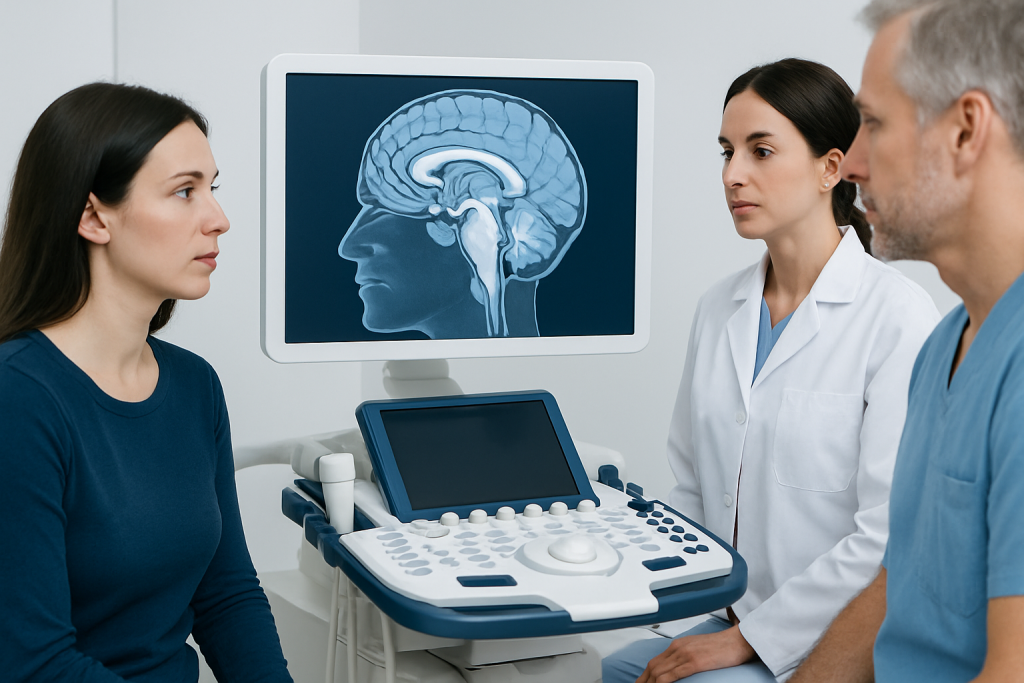
Symptoms of pituitary gland disorders depend on whether the gland is producing too much hormone, too little hormone, or being affected by a mass. In many people, the first clues are subtle and may be mistaken for stress, aging, or a routine change in health.
Common symptoms can include headaches, blurred or reduced peripheral vision, unexplained fatigue, changes in weight, menstrual irregularities, low libido, erectile dysfunction, infertility, increased thirst and urination, or changes in body hair and skin. In children and adolescents, growth pattern changes may be an early sign.
- Headache that is new, persistent, or different from usual
- Vision changes, especially loss of side vision
- Unexpected tiredness or weakness
- Menstrual changes or difficulty conceiving
- Excessive thirst and frequent urination
- Unexplained weight gain or weight loss
Some hormone-producing pituitary tumors create more specific patterns, such as features of Cushing syndrome, acromegaly, or symptoms of hyperprolactinemia. Because the range is broad, a symptom pattern is often more useful than any single complaint when doctors start the workup.
Causes & Risk Factors

Pituitary gland disorders have several possible causes. The most common structural issue is a pituitary adenoma, which is usually a noncancerous tumor arising from pituitary cells. Some adenomas produce hormones, while others are “nonfunctioning” and are noticed because they grow large enough to affect surrounding tissue.
Other causes include inflammation, injury, bleeding into the pituitary, infections, surgery, radiation, autoimmune disease, and rare genetic conditions. In some cases, the pituitary does not make enough hormones because the hypothalamus is affected, which can create similar symptoms.
Risk factors vary by condition. A personal history of endocrine disorders, certain inherited syndromes, prior brain radiation, head injury, or pregnancy-related pituitary changes may increase concern in specific situations. That said, many people with pituitary disorders have no clear risk factor at all, so symptoms and test results remain the most important guide.
For international patients, it is common to arrive with partial testing already completed elsewhere. Reviewing old imaging, laboratory results, and symptom timelines can help specialists avoid repeating unnecessary work and focus on the most informative next step.
Diagnosis
Diagnosis usually starts with a detailed medical history and a physical examination, followed by blood tests that assess pituitary hormones and the glands they control. Depending on the suspected condition, doctors may check prolactin, cortisol, thyroid hormones, growth-related hormones, sex hormones, and blood sodium or osmolality.
Imaging is often essential. A pituitary MRI provides a detailed view of the gland and nearby structures, helping identify tumors, inflammation, bleeding, or compression of the optic nerves. If there are visual complaints, formal visual field testing may be recommended to see whether side vision has been affected.
Some conditions require additional testing over time, because hormone levels can vary throughout the day or in response to stress. In selected cases, doctors may order stimulation or suppression tests to understand how the endocrine system is behaving under controlled conditions.
When care is being planned across borders, it helps to bring prior scans on a disc or digital file, not just written reports. Comparing images directly often gives the clearest picture of whether a lesion is stable, growing, or newly discovered.
Treatment Options
Treatment is tailored to the underlying cause and the pattern of hormone changes. Some small, stable pituitary lesions only need observation with periodic hormone tests and repeat imaging, while others require active treatment to relieve pressure or correct hormone imbalance.
Medication can be very effective in several pituitary disorders. For example, certain drugs may lower prolactin levels, reduce growth hormone excess, or replace hormones that the pituitary is no longer producing adequately. If a tumor is causing symptoms or continues to grow, surgery may be recommended, often through a minimally invasive approach through the nose and sinuses.
Radiation therapy is sometimes used when surgery is not fully effective or when a tumor cannot be safely removed. Hormone replacement may also be needed long term, especially if the pituitary is underactive after treatment or due to another cause. This can involve careful adjustment over time, because the body’s needs may change after recovery, travel, stress, illness, or additional procedures.
Not every patient needs the same sequence of care. In a well-coordinated international setting, endocrinologists, neurosurgeons, ophthalmologists, and radiology teams may review the case together so that treatment decisions are practical both during the hospital stay and after the patient returns home.
Prevention & Self-care
Most pituitary disorders cannot be fully prevented, especially those caused by tumors, inherited conditions, or autoimmune changes. Even so, there are practical steps that support early detection and safer long-term management.
Paying attention to persistent symptoms is one of the most useful forms of self-care. People who notice vision changes, repeated headaches, unusual menstrual changes, nipple discharge, fertility problems, or symptoms of hormone deficiency should seek medical assessment rather than waiting for them to resolve on their own.
For those already diagnosed, self-care usually means staying consistent with follow-up appointments, taking prescribed medication as directed, and keeping a list of current hormone treatments. It also helps to know which symptoms should prompt a new review, such as sudden headache, worsening vision, marked thirst and urination, or unusual weakness.
- Keep copies of MRI reports, lab results, and endocrine letters
- Track symptoms, menstrual cycles, and medication changes
- Ask how treatment may affect travel, pregnancy, or other medications
- Follow the recommended schedule for repeat blood tests and imaging
International patients may benefit from a written care plan before traveling home, including the names of medications, follow-up intervals, and the type of doctor who should supervise ongoing monitoring.
When to See a Doctor
Medical evaluation is important when symptoms suggest a hormone imbalance or a pituitary mass. This is especially true if headaches are persistent, peripheral vision is changing, menstruation has become irregular without explanation, fertility is affected, or thirst and urination have increased noticeably.
Urgent assessment is warranted if there is sudden severe headache, abrupt vision loss, fainting, confusion, or symptoms that suggest pituitary apoplexy, a rare but serious bleed or loss of blood flow within the gland. These situations need prompt medical attention.
People who already know they have a pituitary disorder should also contact a doctor if their symptoms change after starting treatment, if medications are missed for several days, or if they are planning pregnancy, surgery, or long-distance travel. A clear follow-up plan can reduce uncertainty and help treatment remain steady across time zones and healthcare systems.
Acibadem Health Point offers access to multidisciplinary specialists and JCI-accredited hospitals that diagnose and treat pituitary conditions for international patients, with care planning designed to support both treatment and follow-up.
Living With a Pituitary Disorder
Living with a pituitary condition often means becoming familiar with hormone monitoring and learning how to notice changes early. Many people do well once the diagnosis is understood and treatment is matched to the specific hormone problem, whether that means replacement therapy, medication, surgery, or observation.
Because pituitary disorders can affect energy, mood, fertility, body temperature, and sleep, patients may feel better when their care is coordinated rather than fragmented. A single symptom can have more than one cause, so it is helpful to keep communication open between endocrinology, neurosurgery, eye care, and primary care providers.
For patients who travel internationally, practical preparation matters. Bringing a medication list, digital copies of scans, and a summary of hormone testing can make the next appointment more productive and can reduce delays in ongoing care. With the right follow-up, many pituitary disorders can be managed effectively over the long term.
Frequently asked questions
What does the pituitary gland do?
The pituitary gland releases hormones that help control other endocrine glands and regulate functions such as growth, reproduction, metabolism, and stress response. It works closely with the hypothalamus, which helps direct its activity. Because of this central role, even small changes in pituitary function can affect several parts of the body.
Can pituitary problems cause headaches or vision changes?
Yes. A growing pituitary tumor or another pituitary mass can press on nearby structures, including the optic nerves, which may affect side vision. Headaches are common but not specific, so doctors usually combine symptom review with hormone tests and MRI.
Are pituitary tumors always cancerous?
No. Most pituitary tumors are noncancerous adenomas. Even when they are benign, they may still cause symptoms by releasing extra hormones or pressing on nearby tissue, so they still need medical evaluation.
How is a pituitary disorder diagnosed?
Doctors usually start with blood tests to measure pituitary hormones and the hormones controlled by the pituitary. MRI of the pituitary region is often used to look for tumors or other structural changes, and eye testing may be added if vision is a concern.
Is surgery always needed for a pituitary tumor?
No. Some pituitary tumors are monitored, and some respond well to medication. Surgery is generally considered when a tumor is growing, causing pressure symptoms, or not controlled by other treatments.
Can pituitary disorders be treated after diagnosis?
Yes. Many pituitary disorders are manageable, and treatment is often effective once the cause is identified. The plan may include medication, surgery, radiation, hormone replacement, or regular monitoring, depending on the specific condition.
References
- National Institute of Diabetes and Digestive and Kidney Diseases
- Endocrine Society
- Mayo Clinic
- Cleveland Clinic
- MedlinePlus
This article is for general information only and is not a substitute for professional medical advice. Please consult a qualified doctor about your individual situation.
IVF & fertility treatment in Turkey — success rates and costs
JCI-accredited · board-certified surgeons · reply within 24h
Add us as a Preferred Source to see more of our trusted health content across Google Search, AI Overviews and Discover.