T4

Key Takeaways
- T4 is a thyroid hormone that helps regulate metabolism, energy, and many body functions.
- A T4 test is usually interpreted together with TSH and sometimes T3 for a fuller thyroid picture.
- Abnormal T4 results can be linked to thyroid disorders, some medicines, pregnancy, and other health conditions.
- Symptoms of thyroid imbalance can be subtle, so lab testing is often important for clarity.
- Treatment depends on the underlying cause, and follow-up testing is commonly needed.
The T4 test measures thyroxine, one of the main hormones made by the thyroid gland. It helps clinicians understand whether the thyroid is working too slowly, too quickly, or within a healthy range.
Overview
T4, short for thyroxine, is one of the main hormones produced by the thyroid gland. It circulates in the blood in two forms: bound T4, which is attached to proteins, and free T4, which is the portion the body can use right away. Because thyroid hormones influence energy use, body temperature, heart rate, digestion, and mood, a T4 result can offer an important clue about overall thyroid function.
In day-to-day practice, the T4 test is rarely read alone. Clinicians usually look at it alongside thyroid-stimulating hormone, or TSH, and sometimes T3. That combination helps separate a thyroid gland that is underactive from one that is overactive, and it can also point toward pituitary or medication-related causes.
For people seeking care across borders, thyroid testing is often part of a broader check-up before travel, during fertility assessment, or when unexplained tiredness, palpitations, or weight changes need a clear explanation. A well-interpreted T4 result can help guide the next step without guesswork.
Symptoms That May Lead to Testing
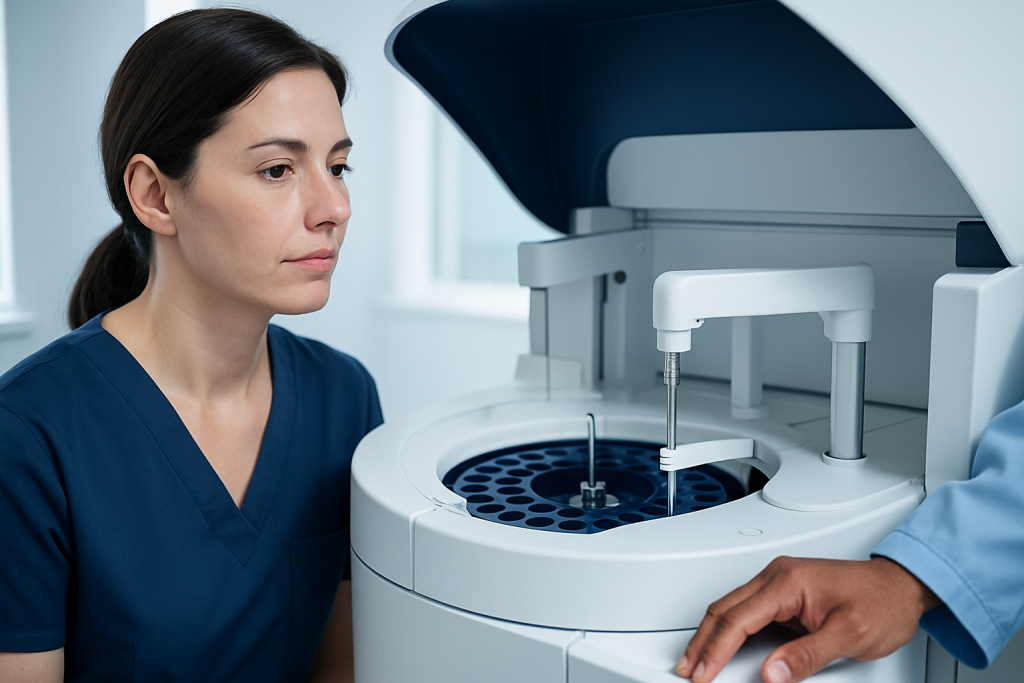
A T4 test is commonly ordered when symptoms suggest the thyroid may not be functioning normally. The challenge is that thyroid symptoms often overlap with stress, sleep problems, anemia, menopause, or other everyday conditions, which is why blood testing can be so useful.
When T4 is low and thyroid activity is reduced, a person may notice fatigue, weight gain, constipation, dry skin, feeling unusually cold, or slowed thinking. When T4 is high and thyroid activity is increased, symptoms may include weight loss, heat intolerance, tremor, anxiety, frequent bowel movements, or a racing heart.
- Persistent tiredness or low energy
- Unexplained weight change
- Feeling too cold or too warm
- Hair thinning or skin changes
- Palpitations, shakiness, or nervousness
- Menstrual changes or fertility concerns
Some people have only mild symptoms, especially early on. Others discover an abnormal T4 result during routine blood work, pregnancy care, or evaluation for another health issue.
Causes & Risk Factors

An abnormal T4 level does not point to one single diagnosis. It may reflect a problem in the thyroid itself, a signal problem from the pituitary gland, or an effect of medication, illness, or pregnancy on hormone binding and hormone balance.
Low T4 is often associated with hypothyroidism, including Hashimoto’s thyroiditis, thyroid surgery, radioactive iodine treatment, or certain medicines. High T4 may be seen in hyperthyroidism, such as Graves’ disease or toxic nodules, but it can also occur when thyroid hormone is taken in excess or when blood protein changes affect the test result.
Several factors can influence T4 interpretation:
- Autoimmune thyroid disease
- Recent pregnancy or estrogen therapy
- Severe illness or hospitalization
- Use of thyroid medication, steroids, or some heart medicines
- Prior neck surgery or thyroid treatment
- Family history of thyroid disorders
Because free T4 and total T4 can behave differently, the clinician chooses the test that best fits the situation. This is especially important when results are being checked in a patient who is traveling for care and may have had prior labs done in another country or health system.
Diagnosis
Diagnosis usually begins with a blood test. Depending on the question being asked, the laboratory may measure total T4, free T4, TSH, and sometimes T3 or thyroid antibodies. The pattern of results matters more than any single number taken alone.
For example, a high TSH with low free T4 often supports hypothyroidism, while a low TSH with high free T4 may suggest hyperthyroidism. If the picture is unclear, a clinician may repeat the test, review medicines and supplements, or order imaging such as a thyroid ultrasound or a radioactive uptake scan when appropriate.
It is also helpful to look at the whole person. Pregnancy, acute illness, recent iodine exposure, and certain supplements can all influence thyroid testing. A careful review of timing and context helps prevent over- or under-treatment.
Treatment Options
T4 itself is not usually treated; the underlying condition is. If the thyroid is underactive, treatment may involve thyroid hormone replacement prescribed and monitored by a clinician. If the thyroid is overactive, treatment may focus on reducing hormone production, controlling symptoms, or addressing the cause of the overactivity.
When an abnormal T4 result is related to medication, the plan may involve adjusting the dose or timing rather than starting a new treatment. If the issue is temporary or related to another illness, the clinician may monitor levels over time before making a long-term decision.
Because thyroid hormone levels can change gradually, follow-up testing is a normal part of care. This is especially true after treatment changes, during pregnancy, and when care is coordinated between doctors in different countries. The aim is steady control, not quick guesses.
Prevention & Self-care
Not every thyroid problem can be prevented, especially autoimmune conditions. Still, there are practical ways to support accurate testing and day-to-day thyroid care.
Keeping a list of all medicines and supplements helps the care team interpret results correctly. Biotin, for example, can interfere with some thyroid tests, so the clinician may advise pausing it before testing if appropriate. Taking prescribed thyroid medicine consistently, as directed, also helps keep hormone levels stable.
Simple self-care supports overall wellbeing while thyroid concerns are being evaluated:
- Attend scheduled blood tests and follow-up visits
- Take prescribed medicine at the same time each day
- Tell the clinician about pregnancy, new symptoms, or new medications
- Use the same laboratory when possible for easier comparison of results
- Keep a written summary of prior thyroid results when traveling for care
People coming from abroad often benefit from organizing prior reports, medication names, and scan results before an appointment. That preparation can save time and make the interpretation of T4 results more accurate.
When to See a Doctor
A doctor should be consulted if symptoms suggest a thyroid problem, if a T4 result is outside the reference range, or if thyroid medicine seems to be causing new symptoms. Ongoing palpitations, unexplained weight change, marked fatigue, swelling, or changes in mood or menstrual regularity are all reasonable reasons to seek assessment.
Medical review is also important during pregnancy or when planning a pregnancy, because thyroid balance matters for both maternal health and fetal development. People with known thyroid disease may need periodic monitoring even when they feel well.
When care is being arranged from another country, an endocrinology team can help interpret prior tests, choose the right repeat labs, and coordinate treatment and follow-up. Acibadem Health Point’s multidisciplinary specialists and JCI-accredited hospitals diagnose and treat thyroid conditions for international patients with a coordinated approach.
Frequently asked questions
What does a T4 test measure?
A T4 test measures thyroxine, a thyroid hormone that helps regulate metabolism and many body functions. Clinicians often use it together with TSH to understand how well the thyroid is working.
Is free T4 better than total T4?
Neither test is always better; they answer slightly different questions. Free T4 reflects the active hormone available to the body, while total T4 includes hormone bound to blood proteins, which can shift during pregnancy or with certain medicines.
Can stress cause abnormal T4 results?
Stress itself does not usually cause a true thyroid disorder, but illness and body stress can affect thyroid test patterns. A clinician may consider recent illness, sleep disruption, and medications when interpreting the result.
What happens if T4 is low?
Low T4 may suggest an underactive thyroid, but the result must be interpreted with TSH and the person’s symptoms. The next step is usually a clinician review to identify the cause and decide whether treatment is needed.
What happens if T4 is high?
High T4 may point to an overactive thyroid, but it can also be influenced by supplements, pregnancy, or changes in binding proteins. The clinician usually confirms the pattern with TSH and other thyroid tests before recommending treatment.
Do I need to fast before a T4 test?
Fasting is usually not required for a T4 test, but instructions can vary depending on the rest of the blood panel. It is helpful to ask about supplements, especially biotin, before the blood draw.
References
- American Thyroid Association
- Mayo Clinic
- MedlinePlus
- Cleveland Clinic
- NHS
This article is for general information only and is not a substitute for professional medical advice. Please consult a qualified doctor about your individual situation.