Symptoms Of Hypothyroidism

Key Takeaways
- Symptoms often build gradually and may affect energy, weight, mood, skin, digestion, and menstrual cycles.
- Not every person with hypothyroidism feels the same way; symptoms can be mild, mixed, or more noticeable depending on the cause and severity.
- Blood tests are the main way to confirm hypothyroidism and guide treatment.
- Treatment usually involves thyroid hormone replacement, with follow-up testing to adjust care safely.
- Lifestyle habits can support well-being, but they do not replace medical treatment when thyroid hormone levels are low.
Hypothyroidism happens when the thyroid does not make enough hormone to support the body’s normal pace of activity. Its symptoms often develop slowly, so they can be easy to miss or attribute to stress, aging, or a busy schedule.
Overview
The symptoms of hypothyroidism reflect a body that is running on too little thyroid hormone. Because thyroid hormone helps regulate metabolism, temperature, energy use, and many daily body functions, a shortage can influence how a person feels from head to toe.
In many people, the first clue is not a dramatic illness but a slow change: tiredness that no amount of sleep seems to fix, a gradual rise in weight, or a general sense of moving through the day more slowly than before. Others notice changes in their skin, bowel habits, mood, or menstrual cycles. These signs can overlap with many other conditions, which is one reason hypothyroidism is often confirmed only after a blood test.
For international patients, this matters because the symptoms may begin long before travel is planned. Some people seek care after noticing persistent fatigue during work or after a trip, while others are already managing a related condition such as autoimmune disease and want a clearer diagnosis before moving forward with treatment abroad.
Symptoms
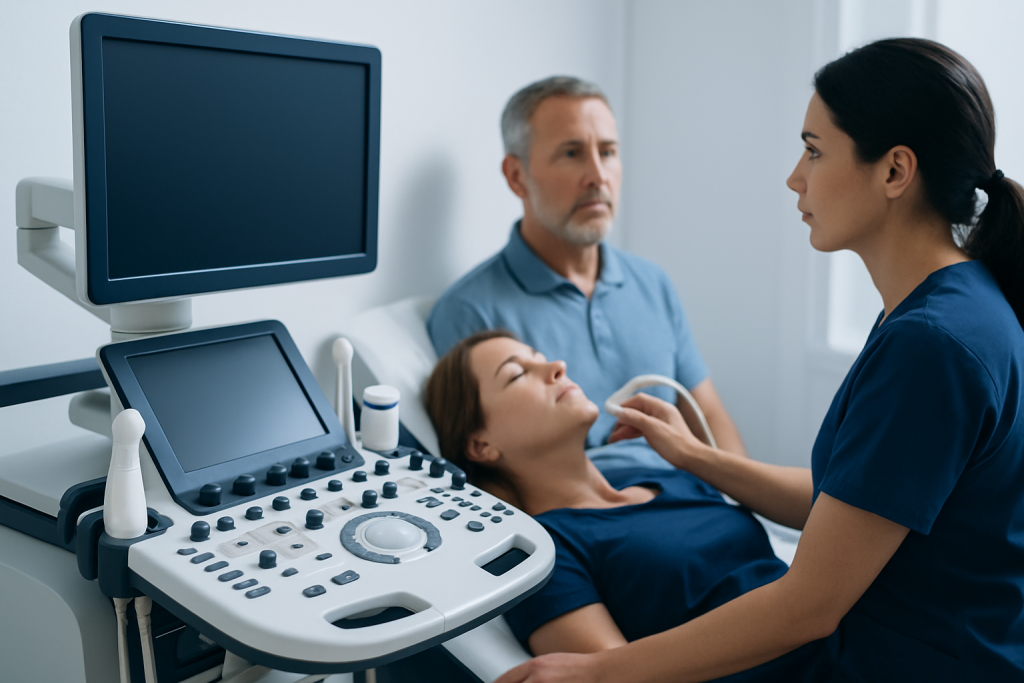
Hypothyroidism can show up in a wide range of ways, and no single symptom is unique to it. A person may notice only one or two changes at first, then gradually realize several body systems seem affected.
Common symptoms include:
- Persistent fatigue or low energy
- Feeling unusually cold
- Weight gain or difficulty losing weight
- Dry skin and brittle nails
- Hair thinning or increased hair shedding
- Constipation
- Slowed thinking, forgetfulness, or “brain fog”
- Low mood or reduced interest in usual activities
- Hoarse voice
- Puffy face or swelling, especially around the eyes
- Muscle aches, stiffness, or weakness
- Heavy or irregular menstrual periods
- Slower heart rate in some cases
Symptoms may be more subtle in mild hypothyroidism, and some people attribute them to stress, poor sleep, aging, menopause, or a demanding schedule. In children and teenagers, slowed growth or delayed puberty can be important clues. In older adults, symptoms may be less specific, such as reduced stamina, mild memory concerns, or feeling cold more often than others.
If symptoms continue for weeks or months, especially when several are present together, it is reasonable to ask a clinician about thyroid testing rather than waiting for the problem to resolve on its own.
Causes & Risk Factors

The most common cause of hypothyroidism in many countries is an autoimmune condition called Hashimoto’s thyroiditis. In this condition, the immune system gradually affects the thyroid gland, making it harder for the gland to produce enough hormone over time. Other causes include treatment for hyperthyroidism, thyroid surgery, radiation to the neck, and certain medicines that affect thyroid function.
Some people are more likely to develop hypothyroidism because of their health history or family background. Risk may be higher with:
- A personal or family history of thyroid disease
- Autoimmune conditions such as type 1 diabetes or celiac disease
- Previous thyroid surgery or thyroid radiation
- Female sex, especially during midlife
- Recent pregnancy, because thyroid changes can occur before or after delivery
- Use of certain medications, as advised by a doctor
Iodine levels can also influence thyroid health, although the pattern varies by region. Too little iodine can contribute to hypothyroidism in some settings, while excess iodine may also disturb thyroid function in susceptible people. Because causes differ, a medical review is important before assuming that diet alone explains the symptoms.
Diagnosis
Diagnosis usually begins with a conversation about symptoms, personal and family history, and any treatments or supplements a person is using. A clinician may also examine the thyroid gland and look for physical signs such as dry skin, swelling, slowed reflexes, or a lower heart rate.
Blood tests are central to diagnosis. The most common tests measure thyroid-stimulating hormone (TSH) and free thyroxine (free T4). In many cases, an elevated TSH with a low free T4 supports hypothyroidism. If autoimmune thyroid disease is suspected, thyroid antibody tests may help clarify the cause.
Some people already take thyroid medication and need reassessment because symptoms return or change. In that situation, the clinician may review whether the dose, timing, or absorption of the medicine could be part of the issue. For international patients, it can help to bring prior test results, imaging, and medication lists from home so the new care team can compare trends rather than starting from scratch.
Treatment Options
Treatment depends on the cause and the person’s overall health, but the standard approach for persistent hypothyroidism is thyroid hormone replacement. The goal is to restore hormone levels to a range that supports normal body function and helps symptoms improve over time.
Most patients are treated with a synthetic form of thyroid hormone that is taken regularly and monitored with follow-up blood tests. Improvement is often gradual. Energy, bowel habits, temperature tolerance, and mental clarity may begin to change over weeks, while hair, skin, and weight-related changes can take longer.
Care is usually individualized. A doctor may adjust treatment based on symptoms, blood test results, age, heart health, pregnancy status, and whether the hypothyroidism is mild or more established. It is important not to change treatment on one’s own, because too little hormone can leave symptoms unresolved, while too much can create a different set of problems.
When hypothyroidism is caused by surgery, radiation, or another medical condition, the underlying history also shapes the plan. Some patients need long-term follow-up, and others need periodic testing to make sure the treatment remains appropriate after travel, weight changes, pregnancy, or medication changes.
Prevention & Self-care
Not every case of hypothyroidism can be prevented, especially when it is related to autoimmune thyroid disease or prior thyroid treatment. Even so, people can take practical steps to support overall thyroid care and avoid confusion about symptoms.
Helpful self-care habits include:
- Taking prescribed thyroid medicine exactly as directed
- Keeping follow-up blood test appointments
- Sharing all medications and supplements with the clinician, including iron, calcium, and multivitamins
- Maintaining a balanced diet rather than trying restrictive “thyroid diets” without medical advice
- Noticing symptom patterns such as fatigue, cold intolerance, constipation, or menstrual changes
- Staying consistent with how thyroid medication is taken, especially when traveling across time zones
For patients traveling internationally, consistency matters. Packing medication in carry-on luggage, keeping a written medication list, and understanding how to schedule the dose around flights, meals, and local routines can make follow-up care easier. If symptoms persist despite treatment, that is a reason to review the plan with a clinician rather than assuming the body simply needs more time.
When to See a Doctor
A medical evaluation is appropriate when hypothyroidism symptoms last more than a few weeks, become more noticeable, or interfere with daily life. This is especially important when multiple symptoms appear together, such as fatigue plus constipation plus feeling cold, because patterns can be more revealing than any one sign alone.
Prompt assessment is also wise for people who are pregnant, trying to conceive, recovering from thyroid surgery, or living with another autoimmune condition. Children, teenagers, and older adults should be checked if there are changes in growth, school performance, memory, strength, or energy that do not have a clear explanation.
If a person is already taking thyroid hormone and symptoms return, a doctor may need to review blood tests, medication timing, interactions, or another cause entirely. Acibadem Health Point’s multidisciplinary specialists and JCI-accredited hospitals can diagnose and treat hypothyroidism for international patients who need coordinated evaluation and follow-up in one place.
Living With Hypothyroidism
Many people live well with hypothyroidism once the condition is recognized and managed consistently. The key is not only starting treatment, but also staying in contact with the care team so the plan stays aligned with the body’s needs over time.
It can help to keep a simple record of symptoms, medication timing, and recent travel or diet changes before follow-up visits. This is especially useful for international patients who may be moving between countries, changing routines, or seeing more than one doctor across different systems of care.
With the right diagnosis, regular monitoring, and a clear treatment plan, most patients can expect symptoms to improve and daily life to feel more predictable again.
Frequently asked questions
Are the symptoms of hypothyroidism the same for everyone?
No. Some people have only mild tiredness or constipation, while others notice several changes such as weight gain, feeling cold, dry skin, or low mood. The pattern and severity depend on the cause, the level of hormone deficiency, and how long it has been present.
Can hypothyroidism cause weight gain?
It can contribute to weight gain, although the amount varies and is often modest. Fluid retention, reduced activity, and slower metabolism may all play a role, so a clinician should look at the whole picture rather than weight alone.
How is hypothyroidism confirmed?
Doctors usually confirm it with blood tests, especially TSH and free T4. These tests show whether the thyroid is underactive and help guide treatment decisions.
Will symptoms improve right away after treatment starts?
Improvement is often gradual rather than immediate. Some symptoms may begin to ease within weeks, while others, such as hair changes or fatigue, can take longer to settle as hormone levels normalize.
Can diet fix hypothyroidism?
Diet can support general health, but it does not replace thyroid hormone treatment when the gland is underactive. People should avoid extreme dietary changes or supplements marketed as cures unless a doctor has reviewed them.
When should someone seek medical advice quickly?
Medical advice is important if symptoms are persistent, if a person is pregnant or planning pregnancy, or if a child’s growth or development seems affected. It is also wise to speak with a doctor if symptoms return despite treatment or if medication side effects are suspected.
References
- American Thyroid Association
- National Institute of Diabetes and Digestive and Kidney Diseases
- Mayo Clinic
- NHS
- Endocrine Society
This article is for general information only and is not a substitute for professional medical advice. Please consult a qualified doctor about your individual situation.