

Torn ACL: Symptoms, Causes and Treatment
Key Takeaways
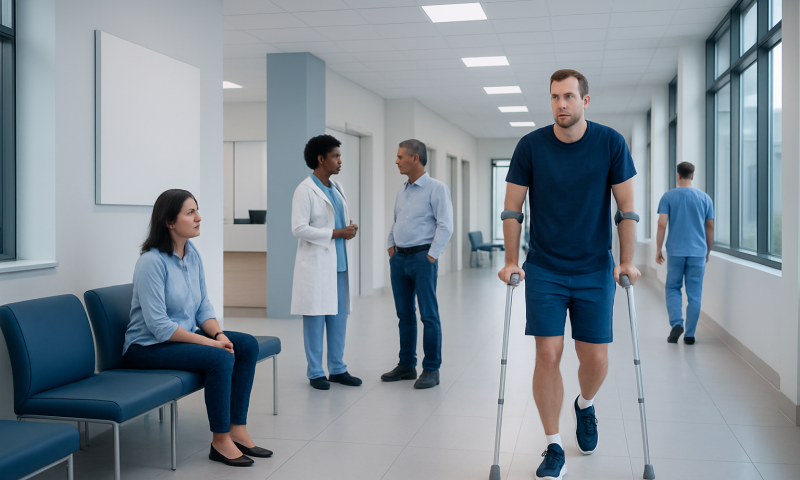
- A torn ACL affects one of the main ligaments that helps stabilize the knee during turning, stopping, and landing.
- A popping sensation, swelling, and a feeling that the knee may give way are common clues, but not every injury looks the same.
- Diagnosis usually combines a physical examination with imaging, especially MRI, to confirm the extent of the injury and check for related damage.
- Treatment can range from rehabilitation and bracing to surgery, depending on age, activity level, knee stability, and other injuries.
- Recovery is often gradual and may take months, with structured physiotherapy playing a central role in returning to daily life or sport.
Medically reviewed by the Acıbadem clinical team — August 19, 2026
A torn ACL is a common knee ligament injury that can make the knee feel unstable, painful, or difficult to trust during movement. Understanding the signs, treatment choices, and recovery path can help patients make informed decisions with an orthopedics specialist.
Overview
The anterior cruciate ligament, or ACL, is one of the key structures that keeps the knee steady when a person changes direction, lands from a jump, or slows down quickly. When it tears, the knee may still move, but it often loses the confidence and control needed for everyday activity or sport.
People sometimes imagine a torn ACL as a single dramatic event, and that can be true, especially in sports such as football, skiing, basketball, or tennis. Yet the injury can also happen in a more ordinary setting, such as slipping, twisting awkwardly, or stepping down in an unexpected way.
For international patients, the decision to seek care may happen quickly after an injury or after ongoing instability makes travel, work, or exercise difficult. In either situation, the goal is the same: confirm the diagnosis, understand whether other knee structures are involved, and choose a plan that fits the person’s lifestyle and recovery goals.
Symptoms
Symptoms of a torn ACL often begin at the moment of injury. Some people hear or feel a pop, followed by pain, swelling, and a sense that the knee is no longer reliable. Others notice the problem later, especially if the swelling develops over several hours.
Common signs may include:
- Rapid swelling of the knee after the injury
- Pain when walking, turning, or trying to fully straighten the leg
- A feeling that the knee is slipping, buckling, or giving way
- Reduced range of motion
- Difficulty continuing sport or even normal daily movement
The intensity of symptoms does not always match the size of the tear. Some partial tears still cause major instability, while some complete tears are surprisingly tolerable at rest. That is why a careful assessment matters more than symptoms alone.
Causes & Risk Factors

An ACL tear usually happens when the knee rotates or changes direction faster than the ligament can handle. The injury may occur without direct contact, especially during sudden deceleration, pivoting, or landing with poor knee alignment.
Risk can increase in activities that involve cutting, jumping, and quick stops. Sports medicine specialists also pay attention to previous knee injuries, muscle imbalance, and movement patterns that place extra strain on the joint. Female athletes in certain sports are known to have a higher risk of ACL injury, though anyone can be affected.
Other factors that may contribute include:
- Returning to sport before strength and control are fully restored
- Weakness in the thigh and hip muscles
- Improper landing mechanics
- Uneven playing surfaces or footwear that grips too firmly
- A history of ACL injury in either knee
In some cases, the ACL is only one part of the story. Meniscus tears, cartilage injury, or strain to other ligaments may occur at the same time and influence treatment choices.
Diagnosis
Diagnosis starts with a detailed conversation about how the injury happened and what the knee felt like afterward. This history helps the clinician judge whether the mechanism fits an ACL injury and whether other structures may also be involved.
A physical examination usually follows. The doctor may test the knee’s stability with specific manual maneuvers and compare it with the other side. Swelling, tenderness, limited motion, and signs of instability can all provide useful clues.
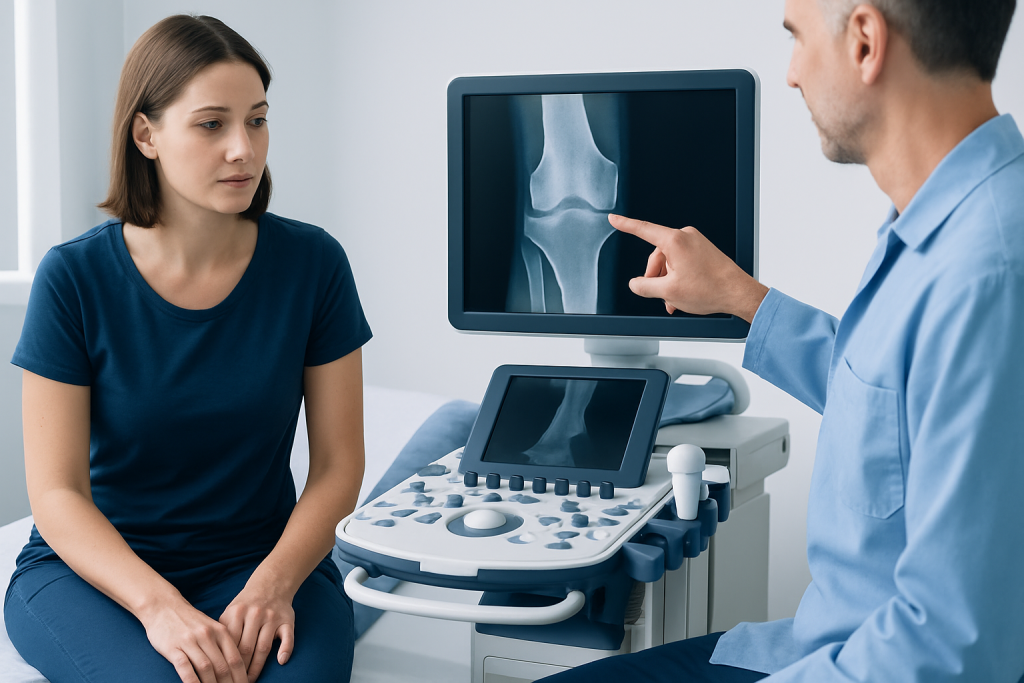
Imaging often helps confirm the diagnosis and guide the next step. An X-ray may be used first to look for bone injury or a fracture, while MRI is commonly used to evaluate the ACL itself and identify associated damage to the meniscus, cartilage, or other ligaments. For patients traveling from abroad, it is helpful to bring any prior scans or reports, since this can shorten the time needed to build a complete plan.
Treatment Options
Treatment depends on more than the tear itself. A person’s age, activity level, knee stability, occupation, and presence of other injuries all influence whether the best choice is non-surgical management or reconstruction of the ligament.
For some patients, especially those with lower physical demands or a stable knee, rehabilitation may be the main approach. This usually includes physiotherapy to restore motion, strengthen the muscles around the knee, and improve balance and control. A brace may sometimes be used for support during healing or activity.
Surgery is often considered when the knee feels unstable, when the patient wants to return to pivoting sports, or when there are other injuries that should be treated at the same time. ACL reconstruction replaces the torn ligament with a graft, which may come from the patient’s own tissue or from a donor source. The surgery does not simply “repair” the old ligament; it creates a new stabilizing structure to help the knee function more predictably.
After either approach, rehabilitation is essential. Recovery is usually gradual and includes regaining extension, reducing swelling, rebuilding strength, and retraining movement patterns. For international patients, this often means planning both the procedure and the follow-up schedule carefully before travel, so that rehabilitation can continue safely at home or with a local therapist.
Prevention & Self-care
Not every ACL tear can be prevented, but the risk can often be lowered with well-designed training and mindful movement habits. Athletes benefit from programs that combine strength, balance, landing technique, and agility, especially before returning to higher-risk sports.
Helpful self-care after an injury usually focuses on protecting the knee and avoiding activities that make it buckle. Resting from pivoting movements, using crutches if advised, and following the clinician’s guidance on ice, elevation, and compression can help manage early symptoms. As swelling settles, guided exercise becomes increasingly important.
Practical steps that may support recovery and future knee health include:
- Completing rehabilitation instead of stopping when pain improves
- Building strength in the quadriceps, hamstrings, glutes, and core
- Practicing safe landing and turning mechanics
- Warming up before sport and avoiding abrupt return to competition
- Following up if the knee feels unstable during ordinary activities
People who are recovering far from their treating hospital may benefit from a written rehabilitation plan and clear milestones. That makes it easier to coordinate care across countries and keep progress on track.
Recovery and Returning to Activity
Recovery from a torn ACL is highly individual. Some people improve enough with rehabilitation alone, while others recover from surgery and gradually return to sport or physically demanding work. In both cases, the pace of recovery depends on strength, knee control, swelling, confidence, and the absence of pain or instability.
Return to activity is usually based on function rather than the calendar alone. A patient may need to show good balance, strong muscle control, near-normal motion, and safe movement patterns before resuming running, jumping, or pivoting sports. Rushing this stage can increase the chance of re-injury.
It is also common for recovery to include emotional as well as physical adjustments. Athletes may worry about trusting the knee again, and non-athletes may be frustrated by temporary limits at work or home. A clear rehabilitation roadmap, regular reviews, and realistic goals often make the process easier to navigate.
When to See a Doctor
Medical assessment is important soon after a knee injury if the joint swells quickly, feels unstable, or becomes difficult to bear weight on. A popping sound, a clear twisting injury, or loss of normal movement are also strong reasons to be checked.
Even if symptoms seem mild at first, ongoing buckling, repeated swelling, or difficulty returning to normal activity can suggest that the ACL or another structure has been injured. Delaying evaluation may allow associated injuries to go unnoticed.
People traveling internationally should seek care early enough to leave time for diagnosis, treatment decisions, and follow-up planning. Acibadem Health Point’s multidisciplinary specialists and JCI-accredited hospitals can diagnose and treat ACL injuries for international patients, with coordination that supports both the procedure and recovery journey.
If the knee locks, the pain becomes severe, numbness appears, or the foot seems cold or discolored, urgent medical attention is needed to rule out more serious problems.
Frequently asked questions
Can a torn ACL heal without surgery?
Some people manage an ACL tear without surgery, especially if the knee remains stable and activity demands are modest. Rehabilitation can improve strength and control, but a torn ACL does not always regain its original stability on its own. A doctor will usually help decide whether non-surgical treatment is reasonable.
What does a torn ACL feel like?
Many people describe a sudden pop, followed by pain, swelling, and a sense that the knee is not trustworthy. The knee may feel like it gives way during turning or stepping. Symptoms vary, so examination and imaging are often needed.
How long does recovery take after ACL surgery?
Recovery is usually measured in months rather than days or weeks. The exact timeline depends on the person’s progress, the rehabilitation plan, and whether other knee injuries were treated at the same time. Return to sport is typically based on strength and function tests, not only on time elapsed.
Is walking possible with a torn ACL?
Some people can walk after the injury, especially once the initial pain settles, but the knee may feel unstable or swollen. Walking comfortably does not mean the ligament is intact. If instability or swelling persists, a medical evaluation is important.
Can someone travel after an ACL injury?
Travel may be possible, but it depends on pain, swelling, and whether urgent assessment or treatment is needed. If surgery is planned, the care team should advise when it is safe to fly and how to manage follow-up. Carrying medical records and imaging is especially helpful for international patients.
References
- American Academy of Orthopaedic Surgeons
- Mayo Clinic
- National Institute of Arthritis and Musculoskeletal and Skin Diseases
- NHS
- Cleveland Clinic
This article is for general information only and is not a substitute for professional medical advice. Please consult a qualified doctor about your individual situation.
Joint and spine care in Turkey — expert assessment & treatment
JCI-accredited · board-certified surgeons · reply within 24h
Add us as a Preferred Source to see more of our trusted health content across Google Search, AI Overviews and Discover.
More from the Health Library


Related Specialists

Prof. Dr. Ahmet Alanay
Orthopedic Surgery & Traumatology
Dr. Sinan Aksu
Orthopedic Surgery & Traumatology
Dr. Sirri Baştürk
Orthopedic Surgery & Traumatology
Prof. Dr. Korhan Özkan
Orthopedic Surgery & Traumatology