TIA vs. Stroke: Symptoms, Causes and Treatment

Key Takeaways
- A TIA causes stroke-like symptoms that usually resolve completely, often within minutes to hours.
- Even when symptoms disappear, a TIA needs urgent medical evaluation because it may signal a higher stroke risk.
- Common symptoms include sudden weakness, speech difficulty, facial drooping, vision changes, and balance problems.
- Diagnosis focuses on finding the cause, such as artery narrowing, heart rhythm problems, or other vascular issues.
- Treatment and prevention often include medication, lifestyle changes, and sometimes procedures to reduce future stroke risk.
Medically reviewed by the Acıbadem clinical team — August 19, 2026
A transient ischemic attack, often called a TIA or mini stroke, is a temporary disruption of blood flow to the brain. Although symptoms fade, a TIA is an important warning sign that future stroke risk may be higher and should be assessed promptly by a doctor.
Overview
A TIA stroke, more formally called a transient ischemic attack, happens when blood flow to part of the brain is briefly interrupted. The symptoms can look exactly like a stroke, but they pass as the blockage clears and the brain starts receiving blood again.
That temporary recovery is reassuring in the moment, but it should not create a false sense of safety. A TIA is often the body’s way of signaling that an artery, the heart, or the clotting system needs closer attention. In practical terms, it is a short-lived event with long-term significance.
For people traveling from abroad for care, the question is often not whether symptoms were brief, but whether they were investigated quickly and thoroughly. A careful neurologic assessment after a TIA can help prevent a larger stroke later and can guide decisions about medication, procedures, and follow-up after returning home.
Symptoms
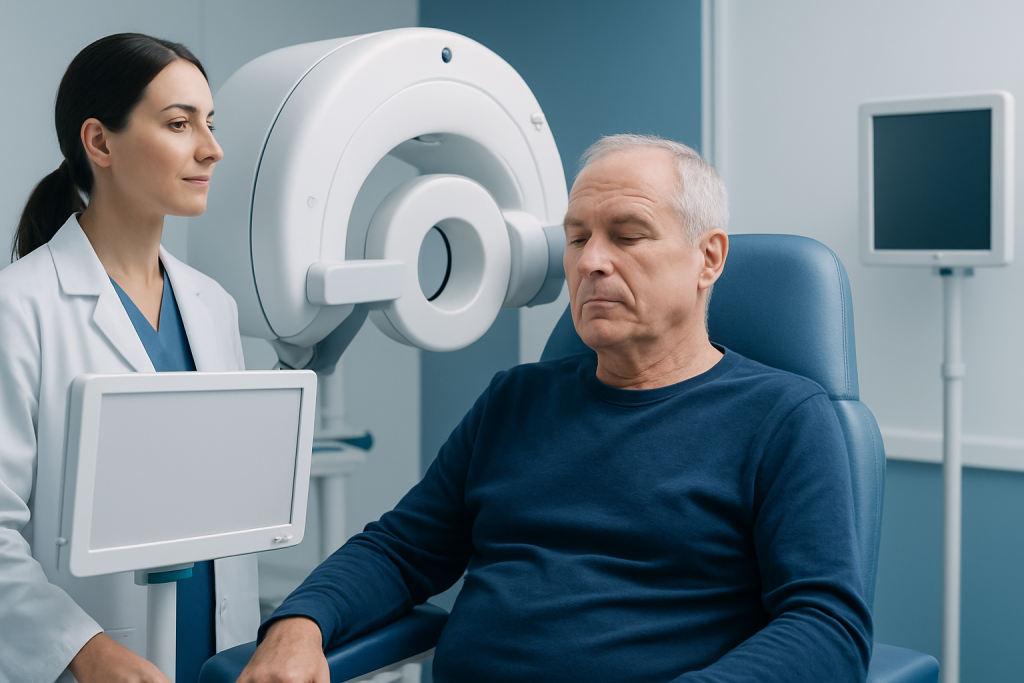
The symptoms of a TIA are usually sudden and may be hard to ignore. They often involve one side of the body or the ability to speak clearly, and they may come and go within a short time.
Common warning signs include:
- Weakness, numbness, or heaviness in the face, arm, or leg, especially on one side
- Facial drooping or uneven smile
- Trouble speaking, slurred speech, or difficulty finding words
- Sudden vision loss, blurred vision, or double vision
- Dizziness, loss of balance, or trouble walking
- Confusion or difficulty understanding speech
Because TIA symptoms overlap with stroke symptoms, the safest approach is to treat them as an emergency until a doctor says otherwise. Even if the episode lasts only a few minutes or disappears before medical care is reached, the event still matters medically.
It is also important to remember that not every person has the same pattern. Some people notice only a single symptom, while others experience several at once. A clear account of what happened, when it started, and how long it lasted can be very helpful during evaluation.
Causes & Risk Factors

A TIA usually results from a temporary blockage in an artery supplying the brain. The blockage is often caused by a small blood clot, but it may also be linked to narrowed arteries, unstable plaque, or a clot that formed elsewhere and traveled to the brain.
Several conditions can increase the likelihood of a TIA. These include high blood pressure, diabetes, high cholesterol, smoking, atrial fibrillation and other heart rhythm problems, obesity, lack of physical activity, and a previous stroke or TIA. Age and family history can also contribute, although a TIA can occur in younger adults as well.
Less commonly, a TIA may be related to conditions that affect blood vessels or clotting, such as carotid artery disease, certain heart valve problems, or inherited clotting disorders. In international-patient settings, doctors may also consider whether symptoms are related to dehydration, long travel, recent surgery, or other situations that can encourage clot formation, depending on the person’s history.
Diagnosis
When a TIA is suspected, the main goal is to identify the cause quickly and estimate the risk of a future stroke. A doctor usually starts with a detailed history of the episode, including the exact symptoms, their timing, and whether they fully resolved.
Tests may include a neurologic examination, blood tests, brain imaging such as CT or MRI, and vessel imaging to look at the carotid and other arteries. An electrocardiogram, heart monitoring, or an echocardiogram may be used if a heart source of clots is suspected.
The evaluation can feel extensive, but each part serves a purpose. A brief symptom episode can still reveal an important vascular problem, and finding that problem early may change the treatment plan. For travelers, some of these tests may be done during a short hospital stay or outpatient workup, with a plan for follow-up that can continue after returning home.
Treatment Options
Treatment after a TIA focuses on reducing the chance of a full stroke. The exact plan depends on the cause, the person’s overall health, and the results of the diagnostic workup.
Doctors may prescribe medicines to lower clot risk, control blood pressure, manage cholesterol, or address heart rhythm problems. If significant narrowing is found in a carotid artery, a procedure may be recommended to improve blood flow and lower stroke risk. In some situations, treatment may also involve adjusting diabetes care, stopping smoking, or changing medicines that may not be the best fit for the person’s condition.
The first days and weeks after a TIA are especially important. A well-organized plan often includes neurologic follow-up, medication review, and clear instructions about what symptoms should trigger urgent reassessment. For international patients, this can also mean helping coordinate medical records, imaging reports, and handoff to a physician at home so care continues smoothly.
Because the right treatment depends on the underlying cause, self-directed decisions are not a good substitute for medical assessment. A person with TIA symptoms should not assume the episode was harmless simply because it passed.
Prevention & Self-care
Preventing another TIA or a future stroke usually starts with everyday vascular health. The most effective self-care habits are not dramatic, but they do add up: consistent medication use, regular follow-up, healthy eating, movement, and avoiding tobacco.
Helpful measures often include:
- Taking prescribed medicines exactly as directed
- Checking blood pressure and managing it under a doctor’s guidance
- Choosing a heart-healthy diet that supports cholesterol and blood sugar control
- Staying physically active in a way that matches medical advice
- Stopping smoking and limiting alcohol if advised
- Attending follow-up visits even after symptoms have disappeared
For someone recovering after care abroad, a written summary of the diagnosis, test results, and treatment plan can make prevention much easier. It helps the next doctor understand what happened and what still needs monitoring.
Self-care after a TIA is less about recovery from the episode itself and more about reducing the chance of the next one. That perspective can be motivating, because it turns a frightening event into an opportunity to protect brain health in a measurable way.
When to See a Doctor
Any sudden stroke-like symptom should be treated as urgent. Even if the signs improve before reaching care, a doctor should evaluate the event as soon as possible, ideally the same day.
Immediate medical attention is especially important if symptoms include facial droop, arm weakness, speech problems, vision loss, severe dizziness, or confusion. Emergency evaluation is also warranted if the episode is new, lasts longer than expected, or occurs in someone with known vascular risk factors.
After the acute phase, a neurology appointment is important for understanding the cause and making a prevention plan. Acibadem Health Point’s multidisciplinary specialists and JCI-accredited hospitals can diagnose and treat TIA and related stroke concerns for international patients, with care coordinated around testing, treatment, and follow-up. No matter where care is received, the key is not to wait for a second episode before seeking help.
Living After a TIA
A TIA often changes how a person thinks about health, and that response is understandable. Many patients describe feeling well again physically but unsettled by the uncertainty of what comes next.
The best path forward usually combines medical treatment with practical planning. That may include medication adherence, clear instructions for repeat symptoms, and follow-up with a neurologist, cardiologist, or primary care doctor. It can also help to keep a simple record of blood pressure readings, medication changes, and any new neurologic symptoms.
For patients who return to another country after treatment, continuity matters. Sharing discharge summaries, imaging results, and the medication plan with local doctors can reduce gaps in care and make long-term prevention more reliable.
Frequently asked questions
What is the difference between a TIA and a stroke?
A TIA causes stroke-like symptoms, but the interruption in blood flow is temporary and symptoms usually resolve. A stroke causes more lasting brain injury because blood flow remains blocked long enough to damage tissue. Even so, a TIA should still be treated as a medical warning sign.
How long do TIA symptoms usually last?
They often last only a few minutes, but they can continue for several hours and still disappear within 24 hours. The exact duration does not reliably show how serious the cause may be. Any sudden neurologic symptom should be assessed promptly.
Can a person recover completely after a TIA?
Many people feel completely normal after the episode ends. That said, recovery from symptoms does not remove the need for evaluation, because the underlying cause may still be present. The main goal is to prevent a future stroke.
What tests are commonly done after a TIA?
Doctors may order brain imaging, blood tests, heart testing, and scans of the neck or brain arteries. These tests help identify whether the cause is related to a clot, artery narrowing, or a heart condition. The exact tests depend on the person’s symptoms and medical history.
Is a TIA always a warning of a future stroke?
Not always, but it does mean the risk should be taken seriously. Some people do not go on to have a stroke, especially if the cause is found and treated promptly. The safest approach is to get evaluated and follow the prevention plan.
What should someone do if symptoms happen again?
Any repeat episode of sudden weakness, speech difficulty, vision loss, or balance trouble should be treated as an emergency. It is best not to wait for the symptoms to pass. Emergency services or immediate hospital assessment is appropriate.
References
- World Health Organization
- American Stroke Association
- National Institute of Neurological Disorders and Stroke
- Centers for Disease Control and Prevention
- Mayo Clinic
This article is for general information only and is not a substitute for professional medical advice. Please consult a qualified doctor about your individual situation.
Explore treatments in Turkey — costs, top hospitals & a free quote
JCI-accredited · board-certified surgeons · reply within 24h
Add us as a Preferred Source to see more of our trusted health content across Google Search, AI Overviews and Discover.