Brain Aneurysm: Symptoms, Causes and Treatment

Key Takeaways
- Many brain aneurysms are discovered before they cause symptoms, especially when imaging is done for another reason.
- A sudden, severe headache can be a medical emergency and may signal a ruptured aneurysm.
- Treatment depends on aneurysm size, location, shape, rupture status, and overall patient health.
- Not every aneurysm needs immediate surgery; some are safely monitored with regular follow-up.
- Blood pressure control, smoking cessation, and follow-up care are important parts of long-term management.
Medically reviewed by the Acıbadem clinical team — August 19, 2026
A brain aneurysm is a weak, bulging area in a blood vessel in the brain that often causes no symptoms until it is found on imaging or, in some cases, ruptures. Understanding the warning signs, diagnostic steps, and treatment options can help patients make timely, informed decisions about care.
Overview
A brain aneurysm, also called a cerebral aneurysm, is a weak area in the wall of an artery in the brain that bulges outward. It can be compared to a small balloon forming on a blood vessel wall, although the medical reality is more complex than that image suggests. Some aneurysms remain stable for years and never cause problems, while others may grow or rupture.
Most people do not know they have a brain aneurysm until it is found incidentally during a CT scan, MRI, or angiography for another reason. In other cases, the aneurysm is discovered after symptoms begin or after it ruptures. Because the condition can be silent, the main challenge is not just treatment, but recognizing when evaluation is needed and which patients may benefit from close monitoring.
For international patients, the path to care often involves more than the diagnosis itself. It may include reviewing imaging remotely, discussing travel plans, arranging neurology or neurosurgery consultations, and understanding what recovery will look like away from home. Clear communication before, during, and after treatment helps patients move through these decisions with confidence.
Symptoms
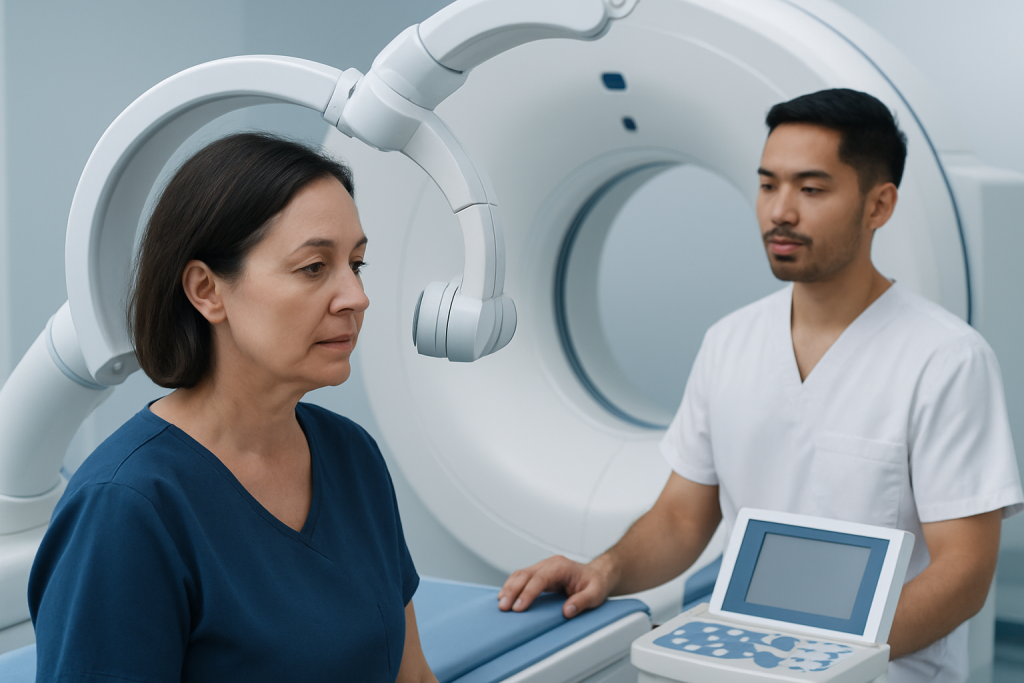
Unruptured brain aneurysms often cause no symptoms. When they do, the signs usually depend on the aneurysm’s size and its location near nearby nerves or brain structures. Symptoms may develop gradually and can be subtle enough to be mistaken for another issue.
Possible symptoms of an unruptured aneurysm include:
- Headache that is new, unusual, or persistent
- Pain above or behind one eye
- Blurred or double vision
- A drooping eyelid
- Changes in pupil size
- Numbness, weakness, or facial pain in some cases
A ruptured aneurysm is different and requires emergency attention. The most recognized sign is a sudden, extremely severe headache, often described as the worst headache of a person’s life. Other warning signs can include nausea, vomiting, neck stiffness, sensitivity to light, fainting, confusion, seizures, or loss of consciousness.
Because brain symptoms can overlap with many other conditions, patients should not try to self-diagnose. A sudden severe headache, especially when paired with neurological changes, should be treated as urgent until a doctor says otherwise.
Causes & Risk Factors

A brain aneurysm develops when part of an artery wall becomes weakened over time. The exact reason this happens is not always known. In many people, several factors likely combine, including natural vessel-wall vulnerability, blood flow patterns, and long-term pressure on the artery.
Risk factors associated with aneurysm formation or rupture include high blood pressure, smoking, older age, certain inherited connective tissue conditions, a family history of aneurysm, and some medical disorders that affect the arteries. Women are diagnosed more often than men in many studies, though aneurysms can affect anyone.
Some aneurysms are related to injury, infection, or prior vascular disease, but most are not caused by a single event. A patient’s personal risk profile is best assessed by a specialist who can interpret imaging together with medical history, family history, and current symptoms. For people traveling from abroad, sharing prior scans and a complete medication list can help the care team make that assessment more accurately.
Diagnosis
Diagnosis usually begins with a careful neurological assessment and a discussion of symptoms, risk factors, and family history. If an aneurysm is suspected, imaging is used to look at the blood vessels in the brain and determine whether a bulge is present, how large it is, and whether there are features that suggest instability.
Common imaging tests include CT angiography, MR angiography, and catheter angiography. Catheter angiography provides detailed vessel images and may be used when doctors need the clearest possible view for treatment planning. If a ruptured aneurysm is suspected, a CT scan is often the first test because it can quickly detect bleeding.
The diagnosis is not only about confirming that an aneurysm exists. Specialists also consider its size, location, shape, whether it has bled, and whether the patient has symptoms or other conditions that affect treatment choices. This is one reason second opinions can be helpful, especially when patients are coordinating care across countries and need to understand the reasoning behind a recommendation.
Treatment Options
Treatment is tailored to the individual. Some unruptured aneurysms are monitored with repeat imaging rather than treated immediately, especially if they are small, stable, and located in an area where intervention may carry more risk than observation. In these cases, the care plan focuses on reducing rupture risk and watching for change over time.
When treatment is recommended, the two main approaches are surgical clipping and endovascular treatment. Clipping is an open surgical procedure that places a small clip across the neck of the aneurysm to stop blood from entering it. Endovascular therapy is performed from inside the blood vessel, often using coils, stents, or flow-diverting devices depending on the aneurysm’s anatomy and the patient’s situation.
If an aneurysm has ruptured, treatment becomes more urgent and is usually done in a hospital setting with close monitoring. Patients may also need care for complications such as vasospasm, fluid and electrolyte changes, hydrocephalus, or changes in brain function. Recovery can involve a neurocritical care unit, rehabilitation, and follow-up imaging after discharge.
The best treatment is not always the most aggressive one. Neurosurgeons and interventional neuroradiologists weigh the chance of future rupture against the risks of the procedure itself, then discuss the plan in plain language so the patient can take part in the decision.
Prevention & Self-care
Not every brain aneurysm can be prevented, but patients can reduce some of the modifiable factors linked with vessel stress and rupture risk. Managing blood pressure is one of the most important long-term steps. Stopping smoking, limiting heavy alcohol use, and following medical advice for cholesterol, diabetes, or other vascular conditions can also support overall brain and heart health.
For someone living with an unruptured aneurysm that is being observed, self-care is mostly about consistency. That means keeping follow-up appointments, taking prescribed medicines as directed, and knowing which symptoms should prompt urgent evaluation. Patients who are planning travel should carry copies of imaging reports, clinic notes, and a medication list so care can continue smoothly if they need attention away from home.
After treatment, recovery may include rest, gradual return to activity, and follow-up visits to check healing and confirm that the aneurysm remains secured. Emotional recovery matters too. Many patients feel anxious after hearing the word aneurysm, even when the prognosis is good, and it is reasonable to ask the care team for clear guidance about activity limits, travel timing, and warning signs during healing.
When to See a Doctor
Medical evaluation is appropriate if a person develops a sudden severe headache, especially if it is unlike any headache they have had before. Emergency care is also needed if the headache comes with neck stiffness, vomiting, fainting, confusion, vision changes, weakness, numbness, seizures, or trouble speaking. These symptoms can indicate bleeding and should not wait for a routine appointment.
People with a family history of brain aneurysm, certain inherited conditions, or prior aneurysm findings should ask a doctor whether screening or repeat imaging is appropriate. Patients already diagnosed with an unruptured aneurysm should seek review if symptoms change, if they are pregnant or planning pregnancy, or if they are preparing to travel and need a safe follow-up plan.
In a coordinated international-care setting, patients often benefit from having the imaging reviewed by a multidisciplinary team before making final decisions. Acibadem Health Point’s multidisciplinary specialists and JCI-accredited hospitals diagnose and treat brain aneurysm for international patients, helping align the plan with both medical needs and travel realities.
Frequently asked questions
What is the difference between a brain aneurysm and a ruptured brain aneurysm?
A brain aneurysm is a bulge in a blood vessel wall inside the brain. A ruptured aneurysm means that bulge has torn and bleeding has occurred, which is a medical emergency.
Can a brain aneurysm be present without symptoms?
Yes. Many brain aneurysms cause no symptoms and are found by chance on imaging done for another reason. That is why some people only learn about them after a scan.
Does every brain aneurysm need surgery?
No. Some aneurysms are monitored over time, especially when they are small and low risk. Doctors recommend treatment when the balance of rupture risk and procedure risk favors intervention.
What symptoms should be treated as an emergency?
A sudden, severe headache, often with nausea, vomiting, neck stiffness, fainting, confusion, seizures, or vision changes, should be treated urgently. It is safer to seek immediate care than to wait and see.
How is treatment chosen for an unruptured aneurysm?
Doctors consider the aneurysm’s size, shape, location, and whether it is changing, along with the patient’s age and medical history. The decision is individualized and usually made after reviewing detailed imaging.
What should international patients bring when seeking a second opinion?
Prior scans, radiology reports, discharge summaries, medication lists, and any notes about symptoms are especially helpful. These documents make it easier for the specialist team to understand the full picture and advise on the next step.
References
- American Heart Association
- National Institute of Neurological Disorders and Stroke
- Mayo Clinic
- World Federation of Neurological Societies
- Brain Aneurysm Foundation
This article is for general information only and is not a substitute for professional medical advice. Please consult a qualified doctor about your individual situation.
Explore treatments in Turkey — costs, top hospitals & a free quote
JCI-accredited · board-certified surgeons · reply within 24h
Add us as a Preferred Source to see more of our trusted health content across Google Search, AI Overviews and Discover.