Hemorrhagic Stroke

Key Takeaways
- A hemorrhagic stroke is a medical emergency caused by bleeding in or around the brain.
- Sudden severe headache, weakness, speech changes, or loss of consciousness can be warning signs.
- High blood pressure, aneurysms, blood-thinning medicines, and certain vessel problems may increase risk.
- Diagnosis usually relies on urgent brain imaging, especially CT or MRI.
- Treatment may include blood pressure control, reversal of blood thinners, surgery, and close monitoring in hospital.
A hemorrhagic stroke happens when a blood vessel in or around the brain ruptures and bleeding disrupts normal brain function. Understanding the warning signs, causes, and treatment options can help families act quickly and support safer recovery.
Overview
A hemorrhagic stroke occurs when a blood vessel in the brain bursts or leaks, allowing blood to collect where it should not be. That bleeding increases pressure inside the skull and can damage nearby brain tissue within minutes to hours. Unlike an ischemic stroke, which is caused by a blocked vessel, a hemorrhagic stroke is caused by bleeding.
Two major forms are seen most often: bleeding inside the brain tissue, called intracerebral hemorrhage, and bleeding around the brain, often from a ruptured aneurysm, called subarachnoid hemorrhage. Both require urgent medical attention. For patients and families, especially those far from home, the first steps usually happen quickly in an emergency department where brain scans and neurologic exams guide the next decisions.
Because symptoms can evolve rapidly, the safest approach is to treat any sudden stroke-like change as an emergency until a doctor says otherwise. Early care can reduce complications and help doctors decide whether medication, monitoring, or surgery is needed.
Symptoms
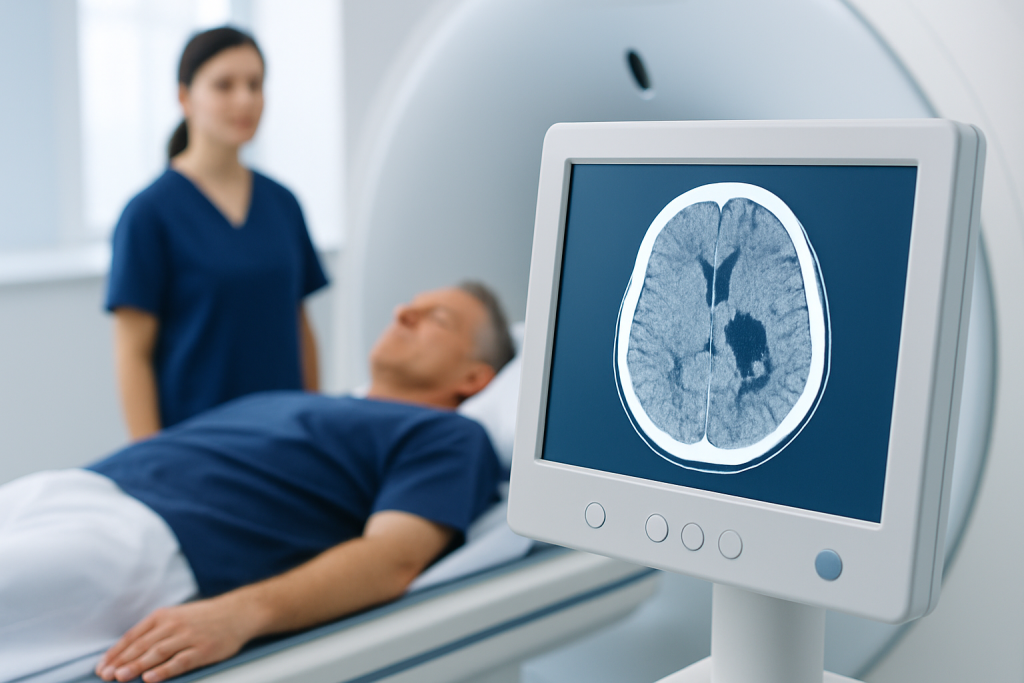
Symptoms of hemorrhagic stroke often appear suddenly and may be more dramatic than many people expect. A severe headache, trouble speaking, one-sided weakness, facial droop, confusion, or vomiting can all be part of the picture. Some people become drowsy, have a seizure, or lose consciousness.
Subarachnoid hemorrhage can cause a sudden “worst headache of life,” sometimes with neck stiffness, nausea, light sensitivity, or a brief collapse. Intracerebral hemorrhage more often causes focal neurologic problems such as arm or leg weakness, difficulty walking, numbness, vision changes, or reduced alertness depending on where the bleeding occurs.
Families sometimes notice that the person is “not acting right” before more obvious signs develop. Any sudden change in thinking, balance, speech, vision, or alertness should be treated as urgent, even if the person seems to improve briefly.
Causes & Risk Factors

High blood pressure is one of the most important risk factors for hemorrhagic stroke because it can weaken small arteries over time. Other causes include brain aneurysms, arteriovenous malformations, head injury, bleeding disorders, liver disease, and the use of anticoagulant or antiplatelet medicines in some situations.
Age, smoking, heavy alcohol use, illegal stimulant drugs, and poorly controlled chronic medical conditions can also raise risk. Some people have inherited or structural blood vessel conditions that are only discovered after an event or after imaging for another reason.
Risk is not determined by one factor alone. Doctors consider the full medical picture, including prior strokes, current medicines, blood pressure history, kidney or liver disease, and family history of aneurysm or bleeding problems.
Diagnosis
Diagnosis starts with an emergency assessment of symptoms, neurologic function, blood pressure, medications, and timing. Because treatment decisions depend on whether bleeding is present, brain imaging is done quickly, usually with a CT scan first. MRI may be used in selected cases for additional detail.
Doctors may also order blood tests to check clotting, platelet count, kidney and liver function, and medication effects. If an aneurysm, malformation, or other vessel problem is suspected, a CT angiogram, MR angiogram, or catheter angiography may be recommended.
For international patients, this stage can feel fast and unfamiliar. Clear communication with the care team is important, especially if prior scans, medication lists, or medical records are available from home; those details can help the team plan safer treatment and recovery.
Treatment Options
Treatment depends on the type, size, and location of the bleed, the person’s condition, and whether a treatable cause is found. Many patients need admission to a stroke unit or intensive care setting so the team can watch blood pressure, breathing, neurologic status, and repeat imaging if needed.
Common early steps include controlling blood pressure, managing brain swelling, treating seizures if they occur, and reversing blood-thinning effects when appropriate. If an aneurysm or malformation is found, procedures such as endovascular treatment or surgery may be considered to stop further bleeding or prevent rebleeding.
In some cases, surgery is used to remove a clot, relieve pressure, or repair a damaged vessel. Supportive care is equally important: oxygen, fluids, nutrition, fever control, and careful monitoring can all influence recovery. Rehabilitation may begin early, with physical, occupational, speech, or swallowing therapy tailored to the person’s needs.
Prevention & Self-care
Not every hemorrhagic stroke can be prevented, but risk can often be lowered. Long-term blood pressure control is one of the most effective strategies, and it usually involves regular follow-up, lifestyle adjustments, and medication when prescribed. Stopping smoking and limiting alcohol can also help protect blood vessels.
People who take anticoagulants or antiplatelet medicines should never stop them on their own, but they may need periodic review to make sure the benefit still outweighs the risk. If a person has an aneurysm or another vascular abnormality, the doctor may recommend monitoring or treatment to reduce future bleeding risk.
Recovery often continues after the hospital stay, especially for patients returning to another country. Planning for medication access, home therapy, follow-up imaging, and clear emergency instructions can make the transition safer and more manageable.
When to See a Doctor
A sudden severe headache, weakness on one side, slurred speech, confusion, vision loss, seizure, collapse, or decreased consciousness needs emergency care immediately. These symptoms are not suitable for watchful waiting, since early diagnosis can change treatment options and reduce complications.
People with known high blood pressure, aneurysm, prior stroke, bleeding disorders, or blood-thinning medication should speak with a doctor promptly if they develop new neurologic symptoms, even if they seem mild at first. A careful evaluation is better than assuming the problem will pass on its own.
If someone has already had a hemorrhagic stroke, follow-up with a neurologist or stroke specialist is important for blood pressure management, rehabilitation, medication review, and monitoring for recurrence. Acibadem Health Point’s multidisciplinary specialists and JCI-accredited hospitals also diagnose and treat hemorrhagic stroke for international patients who need coordinated evaluation and recovery planning.
Living After a Hemorrhagic Stroke
Recovery after a hemorrhagic stroke can be gradual and often changes from week to week. Some people regain function quickly, while others need longer rehabilitation to improve walking, speech, memory, swallowing, or everyday activities. Progress is usually best when therapy is matched to the person’s specific challenges.
Emotional changes are common too. Frustration, fatigue, anxiety, and low mood may appear during recovery, especially when the person is adjusting to a new routine or managing care across borders. Support from family, therapists, and follow-up doctors can help the patient stay engaged without feeling overwhelmed.
Questions about returning to work, driving, travel, or exercise are best answered by the treating neurologist or rehabilitation team. Those recommendations depend on the recovery pace, repeat scans, and whether there is ongoing risk from blood pressure or a vessel abnormality.
Frequently asked questions
Is a hemorrhagic stroke the same as a brain bleed?
Yes, hemorrhagic stroke is a type of brain bleed. It happens when a blood vessel ruptures and blood enters the brain tissue or the space around the brain. That bleeding can injure brain cells and raise pressure inside the skull.
What is the most common warning sign?
The warning signs can vary, but sudden severe headache, weakness, speech trouble, confusion, or collapse are important red flags. In some people, symptoms begin with vomiting or a seizure. Any sudden neurologic change should be treated as an emergency.
Can high blood pressure cause hemorrhagic stroke?
Yes. Chronic high blood pressure is one of the strongest risk factors because it can weaken blood vessel walls over time. Keeping blood pressure under control is a major part of prevention and follow-up care.
How is a hemorrhagic stroke diagnosed quickly?
Doctors usually start with an urgent CT scan of the brain because it can show bleeding fast. Blood tests and vessel imaging may follow to look for the cause and to guide treatment. The exact tests depend on the person’s condition.
Does everyone need surgery?
No. Some people are treated with close monitoring, blood pressure control, and medicine, while others may need a procedure or surgery. The decision depends on the size and location of the bleed, the cause, and how the person is doing clinically.
What should families do after discharge?
Families should follow the discharge plan carefully, including medicines, therapy appointments, blood pressure checks, and warning signs that require urgent care. If the patient is traveling home to another country, it helps to leave with written instructions and copies of imaging and reports.
References
- World Health Organization
- American Stroke Association
- National Institute of Neurological Disorders and Stroke
- Mayo Clinic
- National Health Service
This article is for general information only and is not a substitute for professional medical advice. Please consult a qualified doctor about your individual situation.