Thrombosed Hemorrhoid: Symptoms, Causes and Treatment

Key Takeaways
- A thrombosed hemorrhoid usually appears as a painful, swollen lump near the anus.
- The pain is often sudden and may be worse when sitting, walking, or during bowel movements.
- Constipation, straining, prolonged sitting, and heavy lifting can increase the chance of developing one.
- Treatment may include self-care, pain relief, or a small procedure depending on timing and severity.
- Medical review is important if pain is severe, symptoms are persistent, or bleeding is significant.
Medically reviewed by the Acıbadem clinical team — August 19, 2026
A thrombosed hemorrhoid is a hemorrhoid with a trapped blood clot, often causing sudden pain, swelling, and a tender lump near the anus. Most cases improve with timely medical guidance and simple comfort measures, while some benefit from a minor in-office procedure.
Overview
A thrombosed hemorrhoid is a hemorrhoid that has developed a blood clot inside it. In practical terms, this means a vein at the edge of the anal canal or around the anus has become swollen and suddenly very tender, often turning into a firm lump that can be felt or seen.
People often notice the problem quickly because the pain tends to come on over hours, not days. The area may look bluish, purple, or dark red, and everyday activities such as sitting, using the toilet, or walking may feel uncomfortable. Although the symptom pattern can be alarming, the condition is usually manageable with proper care.
Most thrombosed hemorrhoids are external rather than internal, which is why the pain is so noticeable. A doctor can usually confirm the diagnosis by examination and help decide whether simple home measures are enough or whether an office procedure would offer faster relief.
Symptoms
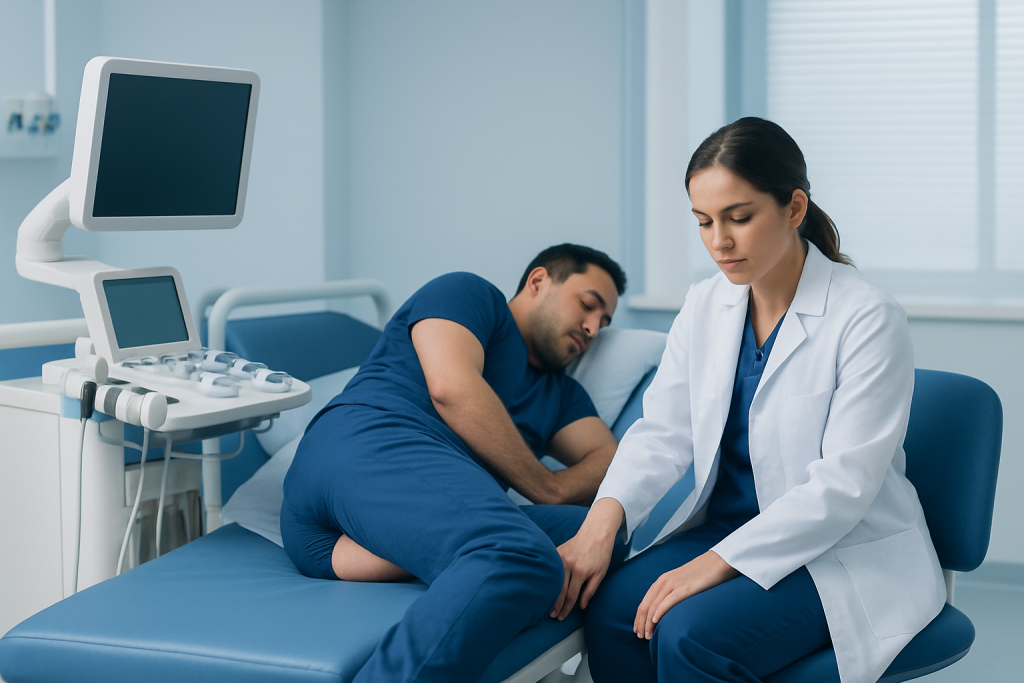
The most characteristic symptom is a sudden, localized pain around the anus. The discomfort can range from sharp and constant to a deep ache that becomes worse with pressure, wiping, or bowel movements.
A firm lump is another common sign. It may feel tender, swollen, and smooth or tense, and the skin over it can appear discolored. Some people also describe itching, a sense of fullness, or a feeling that sitting is difficult until the swelling settles.
Bleeding can occur, especially if the surface skin is irritated or if a clot begins to drain, but heavy bleeding is not typical. Symptoms usually remain confined to the anal area; fever, widespread abdominal pain, or significant weakness point to a different problem and should be assessed promptly.
- Sudden anal pain
- Tender, firm lump near the anus
- Swelling or pressure
- Possible bluish or purple discoloration
- Discomfort with sitting or bowel movements
Causes & Risk Factors

A thrombosed hemorrhoid forms when blood pools in a hemorrhoidal vein and clots. The exact trigger is not always obvious, but anything that increases pressure in the rectal area or interrupts regular bowel habits can contribute.
Common risk factors include constipation, straining on the toilet, prolonged sitting, pregnancy, obesity, heavy lifting, and episodes of diarrhea that irritate the area repeatedly. Long travel days, especially when combined with dehydration and fewer bathroom breaks, can also make symptoms more likely to show up or feel worse.
For international patients planning care or recovering while abroad, it is helpful to think about recent changes in diet, hydration, activity, and medications. Iron supplements, pain medicines that slow the bowel, and long flights may all play a part by making stools harder or bowel habits less regular.
Diagnosis
Diagnosis is usually straightforward. A clinician will ask when the pain began, whether there has been bleeding, and whether bowel movements have become difficult or irregular, then perform a brief physical examination of the anal area.
In many cases, no special test is needed. The appearance and feel of the lump are often enough to identify a thrombosed external hemorrhoid. If the story is less typical, the doctor may look for another cause of anal pain or bleeding, such as an anal fissure, abscess, or a different bowel condition.
When patients are traveling for treatment, the consultation may focus on practical questions too: how long they will stay in the country, whether they can rest after a procedure, and what follow-up is needed once they return home. That planning helps make care safer and more convenient.
Treatment Options
Treatment depends largely on how severe the pain is and how long the clot has been present. Some people improve with time, sitz baths, gentle hygiene, stool-softening measures, and pain relief recommended by a clinician.
If the thrombosed hemorrhoid is very painful and has developed recently, a doctor may suggest a minor in-office procedure to remove the clot or the swollen external hemorrhoid. This is usually done with local anesthesia and can bring relief more quickly than waiting for the clot to resolve on its own.
Other measures may be used to reduce irritation and support healing, including advice on fiber, fluids, and avoiding straining. Surgery is not common for a single thrombosed hemorrhoid, but it may be considered if symptoms are severe, recurrent, or complicated by other anorectal conditions.
Patients should not try to drain, puncture, or squeeze the lump at home. That can increase pain, bleeding, and the risk of infection.
- Warm sitz baths or warm water soaks
- Stool-softening and constipation prevention
- Topical comfort measures advised by a clinician
- Office-based clot removal in selected cases
- Occasional surgical management for recurrent or complex problems
Prevention & Self-care
Prevention is mostly about reducing strain on the veins around the anus. Regular fiber intake, adequate fluids, and avoiding prolonged straining can make bowel movements easier and help lower the chance of another episode.
Simple daily habits often matter more than dramatic changes. Standing up during long trips, taking short walks when possible, and not delaying the urge to use the bathroom can all help. If a person is recovering after treatment, following the doctor’s instructions about activity, hygiene, and bowel habits supports a smoother recovery.
Comfort-focused self-care may include warm baths, gentle cleansing, loose clothing, and rest if sitting is painful. If constipation is a recurring issue, a doctor can help identify whether diet, medications, or another bowel condition needs attention.
- Eat more fiber-rich foods gradually
- Drink enough water through the day
- Avoid straining and long toilet sitting
- Move regularly, especially during travel
- Follow bowel-friendly habits after treatment
When to See a Doctor
Medical review is sensible when anal pain is new, severe, or not improving after a few days of self-care. A clinician can confirm the cause and make sure the pain is not coming from an abscess, fissure, or another condition that needs different treatment.
It is especially important to seek care if there is heavy bleeding, fever, drainage of pus, worsening swelling, or difficulty passing stool or urine. People who are pregnant, taking blood thinners, or living with a weakened immune system should also speak with a doctor early.
For international patients, it can be reassuring to know that symptoms like these are commonly assessed in outpatient settings. Acibadem Health Point’s multidisciplinary specialists and JCI-accredited hospitals can diagnose and treat thrombosed hemorrhoid cases for international patients, with follow-up plans designed around travel and recovery needs.
Frequently asked questions
What is the difference between a thrombosed hemorrhoid and a regular hemorrhoid?
A thrombosed hemorrhoid contains a blood clot, which usually makes it more painful and swollen than a regular hemorrhoid. Regular hemorrhoids may cause itching, pressure, or bleeding, but thrombosis tends to cause sudden, marked tenderness and a firm lump.
How long does a thrombosed hemorrhoid usually last?
The pain often improves over several days, and the lump gradually becomes less tender over a longer period. The exact timeline varies, especially depending on the size of the clot and whether treatment is started early.
Can a thrombosed hemorrhoid go away without treatment?
Yes, many do improve on their own with time and supportive care. A doctor may still recommend treatment if pain is intense or if the episode is very recent and a procedure could bring faster relief.
Is it safe to exercise with a thrombosed hemorrhoid?
Light movement is often acceptable if it does not worsen pain, but heavy lifting and activities that increase pressure may be uncomfortable. It is best to follow a clinician’s advice, especially if symptoms are strong or recovery is underway.
Does a thrombosed hemorrhoid always need surgery?
No, surgery is not usually needed. Many cases are managed with comfort measures and bowel habit changes, while only selected patients benefit from a minor office procedure or other intervention.
Can constipation make the problem worse?
Yes, constipation and straining are common contributors because they raise pressure in the rectal veins. Keeping stools soft and bowel movements unforced is one of the most helpful parts of prevention and recovery.
References
- American Society of Colon and Rectal Surgeons
- Mayo Clinic
- Cleveland Clinic
- National Institute of Diabetes and Digestive and Kidney Diseases
- NHS
This article is for general information only and is not a substitute for professional medical advice. Please consult a qualified doctor about your individual situation.
Persistent digestive symptoms? Get evaluated in Turkey
JCI-accredited · board-certified surgeons · reply within 24h
Add us as a Preferred Source to see more of our trusted health content across Google Search, AI Overviews and Discover.