Swollen Eyelid: Causes and Treatment

Key Takeaways
- A swollen eyelid is a symptom, not a diagnosis, and the cause can range from harmless to more serious.
- Allergies, styes, blepharitis, conjunctivitis, trauma, and blocked oil glands are among the common triggers.
- Pain, vision changes, fever, spreading redness, or trouble moving the eye deserve prompt medical attention.
- Warm compresses, gentle lid hygiene, and avoiding rubbing can help some mild cases.
- A doctor may use an eye exam, medical history, and sometimes imaging or lab tests to find the cause.
- People traveling for care should seek timely assessment if swelling is one-sided, severe, or getting worse.
Medically reviewed by the Acıbadem clinical team — August 19, 2026
A swollen eyelid is a common symptom with many possible causes, from minor irritation and allergies to infection or injury. Care depends on the reason, and a careful eye examination helps determine whether simple self-care is enough or medical treatment is needed.
Overview
A swollen eyelid can appear suddenly after a night of poor sleep, after a bout of seasonal allergy, or as part of a developing eye infection. It may affect one eyelid or both, and the swelling can be mild puffiness or a more obvious enlargement that changes the way the eye opens.
Because the eyelid is thin and highly vascular, it reacts quickly to inflammation, irritation, and fluid buildup. That sensitivity is useful for protection, but it also means many different conditions can look similar at first glance. A clear diagnosis depends on the pattern of swelling, associated symptoms, and whether the eye itself is involved.
For people planning care from another country, a swollen eyelid is usually best evaluated without delay if it is painful, rapidly worsening, or affecting vision. An eye specialist can help distinguish common self-limited problems from conditions that need treatment and follow-up.
Symptoms
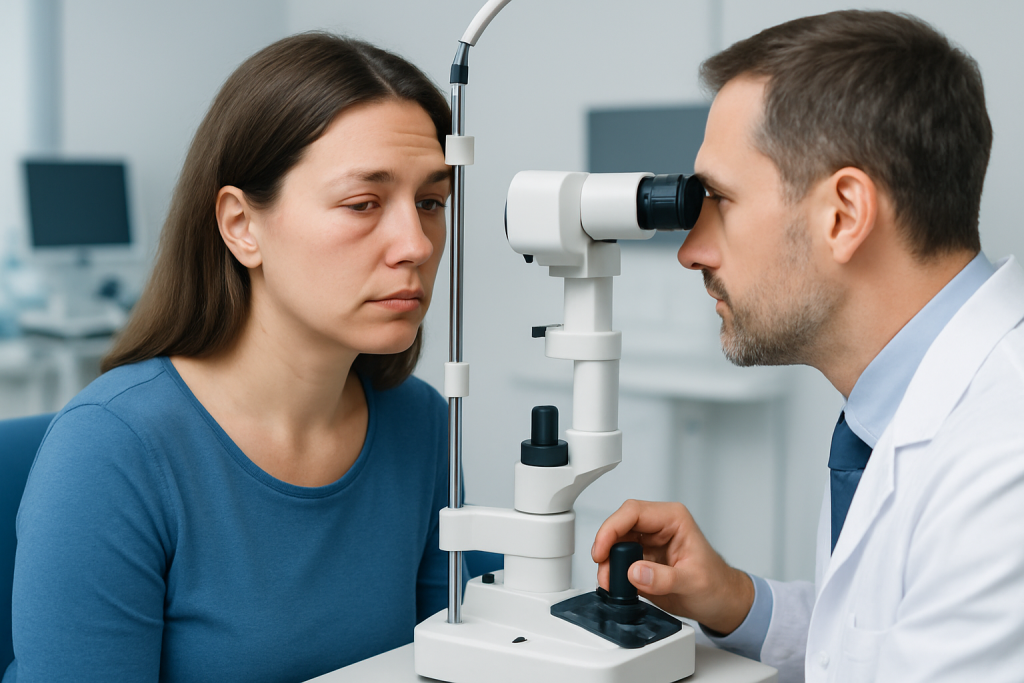
Swelling may be the most visible sign, but it often comes with other clues that point toward the cause. Some eyelids look puffy and itchy, while others become red, tender, or warm to the touch. The eyelid may feel heavy, and opening the eye fully can be uncomfortable.
Symptoms that often travel with eyelid swelling include:
- Itching or watering, which is common with allergies
- Redness of the eyelid or the white of the eye
- Pain or tenderness, especially with a stye or infection
- Crusting, flakes, or oily debris on the lashes
- Blurred vision, light sensitivity, or discharge
Some people notice swelling after rubbing the eyes, using a new cosmetic product, wearing contact lenses for too long, or waking with a blocked tear gland or stye. If swelling is accompanied by eye bulging, fever, double vision, or difficulty moving the eye, the situation needs urgent assessment.
Causes & Risk Factors

Many different conditions can lead to a swollen eyelid. Allergies are a frequent cause, especially when swelling affects both eyes and is accompanied by itching, sneezing, or a runny nose. Irritants such as smoke, dust, chlorine, or certain eye drops and cosmetics can also trigger eyelid inflammation.
Localized eyelid problems are also common. A stye is a tender bump caused by an infected eyelash follicle or oil gland. Chalazia are blocked oil glands that usually cause a firmer, less painful lump. Blepharitis, which is inflammation along the eyelid margins, can lead to chronic puffiness and crusting. Infections of the eyelid skin or the tissue around the eye may cause one-sided swelling, redness, and pain.
Other contributors include minor trauma, insect bites, fluid retention, dermatitis, and, less commonly, thyroid eye disease or other inflammatory disorders. Risk is higher in people with allergies, chronic skin conditions, poor eyelid hygiene, contact lens use, frequent eye rubbing, or a recent eye injury.
Diagnosis
Diagnosis begins with a detailed history and a close look at the eyelids, lashes, eye surface, and surrounding skin. A clinician will usually ask when the swelling began, whether it is on one side or both, and whether there has been pain, discharge, fever, injury, new makeup, or contact lens wear.
The eye exam may include checking vision, pupil response, eye movement, and the inside of the eyelid. These findings help separate allergic or surface irritation from deeper infection or inflammation. In many cases, no tests are needed when the cause is obvious.
If the swelling is severe, unusual, recurrent, or accompanied by concerning symptoms, additional testing may be recommended. This can include imaging to assess deeper tissues or laboratory tests when an allergic, infectious, or systemic cause is suspected. For international patients, shared photos, prior medical records, and a medication list can make the first consultation more efficient.
Treatment Options
Treatment depends entirely on the cause. Mild allergic swelling may improve with avoiding the trigger, using doctor-recommended allergy medicine, and placing a cool compress over the closed eyelid. If an irritant is involved, stopping the product or exposure is often the first and most important step.
Warm compresses are commonly used for styes, chalazia, and blepharitis because they can help open blocked glands and soothe the lid margin. Gentle eyelid cleaning may also be advised. Antibiotic or anti-inflammatory treatment is sometimes needed when there is a bacterial infection or more significant inflammation, but these medicines should be used only under medical guidance.
More serious causes, such as preseptal or orbital cellulitis, need prompt professional treatment and sometimes hospital-based care. If the swelling follows an injury, a foreign body, or chemical exposure, urgent evaluation is important. The right treatment can only be chosen after the cause is identified, which is why a self-diagnosis is not always reliable with eye symptoms.
Prevention & Self-care
Simple habits can reduce the chance of repeat swelling and help mild cases settle more comfortably. Avoid rubbing the eyes, especially during allergy season or when makeup and dust are present. Remove eye makeup thoroughly, replace old cosmetics, and do not share products that touch the eyes.
Useful self-care measures include:
- Using a clean warm compress for a stye or blocked gland, unless a clinician advises otherwise
- Applying a cool compress for allergy-related puffiness
- Keeping contact lenses clean and following wear instructions carefully
- Washing hands before touching the eyes
- Managing known allergies and skin conditions consistently
People who travel for medical care should keep eye medicines in their original packaging, bring contact lens supplies, and avoid starting leftover prescriptions without professional advice. A clear record of what triggered the swelling, how it changed, and what helped can guide follow-up care once they return home.
When to See a Doctor
Medical review is appropriate if the swelling does not improve, keeps returning, or is affecting daily activities such as reading, driving, or contact lens use. One-sided swelling, a painful lump, or swelling that lasts more than a few days may indicate a stye, infection, or another condition that benefits from treatment.
Urgent evaluation is especially important if there is fever, reduced vision, significant pain, double vision, trouble moving the eye, bulging of the eye, or rapidly spreading redness. These symptoms can suggest a deeper infection or inflammation that should not wait.
People who are traveling for care should seek a prompt specialist review before flying if the swelling is worsening or the diagnosis is uncertain. Acibadem Health Point’s multidisciplinary specialists and JCI-accredited hospitals can diagnose and treat swollen eyelid causes for international patients in a coordinated setting, helping to plan care and follow-up with clarity.
Living With Recurrent Eyelid Swelling
When eyelid swelling keeps coming back, the goal is to identify a pattern rather than treating each episode as a separate event. Recurrent allergy exposure, chronic blepharitis, dry eye, rosacea, or frequent eyelid rubbing can all set up repeated flare-ups. A specialist may look for these underlying contributors and suggest a longer-term plan.
That plan may include regular lid hygiene, allergy control, changes in skin or eye products, or treatment for dry eye and inflammation. In some people, recurring swelling is linked to a blocked gland that needs procedural care rather than repeated home treatment. Clear follow-up helps prevent frustration and reduces the chance of complications.
For patients coordinating care across borders, it can be useful to ask for written instructions, a plain-language diagnosis, and a follow-up timeline before leaving the clinic. That makes it easier to continue care safely with a local doctor at home if further treatment is needed.
Frequently asked questions
Is a swollen eyelid usually serious?
Not always. Many cases are caused by allergies, irritation, or a stye and improve with simple measures, but some causes need prompt treatment. The pattern of swelling and any other symptoms help determine how concerning it is.
Should a swollen eyelid be treated with ice or heat?
It depends on the cause. Cool compresses are often helpful for allergy-related puffiness, while warm compresses are commonly used for styes or blocked glands. If the cause is unclear, a clinician can recommend the safest approach.
Can I use eye drops for a swollen eyelid?
Only if the drops match the likely cause and have been recommended by a professional. Some drops can irritate the eye or mask a more serious problem, especially if there is pain, discharge, or vision change.
How long does eyelid swelling take to go away?
Mild swelling from irritation or allergy may improve within hours to a few days, while a stye or inflamed gland can take longer. If the swelling is persistent, worsening, or recurring, a doctor should assess it.
When is eyelid swelling an emergency?
Seek urgent care if there is vision loss, double vision, eye bulging, fever, severe pain, or trouble moving the eye. Rapidly spreading redness or swelling after an injury or chemical exposure also needs immediate attention.
Can eyelid swelling come from contact lenses?
Yes. Contact lens wear can contribute to irritation, allergy, dryness, or infection if lenses are worn too long or not cleaned properly. Any swelling with contact lens use should be taken seriously, especially if the eye is red or painful.
References
- American Academy of Ophthalmology
- National Eye Institute
- Mayo Clinic
- NHS
This article is for general information only and is not a substitute for professional medical advice. Please consult a qualified doctor about your individual situation.
Explore treatments in Turkey — costs, top hospitals & a free quote
JCI-accredited · board-certified surgeons · reply within 24h
Add us as a Preferred Source to see more of our trusted health content across Google Search, AI Overviews and Discover.