Orbital Cellulitis

Key Takeaways
- Orbital cellulitis affects the tissues around and behind the eye and can become serious quickly.
- Common signs include painful eye movement, eyelid swelling, fever, and bulging of the eye.
- It is usually treated with urgent antibiotics, and some people may need surgery.
- Sinus infections are a frequent trigger, especially in children and young adults.
- Anyone with sudden eye swelling, vision changes, or trouble moving the eye should seek immediate medical care.
Orbital cellulitis is a serious infection of the tissues behind the eye that needs prompt medical attention. Recognizing the symptoms early and starting treatment quickly can help protect vision and overall health.
Overview
Orbital cellulitis is an infection of the soft tissues inside the eye socket, behind the orbital septum. Because this area is close to the eye itself, the infection can affect eye movement, vision, and in some cases the structures inside the skull if it is not treated promptly.
It is different from preseptal cellulitis, which involves the eyelid and skin in front of the eye. While both conditions can cause swelling, orbital cellulitis is the more urgent diagnosis because it may lead to vision-threatening complications. For people traveling from another country for treatment, rapid evaluation matters, since the condition is usually managed in a hospital setting with close monitoring and repeat eye examinations.
Orbital cellulitis is most often seen after a sinus infection, but it can also follow trauma, an insect bite, dental infection, or spread from nearby tissues. The good news is that with timely medical care, many patients recover well. The key is not to wait for symptoms to settle on their own.
Symptoms
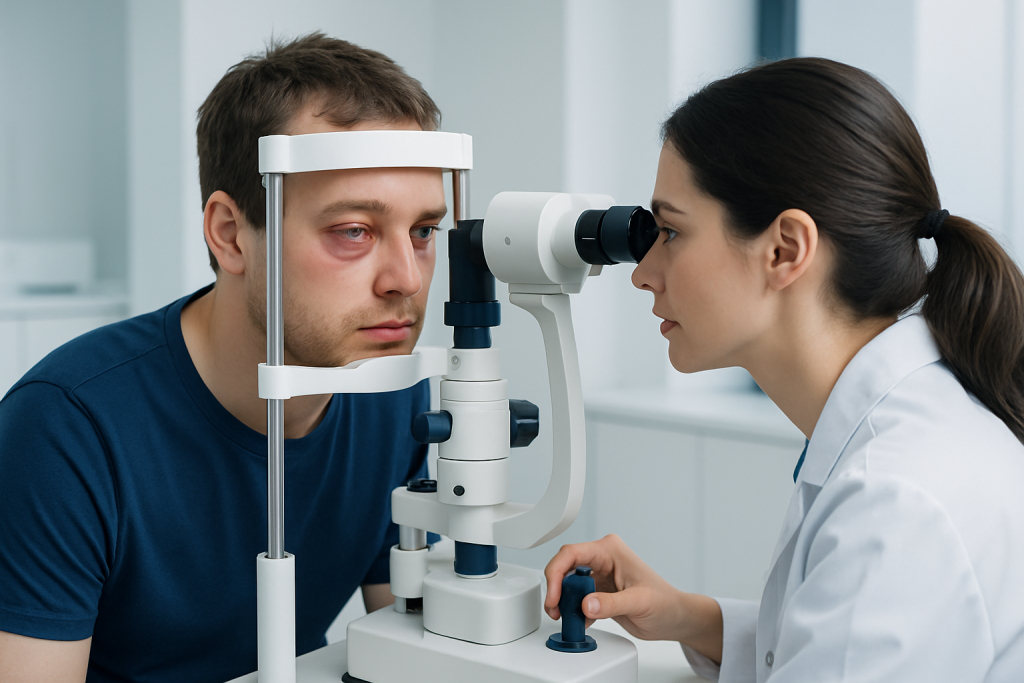
The symptoms of orbital cellulitis often develop quickly, sometimes over hours or a few days. They usually feel more intense than ordinary eyelid irritation or a simple pink eye. A person may notice that one eye becomes swollen, painful, and difficult to open.
Typical signs include:
- Swelling and redness around the eye
- Pain with eye movement
- Reduced ability to move the eye normally
- Bulging of the eye, also called proptosis
- Blurred or reduced vision
- Fever or general unwellness
- Headache or facial pain, especially with sinus infection
In children, the first clue may simply be a puffy eyelid, refusal to move the eye, or a change in behavior because they feel unwell. In adults, symptoms may be more clearly linked to sinus pressure or facial tenderness. Any vision change, double vision, or rapidly worsening swelling should be treated as urgent.
Causes & Risk Factors

Orbital cellulitis usually begins when bacteria spread into the orbit from the sinuses, especially the ethmoid sinus, which sits close to the eye socket. Less commonly, the infection follows an eye injury, surgery, foreign body, dental infection, or bloodstream infection. The bacteria involved can vary, and treatment is chosen to cover the most likely organisms until test results are available.
Sinus disease is one of the most common risk factors. Children and adolescents are more vulnerable because their sinus anatomy and immune responses make spread easier in some cases. People with weakened immunity, uncontrolled diabetes, recent facial trauma, or a history of orbital surgery may also have a higher risk.
Sometimes orbital cellulitis develops after what first looked like a routine upper respiratory illness. That is one reason persistent facial pressure, fever, and eye swelling should not be brushed off as “just sinus trouble,” especially if the eye itself becomes painful or difficult to move.
Diagnosis
Diagnosis starts with a careful medical history and a detailed eye examination. Clinicians usually assess vision, pupil reactions, eye movements, eyelid swelling, and whether the eye is protruding. They also look for signs that the infection may be affecting nearby structures, such as severe sinus tenderness or forehead pain.
Imaging is commonly needed, especially a CT scan of the orbit and sinuses, because it helps show where the infection is located and whether an abscess has formed. Blood tests may be ordered to check for inflammation or infection, and in some cases cultures are taken if fluid or pus is available. In a hospital that treats international patients, a coordinated team may include eye specialists, ENT doctors, radiologists, and infectious disease experts so that diagnosis and treatment move forward without delay.
Because orbital cellulitis can worsen quickly, doctors do not rely on symptoms alone when the exam raises concern. The aim is to confirm the diagnosis early, identify the source of infection, and rule out complications that could require drainage or more intensive care.
Treatment Options
Treatment usually begins in the hospital with intravenous antibiotics, since oral medicine alone is often not strong enough at the start. The antibiotic plan is selected to cover the likely bacteria and may be adjusted when test results return. Close observation is important because doctors need to know whether swelling, pain, fever, and eye movement are improving.
Some patients also need surgery, particularly if a sinus infection is trapped, an abscess has formed, or vision is threatened. The procedure may involve draining the sinus or orbital infection to relieve pressure and remove infected material. If swelling is severe, patients may also receive supportive care such as fluids, pain relief, and measures to manage sinus congestion.
Treatment length depends on the severity of infection and the response to therapy. Many patients begin with IV medication and then switch to oral antibiotics once they are clearly improving. Follow-up after discharge is an important part of care, especially for travelers who may need a plan for monitoring before flying home or continuing Dry Eye Treatment Abroad: Which Option Fits Your Symptoms and Schedule?" class="ahp-ilk">treatment abroad.
Prevention & Self-care
Not every case of orbital cellulitis can be prevented, but prompt care for sinus and facial infections can lower the risk of spread. Treating sinus symptoms thoughtfully, rather than repeatedly ignoring them, matters especially when fever, facial pain, or eye swelling appears alongside a cold or upper respiratory infection.
Helpful self-care measures include:
- Seeking early medical review for persistent sinus pain or swelling around the eye
- Following treatment plans for sinus or dental infections carefully
- Avoiding rubbing an infected or irritated eye
- Keeping up with follow-up appointments after any eye or sinus procedure
- Managing diabetes or immune conditions under a doctor’s guidance
People should not try to treat suspected orbital cellulitis at home with leftover antibiotics or warm compresses alone. Those measures may be appropriate for minor eyelid irritation in some situations, but they are not enough for a deep orbital infection. If travel is involved, it is sensible to arrange care that can support both urgent treatment and safe recovery planning.
When to See a Doctor
Orbital cellulitis is a medical emergency. A doctor should be seen immediately if swelling around the eye is rapidly increasing, if the eye is painful to move, or if vision becomes blurred, double, or reduced. Fever, severe headache, or a bulging eye are additional warning signs that should not be delayed.
Parents should seek urgent care for a child with a swollen eyelid if the child seems unwell, cannot open the eye normally, or resists moving the eye. Adults should also get immediate assessment after facial trauma, a worsening sinus infection, or any eye infection that does not behave like a mild surface problem. Waiting for “one more day” can allow the infection to spread.
For patients considering treatment away from home, timely referral can make a real difference. Acibadem Health Point’s multidisciplinary specialists and JCI-accredited hospitals diagnose and treat orbital cellulitis for international patients with coordinated care and follow-up planning.
Recovery and Follow-Up
Recovery depends on how quickly treatment begins and whether any complications were present at diagnosis. Many patients start to feel better once antibiotics are started, but the eye may remain swollen or tender for some time. Doctors usually want to see steady improvement in pain, fever, eye movement, and vision before changing treatment or considering discharge.
Follow-up visits are used to confirm that the infection is resolving and that no abscess or pressure problem is developing. If surgery was needed, recovery may include additional sinus care, wound checks, and repeat imaging in selected cases. It is important to finish all prescribed medication and attend review appointments, even if the eye looks much better after the first few days.
People traveling internationally may need a clear handover plan for continued care after returning home. That can include written treatment instructions, warning signs to monitor, and an agreed timeline for ophthalmology or ENT follow-up. Care is often smoother when recovery planning starts before discharge rather than after the patient is already on the way back.
Frequently asked questions
What is the difference between orbital cellulitis and preseptal cellulitis?
Preseptal cellulitis affects the eyelid and tissues in front of the orbital septum, while orbital cellulitis involves the deeper tissues behind it. Orbital cellulitis is more serious because it can affect eye movement and vision and may need hospital treatment.
Is orbital cellulitis contagious?
The infection itself is not usually spread from person to person like a common cold. However, the sinus or respiratory infections that sometimes lead to it can be contagious, depending on the cause.
Can orbital cellulitis go away on its own?
It should not be expected to resolve without medical treatment. Because it can worsen quickly and affect vision, it needs prompt evaluation and usually hospital-based antibiotics.
What tests are commonly used to diagnose it?
Doctors often use an eye exam and a CT scan of the orbit and sinuses. Blood tests and cultures may also be used to guide treatment and look for the source of infection.
Will surgery always be needed?
No, surgery is not always required. Some patients improve with antibiotics alone, but surgery may be recommended if there is an abscess, severe sinus involvement, or concern about vision.
How long does recovery usually take?
Recovery time varies with the severity of the infection and how quickly treatment begins. Many patients improve over days, but follow-up can continue longer to make sure the infection has fully cleared.
References
- American Academy of Ophthalmology
- Merck Manual Professional Edition
- NHS
- Centers for Disease Control and Prevention
- Mayo Clinic
This article is for general information only and is not a substitute for professional medical advice. Please consult a qualified doctor about your individual situation.