Pink Eye Symptoms: Causes and Treatment

Key Takeaways
- Pink eye symptoms often include redness, itching, watering, discharge, and a gritty feeling in the eye.
- Different causes—viral, bacterial, allergic, or irritant-related—can look similar but may need different care.
- Many cases improve with supportive treatment, but some need medical evaluation, especially if vision changes or pain are present.
- Good hand hygiene and avoiding eye rubbing can reduce spread and help recovery.
- Anyone with contact lens use, eye injury, severe symptoms, or symptoms that do not improve should see a doctor.
Medically reviewed by the Acıbadem clinical team — August 19, 2026
Pink eye, also called conjunctivitis, is a common eye condition that can cause redness, irritation, discharge, and watery eyes. Understanding the symptoms and their possible causes can help people choose the right care and protect others from spread when an infection is involved.
Overview
Pink eye is the everyday name for conjunctivitis, a swelling of the thin membrane that covers the white part of the eye and the inside of the eyelids. When that tissue becomes irritated or inflamed, the eye may look red, feel scratchy, and produce more tears or discharge than usual.
For many people, the first clue is not just redness but a change in how the eye feels: something seems stuck in it, blinking becomes uncomfortable, or the eyelids are glued together after sleep. Those details matter because they can help distinguish simple irritation from infection or allergy.
Although pink eye is common, it is not one single illness. Viral, bacterial, allergic, and chemical causes can all produce similar-looking symptoms, which is why a careful description of the pattern and timing is often more useful than the color of the eye alone.
Symptoms
The most familiar pink eye symptom is redness of the white part of the eye, but the full picture is usually broader. People may notice itching, burning, watering, swelling of the eyelids, blurred vision from tears or discharge, and a gritty or sandy sensation.
Discharge can be a helpful clue. Viral conjunctivitis often causes watery or thin discharge, while bacterial conjunctivitis more often leads to thicker discharge that may be yellow, green, or crusty. Allergic conjunctivitis typically brings marked itching and watery eyes, often affecting both eyes.
Other symptoms may include sensitivity to light, mild eyelid puffiness, and the need to blink frequently. Some people also feel the eye is tired or heavy, especially after reading, screen use, or exposure to wind, smoke, or dust.
- Red or pink appearance of one or both eyes
- Watery, sticky, or thick eye discharge
- Itching, burning, or grittiness
- Swollen eyelids or mild discomfort
- Temporary blurry vision from tears or mucus
Not every red eye is pink eye. Eye pain, significant light sensitivity, or reduced vision can point to a more serious eye problem and should be assessed promptly.
Causes & Risk Factors

Pink eye develops when the conjunctiva reacts to infection, allergy, or irritation. Viral conjunctivitis is commonly linked to common cold-type viruses and can spread easily through hands, shared towels, makeup, or contaminated surfaces.
Bacterial conjunctivitis may occur on its own or alongside another upper respiratory infection. Allergic conjunctivitis is triggered by substances such as pollen, animal dander, or dust mites, while irritant conjunctivitis can follow exposure to smoke, chlorine, cosmetics, or a foreign body.
Certain situations make symptoms more likely or more persistent. Contact lens wear, touching the eyes frequently, close contact with someone who is contagious, seasonal allergies, and poor hand hygiene can all increase the chance of developing pink eye or passing it to others.
Travel can also complicate the picture. International travelers may be exposed to dry air, dust, crowded transport, or unfamiliar allergens, and they may be far from their usual eye doctor when symptoms begin. That makes early observation and sensible precautions especially useful.
Diagnosis
Diagnosis usually starts with a conversation about the symptoms, how quickly they began, whether one or both eyes are involved, and whether there has been exposure to someone with an infection or to an allergen. The appearance of the discharge, associated cold symptoms, and contact lens use also help guide the assessment.
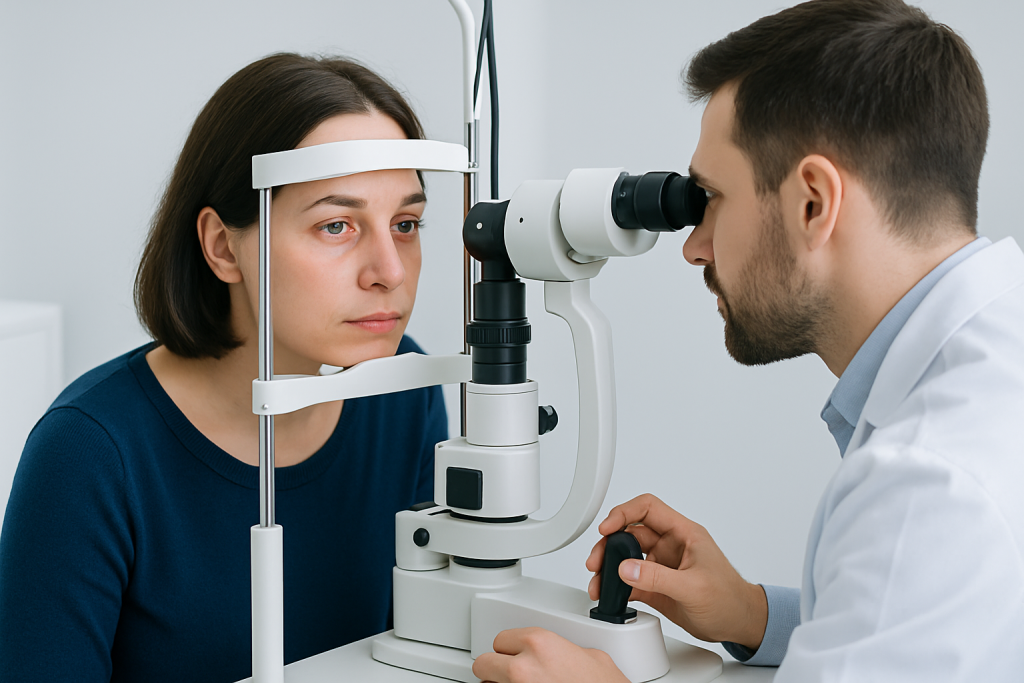
A clinician may examine the eye with a light and look at the eyelids, cornea, and surrounding tissues. In most straightforward cases, this is enough to identify conjunctivitis and decide whether supportive care, allergy management, or further testing is appropriate.
Additional tests are not always needed, but they may be considered if symptoms are severe, recurring, atypical, or not improving as expected. This is particularly important when a corneal problem, a more serious infection, or another cause of red eye needs to be ruled out.
Treatment Options
Treatment depends on the underlying cause. Viral conjunctivitis usually improves with time and supportive care, such as cool compresses, lubricating eye drops, and rest. Antibiotics do not treat viral infections, so they are not routinely helpful in that setting.
Bacterial conjunctivitis may improve on its own in some cases, but a doctor may prescribe antibiotic eye drops or ointment when the pattern suggests a bacterial cause or when symptoms are more pronounced. Allergic conjunctivitis is often managed by reducing exposure to triggers and using allergy-focused treatments recommended by a clinician.
Irritant-related pink eye improves when the irritant is removed and the eye is rinsed if appropriate. People who wear contact lenses should usually stop wearing them until the eye has healed and a clinician says it is safe to resume.
Supportive care can make the healing period more comfortable:
- Apply a clean cool or warm compress, depending on what feels soothing
- Use preservative-free artificial tears if advised
- Avoid rubbing the eyes, which can worsen irritation
- Do not share towels, pillowcases, eye drops, or makeup
- Replace eye makeup and contact lens supplies if contamination is suspected
For international patients, treatment planning sometimes includes practical follow-up advice before travel, such as how to monitor symptoms, when to restart contact lenses, and when a remote review or local eye check is advisable after returning home.
Prevention & Self-care
Simple habits can lower the chance of catching or spreading infectious pink eye. Handwashing remains the most important step, especially after touching the face, cleaning the eyes, applying drops, or handling contact lenses.
People with symptoms should avoid close eye contact with others, refrain from sharing personal items, and wash pillowcases, washcloths, and towels frequently. If allergies are the cause, keeping windows closed during high-pollen days, showering after outdoor exposure, and reducing dust at home may help.
Self-care also means being cautious with over-the-counter products. Not every red eye needs medicated drops, and some products can irritate sensitive eyes further. Contact lens wearers should be especially careful, because corneal infections can begin with symptoms that look similar to pink eye.
Travelers can prepare by carrying a small hygiene kit, keeping eye medications in original packaging, and knowing where to seek care if symptoms worsen abroad. That is particularly useful when schedules are tight or follow-up with the usual doctor may be delayed.
When to See a Doctor
Medical evaluation is advisable if pink eye symptoms are severe, not improving, or accompanied by anything beyond mild irritation. Eye pain, light sensitivity, reduced vision, significant swelling, or a feeling that something is stuck in the eye after an injury deserve prompt attention.
Anyone who wears contact lenses should seek care sooner rather than later if the eye becomes red or painful. Contact lens-related eye infections can affect the cornea and need timely assessment to protect vision.
It is also wise to see a doctor if symptoms keep returning, if discharge becomes heavy, if a newborn or young child is affected, or if the diagnosis is uncertain. People with weakened immune systems or recent eye surgery should not delay evaluation.
Acibadem Health Point’s multidisciplinary specialists and JCI-accredited hospitals diagnose and treat eye conditions for international patients, with attention to both medical care and the practical details of recovery away from home.
Living With Pink Eye While Recovering
Most people can manage daily life with pink eye by resting the eyes, keeping them clean, and allowing enough time for symptoms to settle. Reading breaks, screen breaks, and avoiding smoky or dusty environments can make the recovery period easier.
If discharge is present, gently cleaning the eyelids with a clean cloth and warm water can reduce crusting, especially in the morning. Makeup, eye drops that are not prescribed for the condition, and contact lenses should be avoided until a clinician confirms it is appropriate to restart them.
When recovery happens away from home, it helps to keep a brief symptom log: which eye is affected, whether discharge is changing, and whether pain, light sensitivity, or blurred vision appears. Those details are useful if a follow-up visit or teleconsultation becomes necessary.
Common Misunderstandings
One common misunderstanding is that all red eyes are contagious. In reality, allergic and irritant causes are not spread from person to person, while viral and some bacterial forms can be contagious.
Another misconception is that any eye discharge requires antibiotics. The correct treatment depends on the cause, and many cases improve best with time, comfort measures, or allergy control rather than medication aimed at bacteria.
People also sometimes assume that the eye should be left completely alone. Gentle cleaning, hygiene, and appropriate guidance from a clinician are usually more helpful than either over-treatment or neglect.
Frequently asked questions
What are the first signs of pink eye symptoms?
The earliest signs are often redness, irritation, tearing, and a gritty or scratchy feeling. Some people also notice eyelid swelling or mild discharge before the eye looks obviously pink.
Can pink eye affect both eyes at once?
Yes, it can. Allergic conjunctivitis often affects both eyes from the start, while viral or bacterial pink eye may begin in one eye and spread to the other.
How can someone tell if pink eye is viral or bacterial?
The pattern can offer clues, but it is not always possible to tell at home. Watery discharge and cold symptoms may suggest a viral cause, while thicker discharge may suggest bacterial conjunctivitis, and a clinician may need to examine the eye to be sure.
Is pink eye always contagious?
No. Infectious forms caused by viruses or bacteria can spread, but allergy-related or irritant-related pink eye does not pass from person to person. Good hand hygiene is still important in every case because it helps reduce irritation and prevents secondary spread of germs.
Should contact lens wearers be more cautious?
Yes. Contact lens wearers should stop using lenses if the eye becomes red, painful, or discharged, because a corneal problem can sometimes resemble pink eye. It is safest to get medical advice before wearing lenses again.
When do pink eye symptoms need urgent attention?
Urgent assessment is important if there is eye pain, vision changes, strong light sensitivity, a recent injury, or symptoms in a person who wears contact lenses. These features can suggest a more serious eye condition that needs prompt care.
References
- American Academy of Ophthalmology
- National Eye Institute
- Centers for Disease Control and Prevention
- Mayo Clinic
- World Health Organization
This article is for general information only and is not a substitute for professional medical advice. Please consult a qualified doctor about your individual situation.
Explore treatments in Turkey — costs, top hospitals & a free quote
JCI-accredited · board-certified surgeons · reply within 24h
Add us as a Preferred Source to see more of our trusted health content across Google Search, AI Overviews and Discover.