Optic Neuritis: Symptoms, Causes and Treatment

Key Takeaways
- Optic neuritis affects the optic nerve and can lead to sudden changes in vision, often in one eye.
- Pain with eye movement and colors appearing dull or faded are common clues.
- It can be associated with immune-related conditions, infections, or no clear cause at all.
- An eye and neurological evaluation may be needed to confirm the diagnosis and look for related conditions.
- Treatment depends on the cause and may include close observation or steroid therapy under medical supervision.
Medically reviewed by the Acıbadem clinical team — August 19, 2026
Optic neuritis is inflammation of the optic nerve, the pathway that carries visual information from the eye to the brain. It can cause sudden vision changes, pain with eye movement, and color vision problems, and it deserves prompt medical attention for an accurate diagnosis and safe treatment plan.
Overview
Optic neuritis is inflammation of the optic nerve, the bundle of nerve fibers that carries visual signals from the eye to the brain. When that nerve becomes irritated or inflamed, vision can change quickly, sometimes over hours or days. For many people, the first sign is not complete blindness, but a noticeable shift in clarity, color, or brightness.
This condition is important because the optic nerve sits at the crossroads of eye health and nervous system health. In some people, optic neuritis happens as a one-time event. In others, it may be linked to an autoimmune or demyelinating condition, which is why doctors often look beyond the eye itself when they evaluate it.
For international patients, the practical challenge is often deciding how urgent the problem is while away from home. A sudden change in vision should not be watched casually over a long trip or post-flight delay; it is a reason to seek assessment promptly so the cause can be identified and treatment started if needed.
Symptoms
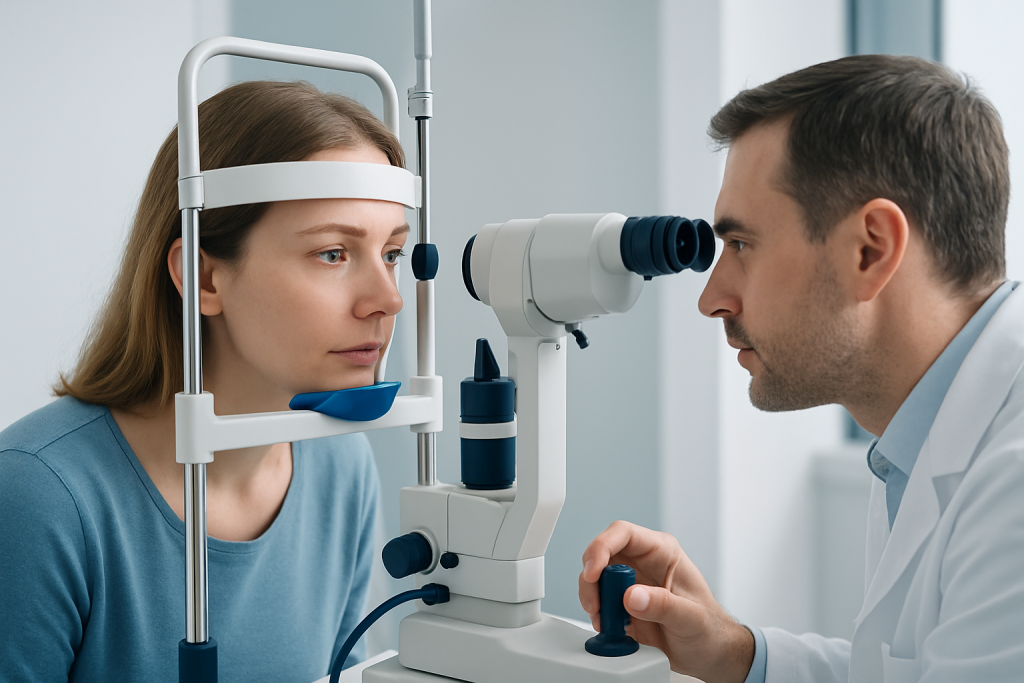
Symptoms often develop in one eye first, although both eyes can be affected in some situations. Vision may become blurry, dim, or patchy, and some people describe a gray area in the center of their vision or difficulty seeing details clearly. Colors, especially red, may look washed out or less vivid than usual.
Pain with eye movement is a classic feature and can be an important clue. The discomfort may feel deeper than a surface eye irritation, and it may worsen when looking side to side or up and down. Some people also notice flashes of light or that their vision seems to change more in bright heat or after exercise.
Other possible symptoms include:
- Reduced contrast, making objects harder to distinguish from their background
- A temporary drop in vision during illness or increased body temperature
- Blind spots or a darkened area in the visual field
- Changes in how the pupil responds to light
Because the symptoms can resemble other eye problems, a proper exam matters. A person should not assume it is only eye strain, dry eyes, or fatigue if vision is clearly altered.
Causes & Risk Factors

Optic neuritis can happen for several reasons. In many cases, it is related to the immune system mistakenly targeting the insulating covering of the nerve, a process called demyelination. This is one reason the condition is often discussed alongside multiple sclerosis and other neurological diseases.
Sometimes optic neuritis appears after a viral illness, and in fewer cases it is associated with infections such as certain viral, bacterial, or inflammatory conditions. It may also occur with disorders that affect the immune system, including neuromyelitis optica spectrum disorder and myelin oligodendrocyte glycoprotein-associated disease. In some people, no single trigger is found.
Factors that may increase concern or the likelihood of optic neuritis include:
- A personal or family history of autoimmune or demyelinating disease
- Previous unexplained episodes of vision loss or neurological symptoms
- Recent infection or systemic inflammatory illness
- Symptoms affecting both the eyes and the nervous system
Not every case points to a long-term disease, but doctors often assess the wider picture because the first episode can provide clues about future risk and best follow-up care.
Diagnosis
Diagnosis usually begins with a detailed history and a careful eye examination. A doctor will ask when the symptoms started, whether pain is present, whether one or both eyes are affected, and whether there have been other symptoms such as numbness, weakness, balance trouble, or recent illness. This broader symptom review helps distinguish optic neuritis from problems in the retina, cornea, or blood vessels.
An eye specialist may check visual acuity, color vision, pupil reactions, and the back of the eye. Some people with optic neuritis have a normal-looking optic nerve at first, so a normal early exam does not necessarily rule it out. Additional testing may include optical coherence tomography, visual field testing, and magnetic resonance imaging of the brain and orbits to look at the optic nerve and search for associated conditions.
In selected cases, blood tests or other investigations may be used to look for inflammatory, infectious, or autoimmune causes. The goal is not only to confirm optic neuritis, but also to understand whether it is an isolated episode or part of a broader condition that may need ongoing care.
Treatment Options
Treatment depends on the underlying cause, the severity of symptoms, and whether another condition is suspected. In some mild cases, vision begins to improve without a specific intervention, but medical supervision remains important because optic neuritis can signal a more significant neurological disorder.
When treatment is needed, doctors may use corticosteroids to reduce inflammation and speed visual recovery in certain situations. These medicines are prescribed and monitored by a clinician because the best approach depends on the individual case and other health factors. If optic neuritis is related to a specific infection, immune disorder, or another disease, treatment of that underlying cause becomes part of the plan.
Supportive care may also include follow-up visits, repeat eye checks, and coordination between eye specialists and neurologists. For patients traveling internationally, this multidisciplinary approach can be especially helpful because it can connect the diagnosis, treatment, and follow-up plan in one coordinated setting. Acibadem Health Point’s multidisciplinary specialists and JCI-accredited hospitals diagnose and treat optic neuritis for international patients as part of that coordinated care pathway.
Prevention & Self-care
Not every case of optic neuritis can be prevented, especially when the cause is autoimmune or not clearly known. Even so, certain habits can support eye and nerve health and make it easier to spot changes early. Protecting overall health also matters because infections, inflammatory flares, and uncontrolled chronic disease can complicate recovery.
Helpful self-care measures include:
- Paying attention to new changes in vision, color perception, or eye pain
- Keeping follow-up appointments even if symptoms start to improve
- Managing other health conditions such as diabetes, blood pressure problems, or autoimmune disease under medical guidance
- Avoiding self-medicating for vision loss or delaying evaluation because symptoms seem temporary
During recovery, people may find bright environments, heat, or fatigue make symptoms feel more noticeable. Gentle pacing, adequate hydration, and rest can help daily comfort, but they do not replace evaluation. If a person has to travel home after treatment, the follow-up plan should be clear before departure so care continues smoothly.
When to See a Doctor
Sudden vision loss, blurred vision in one eye, pain when moving the eye, or colors appearing dull should be assessed promptly. These symptoms can overlap with other conditions, some of which need urgent treatment to protect vision. It is safer to seek care early than to wait for the problem to sort itself out.
Medical attention is especially important if vision changes are accompanied by numbness, weakness, balance problems, severe headache, fever, or symptoms in both eyes. Those features may suggest that the optic nerve is involved as part of a broader neurological or inflammatory condition.
A person who has already been diagnosed should contact a doctor if symptoms return, improve and then worsen, or spread beyond the original pattern. For international patients, timely review helps ensure records, imaging, and treatment notes are organized before travel continues. That coordination makes it easier for the next clinician to understand what has already been done and what still needs attention.
Living With Optic Neuritis
Recovery can feel uncertain at first because the pace of improvement varies from person to person. Some people regain most of their vision over time, while others may have lingering changes in contrast, color perception, or visual sharpness. Knowing that improvement can be gradual may help set realistic expectations and reduce unnecessary worry.
Follow-up is a key part of living with optic neuritis, especially when the cause may be linked to a condition that can affect other parts of the nervous system. Regular communication with the care team helps track whether the optic nerve is healing and whether any new symptoms are appearing. This is also the stage where patients often benefit from a clear written summary of tests, diagnosis, and next steps, particularly if they are returning to another country.
People who have had optic neuritis should stay alert to new visual symptoms in either eye and report them early. Prompt reassessment can help protect vision and provide reassurance when symptoms are part of recovery rather than a new problem.
Frequently asked questions
Is optic neuritis the same as regular eye strain?
No. Eye strain usually causes tiredness, discomfort, or temporary blur after prolonged visual work, while optic neuritis is inflammation of the optic nerve and can cause more significant vision changes. Pain with eye movement and changes in color vision are more suggestive of optic neuritis.
Can optic neuritis get better on its own?
In some cases, symptoms improve over time without a specific procedure, but medical evaluation is still important. The doctor needs to confirm the diagnosis and check whether another condition could be contributing.
Does optic neuritis always mean multiple sclerosis?
No. Optic neuritis can occur on its own or with other immune-related, inflammatory, or infectious conditions. Because it can sometimes be linked to neurological disease, doctors may order tests to look for related causes.
How quickly should someone seek care for sudden vision changes?
Promptly, ideally the same day or as soon as possible. Sudden vision loss, eye pain with movement, or a noticeable change in color vision should not be delayed, even if symptoms seem mild at first.
What tests are commonly used to evaluate optic neuritis?
Doctors may use a detailed eye exam, visual field testing, optical coherence tomography, and MRI of the brain and orbits. Blood tests may be added when an autoimmune or infectious cause needs to be considered.
Can travel make optic neuritis worse?
Travel itself does not usually cause optic neuritis, but delays in care can make evaluation more difficult. If symptoms begin while traveling, it is wise to arrange prompt medical review and avoid waiting until returning home.
References
- American Academy of Ophthalmology
- National Eye Institute
- Mayo Clinic
- NINDS (National Institute of Neurological Disorders and Stroke)
- World Health Organization
This article is for general information only and is not a substitute for professional medical advice. Please consult a qualified doctor about your individual situation.
Explore treatments in Turkey — costs, top hospitals & a free quote
JCI-accredited · board-certified surgeons · reply within 24h
Add us as a Preferred Source to see more of our trusted health content across Google Search, AI Overviews and Discover.