Stye on Eyelid: Symptoms, Causes and Treatment

Key Takeaways
- A stye on eyelid is usually a small infection of an eyelash follicle or oil gland.
- Warm compresses and gentle eyelid hygiene are often the first steps in care.
- Squeezing or popping a stye can worsen irritation or spread infection.
- Repeated styes may be linked to blepharitis, rosacea, or clogged oil glands.
- Medical review is advised if symptoms are severe, vision changes occur, or the lump does not improve.
Medically reviewed by the Acıbadem clinical team — August 19, 2026
A stye on eyelid is a common, usually short-lived eyelid infection that can look sore, red, and swollen. Most styes improve with simple home care, but persistent, painful, or recurrent lumps should be checked by an eye specialist.
Overview
A stye on eyelid, also called a hordeolum, is a tender bump that develops when an eyelid oil gland or eyelash follicle becomes infected. It often appears suddenly and may resemble a small pimple at the edge of the eyelid or a deeper, swollen lump within the lid.
For many people, the first concern is appearance, but the bigger issue is usually discomfort: the eyelid may feel heavy, sensitive, or irritated when blinking. Although a stye can look dramatic, it is usually a minor condition that settles with time and simple care.
When someone is traveling for treatment or recovering abroad, the practical question is often whether the lump needs urgent attention or can wait for home care. In most cases, a stye is not an emergency, yet an eye examination is worthwhile if the swelling is spreading, the eye itself looks affected, or the person has repeat episodes.
Symptoms
The early signs of a stye are often easy to notice. The eyelid may become red, swollen, and warm, and one spot may feel especially sore to touch. Some people also notice watering, mild light sensitivity, or a scratchy feeling as the eyelid moves over the eye.
A stye can form on the outer edge of the eyelid, near the lash line, or deeper inside the lid. Outer styes are more likely to show as a visible yellowish point or pimple-like bump, while inner styes may create more general swelling without a clear head on the surface.
Common symptoms can include:
- a painful, swollen lump on the eyelid
- redness and tenderness
- crusting along the eyelid margin
- tearing or a feeling that something is in the eye
- temporary blurred vision from tearing or swelling
If the eyelid is very swollen or the eye itself becomes red, it is important to have the area assessed to make sure the problem is not something more extensive than a simple stye.
Causes & Risk Factors

Most styes happen when bacteria, commonly skin bacteria, enter a blocked oil gland or eyelash follicle. The trapped material becomes inflamed and then infected, which produces the familiar tender lump. This can happen to anyone, often without a clear reason.
Certain factors may make styes more likely. These include touching the eyes with unwashed hands, using old or contaminated eye makeup, not fully removing makeup, and having eyelid conditions that irritate the skin around the lashes. People with blepharitis, rosacea, or oily skin may be more prone to recurring styes.
Risk can also increase when the eyelids do not drain well or when there is ongoing rubbing from contact lenses, eye makeup, or environmental irritation. In some people, repeated styes are a sign that the eyelid margins need better long-term care rather than a one-time treatment only.
Diagnosis
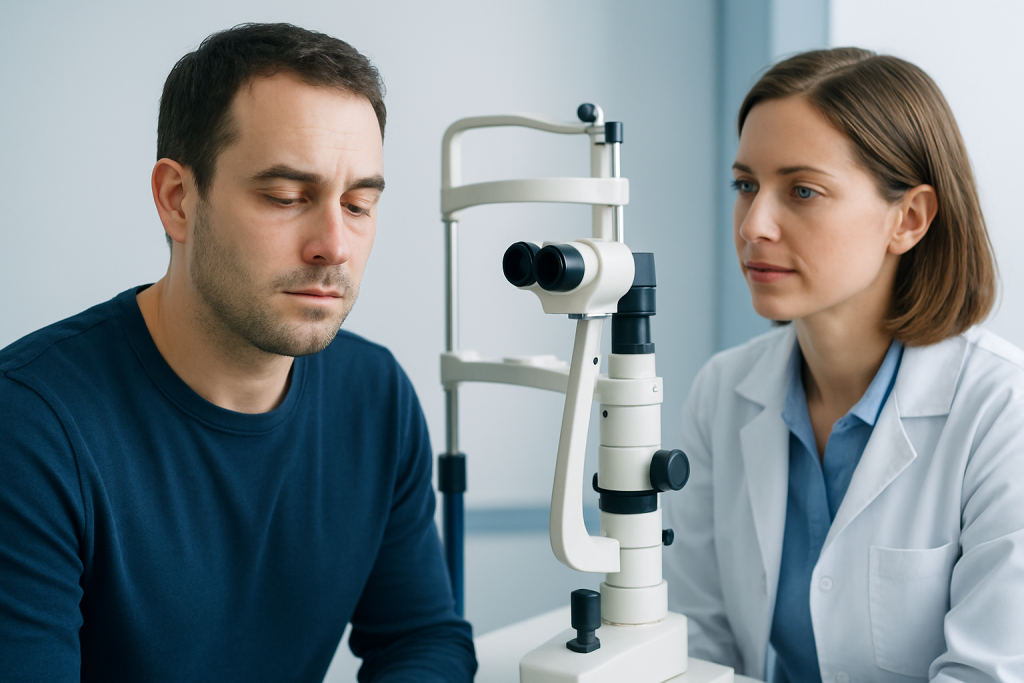
In many cases, a stye is diagnosed by looking at the eyelid and asking about the symptoms. The appearance is usually distinctive enough that tests are not needed. An eye care professional will often check whether the lump is centered on the lash line, whether there is swelling inside the lid, and whether the eye itself is irritated.
Sometimes the diagnosis is less straightforward. A lump that is hard, painless, slow-growing, or repeatedly returns in the same place may not be a simple stye. It may instead be a chalazion, which is a blocked oil gland, or another eyelid condition that deserves a closer look.
For international patients, diagnosis is often quick and practical: a focused eye exam, discussion of symptoms, and guidance on whether home care is enough or whether a procedure is needed. If there are any concerns about recurrent swelling, vision changes, or spreading redness, a specialist evaluation is the safest next step.
Treatment Options
Most styes improve without complicated treatment. Warm compresses are usually the first and most helpful measure. A clean, comfortably warm cloth can be held gently against the closed eyelid for several minutes at a time, repeated a few times a day, to support natural drainage.
Good eyelid hygiene is also important. The eyelid margin can be cleaned gently, makeup should be paused until the area settles, and contact lenses are best avoided if they seem to irritate the eye. It is important not to squeeze, prick, or attempt to pop the stye, because that can worsen inflammation or spread bacteria.
When symptoms are more persistent or troublesome, a doctor may recommend an antibiotic ointment or other treatment if there is evidence of a broader infection. In select cases, an ophthalmologist may need to drain the stye in a short in-office procedure, especially if it is large, very painful, or not improving as expected.
People who develop styes repeatedly may need treatment for an underlying eyelid condition such as blepharitis or meibomian gland dysfunction. Managing the root cause often helps reduce future episodes more effectively than treating each lump on its own.
Prevention & Self-care
Simple daily habits can make a real difference, especially for those who have had styes before. Regular handwashing, gentle removal of eye makeup, and avoiding shared cosmetics help lower the chance of bacterial contamination around the eyelids.
For people with recurring eyelid irritation, cleaning the eyelid margins as advised by a doctor may be useful. This should be done gently, without scrubbing the eye surface. Replacing old eye makeup and contact lens products on schedule can also reduce the risk of repeated irritation.
Helpful self-care measures include:
- using warm compresses at the first sign of tenderness
- keeping the eyelids clean and dry after washing
- discarding eye makeup that may be contaminated
- avoiding rubbing the eyes, especially with dirty hands
- pausing contact lenses if the eyelid is inflamed
For people traveling across borders for care, it is sensible to pack any regular eye hygiene products recommended by a clinician and to keep notes about past episodes. That history can help an eye specialist decide whether the issue is a simple stye or part of a broader eyelid condition.
When to See a Doctor
Medical evaluation is a good idea if the stye is not improving after a few days of home care, if the swelling is becoming more uncomfortable, or if the redness is spreading beyond the eyelid. An eye specialist can check whether the lump is still a stye or whether another condition is present.
Prompt assessment is especially important if vision becomes blurred and does not clear, if the eye itself is red, if there is fever, or if the person has significant facial swelling. Those features may suggest a more serious infection that needs treatment rather than watchful waiting.
It is also wise to seek advice if styes keep returning, if there is a hard lump that does not go away, or if the person has diabetes, reduced immunity, or another health issue that could complicate healing. Acibadem Health Point’s multidisciplinary specialists and JCI-accredited hospitals can diagnose and treat this condition for international patients, when a more specialized eye evaluation is needed.
Recovery and Follow-up
Most styes start to settle gradually once the blocked gland opens and the inflammation eases. The eyelid may remain slightly tender or puffy for a short while, but the overall direction should be improvement rather than worsening.
If a procedure is needed, recovery is usually straightforward, with instructions focused on keeping the eye clean and watching for signs of irritation. Follow-up may be recommended if the stye was deep, recurrent, or linked to an ongoing eyelid condition. In those cases, the main goal is not just healing the current bump, but reducing the chance of another one.
For people arranging care from another country, follow-up planning matters. Before traveling, it helps to ask how to continue eyelid hygiene at home, what changes should prompt a recheck, and whether any ongoing treatment is needed after the trip.
Frequently asked questions
Is a stye on eyelid contagious?
A stye itself is not usually considered highly contagious, but the bacteria involved can spread through touch or shared items. Good hand hygiene and not sharing towels, eye makeup, or contact lens products are sensible precautions.
How long does a stye usually last?
Many styes begin to improve within several days and settle over one to two weeks with warm compresses and gentle care. If it is not improving or is getting worse, a doctor should examine it.
Can a stye be popped like a pimple?
No, it should not be squeezed or popped. That can push infection deeper, increase swelling, and delay healing.
What is the difference between a stye and a chalazion?
A stye is usually painful and linked to infection, while a chalazion is often firmer and less tender, caused by a blocked oil gland. A clinician can tell the difference by examining the eyelid.
When are antibiotics needed for a stye?
Antibiotics are not needed for every stye, because many improve with home care alone. A doctor may consider them if there is a broader eyelid infection or if the clinical picture suggests they could help.
Why do styes keep coming back?
Repeated styes may be related to blepharitis, rosacea, poor eyelid hygiene, or blocked oil glands. A doctor can look for an underlying cause and suggest a prevention plan.
References
- American Academy of Ophthalmology
- National Eye Institute
- Mayo Clinic
- NHS
This article is for general information only and is not a substitute for professional medical advice. Please consult a qualified doctor about your individual situation.
Hair transplant in Turkey — costs, graft counts & a free assessment
JCI-accredited · board-certified surgeons · reply within 24h
Add us as a Preferred Source to see more of our trusted health content across Google Search, AI Overviews and Discover.