Surgical Technologist: Duties, Training and Career Path

Key Takeaways
- Surgical technologists support surgeons, nurses, and anesthesiology teams by preparing the operating room and maintaining sterile conditions.
- They help organize instruments, anticipate the needs of the procedure, and contribute to patient safety throughout surgery.
- Their work is essential in many types of operations, from minor procedures to complex surgeries.
- Patients usually meet the broader surgical team more than the technologist, but the technologist plays an important behind-the-scenes role.
- Good preoperative instructions, clear communication, and follow-up care help support a smoother surgical journey.
A surgical technologist is a trained member of the operating room team who helps prepare the surgical environment, instruments, and supplies so procedures can proceed safely and efficiently. For patients, understanding this role can make the surgical experience feel more familiar and less intimidating.
Overview
A surgical technologist is part of the operating room team and works in close coordination with surgeons, nurses, and anesthesiology professionals. Their main responsibility is to help the procedure run in an organized, sterile, and efficient way. While patients may not always see every task they perform, their role is central to the rhythm of surgery.
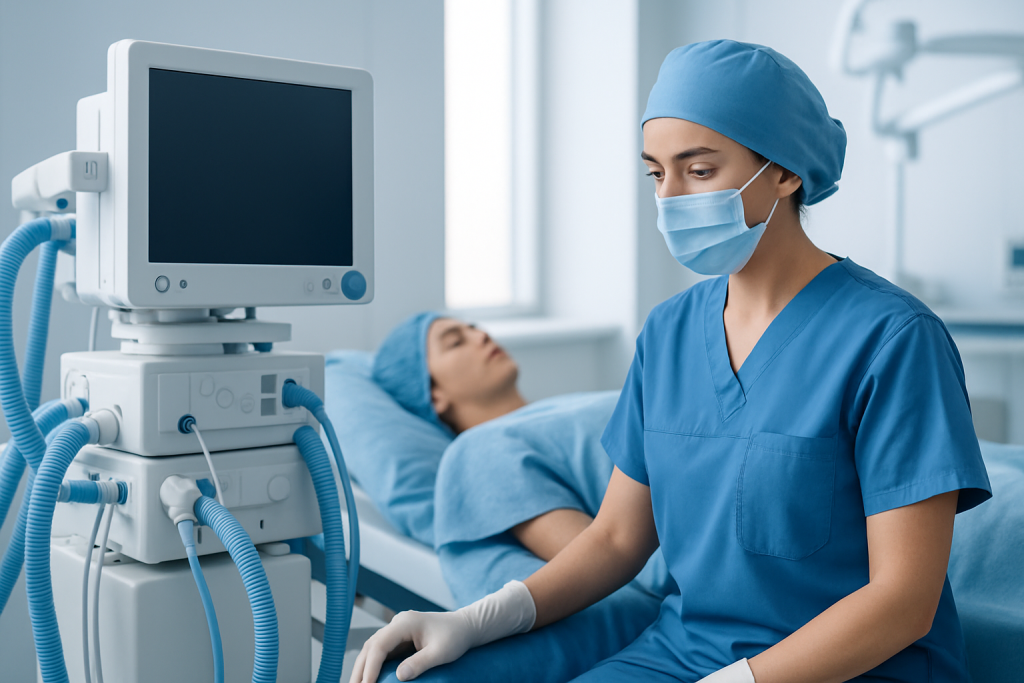
Before an operation begins, a surgical technologist helps prepare the room, check instruments, open sterile supplies, and arrange the equipment needed for the procedure. During surgery, they may pass instruments, manage supplies, and help maintain a clean surgical field. This combination of preparation and attentiveness supports both safety and workflow.
For international patients, understanding the operating room team can reduce uncertainty when surgery is planned abroad. A well-coordinated surgical technologist helps the team adapt to the needs of each procedure, whether the surgery is elective, urgent, or part of a broader treatment plan that requires travel and follow-up care in another country.
Symptoms
A surgical technologist is not a condition with symptoms, but patients often want to know what signs may lead them to surgery and bring them into contact with the operating room team. These symptoms depend on the underlying health problem, such as persistent pain, limited movement, bleeding, digestive concerns, or a lump that needs evaluation.
In many cases, surgery is recommended after imaging, laboratory testing, or specialist assessment confirms that a procedure may help relieve symptoms or prevent complications. The surgical technologist then becomes part of the care pathway at the stage when the patient is preparing for the operation itself.
It can also be helpful to recognize the emotional symptoms that often appear before surgery, including anxiety, uncertainty, and concern about recovery. These feelings are common, and the surgical team can usually explain what to expect so the patient feels better informed and more prepared.
Causes & Risk Factors

Because this topic refers to a healthcare role rather than a disease, the “causes” of involvement are the medical or surgical situations that make the role necessary. Surgical technologists are present whenever a patient needs an operation that benefits from a carefully organized sterile environment and close teamwork.
Risk factors that may lead to surgery vary widely and depend on the diagnosis. They can include injury, infection, chronic disease, inherited conditions, tumors, structural problems, or wear-and-tear conditions that have not improved with non-surgical treatment. In each case, the surgical technologist supports the procedure once the care plan reaches the operating room.
Hospitals with international patient services often prepare for a wide range of surgical needs. That preparation may include coordination across departments, language support, and structured discharge planning so that the patient can return home with clear instructions and follow-up arrangements.
Diagnosis
There is no diagnosis for a surgical technologist role itself. Instead, diagnosis in this context refers to how doctors determine whether a patient needs surgery and what kind of operation is most appropriate. This process usually starts with a medical history, physical examination, and targeted tests based on the symptoms.
Common diagnostic tools may include blood tests, imaging studies, endoscopy, or consultation with a specialist. Once the diagnosis is established, the surgeon and team decide how to proceed, and the surgical technologist helps prepare the necessary equipment and sterile setup for that specific procedure.
For patients traveling for care, diagnosis may be completed before arrival, repeated on site for confirmation, or expanded with additional specialist input. Clear documentation and preoperative communication are especially valuable when care is coordinated across countries and multiple providers.
Treatment Options
Since a surgical technologist is a team member rather than a treatment, the “treatment options” here refer to the kinds of surgeries they help support. These may include outpatient procedures, minimally invasive operations, orthopedic surgery, general surgery, gynecologic procedures, ENT procedures, eye surgery, or more complex inpatient operations. Their work adapts to the setting and the requirements of the procedure.
In the operating room, the technologist helps keep instruments ready, supports sterile technique, and responds quickly to the surgeon’s needs. This may involve organizing instrument trays, handling supplies, and assisting with the flow of the procedure so the team can stay focused on the patient’s care. Their role is practical, precise, and highly collaborative.
After surgery, the technologist’s responsibilities may end when the patient is transferred to recovery, but the patient’s treatment continues with postoperative monitoring, medication guidance, wound care, rehabilitation, or follow-up visits. For patients who have traveled internationally, the care plan should include instructions for healing at home, signs that require attention, and a clear point of contact if questions arise after returning to their own country.
Prevention & Self-care
Patients cannot control every factor that leads to surgery, but they can take steps that support a safer operation and smoother recovery. Following preoperative instructions carefully is one of the most important actions. This may include guidance about eating and drinking before surgery, medication adjustments, showering, and what to bring to the hospital.
Good self-care also means being open about medical history, allergies, previous reactions to anesthesia, and all medicines or supplements being used. Honest communication helps the team prepare appropriately and reduces avoidable confusion on the day of surgery. If travel is involved, it is wise to carry medical records, imaging reports, and a translated medication list when needed.
- Ask the surgical team to explain the procedure in simple terms.
- Confirm where to go, when to arrive, and what personal items are allowed.
- Arrange transportation and support for the first days after surgery.
- Follow wound care and activity instructions exactly as provided.
- Stay alert to changes such as fever, unexpected swelling, heavy bleeding, or worsening pain and report them promptly.
Recovery can be easier when patients plan ahead for rest, nutrition, hydration, and practical help at home. International patients may also benefit from scheduling a follow-up plan before departure, so the transition back home feels organized rather than rushed.
When to See a Doctor
A doctor should be consulted when symptoms suggest a condition that may need surgical evaluation, especially if pain is persistent, function is reduced, bleeding is unexplained, or a mass, injury, or infection is not improving. Early assessment can clarify whether surgery is necessary or whether another treatment may be better first.
After surgery, medical advice should be sought if there are concerning changes such as increasing redness, drainage, fever, shortness of breath, severe pain, or difficulty keeping fluids down. These issues do not always mean a serious problem, but they do deserve prompt evaluation so the recovery plan can be adjusted if needed.
For patients planning Varicose Vein Treatment Abroad: When Stockings Are Enough and When Procedures Help More" class="ahp-ilk">treatment abroad, it is best to ask about the full pathway before traveling: preoperative testing, the role of each team member, the hospital stay, expected recovery time, and the plan for remote follow-up once home. Acibadem Health Point’s multidisciplinary specialists and JCI-accredited hospitals can help diagnose and treat surgical conditions for international patients in a coordinated setting.
Frequently Asked Questions
What does a surgical technologist do during an operation?
A surgical technologist helps prepare the operating room, arrange sterile instruments, and support the surgeon during the procedure. Their work is focused on keeping the environment organized and ready so the team can concentrate on patient care.
Is a surgical technologist the same as a surgeon’s assistant?
No. The roles can overlap in the operating room, but a surgical technologist is primarily responsible for sterile setup, instrumentation, and operating room support. A surgeon’s assistant may have different clinical duties depending on the procedure and setting.
Will patients usually meet the surgical technologist before surgery?
Sometimes, but not always. Patients more often meet the surgeon, anesthesiology clinician, and nursing staff, while the technologist works behind the scenes or during the operation itself.
Why is sterile technique so important?
Sterile technique helps lower the chance of infection and supports safer surgery. The surgical technologist plays an important role in maintaining that environment by handling instruments and supplies in a controlled way.
How can patients prepare for the operating room experience?
The best preparation is to follow all instructions, ask questions early, and share complete medical information. A clear plan for transportation, recovery, and follow-up can make the process much easier, especially for patients traveling internationally.
What happens after the technologist’s role ends?
Once the patient is transferred to recovery, the technologist’s immediate duties usually end and postoperative care takes over. Recovery staff, nurses, and doctors continue monitoring the patient and guiding the next steps.
Frequently asked questions
What does a surgical technologist do during an operation?
A surgical technologist helps prepare the operating room, arrange sterile instruments, and support the surgeon during the procedure. Their work is focused on keeping the environment organized and ready so the team can concentrate on patient care.
Is a surgical technologist the same as a surgeon’s assistant?
No. The roles can overlap in the operating room, but a surgical technologist is primarily responsible for sterile setup, instrumentation, and operating room support. A surgeon’s assistant may have different clinical duties depending on the procedure and setting.
Will patients usually meet the surgical technologist before surgery?
Sometimes, but not always. Patients more often meet the surgeon, anesthesiology clinician, and nursing staff, while the technologist works behind the scenes or during the operation itself.
Why is sterile technique so important?
Sterile technique helps lower the chance of infection and supports safer surgery. The surgical technologist plays an important role in maintaining that environment by handling instruments and supplies in a controlled way.
How can patients prepare for the operating room experience?
The best preparation is to follow all instructions, ask questions early, and share complete medical information. A clear plan for transportation, recovery, and follow-up can make the process much easier, especially for patients traveling internationally.
What happens after the technologist’s role ends?
Once the patient is transferred to recovery, the technologist’s immediate duties usually end and postoperative care takes over. Recovery staff, nurses, and doctors continue monitoring the patient and guiding the next steps.
References
- Association of Surgical Technologists
- U.S. Bureau of Labor Statistics
- American College of Surgeons
- World Health Organization
This article is for general information only and is not a substitute for professional medical advice. Please consult a qualified doctor about your individual situation.
Explore treatments in Turkey — costs, top hospitals & a free quote
JCI-accredited · board-certified surgeons · reply within 24h
Add us as a Preferred Source to see more of our trusted health content across Google Search, AI Overviews and Discover.