Hourglass Syndrome

Key Takeaways
- Hourglass syndrome describes a narrowed, split-like stomach shape that can interfere with normal digestion.
- Symptoms may include abdominal pain, fullness, nausea, vomiting, and difficulty eating comfortably.
- Causes can include scarring from ulcers, inflammation, prior surgery, or other stomach conditions.
- Diagnosis usually relies on medical history, imaging, and endoscopic evaluation.
- Treatment depends on the cause and may include medication, endoscopic care, or surgery.
- Persistent digestive symptoms deserve assessment by a qualified doctor, especially if eating becomes difficult.
Hourglass syndrome is a condition in which the stomach takes on a narrowed, divided shape, often because of scarring, inflammation, or other structural changes. It can affect digestion in different ways, so understanding the symptoms and getting a proper medical evaluation is important.
Overview
Hourglass syndrome is a descriptive term used when the stomach becomes narrowed in the middle, creating a shape that resembles an hourglass. This change is not a disease by itself; rather, it is a structural pattern that usually reflects an underlying stomach problem such as scarring, inflammation, or adhesions.
Because the stomach is designed to store food, mix it, and release it gradually into the small intestine, any narrowing can disrupt comfortable eating and normal digestion. Some people notice only mild discomfort at first, while others develop more persistent symptoms that interfere with meals, travel, or daily routines.
For international patients, this condition can feel especially disruptive because symptoms may begin during a trip, after a change in diet, or following treatment for another stomach issue. A careful evaluation helps doctors determine whether the stomach shape is causing the symptoms, or whether another digestive problem is present at the same time.
Symptoms
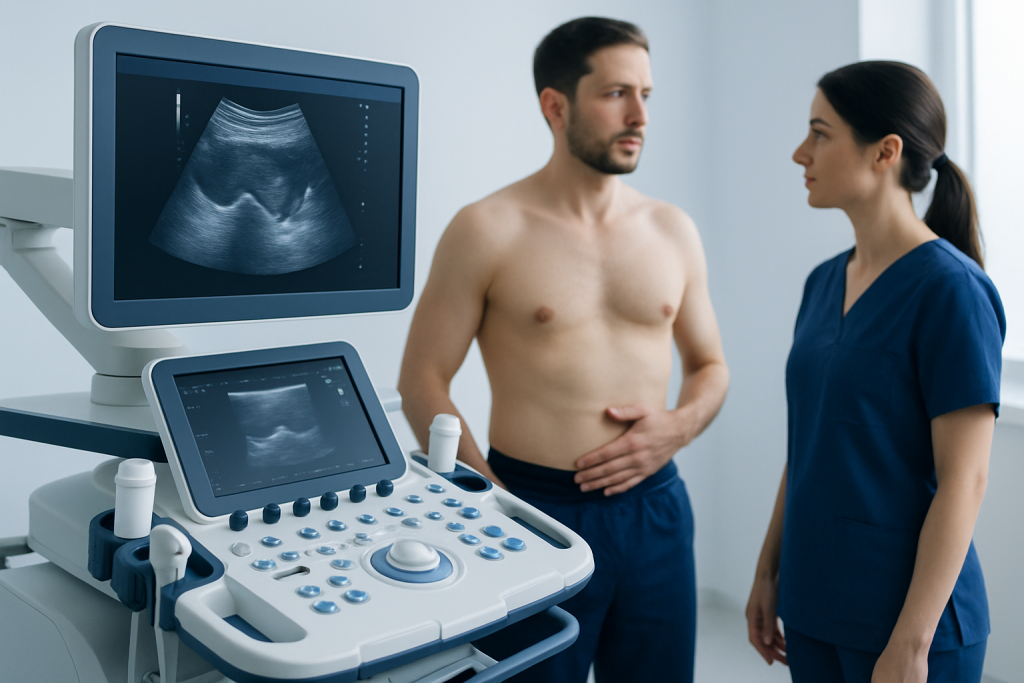
The most common symptoms are related to slowed or restricted stomach emptying. People may describe upper abdominal pain, a sense of pressure after small meals, bloating, nausea, or vomiting. Some feel full very quickly, even when they have eaten only a little.
Symptoms can vary depending on how tight the narrowing is and what caused it. In some cases, discomfort comes and goes. In others, symptoms become more noticeable after eating solid food, larger meals, or foods that are harder to digest.
- Upper abdominal discomfort or cramping
- Early fullness during meals
- Nausea or vomiting
- Bloating or visible abdominal distension
- Poor appetite or difficulty finishing meals
- Unintentional weight loss if eating becomes limited
These symptoms are not unique to hourglass syndrome, which is why self-diagnosis is not reliable. A doctor must rule out other conditions that can look similar, including ulcers, gastric outlet obstruction, gallbladder disease, and motility disorders.
Causes & Risk Factors

Hourglass syndrome usually develops because something has altered the stomach wall or the tissues around it. One common cause is scarring from a long-standing or severe peptic ulcer, where healing leaves behind fibrous tissue that pulls the stomach inward. Inflammation from chronic gastritis or certain infections may also contribute.
Previous surgery in the upper abdomen can sometimes lead to adhesions, which are bands of scar tissue that affect the stomach’s shape or movement. Less commonly, structural changes may be related to tumors, congenital differences, or other conditions that change the contour of the stomach.
Risk is not determined by lifestyle alone, but some factors can make stomach problems more likely to appear or persist:
- A history of peptic ulcer disease
- Previous abdominal or stomach surgery
- Chronic stomach inflammation
- Smoking or frequent use of stomach-irritating medicines, in some cases
- Delayed evaluation of recurring upper abdominal symptoms
Because the underlying cause matters more than the shape itself, doctors focus on identifying what changed the stomach and whether the digestive passage is still functioning adequately.
Diagnosis
Diagnosis starts with a detailed conversation about symptoms, timing, past ulcers, prior surgery, medications, and eating patterns. This history often gives the first clues about whether the stomach is narrowing from scarring or whether another digestive issue is responsible.
Doctors may then use imaging or endoscopic tests to look directly at the stomach. An upper endoscopy can show the inner lining and help identify ulcers, inflammation, narrowing, or other abnormalities. A contrast study or other imaging test may show the stomach’s shape and how food or liquid moves through it.
Depending on the findings, additional tests may be needed to clarify the cause or assess nutritional status. In patients traveling for care, the evaluation plan is often coordinated so that the key tests are completed efficiently and the results are reviewed in a focused follow-up visit before return travel.
Treatment Options
Treatment depends on the cause, the severity of symptoms, and how much the stomach’s function has been affected. When an active ulcer or inflammation is present, medication may be used first to reduce irritation and support healing. If the narrowing is mild and symptoms are manageable, doctors may recommend close observation and dietary adjustments.
When scarring or structural narrowing is more significant, endoscopic treatment or surgery may be considered. Endoscopic procedures can sometimes help manage selected narrowing problems, while surgery may be needed when the stomach must be reshaped, released from adhesions, or bypassed to restore more normal passage of food.
Possible treatment approaches include:
- Medicine for acid suppression or inflammation control
- Treatment of underlying ulcer disease or infection, when present
- Dietary modification to reduce symptom triggers
- Endoscopic intervention in selected cases
- Surgical correction when anatomy is significantly altered
The exact plan should be individualized. A gastroenterologist and, when needed, a surgeon will weigh the benefits of conservative care against the likelihood that a structural problem will continue to cause symptoms.
Prevention & Self-care
Not every case of hourglass syndrome can be prevented, especially when scarring has already formed or when the change is related to prior surgery. Still, protecting the stomach and treating recurring digestive symptoms early can reduce the chance of complications and may limit progression in some situations.
People with a history of ulcers or chronic stomach irritation are often advised to follow medical instructions carefully, avoid self-medicating with irritating products, and attend follow-up appointments even when symptoms improve. Eating smaller, more frequent meals may also make day-to-day digestion easier if the stomach is sensitive or slow to empty.
General self-care may include:
- Following the treatment plan for ulcers or gastritis exactly as prescribed by a doctor
- Avoiding known stomach irritants if advised to do so
- Eating slowly and choosing smaller meals when fullness is a problem
- Staying hydrated, especially if nausea limits intake
- Seeking review if symptoms return after a period of improvement
For patients who are traveling for treatment, keeping a written summary of prior scans, endoscopy reports, and medication history can make follow-up smoother and help the next treating team understand the full story quickly.
When to See a Doctor
Medical evaluation is appropriate when upper abdominal symptoms keep returning, interfere with eating, or do not improve with simple changes. Hourglass syndrome is not something to confirm at home, and persistent nausea, vomiting, or early fullness should be assessed rather than watched indefinitely.
Prompt medical attention is especially important if symptoms are causing dehydration, inability to keep food down, or ongoing weight loss. These signs do not automatically mean an emergency, but they do suggest that the stomach may not be emptying or functioning normally and that treatment should not be delayed.
Patients returning home after overseas care should arrange follow-up if symptoms change, if they were advised to continue treatment, or if they are unsure how to interpret a report that mentions stomach narrowing or deformity. Acibadem Health Point’s multidisciplinary specialists and JCI-accredited hospitals diagnose and treat this condition for international patients, with care plans that can be coordinated across testing, treatment, and follow-up.
Living With the Condition
Living with hourglass syndrome is often easier once the underlying cause has been identified and a clear plan is in place. Some people improve with medication and monitoring, while others feel better after a procedure that restores more normal stomach shape or passage. The right approach depends on how the stomach is behaving, not just how it looks on a scan.
It can help to think of this condition as a structural clue that leads doctors to a deeper answer. When the cause is treated, symptoms often become easier to manage, and eating becomes more predictable again. Follow-up matters because the stomach and surrounding tissues can change over time, especially after ulcers, inflammation, or surgery.
Patients who are navigating care from another country should ask for a concise record of the diagnosis, test results, and next-step instructions. That makes it easier for their local doctor to continue care safely and without repeating unnecessary tests.
Frequently asked questions
Is hourglass syndrome a disease on its own?
It is usually a descriptive finding rather than a stand-alone disease. It means the stomach has narrowed into an hourglass-like shape, and doctors then look for the underlying cause.
What symptoms are most common?
People often report upper abdominal pain, early fullness, bloating, nausea, or vomiting. Some also notice reduced appetite or weight loss if eating becomes difficult.
Can hourglass syndrome be treated without surgery?
Sometimes, yes. If the cause is inflammation or an ulcer, medication and careful monitoring may help, but significant scarring or narrowing may need a procedure or surgery.
How do doctors confirm the diagnosis?
They usually combine symptom history with endoscopy and imaging studies. These tests help show both the stomach’s shape and the reason for the narrowing.
Is it dangerous?
It can become troublesome if it prevents normal eating, causes vomiting, or leads to dehydration or weight loss. The level of concern depends on the cause and how much the stomach’s function is affected.
What should someone do if symptoms start while traveling?
They should seek medical assessment rather than trying to guess the cause. Bringing any previous records, scan reports, and medication lists can help the next doctor make decisions quickly and safely.
References
- World Health Organization
- Mayo Clinic
- Cleveland Clinic
- National Institute of Diabetes and Digestive and Kidney Diseases
- American College of Gastroenterology
This article is for general information only and is not a substitute for professional medical advice. Please consult a qualified doctor about your individual situation.