Urostomy

Key Takeaways
- A urostomy reroutes urine through a stoma on the abdomen when the bladder is removed or no longer functional.
- Most people need time, teaching, and practical support to learn skin and pouch care.
- Leakage, skin irritation, and infection are manageable when addressed early.
- Diet, hydration, and planning for travel can make daily life more comfortable.
- Follow-up with a urology team and stoma nurse helps protect kidney health and quality of life.
A urostomy is a type of urinary diversion that allows urine to leave the body through a small opening in the abdomen when the bladder can no longer do its job safely. With clear guidance, good appliance fitting, and regular follow-up, many people adapt well and continue everyday life, including travel and work.
Overview
A urostomy is a surgical opening, called a stoma, created on the abdominal wall so urine can leave the body after the bladder is removed or bypassed. Instead of collecting in the bladder, urine flows from the kidneys through the ureters and exits through the stoma into a specially designed pouch worn on the skin.
This procedure is also called a urinary diversion. It is most often recommended when bladder cancer, severe bladder disease, nerve-related bladder problems, or injury make normal urination unsafe or impossible. Although the idea can feel unfamiliar at first, a urostomy is meant to create a reliable way to drain urine and protect the kidneys.
For many people, learning to live with a urostomy is a step-by-step process rather than a sudden adjustment. The equipment, routine, and follow-up care become easier with teaching from a urology team and a stoma nurse. For international patients, that support is especially valuable because it helps build confidence before returning home and continuing care across borders.
Symptoms and What Life With a Urostomy Feels Like
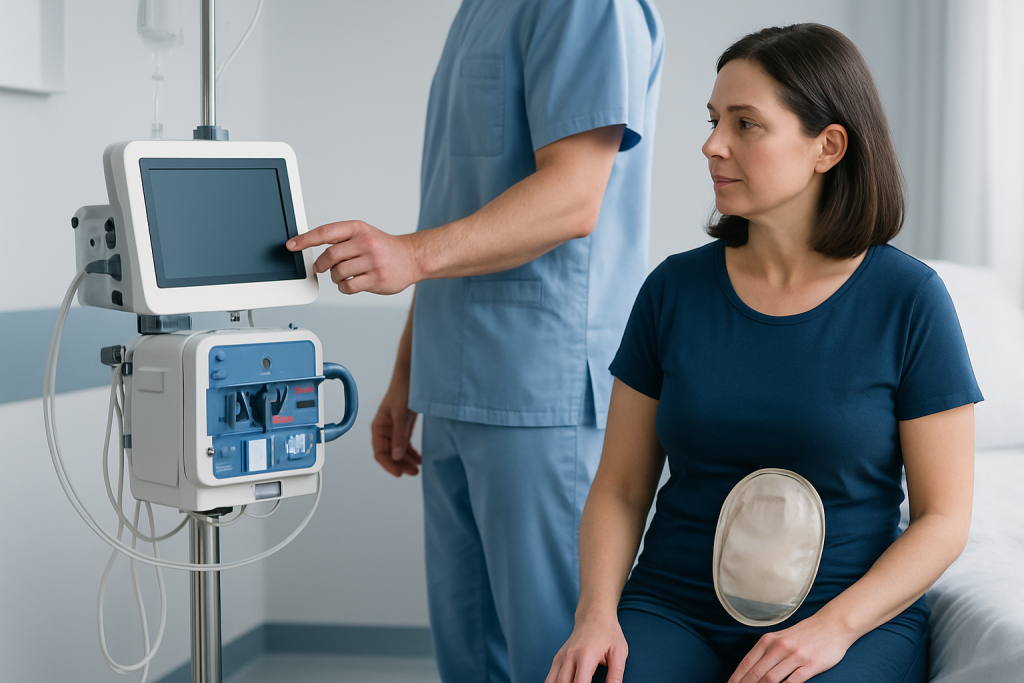
A urostomy itself does not cause the original disease symptoms; those usually come from the condition that led to surgery. After the operation, the main changes are related to how urine is collected and how the stoma and surrounding skin feel during healing.
In the early weeks, it is normal to notice swelling around the stoma, mild discomfort, and small changes in the amount of urine seen in the pouch. The stoma should usually appear moist and pink to red, similar to the inside of the mouth. The pouch may need emptying several times a day, depending on fluid intake and urine production.
Practical concerns are often the most noticeable: fitting clothing over the pouch, learning how to prevent leaks, and caring for skin that may become irritated if urine touches it. Emotional reactions are also common. People may feel self-conscious at first, but many find that the pouch becomes part of a manageable routine rather than a constant limitation.
Causes & Risk Factors

A urostomy is not a disease itself; it is a surgical solution for conditions that prevent normal urine storage or passage. The most common reason is bladder cancer, where removing the bladder may be part of treatment. Other reasons can include severe bladder damage, congenital urinary tract problems, chronic inflammation, or neurologic disease affecting bladder emptying.
Some people are better candidates for a urostomy than for other forms of urinary diversion because of their overall health, kidney function, anatomy, or cancer treatment plan. Prior abdominal surgery, smoking history, diabetes, and reduced mobility may influence wound healing and appliance management, though they do not automatically prevent surgery.
Choice of diversion depends on more than the diagnosis alone. Surgeons consider how urine will drain, how kidney function can be preserved, whether the person can manage a pouch, and what long-term follow-up will be needed. This individualized planning is one reason a detailed preoperative consultation matters so much.
Diagnosis and Preoperative Planning
Before a urostomy is created, the care team usually reviews imaging, lab tests, kidney function, and the underlying condition that makes diversion necessary. If cancer is involved, staging and treatment planning may shape the operation. If the problem is noncancerous, the evaluation may focus more on anatomy, bladder function, and whether surgery is likely to improve quality of life.
Preoperative planning often includes a meeting with a stoma nurse or wound, ostomy, and continence specialist. This visit is useful for marking the best stoma site on the abdomen, discussing pouch options, and teaching basic expectations about postoperative care. A well-chosen stoma site can make a major difference in comfort, sealing, and confidence with daily movement.
Patients traveling from another country should also plan for the practical side of recovery. That can include arranging the first follow-up visit, understanding how to obtain supplies after discharge, and learning which symptoms need urgent attention. Clear instructions before the trip home can prevent avoidable stress later.
Treatment Options
The term treatment in a urostomy article usually means the surgical method used to create the diversion and the ongoing care needed afterward. The most common form is an ileal conduit, in which a short segment of small intestine is used to channel urine to the stoma. Other urinary diversion methods exist, but the choice depends on the person’s condition and surgical goals.
After surgery, care focuses on healing, pouch fitting, and protecting the skin. The pouch is attached to adhesive skin barriers designed to collect urine continuously. Patients are taught how to empty the pouch, when to change the appliance, and how to inspect the stoma and surrounding skin for problems.
Follow-up treatment may include medication for pain or nausea during recovery, hydration guidance, and monitoring for infection or kidney issues. Some people also need help adjusting diet or managing mucus in the urine, which can occur when bowel tissue is used in the diversion. Over time, the routine usually becomes more predictable and less time-consuming.
- Keep the pouch system sealed to reduce leakage and skin exposure.
- Change the appliance on the schedule recommended by the care team.
- Use only products approved for ostomy skin care.
- Attend scheduled follow-up visits to check kidney function and stoma health.
Prevention & Self-care
A urostomy cannot be “prevented” once it is medically necessary, but many of its complications can be reduced with consistent self-care. Good skin protection is one of the most important habits. The adhesive opening should fit closely around the stoma so urine does not sit on the skin and cause irritation.
Hydration also matters. Drinking enough fluid helps keep urine flowing and may lower the chance of blockage or concentrated urine. At the same time, people may need to learn how certain foods, medicines, or supplements affect urine odor, mucus, or appliance wear, which is best discussed with the care team rather than guessed at home.
Daily life often improves when practical routines are established early. A small travel kit with spare pouches, skin barriers, wipes recommended by the team, and a disposal plan can make outings and flights less stressful. Gentle movement, a gradual return to activity, and attention to the abdomen during lifting or exercise can also support recovery.
Self-care is not only technical. It also includes giving emotional adjustment room to happen. Some people benefit from speaking with a stoma nurse, support group, counselor, or another person living with a urostomy. Learning from others can make the first months feel more navigable.
When to See a Doctor
Medical follow-up is important after any urostomy, even when things seem to be going well. New leakage, repeated pouch failures, or skin that stays red, sore, or broken should be reported. These issues are often fixable, especially if the appliance fit needs adjustment.
Prompt medical advice is also needed if the stoma changes color, becomes very swollen, stops producing urine, or if urine output drops significantly. Fever, chills, flank pain, cloudy urine, foul-smelling urine, or burning discomfort may point to infection or blockage and should not be ignored.
People should seek evaluation if they develop vomiting, severe abdominal pain, a bulge around the stoma, or signs of dehydration. Because urostomy patients rely on their kidneys and urinary drainage, even subtle changes can matter. Regular follow-up gives the care team a chance to catch problems early and protect long-term health.
For international patients who need surgery or follow-up away from home, coordinated care can make a real difference. At Acibadem Health Point, multidisciplinary specialists and JCI-accredited hospitals diagnose and treat urostomy-related conditions for international patients, with planning that supports both treatment and the return home.
Living Well Long Term
Many people are surprised by how much becomes routine after the early learning period. Clothing can often be adapted without much difficulty, bathing remains possible, and social life usually resumes with only a few practical changes. The key is not perfection, but a reliable system that fits the person’s body and lifestyle.
Long-term success depends on partnership with the healthcare team. Stoma size and shape can change after surgery, so older supplies may stop fitting well. Periodic reassessment helps prevent leaks and skin problems, and kidney monitoring remains important because the urinary system is now relying on a different pathway.
A urostomy may change how someone manages the day, but it does not define the whole day. With education, the right supplies, and reachable medical support, many people regain confidence in travel, work, family life, and exercise.
Frequently asked questions
What is the difference between a urostomy and a colostomy?
A urostomy diverts urine through a stoma in the abdomen, while a colostomy diverts stool from the colon. They use different types of pouching systems and are created for different medical reasons. The care routines overlap in some ways, but the drainage and skin-care needs are not the same.
Will a urostomy pouch smell strong?
When the pouch system is fitted well and emptied regularly, odor is usually well controlled. Strong or unusual smell can sometimes suggest leakage, infection, or a pouch that needs changing. If that happens often, the care team should review the fit and routine.
Can someone bathe or swim with a urostomy?
Yes, many people bathe and swim after recovery, once the surgeon says it is safe. Water usually does not harm the stoma or pouch system, though some people prefer additional support or a fresh appliance afterward. The best approach depends on the type of pouch and the stage of healing.
How long does recovery after urostomy surgery take?
Recovery varies depending on the original illness, the type of surgery, and the person’s overall health. Early healing takes several weeks, but learning to manage the pouch and returning to normal routines can take longer. Follow-up visits help make that transition smoother.
Can a person travel after getting a urostomy?
Many people travel once they have healed and feel comfortable with their pouch routine. It helps to carry extra supplies, a written summary of the surgery, and contact details for the surgical team if questions come up. Planning ahead is especially useful for international travel or long flights.
Does a urostomy need lifelong care?
A urostomy usually requires ongoing attention, including pouch changes, skin checks, and periodic medical follow-up. That does not mean constant medical intervention, but it does mean the person should stay connected to a urology or stoma-care team. With time, most people develop a manageable routine.
References
- National Institute of Diabetes and Digestive and Kidney Diseases
- United Ostomy Associations of America
- American Urological Association
- European Association of Urology
- Cancer Research UK
This article is for general information only and is not a substitute for professional medical advice. Please consult a qualified doctor about your individual situation.