Left Side Pain And Lower Back

Key Takeaways
- Left side pain and lower back pain can have many causes, from a simple muscle strain to kidney or digestive conditions.
- The location, timing, and quality of the pain often help doctors narrow the cause.
- Persistent pain, fever, urinary changes, numbness, or weakness deserve medical assessment.
- Many cases improve with rest, posture changes, movement, and guided self-care, but not all pain should be treated the same way.
- A doctor may use an exam, urine tests, blood tests, or imaging to find the source when needed.
Left side pain and lower back discomfort can come from muscles, the spine, the kidneys, the digestive tract, or other nearby structures. Understanding the pattern of pain, along with any related symptoms, helps guide the right next step in care.
Overview
Left side pain and lower back discomfort are symptoms rather than a diagnosis. The pain may come from muscles, joints, nerves, the spine, kidneys, bowel, or, in some people, organs in the pelvis or abdomen. Because several body systems sit close together on the left side, the first clue is often not the intensity of the pain, but the pattern.
Some people notice a dull ache after lifting, twisting, or sitting too long. Others feel sharper pain that comes in waves, follows a meal, or is linked with urinary symptoms. That is why doctors usually ask where the pain starts, whether it moves, and what makes it better or worse.
For international patients deciding whether to travel for care, the main question is whether the symptom is stable or changing. Ongoing pain without red-flag signs may be assessed in a planned outpatient visit, while new severe pain, fever, weakness, or abdominal symptoms may need prompt attention before any travel plans are made.
Symptoms
Left side pain and lower back pain can feel different depending on the source. Muscle-related pain is often sore, tight, or stiff and may worsen with movement or when getting out of bed. Pain from the kidney or urinary tract may feel deeper, steadier, and sometimes spread toward the groin.
Other symptoms can help narrow the cause. Digestive problems may bring bloating, nausea, constipation, diarrhea, or pain that changes with meals or bowel movements. Nerve irritation in the spine may cause pain that shoots into the buttock or leg, sometimes with tingling or numbness.
- Muscle soreness or spasms
- Pain that worsens with bending, lifting, or twisting
- Fever or chills
- Painful urination, frequent urination, or blood in urine
- Abdominal bloating, cramping, nausea, or changes in bowel habits
- Numbness, weakness, or pain traveling down the leg
The symptom pattern matters because the same area can be affected by very different conditions. A careful description helps a clinician decide whether the issue is likely mechanical, inflammatory, urinary, digestive, or nerve-related.
Causes & Risk Factors

One of the most common explanations is a muscle or ligament strain. Long hours of sitting, sudden lifting, poor posture, repetitive work, or unaccustomed exercise can overload the back and flank muscles on the left side. In many cases, this type of pain improves gradually with movement modification and conservative care.
Spinal causes include disc problems, arthritis, joint irritation, and nerve compression. These can create pain that starts in the lower back and may be felt on one side, including the left. If the sciatic nerve or nearby nerves are involved, the pain may travel into the buttock or leg.
Other causes are not musculoskeletal at all. Kidney stones, kidney infection, urinary tract infection, constipation, diverticular disease, ovarian conditions, or other abdominal and pelvic issues can sometimes produce left-sided back pain. Risk rises with dehydration, a history of stones, recurrent urinary infections, heavy physical work, sedentary habits, older age, or prior back injury.
Doctors also pay attention to broader context: recent illness, pregnancy, unexplained weight loss, cancer history, fever, trauma, or pain that wakes a person from sleep. Those clues do not confirm a serious problem by themselves, but they help determine how quickly evaluation is needed.
Diagnosis
Diagnosis starts with a detailed history and physical examination. A clinician will usually ask when the pain began, whether it was sudden or gradual, what it feels like, and whether there are urinary, digestive, gynecologic, or nerve-related symptoms. Exam findings such as tenderness, muscle spasm, reduced movement, or pain with certain positions can point toward a mechanical cause.
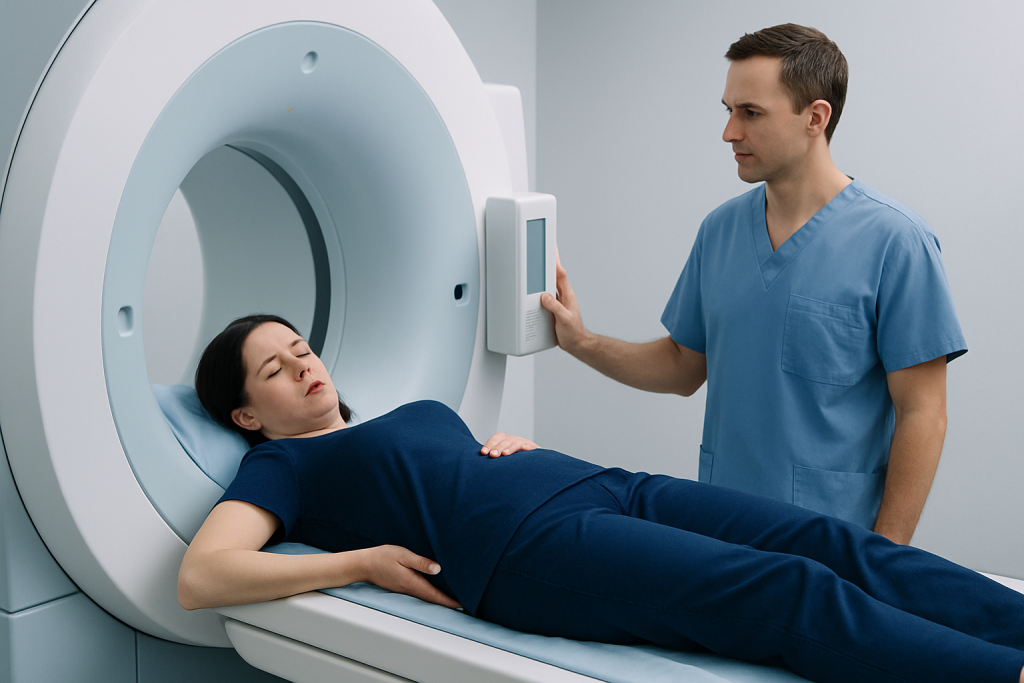
If the pain seems related to the urinary system, a urine test may be ordered to look for infection, blood, or crystals. Blood tests can help assess infection, inflammation, kidney function, or other concerns depending on the story. When the exam suggests a more complex issue, imaging such as ultrasound, X-ray, CT, or MRI may be used.
Not every person needs extensive testing. Many cases of uncomplicated back pain are first managed conservatively, especially when there are no warning signs. The goal is to match the workup to the symptom pattern, not to test everything at once.
Treatment Options
Treatment depends on the cause, and that is why self-treatment should stay cautious and general until the source is clearer. For a muscle strain or posture-related pain, clinicians often recommend rest from aggravating activities, gentle movement, heat or cold, and a gradual return to normal activity. Prolonged bed rest is usually not helpful for uncomplicated back pain.
If the pain is linked to an infection, kidney stone, digestive problem, or another internal condition, the treatment plan will be different. That may include antibiotics, hydration guidance, medications to ease symptoms, procedures for stones, or referral to a specialist. Nerve-related pain or significant disc disease may call for physical therapy, targeted medicines, injections, or, less often, surgery.
Patients traveling from abroad often benefit from a coordinated plan that includes diagnosis, treatment, and follow-up before returning home. When care is being arranged internationally, it helps to ask what records to bring, what recovery time to expect, and how future monitoring will be organized once the trip ends. Acibadem Health Point’s multidisciplinary specialists and JCI-accredited hospitals diagnose and treat this condition for international patients within a coordinated care pathway.
Prevention & Self-care
Many episodes of left-sided lower back pain can be reduced by protecting the spine and supporting overall hydration and movement. Good lifting technique, regular stretching, and frequent breaks from sitting may reduce muscle overload. Staying active at a comfortable level is often better than stopping all movement.
Simple self-care measures can also help while a person is arranging medical review. A pillow between the knees for side sleepers, a short walk each day, and avoiding sudden twisting may ease mechanical pain. Drinking enough fluids is sensible, especially if kidney stones or dehydration are possible concerns, although fluid advice should be individualized when a doctor has diagnosed a specific condition.
- Keep the back moving with gentle, regular activity
- Use ergonomic seating and avoid slouching for long periods
- Lift with the legs, not the waist
- Maintain hydration and a balanced diet
- Address constipation early with food, fluids, and medical advice when needed
- Follow any prescribed exercise or rehabilitation plan consistently
Self-care should support, not replace, diagnosis when symptoms are persistent or unusual. If the pain is new, recurring, or difficult to explain, a clinician can help separate a strain from a kidney, bowel, or spinal problem.
When to See a Doctor
Medical assessment is appropriate if the pain lasts more than a few days, keeps returning, or interferes with sleep, walking, work, or daily activities. A doctor should also be consulted if the pain is accompanied by urinary symptoms, digestive changes, or pain that spreads into the leg. Even when the cause turns out to be minor, confirming that can provide relief and prevent unnecessary worry.
Prompt evaluation is especially important if there is fever, chills, blood in the urine, severe nausea or vomiting, recent injury, new weakness or numbness, trouble controlling the bladder or bowel, or pain that is suddenly intense. These features can point to conditions that should not be watched at home for long.
People planning treatment from another country should seek assessment early enough to allow safe scheduling, imaging, and recovery planning. Clear records, prior scans, and a written symptom timeline can make the consultation more efficient and help the care team decide whether local follow-up or in-country follow-up is needed after travel.
Living With the Symptom While the Cause Is Being Clarified
Until the source is known, it helps to track what the pain does rather than trying to label it too quickly. A brief symptom diary can note the time of day, triggers, movement effects, urinary changes, bowel changes, and whether the pain stays local or spreads. This often gives the clinician a clearer picture than a single description in the clinic.
It is also reasonable to keep expectations practical. Some causes settle with conservative care, while others need targeted treatment. The aim is not to guess the answer at home, but to observe enough detail to make the medical evaluation more accurate and efficient.
With the right assessment, left side pain and lower back discomfort are often explainable and manageable. A structured approach helps ensure that the treatment matches the cause, whether the issue is muscular, spinal, urinary, or abdominal.
Frequently asked questions
Is left side pain and lower back pain usually serious?
Not always. Many cases come from muscle strain, posture, or a minor back problem and improve with conservative care. However, pain with fever, urinary symptoms, weakness, numbness, or severe sudden onset should be assessed by a doctor.
Can kidney problems cause pain on the left side and lower back?
Yes. Kidney stones or kidney infection can cause pain in the flank or lower back, sometimes on one side only. Urinary symptoms, fever, or nausea may give an important clue, but testing is often needed to confirm the cause.
How can someone tell if the pain is muscular or internal?
Muscle pain is often linked to movement, posture, lifting, or tenderness when pressing the area. Internal causes may be more likely when the pain is deep, constant, associated with fever or urinary changes, or not affected much by movement.
What tests might a doctor order?
Depending on the symptoms, the doctor may order a urine test, blood tests, or imaging such as ultrasound, X-ray, CT, or MRI. Not every person needs every test, and the choice depends on what the exam and history suggest.
Should a person rest completely when the pain starts?
Usually not for uncomplicated back pain. Gentle movement is often helpful, while activities that clearly worsen the pain should be reduced temporarily. A clinician can advise what level of activity is safe for the suspected cause.
When is traveling for treatment appropriate?
Travel is best planned after a medical assessment confirms that the condition is stable enough for it. If pain is severe, rapidly changing, or accompanied by warning signs, evaluation should happen promptly before any trip is arranged.
References
- National Institute of Neurological Disorders and Stroke
- Mayo Clinic
- Cleveland Clinic
- National Institute of Diabetes and Digestive and Kidney Diseases
- American Urological Association
This article is for general information only and is not a substitute for professional medical advice. Please consult a qualified doctor about your individual situation.