Plasmapheresis

Key Takeaways
- Plasmapheresis removes plasma while returning blood cells to the body with replacement fluid.
- It is commonly used for selected autoimmune, neurologic, kidney, and blood-related conditions.
- The procedure is usually done in a hospital or specialized center with monitoring throughout.
- Possible side effects include temporary low blood pressure, tingling, infection risk, and bleeding issues.
- Not everyone with a similar diagnosis needs plasmapheresis; the decision depends on the condition and overall health.
Plasmapheresis, also called plasma exchange, is a medical procedure that removes part of the blood plasma and replaces it with a substitute fluid. It is used for certain serious conditions, especially some autoimmune and neurologic diseases, and is performed under close medical supervision.
Overview
Plasmapheresis is a treatment that separates the liquid part of blood, called plasma, from the blood cells. The plasma is then discarded or treated, and the blood cells are returned to the body along with a replacement fluid such as albumin, saline, or donor plasma when appropriate.
In everyday language, it is often called plasma exchange. The goal is not to “clean” the blood in a general sense, but to remove substances that may be driving disease, such as harmful antibodies, immune complexes, or other proteins. That is why the procedure is reserved for specific medical situations rather than used as a routine therapy.
For international patients, plasmapheresis is usually part of a larger care plan that may involve neurologists, nephrologists, hematologists, or intensive care teams. The treatment is often arranged after detailed testing confirms that removing plasma is likely to help and that the patient is stable enough for the procedure.
Symptoms and Conditions That May Lead to Plasmapheresis
Plasmapheresis is not performed because of one symptom alone. It is considered when a doctor identifies a condition in which substances in the plasma are contributing to illness and standard treatment needs added support.
People may hear about plasmapheresis in relation to rapidly worsening weakness, numbness, breathing difficulty from certain autoimmune nerve disorders, sudden kidney problems linked to immune activity, or blood conditions involving abnormal proteins. In some cases, it is also used when the body has produced antibodies that interfere with normal function, such as in selected neurologic or blood disorders.
Common clinical situations include:
- Some autoimmune neurologic disorders, such as Guillain-Barré syndrome or myasthenia gravis
- Certain kidney diseases, including immune-mediated forms
- Specific blood disorders, such as thrombotic thrombocytopenic purpura
- Severe antibody-related complications after organ transplantation in selected cases
Because the list is specialized, a person’s diagnosis and treatment history matter more than the procedure name itself. Two patients with similar symptoms may need very different approaches depending on the underlying cause.
Causes & Risk Factors

Plasmapheresis is used when harmful material in the plasma is believed to be causing disease activity. The “cause” behind the treatment is therefore the underlying illness, not plasma itself. Many of the conditions treated are autoimmune, meaning the immune system mistakenly attacks the body’s own tissues.
Risk factors vary by condition. A person may be more likely to need plasmapheresis if they have a known autoimmune disease, a history of antibody-mediated illness, a rapidly progressing neurologic syndrome, or a severe blood disorder that requires urgent treatment. In transplant medicine, it may be considered when the immune system begins to attack a transplanted organ.
Doctors also review factors that affect safety, such as low blood pressure, bleeding tendency, heart rhythm issues, anemia, infection risk, or difficulty obtaining reliable venous access. These do not necessarily rule out treatment, but they help the team plan the safest approach and choose the right replacement fluid and monitoring strategy.
Diagnosis and Treatment Planning
Before plasmapheresis is recommended, the care team usually confirms the diagnosis through blood tests, imaging, nerve studies, kidney function tests, or specialized antibody testing depending on the suspected illness. The aim is to make sure the procedure matches the underlying problem and is not being used in place of a more effective therapy.
Planning often includes a conversation about whether the treatment is urgent, how many sessions may be needed, and whether the patient will need a temporary catheter for access. The team also reviews medicines, allergies, prior reactions to blood products, and any history of clotting or bleeding problems.
For patients traveling from another country, it can be helpful to ask for an explanation of the exact diagnosis, the role of plasmapheresis in the overall plan, and what follow-up will be needed after returning home. Clear communication before treatment can make recovery and coordination with local doctors much easier.
Treatment Options and How the Procedure Works
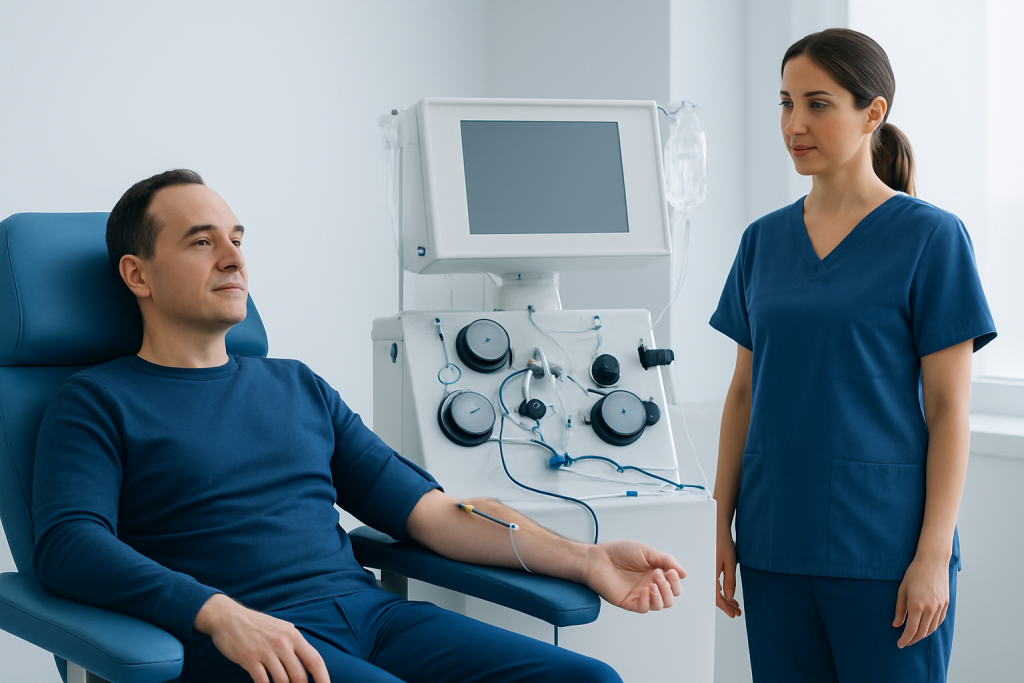
During plasmapheresis, blood is drawn through a line and passed through a machine that separates plasma from blood cells. The blood cells are then mixed with replacement fluid and returned to the body. A session may take place through a peripheral vein or, more commonly for repeated treatments, through a central venous catheter.
The procedure is typically performed in a hospital or a specialized apheresis unit. A person is monitored for blood pressure changes, tingling around the mouth or fingers, cramps, dizziness, or other symptoms that can happen when electrolytes shift or when the body reacts to the fluid replacement.
Not every replacement fluid is used in the same way. Albumin is common for many conditions, while donor plasma may be selected in specific disorders where clotting factors are important. The care team chooses the fluid based on the diagnosis, lab results, and the person’s risk profile.
Plasmapheresis is often combined with other treatments rather than used alone. Depending on the condition, these may include steroids, immunosuppressive medicines, antibiotics, or supportive care. The overall plan usually matters more than any single session.
Prevention & Self-care
There is no general way to “prevent” the need for plasmapheresis because it is tied to underlying diseases. Self-care is mainly about supporting the body before and after treatment and following the care plan closely.
Patients are usually advised to tell the team about all medicines, supplements, recent infections, bleeding issues, or prior reactions to transfusions. Hydration guidance, fasting instructions, and medication adjustments may be given before a session, depending on the procedure and the condition being treated.
After treatment, it is sensible to rest, avoid heavy exertion for a short time if the team advises it, and watch for symptoms such as fever, redness at the catheter site, unusual bruising, shortness of breath, or persistent dizziness. If travel is involved, planning a safe return schedule and having contact information for the treating team can make follow-up smoother.
General wellness measures, such as keeping up with prescribed medicines, attending follow-up appointments, and reporting new neurologic, urinary, or bleeding symptoms early, can support recovery. These steps do not replace medical treatment, but they help the care team respond quickly if the condition changes.
Risks, Side Effects, and Recovery
Most people tolerate plasmapheresis well when it is performed in an experienced setting, but like any procedure it can have side effects. Temporary low blood pressure, lightheadedness, nausea, tingling, or chills are among the more common concerns. These are usually monitored closely and managed during the session.
More serious but less common risks include infection related to a catheter, bleeding or clotting problems, allergic reactions to replacement fluids, and changes in calcium levels that can cause numbness or muscle cramps. The medical team reduces these risks by checking labs, using sterile technique, and observing the patient during and after treatment.
Recovery time depends on the underlying illness and how many sessions are needed. Some patients feel tired after a procedure and benefit from extra rest, while others recover quickly. The improvement from plasmapheresis may also be temporary if the body continues producing the harmful antibodies or proteins, which is why follow-up treatment is often essential.
When to See a Doctor
A doctor should evaluate any condition in which plasmapheresis might be considered. This is especially important when symptoms are progressing quickly, such as worsening weakness, trouble breathing, confusion, reduced urine output, unexplained bleeding, or sudden changes in vision or speech.
People already diagnosed with a condition treated by plasmapheresis should contact their medical team if symptoms return, if they develop signs of infection at a catheter site, or if they experience unusual dizziness, chest discomfort, or severe fatigue after a session. These symptoms do not always signal a serious complication, but they deserve prompt review.
For international patients, the best next step is often a consultation with a specialist team that can confirm whether plasmapheresis is appropriate, discuss the expected number of treatments, and coordinate safe follow-up after discharge. At Acibadem Health Point, multidisciplinary specialists and JCI-accredited hospitals diagnose and treat this condition for international patients in coordinated care settings.
Frequently asked questions
Is plasmapheresis the same as dialysis?
No. Dialysis removes waste products and excess fluid from the blood when the kidneys are not working well, while plasmapheresis removes and replaces plasma. The two procedures use similar-looking machines in some cases, but they serve different medical purposes.
How long does a plasmapheresis session take?
The length depends on the condition being treated, the patient’s size, and the equipment used. Many sessions take a few hours, and some treatment plans require multiple sessions over several days or weeks.
Does plasmapheresis cure the disease?
Usually it does not cure the underlying illness. It can reduce harmful substances in the blood and help control symptoms or stabilize a serious condition while other treatments address the root cause.
Will the patient need a catheter for plasmapheresis?
Not always, but many patients who need repeated sessions do require a temporary catheter for reliable access. The medical team decides based on vein quality, the number of sessions planned, and overall safety.
What should a patient ask before starting treatment?
It is helpful to ask why plasmapheresis is being recommended, how many sessions are expected, what side effects to watch for, and what other treatments will be used. Patients traveling from abroad may also want clear guidance on follow-up and when they can safely fly home.
Can plasmapheresis be done as an outpatient procedure?
In some stable cases, yes. However, many patients need hospital-based care because they require close monitoring, repeated sessions, or treatment for a serious underlying condition.
References
- Mayo Clinic
- Cleveland Clinic
- National Institutes of Health
- American Society for Apheresis
- Merck Manual Professional Edition
This article is for general information only and is not a substitute for professional medical advice. Please consult a qualified doctor about your individual situation.