Neuropsychology

Key Takeaways
- Neuropsychology studies the connection between brain function and cognition, emotion, and behavior.
- A neuropsychological evaluation helps identify strengths and challenges in memory, attention, language, and problem-solving.
- Testing is often used after stroke, head injury, epilepsy, dementia concerns, or unexplained cognitive changes.
- Results can guide rehabilitation, school or work adjustments, and longer-term treatment planning.
- Preparing for testing and sharing medical history makes the assessment more useful and accurate.
Neuropsychology looks at how brain function influences thinking, memory, behavior, and daily life. It can help clarify symptoms, guide treatment, and support recovery after injury, illness, or neurological change.
Overview
Neuropsychology focuses on the relationship between the brain and everyday mental abilities such as attention, memory, language, planning, and emotional regulation. Rather than looking only at a scan or a lab result, it helps explain how a person is functioning in real life and why certain difficulties may be appearing.
In practice, neuropsychology is often used when symptoms are subtle, mixed, or changing over time. A person may notice that reading feels harder, conversations are more tiring, or decisions take longer than before. A structured evaluation can help connect those experiences to a neurological condition, a past injury, a developmental issue, or another medical cause.
For international patients, this field is especially useful when symptoms have already been assessed in one setting but still feel unclear. A neuropsychological opinion can add detail that imaging alone may not provide, helping patients and families understand next steps before they travel home or continue care across countries.
Symptoms and Signs That May Prompt Evaluation
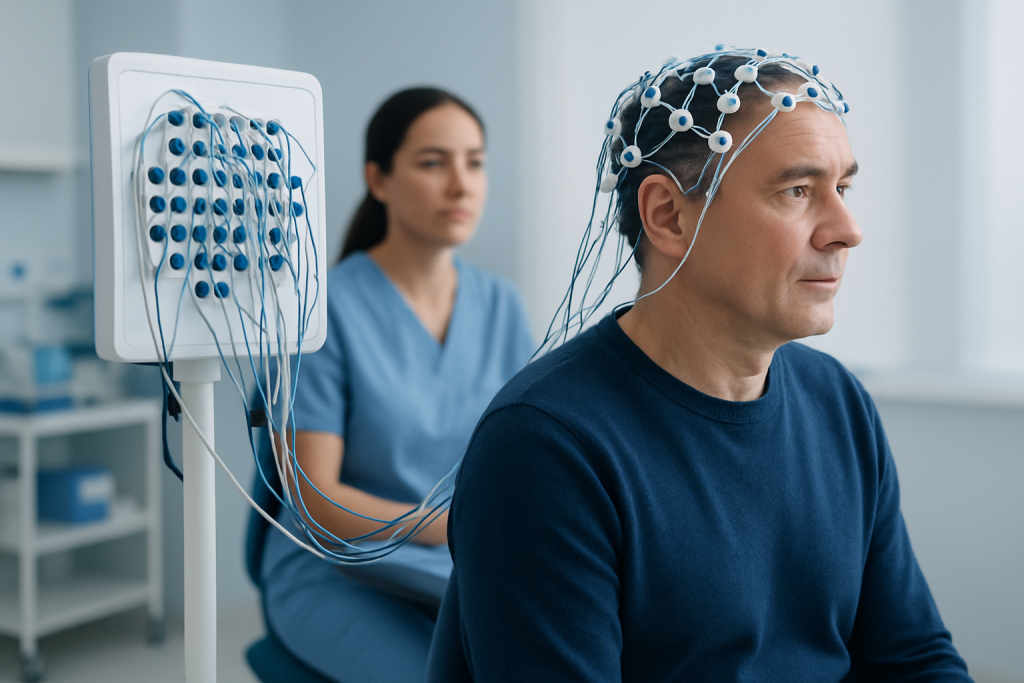
People usually do not seek neuropsychology for one single symptom. More often, they notice a pattern: forgetting appointments, losing track of conversations, becoming easily overwhelmed, or struggling with tasks that used to feel routine. Changes in speed of thinking, word-finding, organization, and mental stamina are also common reasons for referral.
Behavior and mood can change alongside cognition. Irritability, frustration, low confidence, anxiety, or withdrawal may appear when a person is working harder to keep up with daily demands. These changes do not automatically mean a serious disease is present, but they are important clues that the brain may need a closer look.
- Short-term memory problems or repeated questions
- Difficulty concentrating or multitasking
- Slower thinking or processing speed
- Language problems, such as word-finding difficulty
- Changes in judgment, planning, or organization
- Noticeable mood, personality, or behavior shifts
Symptoms may be mild and still deserve attention. Early assessment can help distinguish temporary stress, sleep problems, medication effects, or depression from a neurological process that needs targeted treatment.
Causes and Risk Factors

Neuropsychological symptoms can arise from many different conditions. Some are clearly neurological, such as stroke, traumatic brain injury, epilepsy, multiple sclerosis, Parkinson’s disease, or dementia. Others are medical or psychiatric conditions that affect brain function indirectly, including thyroid disorders, vitamin deficiencies, sleep disorders, depression, and anxiety.
Risk factors depend on the underlying cause. Age, family history, cardiovascular disease, repeated head injuries, poorly controlled diabetes, high blood pressure, substance use, and certain infections can all affect brain health. Developmental and learning differences may also become more visible when academic or work demands increase.
It is also important to remember that stress, jet lag, pain, and unfamiliar environments can temporarily affect attention and memory. This matters for patients traveling internationally, because a good neuropsychological assessment considers the whole picture, not just one difficult day or one confusing test result.
Diagnosis and Neuropsychological Testing
A neuropsychological evaluation is a structured way of measuring how different brain-based skills are working. It usually begins with a detailed interview about symptoms, medical history, education, work, sleep, mood, medications, and daily functioning. The clinician then selects tests that match the person’s concerns and background.
The tests may include tasks for memory, attention, language, problem-solving, visual-spatial skills, reaction time, and executive function, which refers to planning and self-monitoring. Some tasks are verbal, while others involve pictures, written responses, or timed activities. The goal is not to “pass” or “fail,” but to identify patterns of strengths and weaknesses.
Results are interpreted in context. A low score on one task may not be meaningful by itself, but a consistent pattern across several areas can help clarify a diagnosis or show how an illness is affecting daily life. When needed, findings are shared with neurologists, psychiatrists, rehabilitation specialists, and other members of the care team so that testing becomes part of a larger plan rather than a stand-alone report.
Treatment Options and How Results Are Used
Neuropsychology itself is not usually the treatment; it is the guide that helps shape treatment. Once the evaluation identifies the areas that need support, the care team can tailor rehabilitation, medication review, therapy, or school/work accommodations to the person’s needs.
Treatment may involve cognitive rehabilitation, speech and language therapy, occupational therapy, psychological support, or medication changes if side effects are contributing to symptoms. For some people, the main benefit is learning practical strategies: using reminders, simplifying schedules, reducing distractions, or breaking complex tasks into smaller steps.
For international patients, a strong neuropsychological report can be especially useful when continuing care at home. It gives local doctors, therapists, and employers or schools a clearer picture of what the person can do comfortably, what may be difficult, and what kind of follow-up is most appropriate.
- Rehabilitation may target attention, memory, or executive skills
- Psychological support can address anxiety, depression, or adjustment concerns
- Medication reviews may reduce cognitive side effects
- Work or school plans can be adjusted to reduce overload
Prevention and Self-care
Not every neurological condition can be prevented, but brain health can be supported in everyday life. Regular sleep, physical activity, balanced nutrition, and blood pressure and blood sugar control all help protect thinking abilities over time. Avoiding repeated head injury and limiting alcohol or substance misuse are also important.
Self-care is especially valuable when symptoms are already present. Keeping a routine, writing down appointments, using alarms or phone reminders, and allowing extra time for complex tasks can reduce frustration. If concentration is poor, doing one task at a time in a quiet environment may be more effective than pushing through fatigue.
Emotional health matters too. Cognitive symptoms often feel more manageable when a person is well rested, supported, and informed. Family members can help by observing patterns, bringing notes to appointments, and keeping communication simple and concrete during stressful periods.
When to See a Doctor
A doctor should be consulted when memory, attention, language, or behavior changes interfere with daily life, work, school, travel, or safety. An evaluation is especially important if the changes are new, worsening, or following a head injury, stroke, seizure, infection, or major illness.
Urgent medical attention is needed for sudden confusion, severe headache, weakness, speech loss, fainting, new seizures, or major changes in alertness. These symptoms may reflect an emergency rather than a routine cognitive concern. Even when symptoms are less dramatic, it is wise not to wait for them to “settle on their own” if they are clearly affecting function.
Patients who are planning cross-border care may benefit from collecting previous scan reports, medication lists, and any school or work records that describe changes over time. At Acibadem Health Point, multidisciplinary specialists and JCI-accredited hospitals evaluate and treat neurological and cognitive concerns for international patients in a coordinated way.
Living With the Results
Neuropsychological testing can bring relief because it replaces uncertainty with a clearer explanation. Some people learn that their difficulties are linked to a treatable condition, while others discover that their strengths are still intact and only certain tasks need adaptation. Either way, the results can make daily life feel more manageable.
The most useful reports are the ones that are translated into action. That may mean rehabilitation exercises, a medication discussion, return-to-work guidance, or follow-up testing after a period of recovery. When patients understand what the findings mean, they are usually better able to communicate with family, employers, and clinicians.
Good follow-up also matters. Brain function can change over time, especially after injury or progressive neurological disease. Periodic reassessment can help track recovery, monitor decline, or confirm that a treatment plan is still the right fit.
Questions to Bring to an Appointment
Preparing a few questions before the visit can make a neuropsychology appointment more productive. Patients often want to know what the testing can reveal, how long the process takes, whether tiredness will affect the results, and what the next step will be if concerns are confirmed.
Useful questions may include how to prepare for testing, whether medications should be continued as usual, and who will receive the results. If the patient is traveling internationally, it is also reasonable to ask how the findings can be shared with doctors back home and whether a follow-up plan can be arranged across locations.
- What is the main question this evaluation is trying to answer?
- Will mood, sleep, or medications affect the results?
- How should the findings be used in daily life?
- Will I need repeat testing later?
- How can the report support care after I return home?
Frequently asked questions
What does neuropsychology study?
Neuropsychology studies how the brain affects thinking, memory, language, behavior, and emotions. It helps explain how neurological or medical conditions show up in daily life.
How is a neuropsychological evaluation different from a regular doctor visit?
A regular visit often focuses on symptoms, examination findings, and medical tests. A neuropsychological evaluation uses structured tasks to measure specific cognitive skills in more detail.
Do abnormal test results always mean dementia?
No. Cognitive changes can be related to many causes, including stroke, head injury, sleep problems, depression, medication effects, or other neurological conditions. The pattern of results and the clinical history both matter.
How long does testing usually take?
It varies depending on the referral question and the number of areas being tested. Some evaluations are completed in one session, while more detailed assessments may take longer.
Should a person prepare anything before the appointment?
Bringing previous medical reports, a medication list, glasses or hearing aids, and notes about symptoms is often helpful. Getting a good night’s sleep may also make the session easier to complete.
Can neuropsychology help after a brain injury or stroke?
Yes. It can show which thinking skills are recovering well and which areas still need support. Those findings can guide rehabilitation and practical adjustments at home or work.
References
- American Academy of Clinical Neuropsychology
- American Psychological Association
- National Institute of Neurological Disorders and Stroke
- World Health Organization
This article is for general information only and is not a substitute for professional medical advice. Please consult a qualified doctor about your individual situation.