STEMI: Symptoms, Causes and Treatment

Key Takeaways
- STEMI is a severe form of heart attack that needs immediate emergency care.
- The most common symptom is chest pain or pressure, but shortness of breath, sweating, nausea, and pain in the arm, jaw, or back can also occur.
- STEMI usually happens when a coronary artery becomes suddenly blocked by a blood clot.
- Diagnosis often includes an ECG and blood tests that check for heart muscle injury.
- Treatment focuses on restoring blood flow quickly, often with procedures such as angioplasty and stenting.
- Long-term care includes medicines, cardiac rehabilitation, and risk-factor control.
Medically reviewed by the Acıbadem clinical team — August 19, 2026
STEMI is a medical emergency caused by a sudden blockage of blood flow to part of the heart muscle. Quick recognition and rapid treatment are essential to protect heart function and reduce complications.
Overview
STEMI stands for ST-elevation myocardial infarction, a type of heart attack in which a coronary artery is suddenly and severely blocked. Because the heart muscle is not receiving enough oxygen-rich blood, damage can begin within minutes.
This is one of the most urgent conditions in cardiology. The goal of treatment is simple but time-sensitive: reopen the blocked artery as quickly as possible and limit injury to the heart. For people traveling for care, that urgency often shapes every step, from the moment they reach the emergency department to the coordination of follow-up after they return home.
Unlike some health problems that can be watched for a few days, STEMI should be treated as an emergency from the first warning sign. Early action can preserve heart function and improve recovery.
Symptoms
The classic symptom is a heavy, tight, or pressure-like pain in the chest. Some people describe it as squeezing, burning, or a sense of fullness rather than sharp pain. The discomfort may last more than a few minutes or come and go.
Symptoms can also appear beyond the chest. Pain or discomfort may spread to the left arm, both arms, the shoulder, the back, the neck, the jaw, or the upper stomach. Shortness of breath, cold sweats, nausea, lightheadedness, and a sudden feeling of weakness are also common.
In some people, especially older adults, women, and people with diabetes, symptoms may be less typical. They may notice unusual fatigue, indigestion-like discomfort, or breathlessness instead of severe chest pain. Any sudden, unexplained symptom pattern that raises concern should be taken seriously.
Causes & Risk Factors
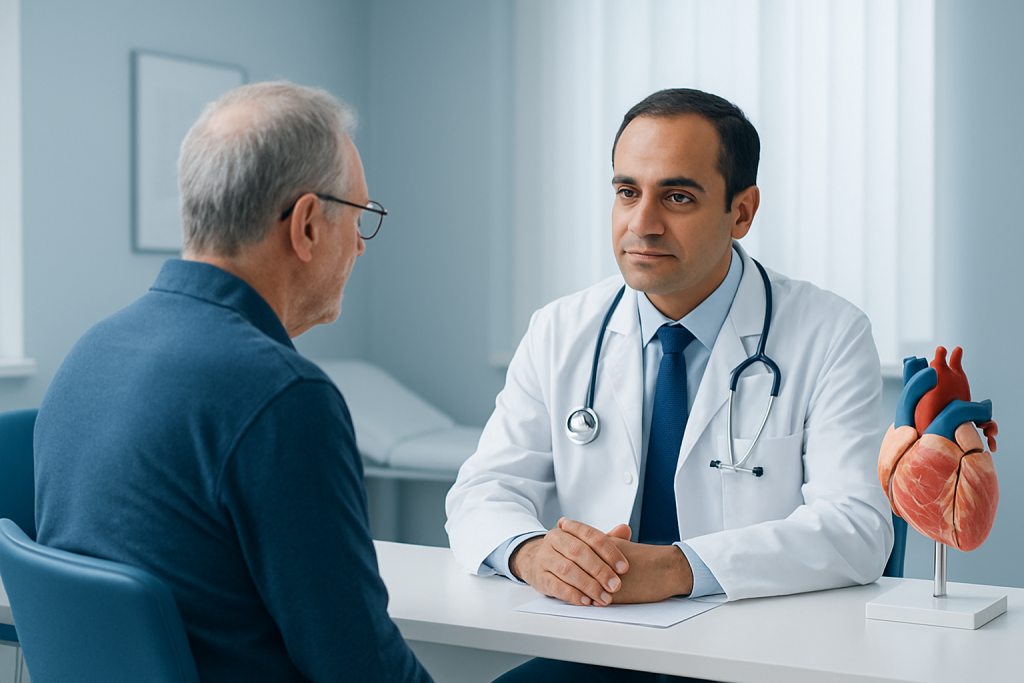
Most STEMIs happen when a buildup of fatty plaque inside a coronary artery breaks open. A blood clot then forms at the site of the rupture and blocks blood flow almost completely. This process is part of coronary artery disease, which can develop silently over many years.
Certain factors make this event more likely. High blood pressure, high cholesterol, smoking, diabetes, obesity, a sedentary lifestyle, and a family history of early heart disease all increase risk. Age also matters, although younger adults can still develop STEMI, especially if several risk factors are present.
Some triggers can place extra strain on a narrowed artery, such as severe emotional stress, heavy physical exertion, stimulant drug use, or a period of major illness. These are not the sole cause in most cases, but they can contribute in vulnerable people.
Diagnosis
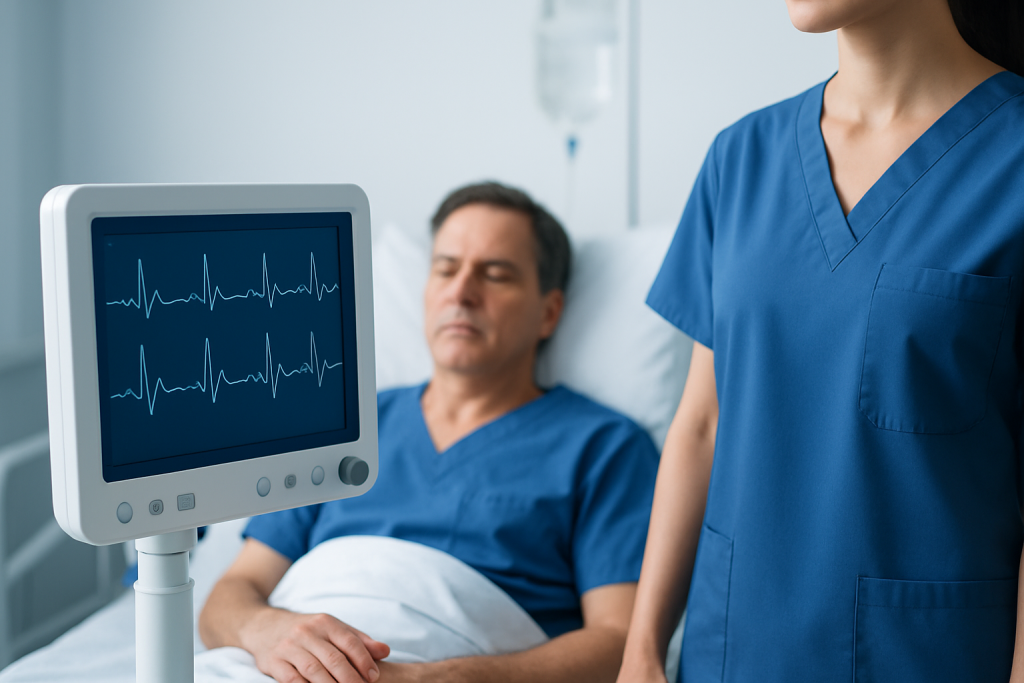
When STEMI is suspected, clinicians move quickly. The first test is often an electrocardiogram, or ECG, which records the heart’s electrical activity and can show a pattern suggesting a blocked artery. Blood tests are also ordered to look for troponin, a marker released when heart muscle is injured.
Other tests may help confirm the diagnosis and guide treatment. An echocardiogram can show how well the heart is pumping, while coronary angiography can identify the exact artery that is blocked. In many hospitals, angiography may lead directly to treatment in the same setting.
Because every minute matters, the diagnosis is usually made in a streamlined emergency pathway. For international patients, that often means bringing prior medical records, current medications, and allergy information if available, but treatment should never be delayed while documents are gathered.
Treatment Options
Treatment for STEMI focuses on restoring blood flow as quickly as possible. The preferred approach in many cases is primary percutaneous coronary intervention, often called angioplasty, where a catheter is used to open the blocked artery and place a stent if needed.
If angioplasty cannot be done fast enough, clot-busting medication may be considered in some settings. The best option depends on timing, the hospital’s resources, the patient’s overall condition, and whether there are reasons a specific treatment may not be safe.
After the artery is opened, care continues in the hospital with medicines that lower the risk of another event. These may include antiplatelet therapy, cholesterol-lowering treatment, blood pressure medicines, and drugs that support heart function when needed. Some people also need treatment for rhythm problems, heart failure, or other complications.
Recovery does not end at discharge. Cardiac rehabilitation, gradual return to activity, and close follow-up are important parts of care. For patients who traveled internationally for treatment, the care plan should also include clear handoff instructions for a local physician back home.
Prevention & Self-care
Not every heart attack can be prevented, but many risk factors can be improved. Stopping smoking, managing blood pressure and cholesterol, controlling diabetes, staying physically active, and maintaining a heart-healthy eating pattern all support coronary health over time.
After a STEMI, self-care becomes part of the treatment plan. Taking prescribed medicines consistently, attending follow-up appointments, and joining cardiac rehabilitation when recommended can help protect recovery. It is also important to know which symptoms should prompt urgent medical attention again.
- Keep a written list of medicines and carry it during travel.
- Ask for clear instructions about activity, wound care, and when to resume work or exercise.
- Plan a local follow-up visit if returning to another country.
- Monitor blood pressure, blood sugar, and cholesterol as advised.
Small, steady changes are more realistic than sudden overhauls. A sustainable plan is usually more effective than a strict short-term approach that cannot be maintained.
When to See a Doctor
Suspected STEMI needs emergency care immediately, not a routine appointment. If chest pressure, breathlessness, or related symptoms appear suddenly and do not quickly settle, emergency services should be contacted right away.
People with known coronary artery disease should also speak with a doctor promptly if their usual chest discomfort changes in pattern, becomes more frequent, or occurs with minimal exertion. After a heart attack, any new chest pain, fainting, palpitations, or worsening shortness of breath deserves urgent assessment.
For international patients, it is wise to choose a center that can coordinate emergency cardiology, catheter-based treatment, and post-procedure follow-up across borders. Acibadem Health Point’s multidisciplinary specialists and JCI-accredited hospitals diagnose and treat STEMI for international patients in a coordinated way.
Frequently asked questions
What does STEMI mean?
STEMI stands for ST-elevation myocardial infarction. It is a type of heart attack caused by a sudden blockage of blood flow to part of the heart muscle. Because the blockage is usually severe, it requires immediate emergency treatment.
Is STEMI the same as a heart attack?
STEMI is one specific type of heart attack. It usually signals a complete or near-complete blockage in a coronary artery and is considered especially urgent. Other heart attacks may not show the same ECG pattern.
Can STEMI happen without chest pain?
Yes. Some people have shortness of breath, nausea, sweating, fatigue, or pain in the jaw, arm, back, or upper stomach instead of clear chest pain. This is more common in older adults, women, and people with diabetes.
How is STEMI treated?
The main goal is to reopen the blocked artery as quickly as possible, often with angioplasty and stent placement. Medicines are also used to reduce clotting, protect the heart, and lower the risk of another event.
What happens after treatment?
After the emergency phase, recovery usually includes medicines, activity guidance, follow-up visits, and cardiac rehabilitation. Doctors also work with the patient to control risk factors such as smoking, blood pressure, cholesterol, and diabetes.
Can someone travel after a STEMI?
Travel is sometimes possible after recovery, but only when the treating cardiology team says it is safe. The timing depends on the person’s condition, the treatment received, and whether there are ongoing symptoms or complications.
References
- American Heart Association
- European Society of Cardiology
- National Heart, Lung, and Blood Institute
- World Health Organization
This article is for general information only and is not a substitute for professional medical advice. Please consult a qualified doctor about your individual situation.
Persistent digestive symptoms? Get evaluated in Turkey
JCI-accredited · board-certified surgeons · reply within 24h
Add us as a Preferred Source to see more of our trusted health content across Google Search, AI Overviews and Discover.