Supraventricular Tachycardia (SVT): Symptoms and Treatment

Key Takeaways
- SVT is a rapid heart rhythm that begins in the atria or the AV node, above the ventricles.
- Episodes often start and stop suddenly and may cause palpitations, dizziness, chest discomfort, or shortness of breath.
- Diagnosis usually includes a medical history, physical exam, ECG, and sometimes longer rhythm monitoring.
- Treatment may involve vagal maneuvers, medicines, catheter ablation, or other rhythm-focused care depending on the pattern and severity.
- Many people with SVT manage the condition well by learning their triggers, following medical advice, and knowing when to seek care.
Medically reviewed by the Acıbadem clinical team — August 19, 2026
SVT heart, or supraventricular tachycardia, is a fast heart rhythm that starts above the heart’s lower chambers. It often causes sudden episodes of palpitations and can usually be evaluated and treated effectively with the right medical care.
Overview
SVT heart is the everyday way many people describe supraventricular tachycardia, a type of fast heartbeat that starts in the upper part of the heart. The rhythm begins above the ventricles, which is why it is called “supraventricular.” During an episode, the heart may suddenly race even when the person is resting or doing something ordinary.
For many patients, the experience feels unmistakable: the heartbeat may seem rapid, regular, and difficult to ignore. Some people notice the problem for only a few seconds, while others have episodes that last longer and interfere with work, sleep, travel, or exercise. Although the sensation can be unsettling, SVT is often manageable once the rhythm is identified correctly.
Understanding the pattern matters because not every rapid heartbeat is the same. A clinician will try to determine whether the episodes are isolated, repetitive, triggered by something specific, or connected to another heart condition. That information helps guide treatment and gives patients a clearer sense of what to expect.
Symptoms
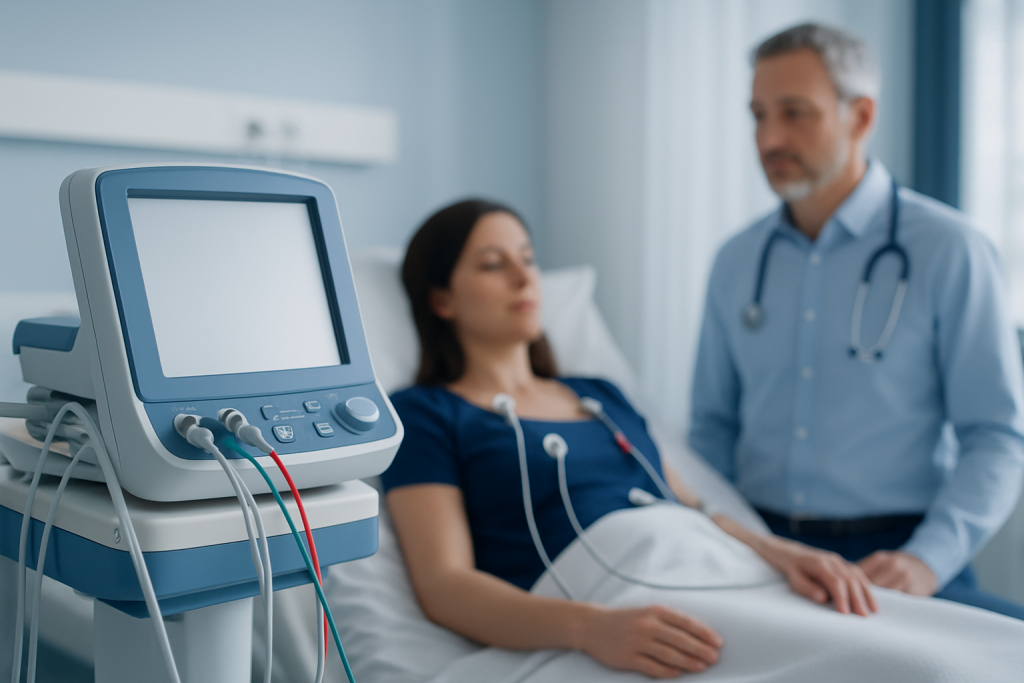
SVT symptoms often appear abruptly and may stop just as suddenly. The most common sign is a strong awareness of the heartbeat, sometimes described as fluttering, pounding, or “racing” in the chest or neck. People may notice that their pulse feels very fast but still regular during an episode.
Other symptoms can include lightheadedness, shortness of breath, chest pressure, fatigue, or a sense of anxiety that seems to come on with the rhythm itself. Some people feel fine between episodes, which can make the condition harder to recognize unless it is captured on an ECG or rhythm monitor.
Symptoms can vary widely from person to person. A short episode may be more annoying than dangerous, while a longer one can be exhausting and disruptive. If episodes are frequent, longer, or associated with fainting or significant chest discomfort, medical assessment becomes especially important.
- Sudden fast heartbeat
- Palpitations or chest fluttering
- Dizziness or feeling faint
- Shortness of breath
- Chest tightness or discomfort
- Fatigue after an episode
Causes & Risk Factors

SVT happens when the heart’s electrical system develops a circuit or firing pattern that causes the upper chambers to beat too quickly. In some people, the rhythm comes from an extra electrical pathway. In others, it is related to how impulses travel through the atria or the AV node.
Several forms of SVT exist, including atrioventricular nodal re-entrant tachycardia, atrioventricular re-entrant tachycardia, and atrial tachycardia. The names sound technical, but the practical issue is similar: the heart’s electrical signal loops or fires in a way that drives the rate up suddenly.
Risk can be influenced by certain underlying heart features, stimulants, stress, lack of sleep, dehydration, illness, or excess caffeine in some individuals. However, SVT can also appear in people with no clear trigger or structural heart problem. Having a trigger does not mean the person “caused” the arrhythmia; it simply means the rhythm may be easier to set off under certain conditions.
For international patients planning care, it is useful to bring any prior ECGs, emergency room records, or smartwatch rhythm strips if available. These details can help the cardiology team understand whether episodes are likely SVT or another type of arrhythmia.
Diagnosis
Diagnosis usually begins with a careful description of the episodes. A doctor may ask when the racing heartbeat starts, how long it lasts, whether it stops on its own, and what symptoms appear alongside it. Because SVT can disappear before the patient reaches a clinic, the story of the episode is often as important as the physical examination.
An electrocardiogram, or ECG, is a key test when the rhythm is present. If the heartbeat is normal during the visit, the doctor may recommend a Holter monitor, event monitor, patch monitor, or another form of ambulatory recording to capture the rhythm later. These tools are especially helpful when episodes are unpredictable.
Additional testing may be used to rule out contributing factors or to understand overall heart health. Depending on the situation, this can include blood tests, echocardiography, or referral to an electrophysiology specialist. The aim is not only to name the rhythm but also to understand how it behaves and whether there is an underlying issue that needs attention.
Treatment Options
Treatment depends on how often the episodes happen, how severe they feel, and whether SVT affects daily life or overall heart function. Some people need only education and an action plan for occasional episodes. Others benefit from medication or a procedure that targets the electrical pathway causing the rhythm.
When an episode occurs, clinicians may advise vagal maneuvers, which are gentle techniques that can sometimes slow the heart rhythm by influencing the body’s automatic nerve signals. These should be taught by a healthcare professional so they are used appropriately and safely. In an urgent setting, additional treatments may be given under medical supervision.
Medicines can help prevent episodes or control heart rate in selected patients. For recurring or bothersome SVT, catheter ablation is often considered because it can target the source of the abnormal circuit. This procedure is performed by heart rhythm specialists and is planned after a detailed evaluation.
The right approach is individual. Some patients travel with a diagnosis already established and seek a second opinion or definitive treatment plan. Others arrive with only symptoms and need rhythm capture first. In either case, the practical goal is the same: to reduce episodes and restore confidence in everyday activities.
- Vagal maneuvers for certain episodes
- Prescription medicines to reduce recurrence or control rate
- Catheter ablation for recurrent or symptomatic SVT
- Treatment of related conditions, such as thyroid abnormalities or dehydration, when present
Prevention & Self-care
Not every SVT episode can be prevented, but many patients do better when they learn what tends to set off their symptoms. Keeping a simple symptom log can be useful: note the time, activity, sleep, hydration, caffeine intake, illness, and how long the episode lasted. Over time, patterns may become easier to see.
Daily habits can also support heart rhythm stability. Regular sleep, steady hydration, and thoughtful use of stimulants may help some people. Managing stress is also valuable, although stress is only one possible contributor and is rarely the only explanation for SVT.
Patients should follow the plan given by their cardiologist, especially if medication or monitoring has been recommended. For people traveling for care, it helps to carry a written treatment summary, medication list, and emergency contact details. That makes follow-up simpler if symptoms appear before returning home.
- Keep track of possible triggers
- Stay hydrated, especially during travel or illness
- Use caffeine and energy products cautiously if they seem linked to episodes
- Prioritize sleep and recovery
- Learn the clinician-approved steps to take during an episode
When to See a Doctor
Medical review is important if a person has repeated episodes of rapid heartbeat, especially if the rhythm starts suddenly and feels regular. Even when symptoms settle on their own, recurrent episodes deserve evaluation because the cause may be treatable and the diagnosis can change the care plan.
Urgent care is needed if palpitations come with fainting, severe chest pain, marked shortness of breath, confusion, or signs that the person is not recovering normally. These symptoms do not automatically mean danger, but they do warrant prompt assessment by a qualified clinician.
For patients who are arranging treatment from abroad, it is reasonable to ask whether an electrophysiology review, extended monitoring, or ablation assessment is appropriate. Acibadem Health Point’s multidisciplinary specialists and JCI-accredited hospitals evaluate and treat SVT for international patients with coordinated, patient-centered care.
Early assessment often brings clarity. Once the rhythm is identified and a plan is in place, many patients feel more confident managing symptoms and knowing how to respond if an episode returns.
Living Well With SVT
Many people with SVT continue work, travel, exercise, and family life with only modest adjustments. The condition is often less about constant symptoms and more about knowing how to respond when the rhythm appears. A clear plan can reduce uncertainty and make the episodes feel more manageable.
It can help to save copies of ECGs, discharge summaries, and monitoring results, especially when care is spread across countries or between specialists. Patients who understand their own rhythm history are usually better prepared for future appointments, whether those visits happen close to home or during medical travel.
The most useful long-term strategy is a partnership with a clinician who can match the treatment to the person’s symptoms, pattern, and goals. For some, that means occasional observation. For others, it means a procedure that offers a more lasting solution. Either way, the focus is on safe, individualized care.
Questions to Ask Your Cardiologist
Patients often feel more prepared when they bring a short list of questions to the consultation. This is especially helpful when symptoms have been intermittent or when care is being arranged internationally, because the visit may need to cover both diagnosis and next steps in a limited time.
Useful questions include whether the rhythm is truly SVT, what type it appears to be, whether monitoring is still needed, and which treatment options are reasonable for the patient’s specific pattern. It may also help to ask how to handle an episode at home and what symptoms should prompt urgent care.
- What type of SVT do I likely have?
- Do I need more rhythm monitoring?
- Are medicines or ablation the best fit for me?
- What should I do if an episode starts again?
- Which Heart Attack Warning Signs: Symptoms and When to Seek Help" class="ahp-ilk">warning signs mean I should seek urgent care?
Frequently asked questions
Is SVT heart dangerous?
SVT is often not life-threatening, but it can be uncomfortable and disruptive, and in some people it needs treatment. The level of concern depends on the type of SVT, how long episodes last, and whether symptoms such as fainting or chest pain occur. A clinician can help judge the risk in each individual case.
Can SVT go away on its own?
Yes, some episodes stop without treatment, sometimes within seconds or minutes. Even so, repeated episodes should be evaluated so the cause is confirmed and a plan is in place if symptoms return. Self-resolving episodes do not rule out the need for medical attention.
What does an SVT episode feel like?
Many people describe a sudden, very fast heartbeat that feels regular and difficult to ignore. It may come with dizziness, shortness of breath, chest tightness, or fatigue. Some people feel perfectly normal between episodes, which is why documentation of the rhythm is useful.
How is SVT different from atrial fibrillation?
Both are arrhythmias, but they are not the same rhythm. SVT usually starts and stops suddenly and often feels very regular, while atrial fibrillation is typically more irregular. A doctor can tell the difference with an ECG or heart rhythm monitor.
Can stress or caffeine trigger SVT?
They can be triggers for some people, but not for everyone. A trigger does not mean stress or caffeine is the only cause; it simply means the rhythm may be easier to start in certain situations. Tracking patterns can help determine whether those factors matter for the individual.
When should someone seek urgent help for palpitations?
Urgent care is appropriate if palpitations come with fainting, severe chest pain, severe breathlessness, confusion, or if the person looks very unwell. These symptoms deserve prompt medical assessment rather than waiting for the episode to pass. If symptoms are milder but recurring, a scheduled cardiology visit is still important.
References
- American Heart Association
- Heart Rhythm Society
- Mayo Clinic
- National Heart, Lung, and Blood Institute
- Cleveland Clinic
This article is for general information only and is not a substitute for professional medical advice. Please consult a qualified doctor about your individual situation.
Explore treatments in Turkey — costs, top hospitals & a free quote
JCI-accredited · board-certified surgeons · reply within 24h
Add us as a Preferred Source to see more of our trusted health content across Google Search, AI Overviews and Discover.