Spotting Before Period

Key Takeaways
- Spotting before a period is usually light bleeding and is not the same as a full menstrual period.
- Hormonal shifts, birth control, pregnancy, and certain gynecologic conditions can all play a role.
- A pattern of repeated spotting, bleeding after sex, or new pain should be discussed with a clinician.
- Diagnosis often includes a health history, pelvic exam, pregnancy test, and sometimes imaging or laboratory tests.
- Treatment depends on the cause and may range from watchful waiting to medication or procedure-based care.
Spotting before a period is light vaginal bleeding that happens outside the expected menstrual flow. It is often linked to hormone changes, but it can also reflect pregnancy, infection, or other gynecologic conditions that deserve medical attention.
Overview
Spotting before a period means noticing small amounts of vaginal bleeding in the days or weeks leading up to menstruation. The blood may appear pink, red, or brown, and it is usually lighter than a normal period. For many people, this happens occasionally and is connected to temporary hormone fluctuations.
Still, spotting is a symptom rather than a diagnosis. It can be part of a normal cycle, but it can also appear with pregnancy, changes in contraception, infections, fibroids, polyps, thyroid problems, or other conditions that affect the uterus or cervix. The key question is not only whether spotting is present, but whether it is new, persistent, or accompanied by other changes.
For someone planning care from another country, this can feel especially inconvenient because timing, travel, and follow-up all matter. A clear evaluation helps distinguish a harmless pattern from something that should be treated or monitored more closely.
Symptoms
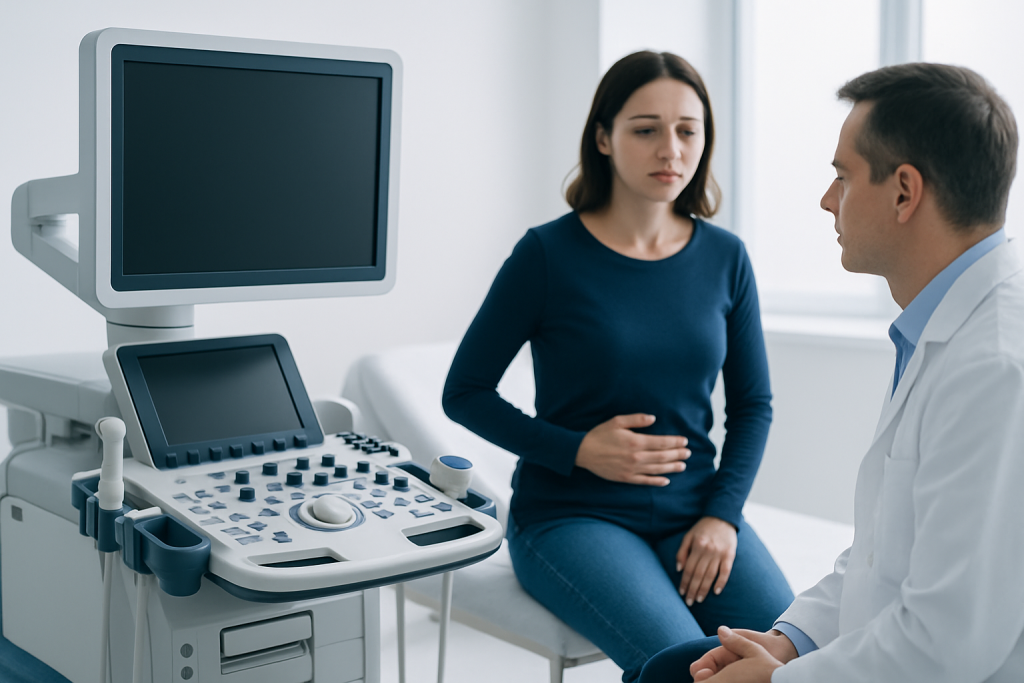
The most obvious sign is light bleeding outside the usual menstrual window. Some people notice a few drops on underwear or toilet paper, while others need a panty liner for a day or two. The color may be brown if the blood has had time to oxidize, or brighter red if bleeding is more recent.
Spotting may happen on its own or alongside other menstrual changes. Common accompanying symptoms can include:
- Cramping or pelvic pressure
- Changes in cycle length
- Heavier or lighter periods than usual
- Bleeding after sex
- Breast tenderness, nausea, or fatigue if pregnancy is possible
Any spotting that comes with significant pain, dizziness, a foul-smelling discharge, fever, or bleeding after menopause should be assessed promptly. Even when symptoms are mild, a repeated pattern is worth discussing with a clinician.
Causes & Risk Factors

There is no single explanation for spotting before a period. In many cases, the body is responding to shifting levels of estrogen and progesterone during the menstrual cycle. When these hormones rise and fall unevenly, the uterine lining may shed a little earlier than expected.
Other common causes include hormonal contraception, missed pills, emergency contraception, breastfeeding, perimenopause, and thyroid disorders. Pregnancy-related spotting can occur in early pregnancy, although it should never be assumed to be harmless without checking with a health professional.
Gynecologic conditions may also contribute. These can include cervical irritation, polyps, fibroids, endometriosis, pelvic inflammatory disease, and, less commonly, precancerous or cancerous changes in the cervix or uterus. Risk may be higher if there is a history of irregular cycles, sexually transmitted infections, smoking, a known hormone disorder, or previous uterine procedures.
Diagnosis
Evaluation usually begins with a detailed conversation about the cycle, medications, contraception, pregnancy possibility, and any associated symptoms. A clinician may ask when the spotting started, how often it happens, whether it occurs before every period, and whether it appears after intercourse or exercise.
A pelvic exam may be recommended to look for cervical irritation, infection, or signs of structural changes. Depending on the situation, testing can include a pregnancy test, Pap test or cervical screening if due, vaginal swabs for infection, blood tests for anemia or thyroid function, and sometimes hormone testing.
If the bleeding pattern suggests a uterine cause, ultrasound imaging is often used to check for fibroids, polyps, or endometrial thickening. In selected cases, a clinician may advise further procedures such as hysteroscopy or endometrial sampling. The exact workup depends on age, symptoms, and individual risk factors, so the approach is tailored rather than one-size-fits-all.
Treatment Options
Treatment depends entirely on the reason spotting is happening. If hormone fluctuations are the main issue and no concerning cause is found, a clinician may suggest observation and cycle tracking. When birth control is involved, adjusting the method or timing can sometimes reduce breakthrough bleeding.
If an infection is diagnosed, treatment may involve medication and partner management when appropriate. Structural causes such as polyps or fibroids may be monitored, treated with medication, or removed depending on size, symptoms, fertility goals, and overall health. Thyroid problems, bleeding disorders, and other medical conditions are treated according to the underlying diagnosis.
In early pregnancy, any bleeding should be reviewed by a clinician to confirm what is happening and whether follow-up is needed. For patients traveling internationally for care, treatment planning should include realistic timing, recovery expectations, and a clear follow-up plan before returning home.
Prevention & Self-care
Not every case of spotting can be prevented, but some steps may help reduce unpredictable bleeding. Keeping periods and symptoms in a cycle-tracking app or diary can make patterns easier to recognize and can help a doctor interpret what is changing over time.
General self-care may include taking prescribed contraception consistently, managing stress, maintaining a balanced diet, and following treatment plans for thyroid or other hormone-related conditions. If spotting occurs after starting a new contraceptive method, it is often useful to allow time for adjustment, unless a clinician advises otherwise.
It is also sensible to note any bleeding after sex, new pelvic discomfort, or discharge changes, since these details can point to a cause. When an appointment is planned from abroad, bringing previous test results, medication names, and a timeline of symptoms can make the consultation more efficient and accurate.
When to See a Doctor
A medical review is a good idea if spotting happens repeatedly, becomes heavier, or starts suddenly after a stable cycle pattern. It is especially important to seek care if there is a chance of pregnancy, if spotting occurs after sex, or if there is pain, fever, or unusual discharge.
People who have bleeding after menopause, very heavy bleeding, faintness, shortness of breath, or symptoms of anemia should not wait for the next period to see what happens. The same is true if spotting continues despite a known contraceptive adjustment or if it affects daily comfort and peace of mind.
For Myomectomy Recovery for International Patients: The Usual Travel Timeline" class="ahp-ilk">international patients, a structured evaluation can often be organized efficiently, with multidisciplinary specialists and JCI-accredited hospitals available through Acibadem Health Point for diagnosis and treatment of this condition. A qualified clinician can help determine whether the spotting is a normal cycle variation or a sign that deserves treatment.
Frequently Asked Questions
Is spotting before a period normal?
Occasional spotting can happen and is sometimes related to normal hormone changes in the menstrual cycle. If it is new, repeated, or paired with other symptoms, it should be evaluated.
Does spotting before a period mean pregnancy?
It can happen in early pregnancy, but it is not a reliable sign on its own. A pregnancy test is the safest way to check when pregnancy is possible.
Can birth control cause spotting?
Yes. Breakthrough bleeding is common with some hormonal methods, especially when starting them or if doses are missed.
What does brown spotting mean?
Brown spotting usually means older blood is leaving the body more slowly. By itself, the color does not reveal the cause.
Should spotting before a period be checked by a doctor?
Repeated spotting, bleeding after sex, pelvic pain, or any unusual bleeding pattern is worth a medical discussion. A clinician can help identify whether testing or treatment is needed.
Can stress cause spotting before a period?
Stress can affect hormone balance and cycle timing in some people. Even so, other causes should be considered if spotting keeps happening.
References
- American College of Obstetricians and Gynecologists
- Mayo Clinic
- National Health Service
- World Health Organization
- Merck Manual Consumer Version
This article is for general information only and is not a substitute for professional medical advice. Please consult a qualified doctor about your individual situation.
More from the Health Library



Related Specialists

Prof. Dr. A. Taner Usta
Gynecology & Obstetrics
Prof. Dr. Ahmet Tayyar
Gynecology & Obstetrics
Prof. Dr. Ahmet Cem Batukan
Gynecology & Obstetrics
Dr. Sevgi Selen
Gynecology & Obstetrics