

Shoulder Ache And Pain

Key Takeaways
- Shoulder pain may be caused by overuse, injury, inflammation, arthritis, or pain referred from the neck.
- Stiffness, weakness, reduced range of motion, or pain that worsens at night can provide clues about the cause.
- Most cases improve with guided rest, activity changes, physical therapy, and targeted treatment based on the underlying problem.
- Medical evaluation is important if pain follows an injury, is severe, lasts more than a short period, or is linked with numbness, fever, or chest symptoms.
Shoulder ache and pain can come from the shoulder joint itself, nearby muscles and tendons, or even the neck. Understanding the pattern of pain, stiffness, weakness, and triggering activities helps guide the right evaluation and care.
Overview
Shoulder ache and pain is a common complaint because the shoulder is built for motion, not just stability. It depends on a coordinated system of bones, cartilage, muscles, tendons, ligaments, and nerves, and when one part is irritated the whole joint can start to feel restricted.
The discomfort may appear after lifting, sports, repetitive work, sleeping in an awkward position, or a direct fall. In some people, the shoulder itself is the source; in others, the problem begins in the neck, upper back, or even another organ and is felt around the shoulder region.
For international patients, the challenge is often deciding whether the pain is likely to settle with simple care or deserves a more detailed orthopedic assessment before travel or during a planned medical visit. A careful history and exam usually point toward the right next step.
Symptoms
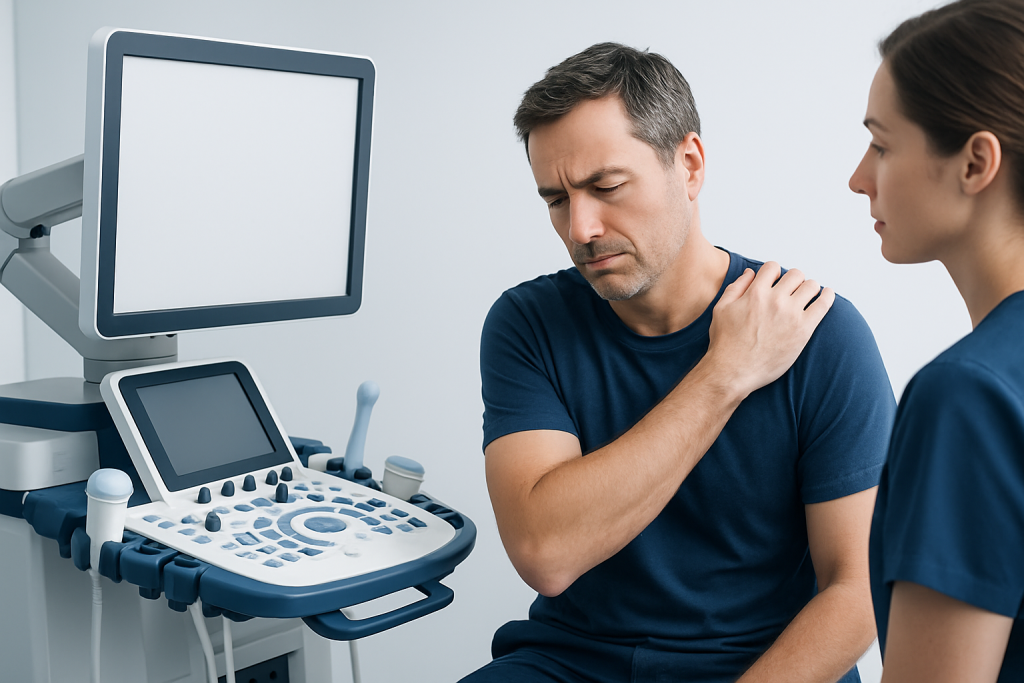
Shoulder pain does not always feel the same from one condition to another. Some people describe a dull ache deep in the joint, while others feel a sharp pain when raising the arm, reaching behind the back, or sleeping on the affected side.
Common features include stiffness, tenderness, weakness, clicking, or a sense that the shoulder is catching. Pain may be constant or may appear only during certain movements, and it can worsen at night if the inflamed tissues are compressed while lying down.
- Pain with overhead movement or reaching
- Reduced range of motion or difficulty dressing
- Weakness when lifting or carrying
- Swelling, warmth, or visible deformity after injury
- Numbness or tingling if a nerve is involved
Symptoms from the neck can mimic shoulder disease, especially when pain travels into the arm or is accompanied by tingling. Because several conditions overlap, the pattern and location of symptoms matter as much as the intensity.
Causes & Risk Factors

Many everyday problems can trigger shoulder ache and pain. Overuse from sports, lifting, repetitive computer or manual work, and sudden strain can irritate muscles and tendons around the joint. Rotator cuff tendinopathy or tears are especially common when pain increases with arm elevation.
Other frequent causes include bursitis, frozen shoulder, arthritis, dislocation, tendon inflammation, and labral injury. Pain may also be referred from the neck, where a pinched nerve can cause discomfort that seems to belong to the shoulder.
Risk tends to rise with age, previous shoulder injury, poor posture, repetitive overhead activity, and conditions such as diabetes or thyroid disorders, which can be linked with stiffness and frozen shoulder. A history of heavy work, contact sports, or falls also increases the chance of structural injury.
Less commonly, shoulder pain can be part of a broader medical issue. This is why clinicians look beyond the joint itself and consider the full picture, especially when pain is unexplained or comes with symptoms elsewhere in the body.
Diagnosis
Diagnosis usually starts with a detailed conversation about when the pain began, what movements aggravate it, and whether there was an injury. A clinician will ask about sleep, work tasks, sports, neck symptoms, and any numbness, weakness, or fever.
The physical examination checks the shoulder’s range of motion, strength, tenderness, stability, and response to specific movement tests. The neck, upper back, and arm are often examined too, because problems in those areas can look very similar to shoulder disease.
Depending on the findings, imaging or other tests may be recommended. X-rays can show arthritis, fractures, or alignment problems, while ultrasound or MRI may help evaluate tendons, bursae, cartilage, and soft tissues. In some cases, blood tests are used when inflammatory or infectious causes are being considered.
For patients traveling from abroad, it is often helpful to bring prior imaging, operation notes, and medication lists. That background can shorten the evaluation and make it easier to compare older findings with the current shoulder problem.
Treatment Options
Treatment depends on the cause, the severity of symptoms, and how much function has been lost. Many shoulder conditions improve with a combination of activity modification, pain control, and rehabilitation rather than surgery alone.
Initial care often includes relative rest from the movements that provoke pain, along with guided exercises to restore mobility and strength. Physical therapy is frequently central to recovery because the shoulder can stiffen quickly when it is not used in the right way.
Other treatment options may include anti-inflammatory medicines or pain relievers when appropriate, posture correction, injections for selected inflammatory conditions, or immobilization after a fracture or dislocation. If a tendon is badly torn, the joint is unstable, or symptoms do not improve, an orthopedic specialist may discuss surgical repair.
When surgery is needed, the plan is tailored to the exact diagnosis, age, activity level, and goals of the patient. A clear explanation of rehabilitation, travel timing, and follow-up needs is especially important for those returning home after treatment.
Prevention & Self-care
Not every shoulder problem can be prevented, but many can be made less likely with practical habits. Keeping the shoulder muscles balanced, warming up before exercise, and avoiding sudden spikes in overhead work can reduce strain on tendons and soft tissue.
Simple day-to-day changes also matter. Good desk setup, regular movement breaks, and sleeping positions that do not compress the shoulder can ease irritation, especially when symptoms have just begun.
- Strengthen the rotator cuff and upper back with appropriate exercises
- Use proper lifting technique and avoid carrying heavy loads on one side
- Stretch regularly if work or sport involves repetitive arm movement
- Address posture and ergonomics early, not only after pain appears
- Follow rehabilitation instructions fully after an injury or procedure
At home, short periods of rest, ice or heat when recommended, and gradual return to activity can support recovery. The key is to keep the shoulder moving in a safe range rather than protecting it so much that stiffness takes over.
When to See a Doctor
Medical review is sensible if shoulder pain is severe, lasts longer than expected, or interferes with sleep, dressing, work, or exercise. It is especially important after a fall, impact, or sudden loss of strength, because fractures, dislocations, and tendon tears may need prompt care.
Urgent evaluation is recommended if the shoulder looks deformed, the arm cannot be moved, there is marked swelling, or pain is accompanied by fever, redness, chest pressure, shortness of breath, or neurologic symptoms such as numbness and weakness. These signs can point to problems that should not be watched at home.
Persistent pain that keeps returning also deserves assessment, even when it started as a minor strain. A qualified doctor can identify the source, explain whether it is mechanical, inflammatory, or nerve-related, and create a plan that fits the patient’s schedule and recovery goals. Acibadem Health Point’s multidisciplinary specialists and JCI-accredited hospitals also diagnose and treat shoulder conditions for international patients, with coordinated care from evaluation through follow-up.
Living With Shoulder Pain During Recovery
Recovery is often less about waiting and more about pacing. Patients do best when they understand which movements are safe, which should be limited for now, and how to rebuild motion step by step without provoking a flare.
It can help to track what improves or worsens pain, particularly if treatment is being coordinated across borders. Sharing that information with the care team makes it easier to adjust therapy, plan imaging, and decide when it is safe to resume daily tasks, travel, or sport.
If pain is due to a longer-term condition such as arthritis or frozen shoulder, progress may be gradual. Even then, a structured plan usually offers more predictable improvement than complete inactivity, and follow-up appointments help confirm that recovery is moving in the right direction.
Finding the Right Path Forward
Shoulder ache and pain is common, but it is not something people need to simply accept. Because the shoulder can be affected by injuries, overuse, stiffness, nerve irritation, or referred pain, a careful diagnosis is the most useful first step.
With the right combination of examination, imaging when needed, and a rehabilitation-based treatment plan, many patients regain comfort and function. Clear guidance also helps international patients make decisions about whether to seek care locally or arrange a specialist visit that includes treatment and planned follow-up.
Knowing the cause is what turns a vague ache into a manageable plan, and that is often the point where recovery starts to feel realistic again.
Frequently asked questions
What is the most common cause of shoulder ache and pain?
There is no single most common cause for everyone, but overuse injuries, rotator cuff problems, and shoulder stiffness are frequent reasons. In some cases, the pain comes from the neck rather than the shoulder itself. A proper exam helps separate these possibilities.
Can shoulder pain go away on its own?
Mild shoulder pain from a strain or minor irritation may improve with rest and simple self-care. If the pain persists, returns often, or limits motion, it should be evaluated. Ongoing symptoms can signal a tendon injury, frozen shoulder, or another condition that benefits from targeted treatment.
Why does shoulder pain get worse at night?
Night pain often happens because inflamed tissues are compressed when lying down or because certain positions reduce comfort and circulation. It can be seen with bursitis, rotator cuff issues, and frozen shoulder. If sleep is repeatedly disturbed, medical assessment is a good idea.
How is shoulder pain different from neck pain?
Shoulder pain usually worsens with shoulder movement and may be localized around the joint. Neck-related pain may travel into the shoulder and arm and can come with tingling, numbness, or pain when turning the head. Sometimes both areas contribute, which is why clinicians examine the neck and shoulder together.
Do all shoulder problems need surgery?
No. Many shoulder conditions improve with physical therapy, activity changes, and other non-surgical treatments. Surgery is typically considered when there is a major tear, instability, fracture, or persistent symptoms that do not improve with conservative care.
What should a patient bring to an orthopedic appointment?
It helps to bring previous imaging, reports, a list of current medications, and notes about when the pain started and what makes it worse. For international patients, prior surgical records and rehabilitation plans are also useful. This information can make diagnosis and treatment planning more efficient.
References
- American Academy of Orthopaedic Surgeons
- Mayo Clinic
- NHS
- National Institute of Arthritis and Musculoskeletal and Skin Diseases
This article is for general information only and is not a substitute for professional medical advice. Please consult a qualified doctor about your individual situation.
More from the Health Library



Related Specialists

Prof. Dr. Ahmet Alanay
Orthopedic Surgery & Traumatology
Dr. Sinan Aksu
Orthopedic Surgery & Traumatology
Dr. Sirri Baştürk
Orthopedic Surgery & Traumatology
Prof. Dr. Korhan Özkan
Orthopedic Surgery & Traumatology