Second Opinion for Cancer Treatment Abroad: What Questions Change the Plan

Key Takeaways
- A second opinion is most valuable when the diagnosis, stage, or treatment goals need confirmation.
- The best questions focus on pathology, imaging, staging, and whether the current plan fits the cancer’s biology.
- Patients traveling abroad should ask how records will be reviewed, whether tests need repeating, and what can be done before travel.
- A second opinion may change the plan, but it can also confirm that the original recommendation is appropriate.
- Clear communication about timelines, costs, and follow-up helps international patients avoid delays in cancer care.
Medically reviewed by the Acıbadem clinical team — June 13, 2026
A second opinion can bring clarity when a cancer diagnosis, staging report, or treatment plan feels uncertain. For patients considering care abroad, the most useful questions are the ones that test the diagnosis, confirm the goals of treatment, and compare realistic options.
Why a second opinion can matter before cancer treatment begins
When cancer is first diagnosed, the next steps can feel urgent, technical, and emotionally heavy. A second opinion gives the patient a chance to pause, gather the facts, and make sure the proposed plan matches the diagnosis as completely as possible. In oncology, small details can change the recommended treatment path, so a fresh review is often less about doubting one doctor and more about making the best possible decision.
For patients considering treatment abroad, the second opinion does another important job: it helps determine whether travel is truly useful. Some cases benefit from highly specialized surgery, advanced radiation planning, complex pathology review, or access to a multidisciplinary tumor board. In other situations, the most practical advice may be to begin treatment locally and use international expertise to support specific questions.
A useful second opinion is not simply a repeat of the original appointment. It asks whether the cancer type, stage, biomarkers, and overall health picture support the proposed treatment — or whether another approach deserves equal or greater attention.
Symptoms and situations that make a second opinion especially useful
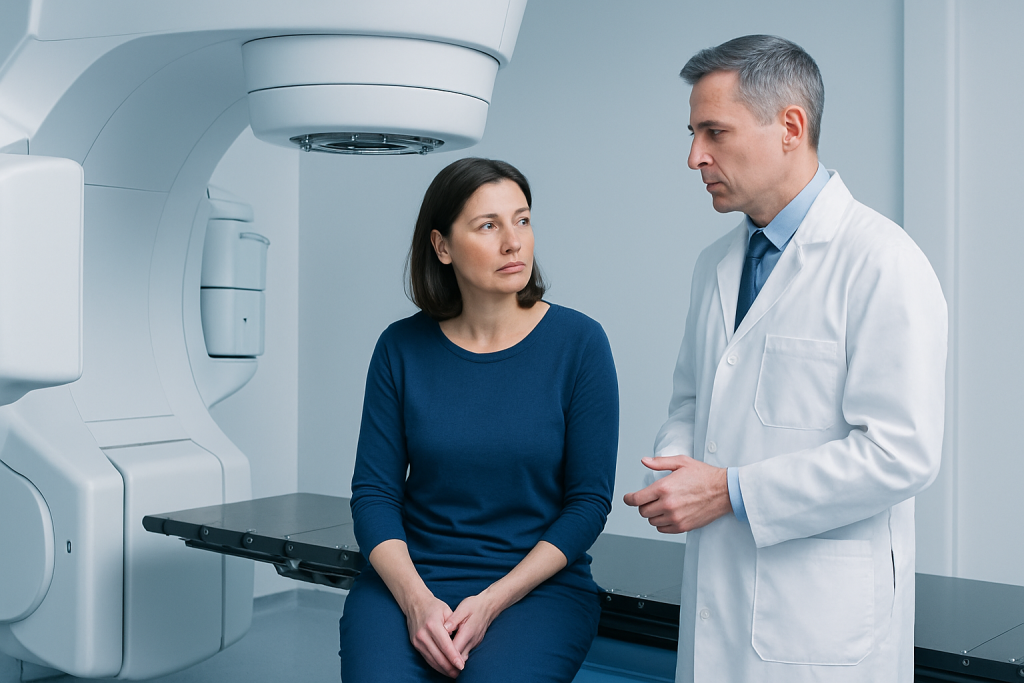
Some patients seek a second opinion soon after a diagnosis because the report is unclear or the explanation feels incomplete. Others do so after treatment has already started, especially if there are unexpected side effects, poor response, or new findings on imaging. A second review is also common when a cancer is rare, advanced, recurrent, or being considered for major surgery.
It can be especially helpful when different specialists appear to have different interpretations of the same information. For example, a pathology report may not fully settle the diagnosis, a scan may need expert radiology review, or a treatment recommendation may depend on genetic or molecular testing that has not yet been completed.
International patients often consider a second opinion when they want confidence before traveling, taking time away from work, or arranging family logistics. In those situations, the goal is not only medical accuracy but also practical clarity: is travel likely to change the plan, or would it mainly duplicate what has already been done?
- Diagnosis is uncertain or rare
- Staging or scan results seem inconsistent
- The recommended treatment is major or life-altering
- Genetic, molecular, or pathology details are missing
- The cancer has returned or stopped responding to treatment
- The patient is planning care in another country
What to ask about the diagnosis, pathology, and staging

The most valuable second-opinion questions usually begin with the basics: What exactly is the cancer, and how certain is that diagnosis? In oncology, the pathology report often drives the entire treatment plan, so it is reasonable to ask whether the tissue sample was adequate, whether expert review is needed, and whether the tumor’s subtype has been identified with confidence.
Staging questions matter just as much. The patient may ask what the stage means in practical terms, which organs or lymph nodes are involved, and whether the current scan set is enough to guide treatment. If there is any ambiguity, the specialist may recommend repeat imaging or review by a subspecialized radiologist before confirming the plan.
Patients may also ask whether biomarkers, hormone receptors, or molecular markers were tested and how those results affect treatment choices. For some cancers, these details can change the sequence of care, the type of systemic therapy, or whether surgery should happen first or later.
- Is the diagnosis confirmed, or should the pathology be reviewed again?
- Does the current stage fully explain the treatment recommendation?
- Were all relevant biomarkers or molecular tests done?
- Would another imaging study change the plan?
- Is the cancer being managed as the correct subtype?
Questions that can change the treatment plan
Some second-opinion questions do more than clarify; they can directly change what happens next. A patient might ask whether the treatment is meant to cure the cancer, control it, or relieve symptoms, because the answer affects how aggressive the plan should be. It is also wise to ask whether the proposed sequence — surgery, chemotherapy, radiation, targeted therapy, immunotherapy, or observation — is the best order for that specific case.
Another useful question is whether there are less invasive options that would still be medically sound. In some cases, the answer may be yes; in others, the original recommendation may remain the strongest option. A second opinion does not always mean a different treatment, but it should always explain why one path is favored over another.
Patients traveling abroad should ask whether the team would choose the same approach if all tests were reviewed from scratch. That question often prompts the specialist to compare the current plan with alternatives, explain trade-offs, and identify any missing information before treatment begins.
- What is the main goal of treatment?
- Is the order of treatments important?
- Are there equally effective but less intensive options?
- Would surgery, radiation, or systemic therapy be best first?
- What part of the plan would most likely change after a fresh review?
How to prepare records for an international second opinion
International second opinions work best when the records are organized before the patient travels or sends files. The reviewing team usually needs the pathology report, imaging studies and reports, biopsy results, laboratory tests, prior treatment summaries, and a list of medicines already used. If the original materials are incomplete, the specialist may not be able to comment confidently on the treatment plan.
It helps to include the most recent scan images rather than only the written report, since images can be interpreted differently by subspecialists. If possible, patients should also send notes from the oncologist, surgeon, or radiation oncologist who first recommended treatment. These documents often show the reasoning behind the plan and help the second-opinion physician focus on the questions that truly matter.
For patients who will travel, timing should be coordinated carefully. Some tests may need to be repeated abroad for accuracy or to meet local treatment standards. A clear plan for record transfer, appointment scheduling, and possible same-day review can make the journey more efficient and less stressful.
- Pathology report and biopsy slides, if available
- Imaging files and written radiology reports
- Laboratory results and biomarker testing
- Current and past treatment summaries
- Medication list and allergy history
How doctors compare options during a second opinion
A good second opinion weighs the cancer itself, the patient’s overall health, and the practical realities of treatment. Specialists may compare surgery, radiation, chemotherapy, targeted therapy, immunotherapy, or combined approaches, but they also look at whether the patient is strong enough for treatment now or whether a different sequence would be safer.
In many cases, the answer depends on multidisciplinary review. Pathologists, radiologists, surgeons, medical oncologists, and radiation oncologists may each contribute a piece of the picture. For international patients, this team-based review can be especially helpful because it reduces the risk that one report or one specialty perspective is carrying the whole decision.
The patient can ask how the team reached its conclusion and what uncertainties remain. Honest uncertainty is often a sign of good medicine, not a weakness. It means the specialist is distinguishing between what is certain, what is likely, and what needs more evidence before treatment moves forward.
- Will the case be reviewed by more than one specialist?
- What is the evidence for the preferred treatment order?
- What are the likely benefits and likely drawbacks of each option?
- Are there clinical features that make one option safer?
- What findings would make the team change course?
Prevention, self-care, and follow-up while deciding on care abroad
While a second opinion is being arranged, patients can support their own care by staying organized and avoiding rushed decisions based only on fear or internet searches. Writing down symptoms, prior test dates, and questions for the specialist can make the consultation more productive. If travel is involved, it is sensible to keep copies of all records in more than one format and to confirm how results will be shared after the visit.
Self-care during this period is mostly about maintaining energy and protecting safety. That includes reporting new symptoms promptly, continuing prescribed medicines as directed, and asking before starting supplements or alternative remedies that might interfere with cancer treatment. A second opinion is also a good time to discuss nutrition, pain control, sleep, mobility, and emotional support.
Patients should also think ahead to follow-up. If treatment begins abroad, the plan should include who will monitor recovery after returning home, how complications will be handled, and which doctor will coordinate ongoing care. A well-designed second opinion does not stop at the diagnosis; it builds a bridge between the first conversation and the next several months of care.
When to seek a second opinion and when to contact a doctor sooner
A second opinion is appropriate whenever the patient wants more clarity, but some situations should not wait. New neurological symptoms, breathing difficulty, uncontrolled pain, fever during treatment, heavy bleeding, or a sudden decline in strength need prompt medical attention. These symptoms may not be part of the second-opinion discussion and should be addressed immediately.
Patients should also contact their current oncology team if the recommended treatment is delayed, if a biopsy site is not healing, or if side effects become hard to manage. A second opinion works best when it complements, rather than replaces, timely care.
For international patients, it can be reassuring to know that some centers are built to review cases across specialties and help coordinate care from a distance. Acibadem Health Point, for example, works with multidisciplinary specialists and JCI-accredited hospitals to diagnose and treat cancer for international patients, while keeping the process grounded in clear communication and careful follow-up.
Frequently asked questions
When does a second opinion for cancer matter most?
It is especially useful when the diagnosis is rare, the stage is unclear, or the treatment would be major or life-changing. It can also help when the patient is considering treatment abroad and wants to know whether travel is likely to change the plan. In many cases, it simply confirms that the original recommendation is appropriate.
Can a second opinion change the cancer treatment plan?
Yes, it sometimes can. A different specialist may review the pathology, imaging, biomarkers, or staging and suggest another sequence of treatment or a different approach. Even when the plan does not change, the review often provides confidence in the decision.
What records should be shared for an international second opinion?
The most important records are pathology reports, biopsy materials if available, imaging files and reports, lab results, and previous treatment summaries. A current medication list and notes from the original oncology team are also helpful. Complete records make the review more accurate and prevent avoidable delays.
Should the patient repeat tests when seeking care abroad?
Sometimes repeat testing is useful, especially if images are old, pathology needs expert review, or the new team needs updated information before treatment. The decision depends on the cancer type and the quality of the existing records. A specialist can usually explain which tests are essential and which are unnecessary.
Is it disrespectful to ask for a second opinion?
No. In cancer care, second opinions are a normal part of thoughtful decision-making. Most doctors understand that patients may want extra reassurance before starting treatment, especially when the plan is complex or involves travel.
What should the patient ask about follow-up after treatment abroad?
The patient should ask who will monitor recovery, how results will be shared with doctors at home, and what to do if side effects appear after returning. It is also wise to ask which symptoms should trigger urgent medical attention. Good follow-up planning helps international care remain coordinated and safe.
References
- National Cancer Institute
- World Health Organization
- American Cancer Society
- European Society for Medical Oncology
- American Society of Clinical Oncology
This article is for general information only and is not a substitute for professional medical advice. Please consult a qualified doctor about your individual situation.