Cancer Treatment Costs Abroad: What Is in the Quote and What Is Not

Key Takeaways
- A treatment quote often covers only the core medical procedures, not every expense linked to travel and recovery.
- Useful quotes clearly separate hospital fees, physician fees, tests, implants or devices, medications, and accommodation when applicable.
- The total cost can change if the treatment plan changes after diagnosis or if complications require extra care.
- Patients should ask for written, itemized estimates and confirm what happens if the plan is adjusted during treatment.
- Comparing countries or hospitals works best when the same services are being compared, not just the headline price.
- Follow-up care after returning home should be planned before travel whenever possible.
Medically reviewed by the Acıbadem clinical team — June 13, 2026
A cancer treatment quote abroad can be helpful, but it rarely tells the whole financial story. Understanding what is included, what may be billed separately, and what follow-up care is needed can make planning clearer and less stressful.
Overview
When people look for cancer treatment abroad, the first number they often see is a package price or an estimated quote. That number can be useful, but it is only one part of the financial picture. Cancer care is rarely a single, fixed service; it is a sequence of decisions, tests, procedures, medicines, and follow-up visits that may change as the medical team learns more.
For international patients, the most important question is not only “How much does it cost?” but also “What exactly does this quote cover?” A clear estimate should help the patient understand the core treatment, the hospital stay, and the usual professional fees. It should also make room for the reality that oncology care can shift once imaging, pathology, or surgical findings are reviewed.
A well-prepared quote supports better planning. It can reduce uncertainty, help families compare hospitals more fairly, and prevent surprises after travel has already begun. Just as importantly, it can reveal what is not included, so patients can budget for the full journey rather than the headline figure alone.
What a cancer treatment quote usually includes
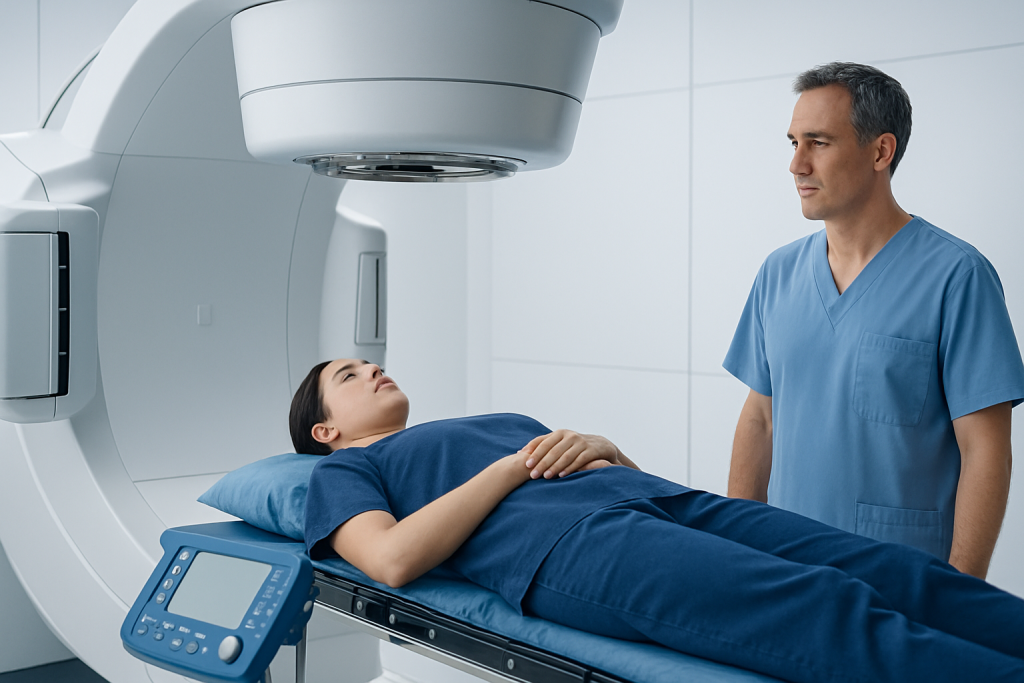
A useful quote normally includes the main medical services tied to the proposed treatment plan. Depending on the diagnosis, this may cover the initial consultation, diagnostic workup, surgery, chemotherapy administration, radiation planning, inpatient room charges, and routine nursing care. In some settings, the quoted amount also includes the specialist’s fee and standard hospital use of operating rooms or treatment suites.
Itemized quotes are easier to understand than flat totals. They allow patients to see whether they are paying separately for consultations, scans, pathology review, anesthesia, day-ward stays, or hospital nights. For an international patient, this level of detail matters because it shows whether the estimate is truly comparable to another hospital’s offer.
Many quotes also state what assumptions were used to create the estimate. For example, a hospital may assume a specific tumor stage, a standard length of stay, or a certain type of surgery. If the final medical plan changes, the cost may change too. A quote is therefore best viewed as a working estimate based on the information available at that point in time.
- Initial specialist consultation
- Basic laboratory testing and imaging
- Core procedure or treatment session
- Routine hospital stay and standard nursing care
- Medical team fees, when listed
- Standard discharge summary and short-term instructions
What is often not included

Some of the most important costs are not always visible in the first estimate. Extra tests may be needed after the team reviews pathology or imaging in more detail. New findings can lead to a different procedure, additional imaging, more complex surgery, or a longer hospital stay. These changes are not necessarily unexpected; they are often part of careful cancer care.
Patients should also ask about items that are commonly billed separately. These may include medications taken after discharge, blood products, imported implants or devices, pathology add-ons, intensive care, physiotherapy, translation services, airport transfers, and accommodation for family members. In some hospitals, pre-treatment workup performed before admission is also outside the quoted amount.
Travel-related spending is another area that can be overlooked. Plane tickets, visas, local transport, meals, and companion costs may not appear in any medical quote. If treatment is delivered over several visits, patients may also need to budget for repeat travel, longer time away from work, and possible changes in return plans if recovery takes more time than expected.
- Pre-travel and visa expenses
- Flights and ground transport
- Hotel or serviced apartment costs
- Interpreter or translation support
- Additional medications after discharge
- Unplanned tests or extended hospitalization
Why quotes can vary so much
Two quotes for what sounds like the same cancer treatment can differ for legitimate reasons. Hospitals may use different surgical techniques, medication protocols, room categories, or follow-up structures. Some centers include more services in one package, while others list them separately. A lower headline price is not always a lower total cost if many essential items are excluded.
Differences also arise because cancer is not one condition. The same diagnosis can require very different care depending on stage, tumor biology, overall health, previous treatment, and whether the goal is cure, control, or symptom relief. A quote based on early-stage disease should not be compared directly with a quote based on a more complex case.
International patients may notice variation in how hospitals format estimates. One provider may show a broad package, while another may provide a line-by-line list. Neither format is automatically better, but both should make the assumptions clear. If a quote feels vague, it is reasonable to ask for a revised, itemized version before making travel plans.
How to compare quotes fairly
Comparing cancer treatment quotes works best when the comparison starts with the same clinical question. Patients should first confirm that both hospitals are recommending the same treatment approach, or at least explaining why their plans differ. A quote for surgery should not be compared with a quote that also includes chemotherapy, radiation planning, and prolonged follow-up unless the services are fully matched.
It helps to ask each provider for the same set of details. These usually include what the proposed treatment is, which tests are included, how many inpatient days are expected, whether professional fees are separate, and what happens if the treatment plan changes after pathology or intraoperative findings. Patients may also ask whether a companion room, interpreter, or airport transfer is included, especially if they are traveling from another country.
It is also wise to compare the support structure around the treatment, not only the price. Patients often need help with coordination, records review, second opinions, and post-treatment planning. A quote that is easier to understand and supported by responsive communication may be more helpful than a slightly lower estimate that leaves important details unresolved.
- Confirm the same diagnosis and treatment goal
- Check whether the quote is itemized or bundled
- Ask what happens if the plan changes
- Compare hospital stay, anesthesia, and medication policies
- Review follow-up and aftercare arrangements
Diagnosis, second opinions, and changing plans
In oncology, the diagnosis itself often shapes the final price. Many patients seek treatment abroad after receiving pathology reports, scans, or a first opinion in their home country. A new team may review those records and recommend a slightly different approach after confirming stage, histology, molecular markers, or surgical accessibility. That does not mean the original quote was wrong; it may simply have been based on incomplete information.
For this reason, a second-opinion review can be valuable before travel. It may clarify whether surgery, systemic therapy, radiation, or active monitoring is the most appropriate next step. It can also help the patient understand which parts of the quote are firm and which are provisional. If more information is needed, the estimate should be updated rather than treated as final.
Patients should keep in mind that cancer care often follows a sequence. Imaging may reveal a need for further staging, a biopsy may lead to pathology revision, or surgery may uncover a different extent of disease. In these situations, good communication matters more than a fixed number on paper. A reliable provider will explain why costs are changing and what medical reasons are behind the change.
Prevention, budgeting, and self-care while planning travel
There is no way to prevent every cost change in cancer care, but there are practical steps that reduce stress. The most useful one is to request a written, itemized estimate before booking travel. Patients should ask which services are included, which are optional, and which are commonly needed but not guaranteed. If the hospital expects a deposit or a staged payment schedule, that should be clear up front.
It is also sensible to plan for recovery as part of the budget. Even when the treatment itself is straightforward, the days after a procedure may involve fatigue, restricted activity, wound care, dietary changes, or repeat visits. Some patients need a companion for support, especially if language barriers or mobility concerns are present. Building that reality into the plan can help avoid rushed decisions later.
Self-care during medical travel should remain practical and gentle. Patients should keep copies of reports, carry a list of current medicines and allergies, and know whom to contact if symptoms change after discharge. Before returning home, they should ask for a summary in language they can share with their local doctor so follow-up does not begin from scratch.
- Request an itemized written quote
- Confirm what may trigger extra charges
- Plan for recovery time, not just procedure time
- Keep all reports and discharge documents together
- Arrange follow-up care before leaving the country
When to see a doctor or ask for a clearer estimate
Patients should seek medical guidance promptly if new symptoms appear while waiting for treatment, or if there is confusion about whether the proposed plan is still appropriate. Sudden weight loss, severe pain, unexplained bleeding, fever, shortness of breath, or rapidly worsening weakness should not be managed through billing discussions alone. These symptoms need timely clinical attention.
It is also sensible to ask for clarification whenever a quote is hard to interpret. If the estimate does not say what is included, if the treatment plan is described only in broad terms, or if the final price is likely to change based on pending tests, the patient deserves a clearer explanation. Good oncology planning is transparent, especially when care is being arranged across borders.
Acibadem Health Point’s multidisciplinary specialists and JCI-accredited hospitals diagnose and treat cancer for international patients, with care pathways designed to make medical and logistical details easier to navigate. The most helpful next step is often a coordinated review of records, so the treatment plan and the expected costs can be discussed together before travel.
Frequently asked questions
Why can a cancer treatment quote abroad change after I arrive?
The quote is usually based on the records and test results available at the time it is written. If new imaging, pathology, or surgical findings change the plan, the cost may also change. This is common in oncology and usually reflects updated medical information rather than a billing error.
Should I choose the hospital with the lowest quote?
Not necessarily. The lowest headline price may exclude services that another hospital includes, such as anesthesia, scans, or follow-up visits. It is safer to compare the exact services covered and the treatment plan behind the price.
What details should be in a good cancer treatment estimate?
A helpful estimate should explain the proposed treatment, the included tests, the expected length of stay, and whether physician or facility fees are separate. It should also state what is not included and what might trigger extra charges.
Are travel and accommodation usually part of the medical quote?
Often they are not. Flights, visas, hotels, meals, and companion expenses are commonly separate from the hospital estimate. Patients should budget for these items before making travel plans.
Can I ask for a second opinion before committing to treatment abroad?
Yes, and it is often a good idea in cancer care. A second opinion can confirm the diagnosis, clarify the treatment goal, and help the patient understand whether the quote reflects the right plan.
What documents should I bring when asking for a cost estimate?
Patients should bring pathology reports, imaging results, biopsy findings, operative notes, and a list of current medicines if available. The more complete the records, the easier it is for the medical team to create a realistic estimate.
References
- World Health Organization
- National Cancer Institute
- American Cancer Society
- International Agency for Research on Cancer
- European Society for Medical Oncology
This article is for general information only and is not a substitute for professional medical advice. Please consult a qualified doctor about your individual situation.