Breast Cancer Surgery Abroad: A Step-by-Step Patient Path From Imaging to Discharge

Key Takeaways
- Imaging and biopsy confirm the diagnosis and help guide the surgical plan.
- Surgery may remove the tumor alone or the breast tissue, sometimes with lymph node sampling.
- Reconstruction can be immediate or delayed, depending on the treatment plan and patient preference.
- Recovery includes pain control, wound care, movement guidance, and follow-up planning before travel home.
- Patients should seek prompt medical advice for infection signs, heavy bleeding, or new swelling after surgery.
Breast cancer surgery abroad usually follows a careful sequence: imaging, diagnosis, surgical planning, the operation itself, and structured recovery before discharge. For international patients, clear coordination helps make each stage easier to understand, prepare for, and follow after returning home.
Overview
For many people, breast cancer surgery is not a single event but a coordinated journey that begins long before the operating room. When care is sought abroad, that journey often includes remote review of scans, travel planning, in-person imaging, biopsy confirmation, surgical consultations, and a discharge plan that supports the return home.
The type of surgery depends on the size and location of the cancer, whether nearby lymph nodes are involved, and whether breast reconstruction is being considered. Some patients undergo breast-conserving surgery, while others need a mastectomy. In both settings, the aim is the same: remove the cancer safely and create the clearest path toward recovery and further treatment if needed.
International patients often value a setting where imaging, pathology, surgery, and postoperative care are coordinated by the same team. That structure can reduce confusion and help decisions happen in a steady, step-by-step way rather than under pressure.
Signs and Symptoms That Lead to Evaluation
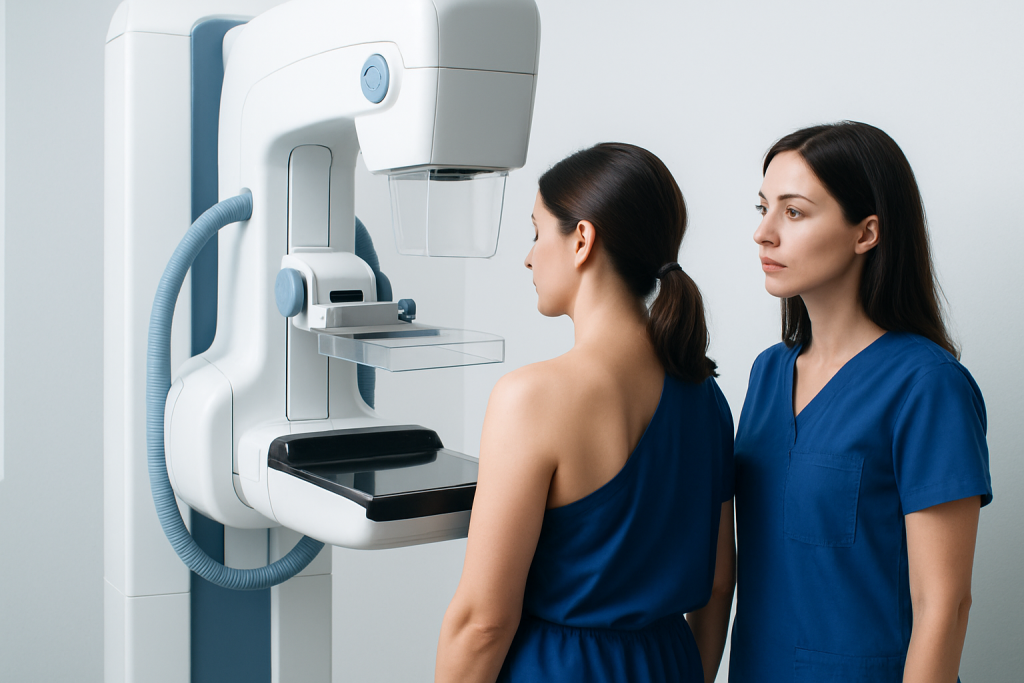
Breast cancer surgery usually begins after a concerning finding has already been identified. That may happen during routine screening or after a person notices a change in the breast. Common reasons for evaluation include a new lump, skin dimpling, nipple changes, unusual discharge, swelling, or a persistent area that feels different from the surrounding tissue.
Symptoms do not always mean cancer, and many breast changes are caused by noncancerous conditions. Even so, any new or unexplained change should be assessed by a qualified clinician, especially if it persists or is associated with a personal or family history of breast disease.
When care is being arranged from another country, it is helpful to gather prior mammograms, ultrasound reports, biopsy results, and pathology slides if available. Having those records ready can make the first specialist appointment more efficient and may prevent unnecessary repeat testing.
Causes and Risk Factors
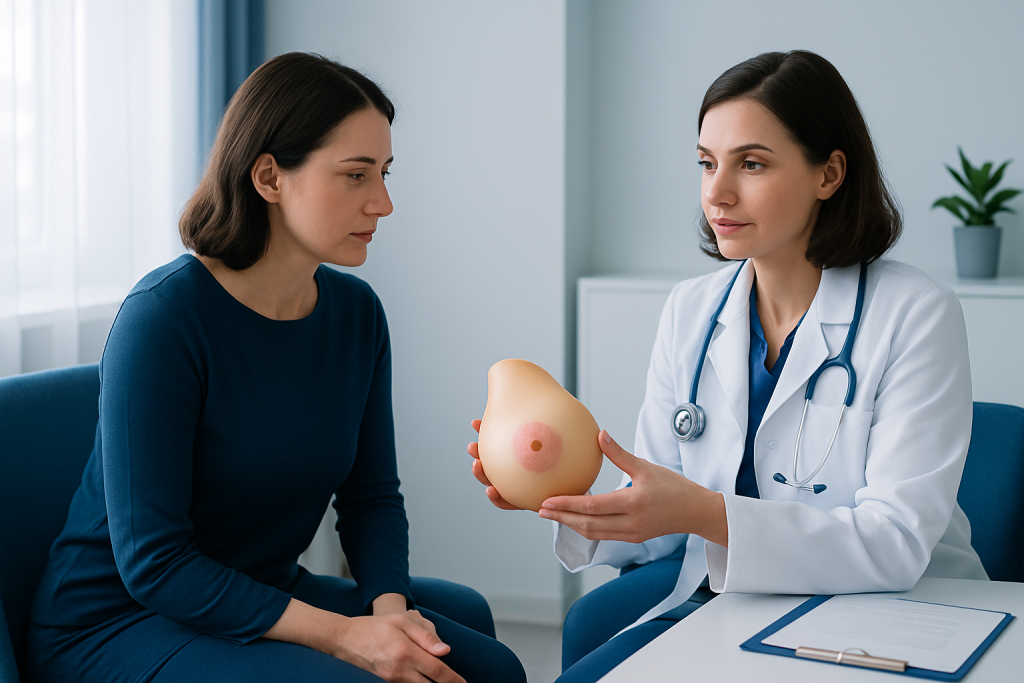
Breast cancer develops when cells in the breast begin to grow in an uncontrolled way. The exact reason this happens is not always clear, and in many cases there is no single cause. Doctors look at the overall pattern of risk rather than one isolated factor.
Risk can be influenced by age, inherited gene changes, family history, previous breast conditions, hormone exposure, breast density, alcohol use, obesity after menopause, and certain lifestyle factors. Some people who develop breast cancer have none of the commonly known risk factors, which is why regular screening and timely assessment of changes matter.
When surgery is planned, the team also considers tumor biology, whether the cancer is hormone-sensitive or HER2-positive, and whether other treatments such as chemotherapy, targeted therapy, or radiation are likely to be part of the plan. These details can affect the timing and extent of surgery.
Diagnosis and Preoperative Planning
Before surgery, the medical team confirms the diagnosis and maps the disease as accurately as possible. This often starts with mammography and breast ultrasound, followed by breast MRI in selected cases. A biopsy is then used to confirm whether the suspicious area is cancer and to identify its biological features.
For patients traveling abroad, this stage may also include consultation with a breast surgeon, radiologist, pathologist, and oncologist. The goal is to decide whether breast-conserving surgery or mastectomy is more appropriate, and whether lymph nodes should be assessed at the same time. Patients are also asked about medications, allergies, prior surgeries, and any conditions that might affect anesthesia or healing.
Preoperative planning usually covers practical matters as well: arrival timing, fasting instructions, expected hospital stay, and whether reconstruction will be done immediately or later. A good plan reduces uncertainty and helps the patient know what to expect on each day of care.
- Imaging helps define the size and position of the tumor.
- Biopsy confirms the diagnosis and tumor type.
- Pathology and receptor testing guide treatment choices.
- Medical review helps the team plan anesthesia and recovery safely.
Treatment Options: What Surgery May Involve
Breast cancer surgery is tailored to the individual. Breast-conserving surgery, sometimes called lumpectomy, removes the cancer and a margin of surrounding tissue while preserving most of the breast. Mastectomy removes the breast tissue and may be recommended when the cancer is larger, in multiple areas, or when the patient prefers this option after discussion with the surgeon.
Lymph node evaluation is often part of the operation. In some cases, a sentinel lymph node biopsy is performed to check whether cancer cells have spread to the first draining nodes. If more extensive spread is suspected or confirmed, additional node surgery may be considered. The exact approach depends on the imaging, biopsy findings, and the surgeon’s assessment.
Reconstruction may be done during the same operation or at a later date. Some people choose implant-based reconstruction, while others are better suited to tissue-based reconstruction using their own tissue. Not every patient wants reconstruction, and that choice is also fully valid. The best plan is the one that aligns with medical safety, anatomy, and personal preference.
The Day of Surgery and the Hospital Stay
On the day of surgery, the patient is reviewed by the surgical and anesthesia teams, and the planned operation is confirmed. Marking the surgical site, reviewing consent, and checking test results are all part of standard safety steps. If a sentinel node procedure is planned, the team may use imaging guidance or a tracer technique depending on the hospital protocol.
After surgery, most patients spend time in recovery while the team monitors pain, bleeding, vital signs, and the first signs of healing. Some procedures require a short hospital stay, while others may allow discharge the same day or the next day if the patient is stable and comfortable.
For international patients, the inpatient period is also when discharge teaching becomes essential. Nurses and doctors explain how to care for dressings, drains if present, and any movement restrictions. They also review which symptoms are expected and which ones should prompt a call to the hospital.
- Dressings are kept clean and dry according to the care plan.
- Drains, if used, are managed with clear instructions before discharge.
- Pain control is adjusted so the patient can rest and move safely.
- Early walking may be encouraged to support circulation and recovery.
Recovery, Prevention, and Self-care After Discharge
Recovery after breast cancer surgery is gradual. Soreness, tightness, fatigue, and limited arm movement are common in the early period, especially after a mastectomy or lymph node surgery. The care team may recommend gentle arm exercises, wound care, and activity limits to support healing without straining the surgical area.
Self-care also includes watching for signs that need medical attention, such as increasing redness, fever, drainage that looks unusual, worsening swelling, or sudden shortness of breath. Most patients recover best when they follow the exact instructions given by their surgical team, especially if they are traveling soon after discharge.
Prevention in the broader sense means continuing the care plan that reduces recurrence risk and supports overall health. That may include radiation, endocrine therapy, chemotherapy, or targeted therapy when recommended. Healthy routines such as maintaining a balanced diet, staying active as allowed, limiting alcohol, and attending follow-up visits can also support recovery and long-term health.
Because return travel can be tiring, international patients should plan enough time for postoperative review before flying home. The treating team may advise when it is safe to travel, how to protect the wound during the trip, and when to arrange the next checkup with a local doctor.
When to See a Doctor
Medical follow-up is important after every breast cancer operation, but certain symptoms call for prompt review rather than routine waiting. These include fever, rapidly increasing redness or warmth, significant bleeding, sudden fluid buildup, severe pain that does not improve, or new weakness and breathlessness.
Patients should also contact their surgeon if a drain stops working, a dressing becomes soaked, or the incision opens. Even when recovery is going well, missed follow-up can create avoidable delays in wound checks, pathology review, or planning the next phase of treatment.
For someone considering care abroad, it is wise to choose a center that can provide clear written instructions and continuity after discharge. Acibadem Health Point’s multidisciplinary specialists and JCI-accredited hospitals diagnose and treat breast cancer for international patients, with coordinated support from imaging through follow-up.
Anyone with a new breast change or a recent diagnosis should speak with a qualified doctor to review the safest next steps. Early, well-organized care can make the surgical path more manageable and easier to continue after returning home.
Follow-up After the First Trip Home
After the initial recovery period, follow-up usually continues with pathology review, oncology consultation, and surveillance imaging when appropriate. The final pathology report is especially important because it confirms whether the cancer was fully removed and whether additional treatment is recommended.
Patients returning to another country should keep copies of operative notes, pathology reports, imaging results, and discharge instructions. These documents help local doctors continue care without repeating the entire workup. If reconstruction was performed, follow-up may also include monitoring the implant or tissue flap and discussing long-term expectations.
A smooth transition home depends on clear communication before departure. When patients know who to contact, what symptoms matter, and when the next appointment is due, recovery becomes more organized and less stressful.
Frequently asked questions
What usually happens first before breast cancer surgery abroad?
The process usually starts with imaging such as mammography or ultrasound, followed by biopsy if a suspicious area is found. Once the diagnosis is confirmed, the surgeon and oncology team review the results and plan the most suitable operation.
Is breast-conserving surgery always possible?
No, it is not always the right option. Whether it can be done depends on tumor size, location, imaging findings, and the person’s overall treatment plan. The surgeon will explain the safest choice based on those details.
Will lymph nodes always be removed during surgery?
Not always. Many patients have sentinel lymph node biopsy, which checks a small number of nearby nodes rather than removing many of them. The need for more extensive node surgery depends on the cancer’s features and whether spread is suspected.
How long does recovery take after breast cancer surgery?
Recovery varies with the type of surgery, whether reconstruction was done, and whether lymph nodes were involved. Some people return to light activities within days, while others need a longer period to heal and regain comfort and arm movement.
Can a patient fly home soon after surgery?
It depends on the operation, overall recovery, and the surgeon’s advice. Many patients need a short postoperative stay and a review before travel, especially if drains, pain control, or follow-up appointments are still needed.
What should a patient watch for after discharge?
Fever, increasing redness, unusual drainage, swelling, severe pain, or shortness of breath should be reported promptly. These symptoms do not always mean a serious problem, but they should be checked quickly by the surgical team.
References
- American Cancer Society
- National Cancer Institute
- World Health Organization
- NHS
- European Society for Medical Oncology
This article is for general information only and is not a substitute for professional medical advice. Please consult a qualified doctor about your individual situation.