Receding Gums: Symptoms, Causes and Treatment

Key Takeaways
- Receding gums are a sign of change in the gum tissue and should not be ignored.
- Common causes include gum disease, aggressive brushing, teeth grinding, and thin gum tissue.
- Diagnosis usually involves a dental exam and measurements around the teeth and gums.
- Treatment depends on the cause and may include improved home care, professional cleaning, or periodontal procedures.
- Early care can help reduce discomfort and lower the risk of further gum and bone damage.
Medically reviewed by the Acıbadem clinical team — August 19, 2026
Receding gums happen when the gum tissue pulls back from the teeth, exposing more of the tooth or its root. This can cause sensitivity, cosmetic concerns, and a higher risk of dental problems, but timely dental care can often slow progression and protect oral health.
Overview
Receding gums describe a gradual pulling back of the gum margin from the tooth surface. When this happens, the tooth may look longer than before, and the exposed root area can become more sensitive to cold, touch, or brushing. The change may be slow enough that a person notices it only in a mirror or during a dental visit.
Although gum recession is common, it is not something to simply accept as normal aging. It often reflects an underlying issue such as periodontal disease, brushing habits that irritate the gums, or bite forces that place stress on the teeth. A dentist or periodontist can help identify the reason and suggest the most appropriate next step.
For people considering care away from home, gum recession is a condition where a clear diagnosis matters. International patients may benefit from a dental team that can examine the gums, review past dental work, and create a plan that fits both immediate needs and follow-up once they return home.
Symptoms
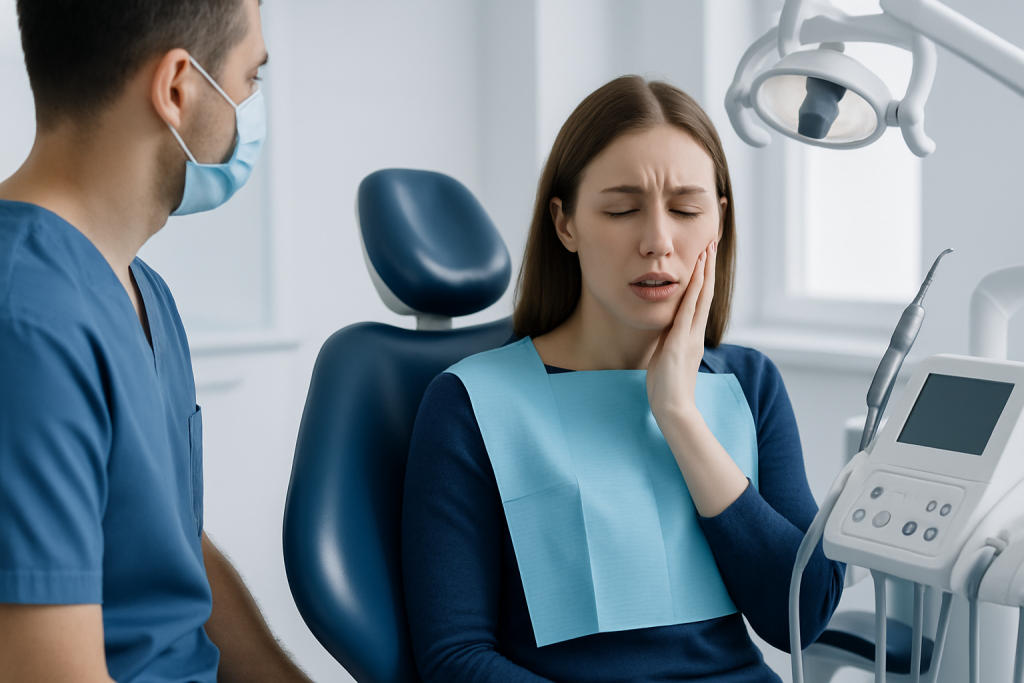
Some people first notice that their teeth appear longer or uneven at the gumline. Others become aware of receding gums because a tooth feels more sensitive than before, especially when drinking cold beverages or eating something sweet. In some cases, a notch near the gumline may also be visible.
Possible signs can include:
- Tooth sensitivity to temperature, sweets, or brushing
- Teeth that appear longer than neighboring teeth
- Visible root surfaces or yellowish areas near the gumline
- Gums that look thin, tight, or uneven
- Bleeding, redness, or swelling if gum disease is present
Recession may affect one tooth or several teeth. When it is linked to inflammation or periodontal disease, the gums may also bleed easily or feel tender. If the problem is mainly related to brushing technique or grinding, discomfort may be limited, but the tissue can still continue to change over time.
Causes & Risk Factors

Receding gums have more than one possible cause, and several factors may be present at the same time. The most common reason is periodontal disease, where plaque and bacteria irritate the gums and supporting tissues. Over time, this can weaken attachment and allow the gumline to move downward.
Other contributors include brushing too hard, using a toothbrush with stiff bristles, clenching or grinding the teeth, tobacco use, and some types of dental alignment problems. A natural thinness of the gum tissue can also make recession more likely, especially around crowded teeth or teeth positioned outside the main arch.
Risk may be higher in people who have:
- History of gum disease
- Poor plaque control or inconsistent flossing
- Orthodontic crowding or bite imbalance
- Teeth grinding during sleep
- Smoking or other tobacco exposure
- Previous trauma to the gums or restorative dental work near the gumline
Understanding the cause is important because treatment is not one-size-fits-all. A patient traveling for dental care may need records, X-rays, and a full gum evaluation so the specialist can separate active inflammation from older, stable recession.
Diagnosis
Diagnosis starts with a dental examination. The clinician looks at the gumline, checks for plaque and tartar, and measures the space around each tooth with a small periodontal probe. These measurements help show whether the gum attachment is stable or whether deeper pockets suggest periodontal disease.
Dental X-rays may be used to assess bone support around the teeth and to see whether bone loss is contributing to the recession. The dentist may also ask about brushing habits, teeth grinding, smoking, recent orthodontic treatment, or changes in the way the teeth fit together.
In some cases, the appearance of receding gums is only part of the picture. Sensitivity, bleeding, bad breath, or loose teeth can point toward a broader gum condition that needs treatment. A careful diagnosis helps avoid both undertreatment and unnecessary procedures.
Treatment Options
Treatment depends on why the gums are receding and how much tissue and bone support remain. When gum disease is active, the first priority is to reduce bacteria and inflammation. This may involve a professional cleaning, scaling and root planing, and improved home oral hygiene to help the gums heal and stabilize.
If brushing habits are part of the problem, a dentist can recommend a softer brush and a gentler technique that cleans effectively without traumatizing the gums. If teeth grinding is contributing, a night guard may help protect the teeth and reduce repeated force on the gumline. In some situations, orthodontic or restorative treatment may be considered to improve alignment or reduce local irritants.
When recession is more advanced, periodontal surgery may be discussed. Soft tissue grafting can help cover exposed roots in selected cases, reduce sensitivity, and improve protection of the tooth. The choice depends on the amount of recession, the thickness of the tissue, the position of the teeth, and the patient’s overall oral health.
For international patients, it is especially helpful when the treatment plan is staged clearly. That way, initial care, any surgical procedure, and the timeline for healing and follow-up can be organized with travel in mind. Acibadem Health Point’s multidisciplinary specialists and JCI-accredited hospitals diagnose and treat this condition for international patients.
Prevention & Self-care
Daily habits can make a meaningful difference, especially when recession is caught early. Brushing twice a day with a soft-bristled toothbrush and using gentle, small motions can clean teeth without scraping the gumline. Flossing or another form of interdental cleaning helps reduce plaque where a brush cannot reach.
It also helps to pay attention to pressure. A person who brushes hard because the teeth feel “not clean enough” may actually be irritating the gums further. A dental team can demonstrate a technique that is thorough but not aggressive, and electric toothbrushes with pressure sensors may be useful for some patients.
Other supportive steps include:
- Avoiding tobacco products
- Managing teeth grinding with professional guidance
- Keeping regular dental cleanings
- Reporting new sensitivity early
- Using toothpaste designed for sensitivity if recommended by a dentist
People receiving care abroad may want a simple written home-care plan before they travel back. Clear instructions about brushing, diet after treatment, and signs that should prompt a follow-up appointment can help maintain progress once daily routine resumes at home.
When to See a Doctor
It is sensible to see a dentist if the gums look lower than before, if teeth seem longer, or if sensitivity is becoming harder to ignore. A visit is also important if there is bleeding, swelling, persistent bad breath, or a feeling that the teeth are loose or shifting.
Prompt evaluation is especially valuable when recession appears quickly, affects only one area, or happens together with pain. These patterns may signal gum disease, a bite-related issue, or trauma that deserves attention. Early treatment can often slow further change and reduce the chance of more complex care later.
After treatment, follow-up matters as much as the first appointment. Monitoring gum measurements, reviewing brushing habits, and keeping periodontal maintenance visits can help preserve results over time. For patients coordinating care from another country, arranging follow-up before travel ends can make recovery smoother and more predictable.
Living With Receding Gums
Living with gum recession is often more manageable when the reason is clearly identified and the care plan is realistic. Some cases remain stable with home care and regular cleanings, while others need ongoing periodontal monitoring to prevent progression. What matters most is not waiting for the problem to become painful before acting.
Emotional concerns are understandable, especially when recession changes the look of the smile. A calm, stepwise treatment plan can address both the health of the gums and the appearance of the teeth without rushing into unnecessary procedures. Patients who are traveling for treatment may find it reassuring to know what can be completed before departure and what can safely be followed up later.
With the right dental support, receding gums can often be managed effectively. The goal is to protect the tooth roots, reduce discomfort, and keep the mouth healthy for the long term.
Frequently asked questions
Are receding gums reversible?
In most cases, gum tissue that has already receded does not grow back on its own. Treatment focuses on stopping or slowing further recession, treating any underlying cause, and protecting exposed roots. In some cases, gum grafting can help restore coverage over selected areas.
Does gum recession always mean gum disease?
No, gum disease is a common cause, but it is not the only one. Brushing too hard, teeth grinding, thin gum tissue, and certain alignment issues can also play a role. A dental exam is the best way to find the reason.
Can a different toothbrush help?
Yes, many people benefit from switching to a soft-bristled toothbrush and using lighter pressure. A dentist or hygienist can show a brushing method that cleans well without traumatizing the gums. This can be an important part of preventing further recession.
Why do exposed roots feel sensitive?
The root surface is not covered by the same protective enamel found on the crown of the tooth. That makes it more sensitive to temperature changes, touch, and sometimes sweet foods. Sensitivity can improve when the cause is addressed and protective treatments are used.
When is surgery considered for receding gums?
Surgery is usually considered when recession is significant, causes discomfort, or leaves the roots at risk. A gum graft may be recommended in selected cases after a full periodontal assessment. The decision depends on tissue health, bone support, and the patient’s goals.
How often should someone with gum recession see the dentist?
The interval depends on the cause and severity. Some people need routine checkups, while others benefit from more frequent periodontal maintenance to keep inflammation under control. The dentist will suggest a schedule based on individual needs.
References
- American Dental Association
- Mayo Clinic
- National Institute of Dental and Craniofacial Research
- American Academy of Periodontology
- NHS
This article is for general information only and is not a substitute for professional medical advice. Please consult a qualified doctor about your individual situation.
Hair transplant in Turkey — costs, graft counts & a free assessment
JCI-accredited · board-certified surgeons · reply within 24h
Add us as a Preferred Source to see more of our trusted health content across Google Search, AI Overviews and Discover.