Scaling And Root Planing

Key Takeaways
- Scaling and root planing targets plaque, tartar, and bacteria below the gumline.
- It is commonly used for gingivitis that has progressed to periodontitis or early gum pocketing.
- The procedure may require local anesthesia and is often completed over more than one visit.
- Good home care and regular dental follow-up are essential after treatment.
- People with deeper gum disease may need ongoing periodontal maintenance to protect results.
Medically reviewed by the Acıbadem clinical team — August 19, 2026
Scaling and root planing is a non-surgical treatment used to manage gum disease by cleaning below the gumline and smoothing tooth roots. It helps reduce infection, support gum healing, and lower the chance of further periodontal damage.
Overview
Scaling and root planing is often described as a deep cleaning, but it is more than a routine dental visit. It is a focused treatment for gum disease that reaches below the gumline, where standard brushing, flossing, and regular cleanings cannot fully remove hardened deposits and bacterial buildup.
The first part, scaling, removes plaque and tartar from tooth surfaces and from inside periodontal pockets. The second part, root planing, smooths the root surfaces so the gums can reattach more comfortably and bacteria have fewer places to collect. For many people, this treatment is the first important step in stopping gum disease before it progresses further.
For international patients deciding on care, scaling and root planing is usually one of the most practical periodontal treatments to plan around travel. It is typically done in stages, can be combined with diagnostic periodontal measurements, and is followed by healing checks and maintenance visits that help guide recovery after returning home.
Symptoms and Signs That May Lead to Treatment
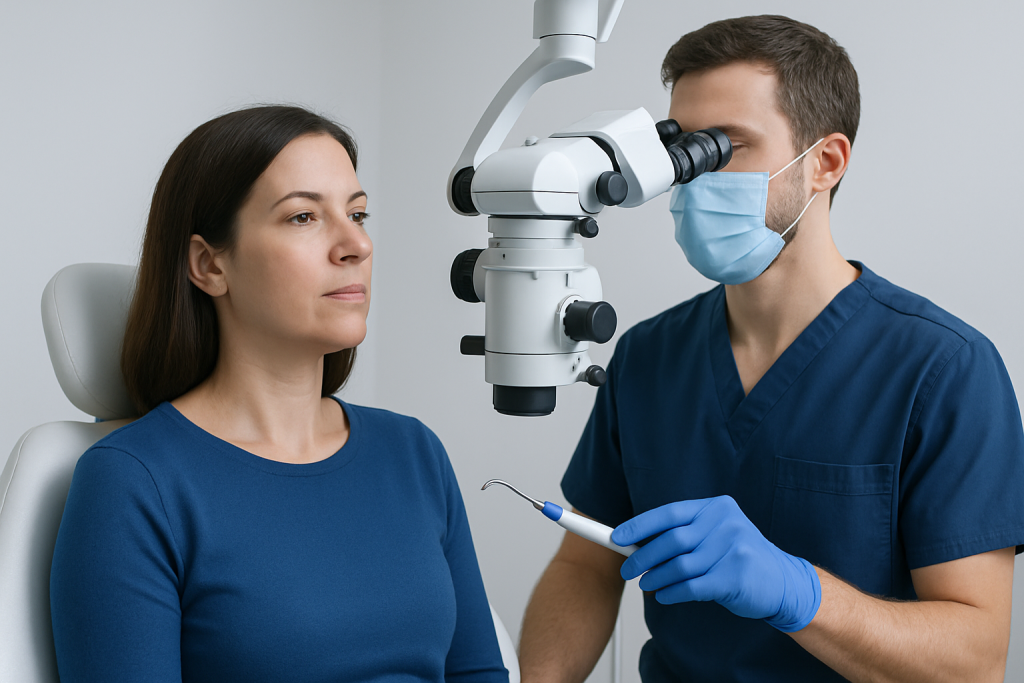
Scaling and root planing is usually recommended after a dental exam shows signs that the gums are inflamed or that pockets have formed around the teeth. Patients may not always feel pain at first, which is one reason gum disease can progress quietly.
Common signs include gums that bleed during brushing or flossing, persistent bad breath, swollen or tender gums, gum recession, or a feeling that the teeth are longer than before. Some people notice sensitivity to hot, cold, or sweet foods, while others become aware of a metallic taste or looseness in certain teeth.
- Bleeding when brushing or flossing
- Red, puffy, or tender gums
- Persistent bad breath
- Gum recession or exposed tooth roots
- Tooth sensitivity or shifting teeth
When these signs appear, a dentist or periodontist may use scaling and root planing to reduce infection and create a healthier environment for the gums to heal.
Causes and Risk Factors

The main cause of gum disease is the accumulation of bacterial plaque along and under the gumline. If plaque is not removed effectively, it can harden into tartar, irritate the gums, and trigger an inflammatory response that damages the tissues supporting the teeth.
Certain factors make this process more likely or harder to control. Smoking, poorly controlled diabetes, dry mouth, crowded teeth, a history of gum disease, and inconsistent oral hygiene can all increase risk. Some medications and hormonal changes may also affect gum health, although they do not cause periodontal disease on their own.
It is helpful to think of scaling and root planing as a response to both the bacteria and the pockets they create. Once pockets deepen, everyday cleaning becomes less effective, and professional treatment is needed to interrupt the cycle of inflammation.
How Diagnosis Is Made
Before recommending scaling and root planing, the dental team usually performs a periodontal evaluation. This includes checking the gums visually, measuring the depth of the pockets around each tooth, assessing bleeding, and reviewing X-rays to look for bone loss or hidden deposits.
These findings help determine whether the problem is limited to early gingivitis or has advanced into periodontitis, where deeper cleaning is more appropriate. The dentist may also review medical history because general health conditions can influence healing and follow-up planning.
For patients traveling from abroad, a clear diagnosis is especially useful because it helps organize treatment in a limited timeframe. A good periodontal plan should explain which areas need treatment, whether anesthesia is likely, how many visits are needed, and what follow-up will be expected after returning home.
Treatment Options
Scaling and root planing is usually performed with hand instruments, ultrasonic devices, or both. The goal is to remove plaque and tartar from above and below the gumline and to smooth root surfaces so the gums can recover more easily.
Depending on how much of the mouth is affected, the treatment may be done by quadrant or by several sections over separate visits. Local anesthesia is often used to improve comfort, especially when pockets are deep or the gums are sensitive. After treatment, the dental team may suggest a short course of reevaluation to see whether the pockets have become shallower and the inflammation has improved.
In some cases, scaling and root planing is enough to stabilize gum disease when paired with careful home care. In other cases, additional periodontal treatments may be considered, such as localized antimicrobial therapy or further gum surgery if deep pockets remain. The best approach depends on the amount of tissue damage, the patient’s overall health, and how the gums respond after the initial cleaning.
What Recovery Is Like
After scaling and root planing, it is common for the teeth and gums to feel a little tender for a few days. Mild sensitivity to cold foods, slight bleeding during brushing, or temporary soreness can occur as the tissues settle and begin to heal.
Most people can return to normal daily activities right away, but they may need to adjust their diet for a short period by choosing softer foods and avoiding very hot, spicy, or sharp foods if the gums feel irritated. A gentle brushing routine and careful flossing are usually encouraged, even if the gums bleed slightly at first, because consistent cleaning helps healing.
Follow-up visits are important because periodontal healing is measured over time. The dentist may reassess pocket depth, gum firmness, and plaque control to decide whether maintenance cleaning or another step is needed.
Prevention and Self-care
Once gum disease has been treated, the daily routine becomes just as important as the procedure itself. Brushing twice a day with a soft-bristled toothbrush, cleaning between the teeth daily, and using any recommended rinses can help keep bacteria under control.
Other healthy habits matter too. Quitting smoking, managing blood sugar if diabetes is present, drinking enough water, and keeping regular professional cleanings all support gum stability. A patient who has already needed scaling and root planing may be advised to return for periodontal maintenance visits more often than a standard dental cleaning schedule.
For people who live in another country from where treatment is received, it helps to leave with a clear written summary of the diagnosis and follow-up plan. That makes it easier for the home dentist to continue care without interruption and helps protect the results of treatment.
When to See a Doctor
Anyone who notices bleeding gums, ongoing bad breath, gum recession, or loose teeth should arrange a dental evaluation rather than waiting for symptoms to worsen. Gum disease is easier to manage earlier, before it causes deeper tissue and bone changes.
Prompt assessment is especially important for people with diabetes, smokers, pregnant patients, and anyone with a history of periodontal disease, since these groups may need closer monitoring. If there is facial swelling, significant pain, fever, or difficulty swallowing, urgent dental or medical care is appropriate because those signs may point to a more serious infection.
Acibadem Health Point’s multidisciplinary specialists and JCI-accredited hospitals diagnose and treat periodontal conditions for international patients, with care planning that can support both treatment and follow-up.
Frequently asked questions
Is scaling and root planing the same as a regular cleaning?
No. A regular cleaning focuses mainly on the visible parts of the teeth and the gumline. Scaling and root planing goes deeper, below the gumline, to remove deposits and bacteria from periodontal pockets.
Does scaling and root planing hurt?
It is usually made more comfortable with local anesthesia when needed. Some soreness or sensitivity afterward is common, but it is generally temporary and manageable with routine aftercare advice from the dental team.
How long does recovery take?
Many people feel back to normal within a few days, although gum healing continues longer than that. Follow-up visits help the dentist check whether the gums are responding well and whether further treatment is needed.
Will the gums grow back after treatment?
Scaling and root planing can reduce inflammation and help the gums reattach more healthily, but it does not always reverse all recession or bone loss. The main goal is to stop progression and protect the teeth and supporting tissues.
How often is maintenance needed afterward?
That depends on the severity of the gum disease and the patient’s risk factors. Some people need periodontal maintenance every few months, while others may return on a less frequent schedule if the gums remain stable.
Can gum disease come back after deep cleaning?
Yes, it can return if plaque control is not maintained or if risk factors remain active. Regular home care and professional follow-up are the best ways to reduce that risk.
References
- American Dental Association
- American Academy of Periodontology
- Mayo Clinic
- National Institute of Dental and Craniofacial Research
This article is for general information only and is not a substitute for professional medical advice. Please consult a qualified doctor about your individual situation.
Explore treatments in Turkey — costs, top hospitals & a free quote
JCI-accredited · board-certified surgeons · reply within 24h
Add us as a Preferred Source to see more of our trusted health content across Google Search, AI Overviews and Discover.