Radiologist Radiology

Key Takeaways
- Radiologists read imaging studies such as X-rays, CT scans, MRI scans, ultrasound, and mammograms.
- Radiology is often used to confirm a diagnosis, rule out urgent problems, or monitor treatment over time.
- The best test depends on the symptom, the body part involved, and how much detail is needed.
- Preparation varies by exam, especially for tests that may use contrast dye.
- Patients should ask about safety considerations, timing, and how results will be shared, especially when arranging care from another country.
Radiologist radiology is the medical specialty that uses imaging to look inside the body and help answer clinical questions without surgery. A radiologist interprets the images, works with the care team, and helps guide diagnosis, treatment, and follow-up.
Overview
When people hear the phrase radiologist radiology, they are usually thinking about the quiet but crucial part of medicine that happens behind the scenes: images are taken, then carefully interpreted to find clues that the eye alone cannot see. A radiologist is a physician who specializes in reading those images and connecting them with a patient’s symptoms, history, and other test results.
Radiology supports care across nearly every specialty. It may help explain chest pain, an injured joint, a persistent cough, abdominal discomfort, a breast lump, or a concern found during a routine checkup. In many cases, imaging is the step that turns uncertainty into a clear plan.
For international patients, radiology can also shape the pace of care. A well-organized imaging pathway can reduce delays, help doctors decide whether treatment should be medical or procedural, and make follow-up easier after returning home. In that sense, radiology is not just about pictures; it is about practical decisions made from those pictures.
What a Radiologist Does
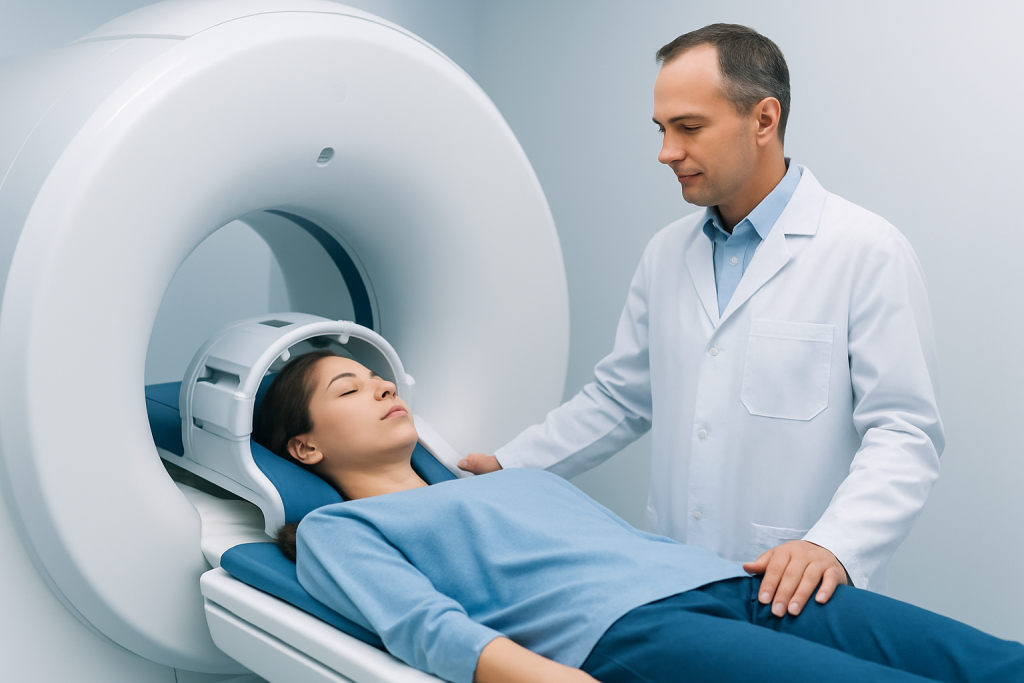
A radiologist does more than look at an image and write a report. The specialist decides whether the image quality is enough for a reliable answer, identifies normal and abnormal findings, and often suggests the next most useful test when something is unclear. In some settings, radiologists also perform image-guided procedures, such as biopsies or drain placements.
The radiologist is part of a larger care team. Primary care clinicians, surgeons, oncologists, emergency doctors, and many others rely on radiology reports to confirm a suspicion, narrow the diagnosis, or check whether treatment is working. The radiologist’s interpretation can influence whether a patient needs medicine, monitoring, a procedure, or urgent care.
Patients sometimes only meet the radiologist indirectly, but the specialist’s role is central. In modern medicine, imaging is often a bridge between a symptom and an answer, especially when findings need to be understood quickly and accurately.
Common Imaging Tests

Radiology includes several types of imaging, and each one is chosen for a different purpose. X-rays are often used for bones, lungs, and some abdominal concerns. Ultrasound is useful for soft tissues, blood flow, pregnancy-related assessments, and many abdominal or pelvic questions. CT scans create detailed cross-sectional images and are often helpful when doctors need speed and clarity.
MRI uses magnetic fields to show soft tissues in great detail, making it useful for the brain, spine, joints, and certain internal organs. Mammography is a specialized breast imaging test used for screening and diagnosis. Fluoroscopy, nuclear medicine studies, and interventional imaging are also part of radiology, depending on the medical question.
- X-ray: quick look at bones, chest, and some abdominal issues
- Ultrasound: sound-wave imaging without radiation
- CT: detailed images that can help in emergencies
- MRI: detailed soft-tissue imaging, often without radiation
- Mammography: breast imaging for screening or evaluation
The best test is not always the most advanced one. It is the test that answers the clinical question most safely and efficiently.
Symptoms and Reasons Imaging Is Ordered
Imaging is commonly ordered when symptoms need a closer look or when a doctor wants to rule out a serious condition. A person with sudden shortness of breath may need chest imaging. Someone with a sports injury may need an X-ray or MRI to assess bones, ligaments, or cartilage. Persistent abdominal pain may lead to ultrasound or CT, depending on what the doctor suspects.
Radiology is also used for screening and follow-up. Mammograms may be recommended even when no symptoms are present. Patients with a known condition, such as a lung nodule, kidney stone, or tumor, may have repeat imaging to see whether the finding has changed over time.
In international care pathways, imaging often serves as a shared language between doctors in different countries. A clear scan report can help a patient continue treatment at home with fewer gaps in understanding.
Causes, Risks, and Safety Considerations
Radiology does not cause a diagnosis by itself; it helps reveal the reason for a symptom or finding. The “cause” behind an imaging study is usually the clinical question: pain, swelling, infection, trauma, unexplained lab results, or a need to screen for disease. Imaging is selected because the body’s internal structures must be viewed directly to guide care.
Safety considerations depend on the test. X-rays and CT scans use ionizing radiation, so clinicians weigh the benefit of the information against the amount of exposure. MRI does not use ionizing radiation, but it may not be suitable for people with certain implants or devices. Some scans use contrast material, which may require extra planning for patients with kidney problems, allergies, or previous reactions.
Before an exam, patients should mention pregnancy, implanted devices, prior contrast reactions, kidney disease, asthma, claustrophobia, or difficulty lying flat. These details help the radiology team choose the safest and most comfortable approach.
How Diagnosis Works
Radiologic diagnosis begins before the scan is taken. The ordering clinician explains the question to be answered, and the radiology team selects the most appropriate study. Once the images are acquired, the radiologist reviews them carefully, often comparing them with prior scans to look for change over time.
The final report usually describes the findings, explains whether they are normal or abnormal, and may include an impression summarizing what matters most. Sometimes the report gives a clear answer. At other times, it raises a possibility that needs another test, follow-up imaging, or a specialist consultation.
Patients who are traveling for care often benefit from asking for copies of the scan images and report. Having both can make follow-up much smoother when care continues in another country or with a different physician.
Treatment Options
Radiology itself is not usually the treatment, but it often guides the treatment. An image may show that a condition can be managed with observation, medication, rehabilitation, minimally invasive procedures, or surgery. In some situations, radiologists perform treatments directly, such as draining fluid, placing a catheter, or guiding a needle biopsy to obtain tissue for diagnosis.
Image-guided procedures are designed to be precise. By using ultrasound, CT, or fluoroscopy, the physician can target the correct area while limiting unnecessary tissue disruption. This can be especially valuable for patients who want a faster recovery or who are coordinating care across borders and need a clear plan before traveling home.
After treatment decisions are made, follow-up imaging may be used to check healing, monitor a chronic condition, or see whether a treatment is working as expected. The timing depends on the diagnosis and the advice of the treating doctor.
Prevention, Preparation, and Self-care
Not every radiology visit requires special preparation, but a little planning often makes the experience easier. Patients should follow fasting instructions if given, bring a list of medicines and allergies, and wear comfortable clothing without metal if possible. If contrast is planned, the team may ask about kidney function or prior reactions and provide specific instructions.
Self-care around imaging is usually simple: arrive early, allow time for registration and questions, and tell the staff about anxiety, pain, or movement limitations before the exam begins. People who are uncomfortable in enclosed spaces can ask whether the scanner is open, whether calming strategies are available, or whether they can have a support person when appropriate.
For patients organizing care from abroad, it helps to create a small record folder with previous imaging, reports, lab results, and a timeline of symptoms. That preparation can save time, reduce repeat testing, and help the radiologist compare studies more effectively.
- Confirm whether fasting or contrast preparation is needed
- Bring prior scan reports and images when available
- Share pregnancy status, implants, and allergies
- Ask how and when results will be delivered
When to See a Doctor
Imaging is usually ordered by a doctor, but patients should seek medical advice promptly if symptoms are sudden, severe, or worsening. Concerning changes can include chest pain, trouble breathing, new weakness, severe abdominal pain, a major injury, unexplained weight loss, a new lump, or neurological symptoms such as confusion or loss of balance.
Patients should also contact a doctor if they do not understand why a scan was recommended, if they have questions about contrast or radiation, or if they need help deciding whether a test is appropriate before travel. Clear communication is especially important when a diagnosis may affect treatment plans in more than one country.
Acibadem Health Point’s multidisciplinary specialists and JCI-accredited hospitals diagnose and treat a wide range of conditions for international patients, including those that require radiology-led evaluation. A qualified doctor can help interpret the findings and decide on the next safest step.
Frequently asked questions
What does a radiologist do in simple terms?
A radiologist is a doctor who reads medical images such as X-rays, CT scans, MRI scans, and ultrasounds. They help identify what the images show and support other doctors in making decisions about diagnosis and treatment.
Is radiology the same as a radiologist?
Not exactly. Radiology is the medical specialty and the imaging tests themselves, while a radiologist is the physician who interprets those tests. The two work closely together, but they are not the same role.
Do all imaging tests use radiation?
No. X-rays and CT scans use ionizing radiation, but ultrasound and MRI do not. The best test depends on the medical question, the body part being examined, and safety considerations.
Why might a doctor order imaging even if symptoms are vague?
Imaging can help narrow down the cause when symptoms are not specific. It may show whether the issue is coming from a bone, organ, blood vessel, or soft tissue, which helps the doctor choose the right next step.
Should a patient bring previous scans to an appointment?
Yes, if possible. Prior images help the radiologist compare old and new findings, which can make interpretation more accurate and reduce unnecessary repeat testing.
What should a patient ask before having contrast imaging?
It is sensible to ask whether contrast is needed, what preparation is required, and whether any kidney tests or allergy precautions are necessary. Patients should also mention pregnancy, asthma, kidney disease, or prior reactions before the scan.
References
- Radiological Society of North America
- American College of Radiology
- World Health Organization
- National Cancer Institute
- Mayo Clinic
This article is for general information only and is not a substitute for professional medical advice. Please consult a qualified doctor about your individual situation.