

Nuclear Medicine
Molecular imaging and targeted radionuclide therapies, including PET-CT.

Medically reviewed by the Acıbadem clinical team — June 12, 2026
Nuclear medicine is the medical unit that uses small, safe amounts of radioactive material to diagnose and treat disease — imaging how organs and tissues are functioning, and delivering targeted treatment to specific conditions. Unlike standard imaging, which mainly shows structure, nuclear medicine shows function, which makes it especially valuable in cancer, heart, thyroid and other conditions. At Acıbadem International, nuclear medicine works closely with oncology, radiology and other specialties across a large hospital group, so that its unique insights are integrated into a patient’s overall care. For people travelling from abroad, that combination of advanced functional imaging and targeted treatment, within a coordinated hospital group, is what adds an important dimension to diagnosis and care.
This page explains what the nuclear medicine unit covers, how it differs from standard imaging, the techniques available, how it supports diagnosis and treatment, and how international patients are supported.
What the nuclear medicine unit covers
Nuclear medicine uses small amounts of radioactive material — given safely — to image function and treat certain conditions. Its main areas of work include:
- Functional imaging — showing how organs and tissues are working.
- PET scanning — particularly important in cancer.
- Cancer imaging — detecting, staging and monitoring cancers.
- Cardiac and other organ imaging — assessing function.
- Thyroid assessment and treatment.
- Targeted (theranostic) treatment — delivering treatment to specific conditions.
Because its insights are so often part of wider care, nuclear medicine works closely with oncology, radiology, radiation oncology and endocrinology, so that its findings and treatments are integrated into the patient’s plan.
How nuclear medicine differs from standard imaging
The key difference between nuclear medicine and standard imaging such as CT or MRI is that nuclear medicine shows function rather than mainly structure. A small amount of a radioactive substance is given — usually injected — and it travels to specific organs or tissues, where a special camera detects it and reveals how those areas are working. This functional information is uniquely valuable: it can show, for example, how active a tumor is, how well the heart muscle is functioning, or how the thyroid is behaving — things that structural imaging alone may not reveal. The amounts of radioactive material used are small and given safely. This ability to see function, complementing the structural detail of radiology, is what makes nuclear medicine such an important and distinctive tool in modern medicine.
Techniques and applications
The unit provides a range of nuclear medicine techniques, each suited to particular purposes.
PET scanning
PET imaging shows the activity of tissues and is particularly important in cancer — helping to detect cancer, determine how far it has spread (staging), and assess how it is responding to treatment. Often combined with CT, it provides both functional and structural information together.
Cancer imaging and monitoring
Beyond PET, nuclear medicine techniques help detect, stage and monitor cancers, providing information that guides the cancer team’s decisions, in close cooperation with oncology.
Cardiac and organ function imaging
Nuclear medicine can assess how well the heart muscle and other organs are functioning, providing information that complements other tests.
Thyroid and targeted treatment
Nuclear medicine both assesses and treats certain thyroid conditions, and targeted treatments deliver therapy directly to specific conditions. Specific procedures can be explored in the treatments library.
The unique value of functional imaging
The greatest strength of nuclear medicine is its ability to reveal function, which adds a dimension that structural imaging alone cannot provide. Knowing not just what something looks like but how it is behaving can be decisive — showing whether a tumor is active, whether treatment is working, or how an organ is functioning. In cancer in particular, this functional information is invaluable for staging and for assessing response to treatment, helping the cancer team make better-informed decisions. By complementing the structural detail of radiology with functional insight, nuclear medicine helps build a more complete picture of a patient’s condition. This is why it has become an important part of modern diagnosis and care, especially in oncology.
Theranostics: imaging and treatment combined
One of the most exciting aspects of nuclear medicine is its ability not only to image disease but to treat it, using targeted treatments sometimes described as theranostics. The same principle that allows a radioactive substance to travel to specific tissues for imaging can, with the right agents, be used to deliver treatment directly to certain conditions — for example, certain thyroid conditions and some cancers. This targeted approach aims to direct treatment to where it is needed while limiting effects elsewhere. These treatments are used in carefully selected situations, as part of a coordinated plan with the relevant specialists. This dual role — imaging and treatment — makes nuclear medicine a distinctive and increasingly important field, and the unit’s capability adds a valuable dimension to the hospital group’s care.
Is it safe?
A natural question is whether nuclear medicine, which uses radioactive material, is safe — and the answer is that the amounts used are small and given in a controlled, carefully managed way. Nuclear medicine has been used safely for many years, and the unit follows strict safety standards. The radioactive substances used for imaging are chosen to provide the necessary information with as little exposure as possible, and they leave the body over time. For targeted treatments, the approach is carefully planned and managed. The unit explains the process to patients clearly, so that any concerns are addressed and patients understand what to expect. Safety is managed carefully throughout, allowing patients to benefit from the unique insights and treatments that nuclear medicine provides with confidence.
Technology and approach
Nuclear medicine combines specialized imaging and treatment technology with expert interpretation and careful integration into care. The unit uses techniques such as PET to reveal function, often combined with CT for structural detail, and provides targeted treatments in selected situations, all managed to strict safety standards. But the defining feature is integration: the unique functional information nuclear medicine provides is most valuable when woven into a patient’s overall plan, in cooperation with oncology, radiology and other specialties. This combination of distinctive capability and coordinated care is what makes nuclear medicine so valuable.
Your team
Your imaging or treatment is overseen by experienced nuclear medicine physicians, working closely with the treating specialists — particularly the cancer team — across the hospital group. The physicians involved and the specialists they support are listed on the doctors page, and care is delivered across Acıbadem’s accredited hospitals, which maintain international quality and safety standards.
The international patient journey
The unit is organized to make nuclear medicine clear and well integrated for international patients.
1. Remote review
You can share your diagnosis and existing imaging for review, which often forms part of a remote assessment and a second opinion before you decide to travel.
2. A clear plan
If nuclear medicine imaging or treatment is recommended, you receive a plan explaining what it involves, why it is suggested, and how it fits into your overall care.
3. Coordinated imaging or treatment
A dedicated coordinator arranges your scan or treatment, interpreting and logistics, with everything managed to strict safety standards and integrated into your care.
4. Results and onward care
The findings are interpreted and shared with the treating specialists, so that your diagnosis and treatment proceed on the fullest information. To begin, request an online consultation.
Why patients benefit from Acıbadem nuclear medicine
Acıbadem International offers advanced functional imaging including PET, targeted treatment capability, experienced nuclear medicine physicians, and close integration with oncology and other specialties across a large hospital group. For patients, the combination of unique functional insight and integration into their overall care is what sets the experience apart — adding a dimension to diagnosis and treatment that structural imaging alone cannot provide. Whether staging a cancer, assessing response to treatment or delivering targeted therapy, the unit provides valuable, well-coordinated care, with the depth of a leading medical system behind it.
What to expect and practical notes
A nuclear medicine scan involves receiving a small, safe amount of a radioactive substance, usually by injection, after which imaging is performed; the process is explained clearly so you know what to expect. The amounts used are small and managed to strict safety standards. The real value lies in the functional information provided and how it is integrated into your care, so the findings are interpreted by experienced physicians and shared with your specialists. For targeted treatments, the approach is carefully planned. Throughout, nuclear medicine serves your diagnosis and treatment as part of coordinated care.
Nuclear medicine within coordinated care
Nuclear medicine is most valuable when integrated into wider care, and being part of a large hospital group makes this possible. Its functional imaging supports the cancer team alongside oncology and radiation oncology; it complements the structural imaging of radiology; and it works with endocrinology in thyroid conditions. This integration means the unique insights and treatments of nuclear medicine are woven into a patient’s coordinated plan rather than standing apart, which is exactly how they add the most value. For patients, especially those with cancer, this coordinated use of nuclear medicine is an important strength of a leading hospital group.
PET imaging in cancer care
One of the most important applications of nuclear medicine is PET imaging in cancer care, where it provides information that other scans cannot. By showing how tissues are functioning rather than only how they look, PET imaging can help detect cancer, assess how far it has spread, and evaluate how it is responding to treatment. This functional information is highly valuable to the cancer team, working alongside medical oncology and radiation oncology, in planning and monitoring treatment. The unit performs these examinations to high standards and interprets them as part of the wider clinical picture, within the multidisciplinary team. For patients on a cancer journey, this advanced imaging plays a key role in ensuring that treatment is guided by accurate, detailed information about how the disease is behaving — which is central to giving the best chance of a good outcome.
Thyroid and other applications
Beyond cancer, nuclear medicine has important applications in conditions of the thyroid and other organs. In thyroid disease, nuclear medicine techniques can both assess how the gland is functioning and, in certain conditions, provide treatment, working alongside endocrinology. Functional imaging also helps assess the heart, bones, kidneys and other organs, providing information about how they are working that complements the structural detail of other scans. This breadth reflects the unique role of nuclear medicine: by revealing function rather than only structure, it answers questions that other forms of imaging cannot. The unit applies these techniques across a range of conditions, always as part of a coordinated clinical picture, so that the functional information they provide contributes meaningfully to diagnosis and treatment in cooperation with the relevant specialties.
What to expect during a scan
Patients are often unfamiliar with nuclear medicine and may have questions about what a scan involves, and the unit takes care to explain the process clearly. A nuclear medicine examination typically involves a small amount of a radioactive tracer, given so that the imaging can show how tissues are functioning, followed by imaging after an appropriate interval. The examinations are carried out safely, with the amounts used kept to the minimum necessary, and the team explains any preparation needed and guides the patient through the process. The unit is happy to address the natural questions patients have about safety and what to expect, providing clear, reassuring information. This careful explanation and attention to the patient experience — alongside the technical and clinical quality of the imaging — ensures that patients undergo these valuable examinations with understanding and confidence.
Frequently asked questions
Can my case be reviewed before I travel?
Yes. You can share your diagnosis and existing imaging for review, which often forms part of a remote assessment and second opinion before you decide to travel.
How is nuclear medicine different from a normal scan?
Nuclear medicine shows how organs and tissues are functioning, while standard imaging such as CT or MRI mainly shows structure. This functional information adds a valuable dimension that structural imaging alone cannot provide.
What is a PET scan used for?
PET imaging shows the activity of tissues and is particularly important in cancer, helping to detect cancer, determine how far it has spread, and assess how it is responding to treatment.
Is nuclear medicine safe?
Yes. The amounts of radioactive material used are small and given in a controlled, carefully managed way, following strict safety standards, and the substances leave the body over time. The unit explains the process clearly.
Can nuclear medicine treat conditions as well as image them?
Yes. Targeted treatments can deliver therapy directly to certain conditions, such as some thyroid conditions and some cancers, in carefully selected situations as part of a coordinated plan.
How does it help with cancer?
Nuclear medicine helps detect, stage and monitor cancers, and assess response to treatment, providing functional information that guides the cancer team’s decisions alongside oncology.
Will the findings be integrated into my care?
Yes. The findings are interpreted by experienced physicians and shared with your treating specialists, so they inform your diagnosis and treatment as part of coordinated care.
What does a scan involve?
You usually receive a small, safe amount of a radioactive substance, often by injection, after which imaging is performed. The process is explained clearly so you know what to expect.
Can it assess heart function?
Yes. Nuclear medicine can assess how well the heart muscle and other organs are functioning, providing information that complements other tests.
Does it help with thyroid conditions?
Yes. Nuclear medicine both assesses and treats certain thyroid conditions, working with endocrinology as part of coordinated care.
Can I get a second opinion involving nuclear medicine?
Yes. Existing imaging and your diagnosis can be reviewed as part of a second opinion, which can be done remotely before you travel.
Is the technology advanced and accredited?
Yes. Nuclear medicine is provided in accredited hospitals using advanced technology, with expert interpretation and strict safety standards, as part of a large hospital group.
Will I understand what is happening?
Yes. The unit explains the process and the findings clearly, so that any concerns are addressed and you understand what to expect and what the results mean.
Can I receive care in my own language?
Yes. The international patient coordinator arranges interpreting and supports you through the practical steps of your imaging or treatment.
Why is integration with other specialties important?
Because the unique insights of nuclear medicine are most valuable when woven into a patient’s overall plan. Being part of a hospital group means its findings and treatments are integrated with oncology, radiology and other specialties.
Can my case be reviewed before I travel?
Yes. Relevant reports and imaging can be reviewed remotely, often within the cancer team, so that the role of nuclear medicine in your care can be advised before you decide to travel.
How does nuclear medicine differ from other scans?
Nuclear medicine shows how tissues are functioning rather than only how they look, providing information that other scans cannot, which is valuable in cancer care and many other conditions.
Is a nuclear medicine scan safe?
Yes. The examinations are carried out safely, with the amount of tracer kept to the minimum necessary, and the team explains the process and any preparation so you can proceed with confidence.
How is PET imaging used in cancer?
PET imaging can help detect cancer, assess how far it has spread, and evaluate how it is responding to treatment, providing functional information that guides the cancer team’s planning.
Are there uses beyond cancer?
Yes. Nuclear medicine has important applications in thyroid and other conditions, and in assessing the heart, bones, kidneys and other organs, providing functional information that complements other imaging.
What does a scan involve?
A scan typically involves a small amount of a radioactive tracer, followed by imaging after an appropriate interval. The team explains any preparation and guides you through the process.
Is it part of coordinated care?
Yes. Nuclear medicine is interpreted as part of the wider clinical picture, within the multidisciplinary team and in cooperation with specialties such as oncology and endocrinology.
Can I receive care in my own language?
Yes. The international patient coordinator arranges interpreting and supports you through your examination and the explanation of the findings, so you understand everything clearly.
Does nuclear medicine support coordinated cancer care?
Yes. Within a large hospital group, nuclear medicine works alongside oncology and radiation oncology, with PET and other functional imaging interpreted within the multidisciplinary team, so that your treatment is guided by accurate, detailed information about how the disease is behaving.
Will a companion be supported during my visit?
Yes. The international patient coordinator helps with practical arrangements so a companion can accompany you during your examination, which can be reassuring when undergoing an unfamiliar test.
Will the results be explained clearly?
Yes. The findings are interpreted as part of your wider clinical picture and explained to you, so that the functional information nuclear medicine provides contributes clearly and meaningfully to your diagnosis and treatment.
Can I receive care in my own language?
Yes. The international patient coordinator arranges interpreting and supports you through your examination and the explanation of the findings, so you understand everything clearly.
Will I receive clear documentation of my scan?
Yes. You receive clear documentation of your examination and its findings, interpreted as part of your wider clinical picture, which you can share with your own doctor so that the functional information contributes to your ongoing care.
Will my examination be planned around the wider clinical picture?
Yes. A nuclear medicine examination is planned and interpreted as part of your overall care, within the multidisciplinary team where relevant, so that the functional information it provides answers the right clinical questions and contributes meaningfully to your diagnosis and treatment.
This page provides general health information about the services of this unit and is not a substitute for personal medical advice. The appropriate imaging or treatment for each person is determined after individual assessment by qualified specialists.
Specialists in this Unit
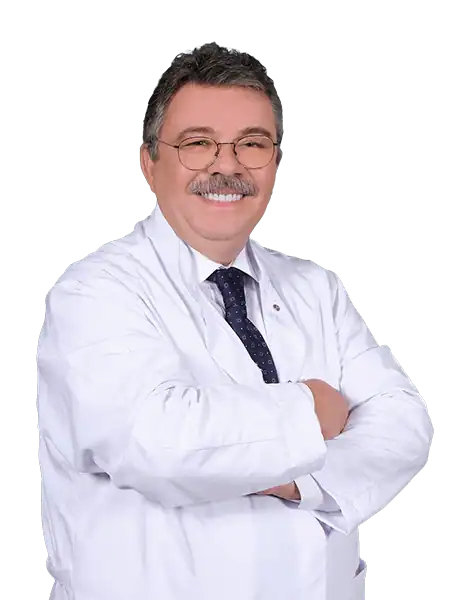
Prof. Dr. Erkan Vardareli
Nuclear Medicine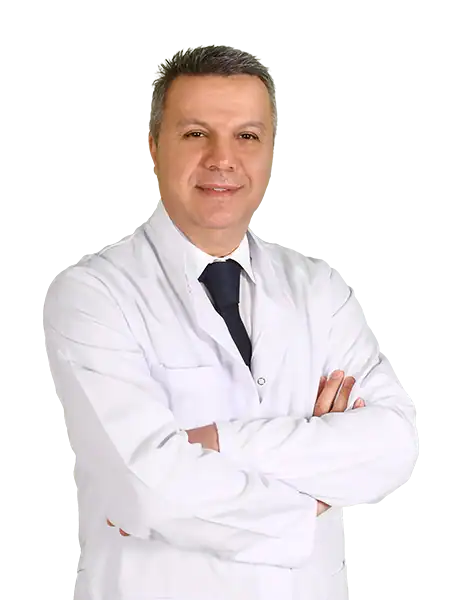
Prof. Dr. Eser Kaya
Nuclear Medicine
Prof. Dr. Tevfik Fikret Çermik
Nuclear Medicine
Assoc. Prof. Dr. Emine Acar Akkaya
Nuclear Medicine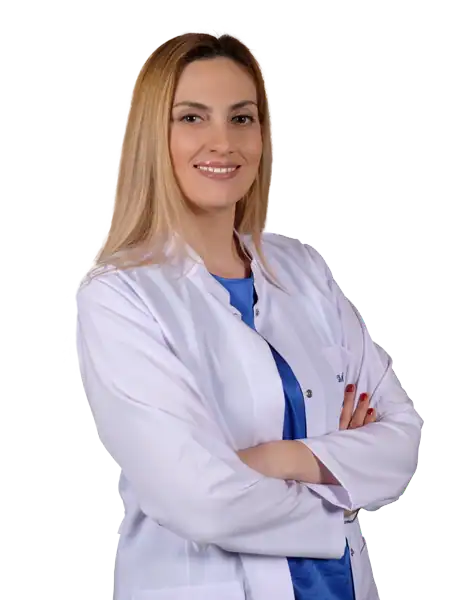
Assoc. Prof. Dr. Özge Vural Topuz
Nuclear Medicine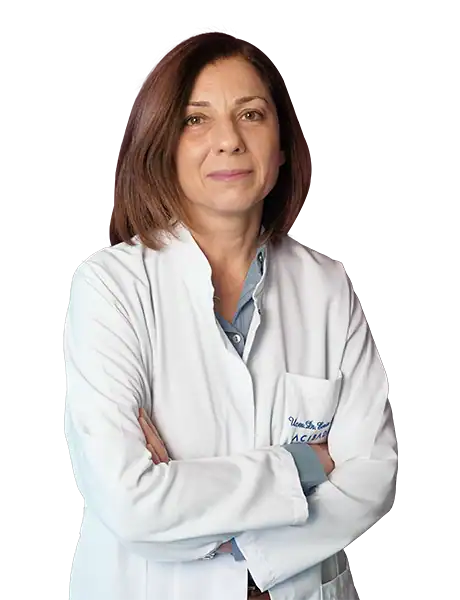
Dr. Evrim Abamor
Nuclear Medicine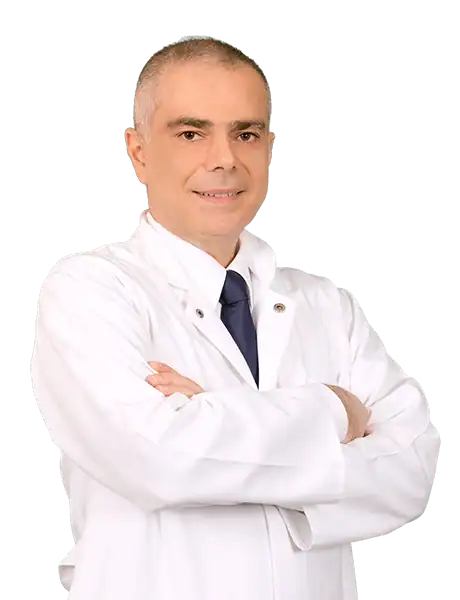
Dr. Mehmet Murat Çuhadaroğlu
Nuclear Medicine
Dr. Nuh Hakan Temiz
Nuclear Medicine
Dr. Suna Ertok
Nuclear Medicine
Dr. Tarik Elri
Nuclear MedicineDr. Zehra Karataş
Nuclear MedicineMedical Technologies Used
Speak with our medical team
Share your case and our international patient team will guide you to the right specialist — free of charge.