Pterygium: Symptoms, Causes and Treatment

Key Takeaways
- Pterygium is a benign growth on the eye surface that may slowly enlarge over time.
- Ultraviolet light, dry climates, wind, and dust are common risk factors.
- Many cases need only monitoring and symptom relief, while surgery is considered if vision is affected or irritation is persistent.
- Sunglasses, hats, and lubricating eye drops can help reduce discomfort and lower future irritation.
- An eye specialist can confirm the diagnosis and explain whether observation or treatment is the best next step.
Medically reviewed by the Acıbadem clinical team — August 19, 2026
Pterygium is a common eye surface growth that usually starts on the white part of the eye and can extend toward the cornea. It is often linked to sun, wind, and dust exposure, and many people manage it well with observation, eye protection, or surgery when needed.
Overview
Pterygium is a fleshy growth that begins on the conjunctiva, the clear tissue covering the white of the eye, and can gradually move toward the cornea. It is sometimes called “surfer’s eye,” but it is not limited to people near the sea; anyone with regular exposure to bright sunlight, wind, dust, or dry air may develop it.
For many people, pterygium stays small and mainly causes a cosmetic concern or mild irritation. In other cases, it becomes red, feels gritty, or starts to affect vision if it grows far enough to change the shape of the cornea. The good news is that an eye specialist can usually diagnose it with a straightforward examination, and treatment can be tailored to how bothersome it is.
When patients are considering care from another country, pterygium is often a condition that can be assessed clearly during an outpatient visit. That makes it practical to plan a consultation, confirm the diagnosis, and discuss whether simple observation or a procedure would be the most suitable option.
Symptoms
Symptoms vary widely. Some people notice only a small triangular tissue growth near the inner or outer corner of the eye, while others feel persistent irritation long before the growth becomes obvious in a mirror.
Common symptoms include:
- A visible raised or wedge-shaped growth on the white of the eye
- Redness or bloodshot appearance
- A gritty, dry, or burning sensation
- Watery eyes or light sensitivity
- Blurred vision if the cornea becomes distorted
The symptoms may flare in windy or dusty settings and settle again when the eye is protected. Because pterygium can resemble other eye-surface problems, new or changing eye growths should be assessed rather than assumed to be harmless.
Causes & Risk Factors

The exact reason a pterygium forms is not fully understood, but repeated irritation of the eye surface appears to play a major role. Long-term ultraviolet exposure is one of the strongest known risk factors, which helps explain why the condition is more common in people who spend a lot of time outdoors.
Other factors that may contribute include living in hot, dry, or windy environments, frequent exposure to dust or sand, and chronic eye dryness. Occupational and recreational outdoor exposure can both matter, especially when eye protection is inconsistent.
Risk may be lower when the eyes are regularly shielded from sunlight and irritation. Still, pterygium can develop even in people who are generally healthy, so prevention focuses on reducing environmental stress rather than eliminating every possibility.
Diagnosis
Diagnosis usually begins with a review of symptoms and a careful eye examination. An ophthalmologist can often recognize pterygium by its typical appearance and location on the eye surface.
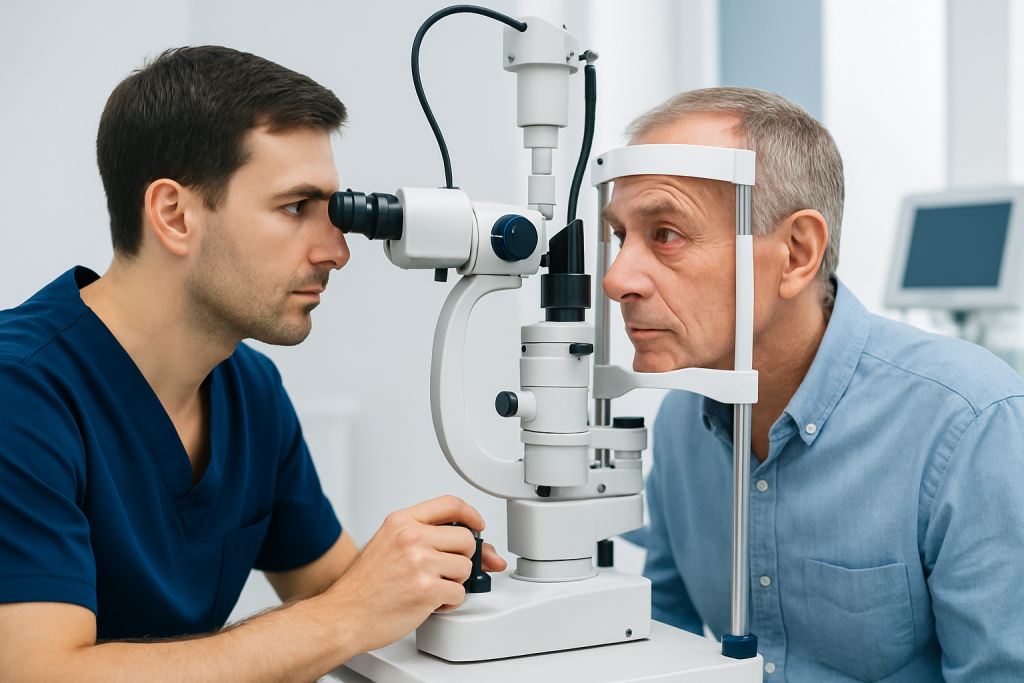
The specialist may use a slit-lamp examination to inspect the growth in detail and to check how close it is to the cornea and visual axis. If vision seems affected, refraction testing or corneal assessment may be added to see whether the growth is changing the curvature of the eye.
In most cases, no complex testing is required. The main purpose of the visit is to confirm that the growth is pterygium and not a different condition, such as another conjunctival lesion or an inflamed surface disorder that needs separate care.
Treatment Options
Treatment depends on size, symptoms, and whether vision is being affected. Small pterygia that are stable may simply be watched over time, especially if they are not causing discomfort or corneal distortion.
For irritation, doctors may recommend lubricating eye drops, ointments, or other measures that soothe the eye surface. If redness or inflammation is significant, an eye specialist may suggest targeted anti-inflammatory treatment, chosen carefully because the eye surface is delicate.
Surgery is generally considered when the pterygium continues to grow, interferes with vision, causes repeated inflammation, or creates enough discomfort that day-to-day life is affected. During surgery, the growth is removed and the eye surface is reconstructed to lower the chance of recurrence. Recovery plans usually include follow-up visits, protective care, and clear instructions for patients traveling home after treatment.
For international patients, planning matters. A specialist team can help explain whether the condition is suitable for conservative care close to home or whether surgical treatment and postoperative follow-up should be organized during a dedicated visit. Acibadem Health Point’s multidisciplinary specialists and JCI-accredited hospitals diagnose and treat pterygium for international patients, with care designed to support both the procedure and recovery process.
Prevention & Self-care
Not every case of pterygium can be prevented, but the risk of irritation can often be reduced with practical daily habits. The aim is to protect the eye surface from the environmental triggers that most often push the condition forward.
Helpful self-care measures include:
- Wearing wraparound sunglasses that block ultraviolet light
- Using a wide-brimmed hat in bright outdoor settings
- Applying lubricating eye drops if eyes feel dry, after advice from a clinician when needed
- Avoiding rubbing the eyes, which can worsen irritation
- Using dust protection when working in dry, windy, or particulate-heavy environments
After surgery, self-care becomes especially important. Patients are usually asked to protect the eye from sun and dust, use prescribed medications as directed, and avoid strenuous rubbing or exposure until the eye specialist says healing is on track. For people returning to another country, it is wise to arrange follow-up in advance so that healing can be monitored without interruption.
When to See a Doctor
An eye examination is a sensible step whenever a growth appears on the eye or an old pterygium begins to change. Even when the issue seems minor, a clinician can confirm the diagnosis and help set expectations about whether it is likely to stay stable or progress.
Medical advice is especially important if there is blurred vision, increasing redness, pain, frequent inflammation, or trouble wearing contact lenses. A specialist should also be consulted if the eye growth looks unusual, grows quickly, or is present in a person with a history of significant sun exposure and persistent irritation.
For patients planning treatment while traveling, it helps to seek care early enough to allow a proper evaluation and, if necessary, a comfortable recovery window. That way, decisions about monitoring or surgery can be made calmly and with a clear follow-up plan.
Living With Pterygium
Many people live with a small pterygium for years without needing surgery. The condition becomes more manageable when the eyes are protected from the factors that aggravate dryness and inflammation, and when changes are checked periodically.
If surgery is needed, most patients focus on short-term recovery and then return to routine activities with better comfort. The main long-term goal is to keep the eye surface quiet, protect vision, and reduce the chance of recurrence with consistent eye protection and follow-up care.
Because pterygium can be both a practical and cosmetic concern, it is often helpful to discuss personal priorities during the consultation. Some people want relief from irritation, others are concerned about appearance, and many want reassurance that the growth is not affecting the cornea.
Frequently asked questions
Is pterygium the same as a cataract?
No. Pterygium is a growth on the surface of the eye, while cataract is clouding of the lens inside the eye. They affect different parts of the eye and are treated differently.
Can pterygium go away on its own?
It usually does not disappear completely on its own. Small cases may remain stable for long periods, but they can still be monitored by an eye specialist.
Does pterygium always need surgery?
No. Many people do well with observation and symptom relief. Surgery is usually reserved for growths that affect vision, keep returning inflamed, or cause significant discomfort.
Can contact lenses be worn with pterygium?
Sometimes, but it depends on the size of the growth and whether the eye is irritated. An eye doctor can advise whether contact lens wear is comfortable and safe in a given case.
What can reduce the chance of it getting worse?
Protecting the eyes from ultraviolet light, wind, and dust is the most practical step. Lubrication and avoiding eye rubbing can also help reduce irritation.
How long is recovery after pterygium surgery?
Recovery varies by the procedure and the person’s healing response. A specialist will explain what to expect, including the need for drops, protective care, and follow-up visits.
References
- American Academy of Ophthalmology
- National Eye Institute
- World Health Organization
- Mayo Clinic
This article is for general information only and is not a substitute for professional medical advice. Please consult a qualified doctor about your individual situation.
Explore treatments in Turkey — costs, top hospitals & a free quote
JCI-accredited · board-certified surgeons · reply within 24h
Add us as a Preferred Source to see more of our trusted health content across Google Search, AI Overviews and Discover.