Glaucoma: Symptoms, Causes and Treatment

Key Takeaways
- Glaucoma often develops quietly, especially in its early stages, so routine eye checks matter.
- Peripheral vision changes, eye pain, halos, redness, or sudden blur can be important warning signs depending on the type of glaucoma.
- Risk is higher with age, family history, certain medical conditions, and long-term corticosteroid use.
- Diagnosis usually includes eye pressure measurement, optic nerve evaluation, visual field testing, and imaging.
- Treatment focuses on lowering eye pressure with drops, laser procedures, or surgery, depending on the situation.
- People traveling for care should plan for follow-up, medication access, and post-treatment monitoring before returning home.
Medically reviewed by the Acıbadem clinical team — August 19, 2026
Glaucoma is a group of eye diseases that can damage the optic nerve and gradually affect vision. Because symptoms may be subtle at first, knowing the warning signs and when to seek an eye examination can help protect sight.
Overview
Glaucoma is not one single disease but a family of eye conditions that can injure the optic nerve, the structure that carries visual information from the eye to the brain. The common thread is that damage may happen slowly and quietly, which is why some people do not notice a problem until vision has already changed.
Many patients first hear the word glaucoma during a routine eye exam rather than because of symptoms. That is not unusual. In the early stages, especially with open-angle glaucoma, day-to-day vision can seem normal even while peripheral vision is being affected little by little.
There are also types that behave differently, such as angle-closure glaucoma, which can cause sudden and more dramatic symptoms. Understanding the difference helps patients know which changes are urgent and which are more subtle but still important to discuss with an eye specialist.
Symptoms
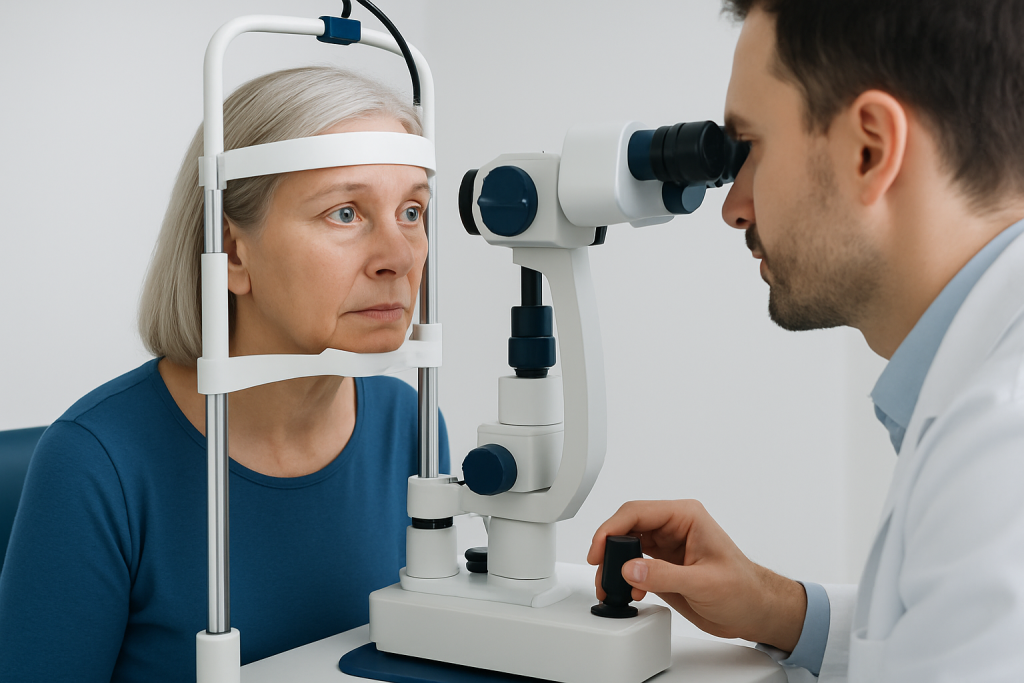
The symptoms of glaucoma depend on the type and stage of the condition. In open-angle glaucoma, the most common form, early symptoms may be absent. Over time, a person may begin to miss objects at the edges of vision, bump into things more often, or notice that part of the visual field seems darker or less clear.
Some people describe difficulty seeing in low light, trouble adjusting when moving from bright to dim environments, or a narrowing of side vision. Because the brain can adapt to gradual change, these shifts may be easy to overlook until they become more obvious.
Angle-closure glaucoma can feel very different. Possible symptoms include:
- Eye pain or pressure
- Headache
- Red eye
- Blurred vision
- Halos around lights
- Nausea or vomiting in severe attacks
In certain cases, glaucoma may also be linked with eye discomfort, watery eyes, or a feeling that something is not quite right with vision, even if the change is hard to define. Any sudden change in sight deserves prompt medical attention, especially if it comes with pain or redness.
Causes & Risk Factors
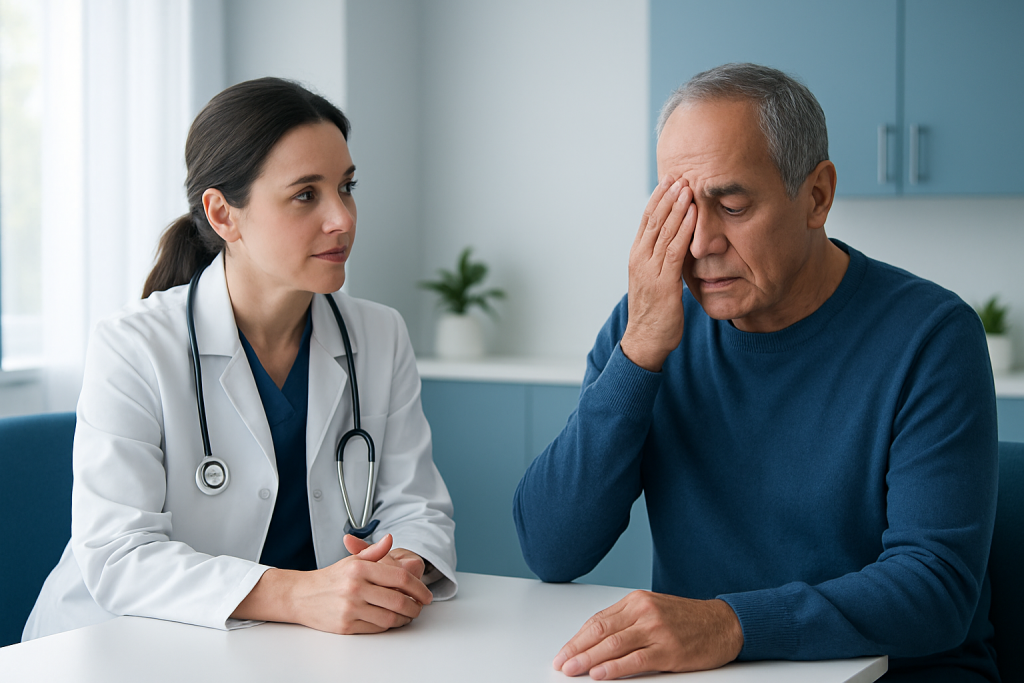
Glaucoma develops when the optic nerve becomes damaged. In many cases, this is related to pressure inside the eye, known as intraocular pressure, rising above a level that the nerve can tolerate. That said, glaucoma can also occur when eye pressure is not clearly elevated, so pressure is only one part of the picture.
Risk tends to increase with age, particularly after 40, and is higher in people who have a parent or sibling with glaucoma. Other factors may include certain ethnic backgrounds, very high or very low eye pressure, thin corneas, previous eye injury, severe nearsightedness, diabetes, high blood pressure, or long-term use of corticosteroid medications.
There are also situations that can trigger acute angle closure, such as having a narrow drainage angle in the eye or certain pupil-dilating circumstances. Because the risk profile is individual, an ophthalmologist may recommend a more tailored screening schedule rather than relying only on symptoms.
Diagnosis
Diagnosing glaucoma is usually a combination of tests rather than one single measurement. An eye specialist will often check eye pressure, examine the optic nerve, measure the thickness of the cornea, and assess the drainage angle of the eye when appropriate.
Visual field testing is especially important because it can detect missing areas of sight that the person may not have noticed in daily life. Imaging tests, such as optic nerve scans, may help track subtle change over time and compare one visit with the next.
For international patients, it can help to bring prior eye records, medication lists, and any previous test results when seeking a second opinion or a treatment plan abroad. This makes it easier for the doctor to understand whether the disease is stable, progressing, or needs a faster intervention.
Treatment Options
Treatment for glaucoma aims to lower eye pressure and reduce further optic nerve damage. The best choice depends on the type of glaucoma, how advanced it is, how quickly it is changing, and whether the person can reliably follow the treatment plan.
Eye drops are often the first step. They may help the eye either make less fluid or drain it more effectively. Some people may also be offered laser treatment, which can improve drainage in certain forms of glaucoma or help prevent future angle-closure episodes.
If pressure remains too high or the disease is more advanced, surgery may be recommended. Procedures can create a new drainage pathway or place a device that helps fluid leave the eye more easily. Follow-up is essential after any treatment because pressure control and vision monitoring continue long after the first procedure.
When treatment is planned in another country, patients usually benefit from arranging the timeline carefully: confirming what tests will be repeated, how long they need to stay, when the first post-treatment review will happen, and how prescriptions will be continued once they return home. Acibadem Health Point’s multidisciplinary specialists and JCI-accredited hospitals diagnose and treat glaucoma for international patients within coordinated eye care pathways.
Prevention & Self-care
Not every case of glaucoma can be prevented, but there is a practical advantage to early detection. Regular comprehensive eye examinations are the most reliable way to find glaucoma before it causes meaningful vision loss, especially for people who have known risk factors.
Self-care also matters during treatment. Patients who use eye drops should try to take them exactly as prescribed and mention side effects or difficulty keeping up with the schedule. If side effects, cost, or travel interfere with adherence, the care team can often suggest a more workable plan.
Other useful habits include protecting the eyes from injury, keeping follow-up appointments, and telling the eye doctor about steroid medicines, new symptoms, or changes in general health. People who live far from their treating hospital should plan ahead for refills, monitor dates, and emergency contact information before leaving.
When to See a Doctor
Any sudden eye pain, red eye, halos around lights, rapid vision change, or nausea with visual symptoms should be assessed urgently, because these can signal angle-closure glaucoma or another eye emergency. Even if the discomfort seems mild, it is better to be checked promptly than to wait for symptoms to settle on their own.
People who notice gradual side-vision loss, repeated problems in low light, or a family history of glaucoma should arrange a routine ophthalmology visit if they have not had one recently. Early assessment is especially valuable because glaucoma damage is often permanent, but progression can usually be slowed when it is found in time.
After diagnosis, new symptoms between appointments should also be reported. A doctor may need to adjust treatment, repeat testing, or look for another cause of the vision change.
Frequently asked questions
Can glaucoma have no symptoms at first?
Yes. Open-angle glaucoma often develops quietly, and a person may not notice changes until peripheral vision is already affected. That is why routine eye exams are so important, especially for people with risk factors.
Are eye pressure and glaucoma the same thing?
No. Eye pressure is one factor doctors consider, but glaucoma is diagnosed by looking at the optic nerve, vision testing, and other exam findings as well. Some people can have glaucoma even if their pressure is not dramatically high.
What symptoms are most concerning for angle-closure glaucoma?
Sudden eye pain, red eye, blurred vision, halos around lights, headache, and nausea can be warning signs. These symptoms need prompt medical assessment because angle-closure glaucoma can progress quickly.
Can glaucoma be treated if it is found early?
Yes. Treatment can often slow or limit further damage by lowering eye pressure. The goal is to protect the vision that remains and reduce the chance of future loss.
Will glaucoma treatment need lifelong follow-up?
In many cases, yes. Glaucoma is usually a long-term condition that requires ongoing monitoring, even after symptoms improve or treatment is started. Follow-up helps make sure the pressure stays controlled and the optic nerve remains stable.
What should an international patient bring to a glaucoma appointment?
It helps to bring previous eye records, current medication lists, and results from any earlier scans or visual field tests. If care started abroad, clear notes about surgery or laser treatment are also useful for continuity once the patient returns home.
References
- American Academy of Ophthalmology
- National Eye Institute
- World Health Organization
- Mayo Clinic
- NHS
This article is for general information only and is not a substitute for professional medical advice. Please consult a qualified doctor about your individual situation.
Explore treatments in Turkey — costs, top hospitals & a free quote
JCI-accredited · board-certified surgeons · reply within 24h
Add us as a Preferred Source to see more of our trusted health content across Google Search, AI Overviews and Discover.