

Prp Injections

Key Takeaways
- PRP is prepared from a small sample of the person’s own blood and concentrated platelets are injected into a targeted area.
- It is commonly considered for hair thinning, some skin rejuvenation goals, and certain tendon or joint problems.
- Results are gradual and vary; PRP is not a guaranteed cure and may need more than one session.
- Most people tolerate the procedure well, though temporary swelling, soreness, or bruising can occur.
- A qualified clinician should confirm whether PRP is appropriate, especially when symptoms are persistent, worsening, or unexplained.
PRP injections use a patient’s own platelet-rich plasma to support healing in selected skin, hair, and musculoskeletal conditions. The treatment is minimally invasive, but its results and suitability depend on the condition being treated and the person’s overall health.
When to See a Doctor
A doctor should evaluate any hair loss, skin change, or pain that persists, worsens, or interferes with daily life. PRP may be an option, but only after the underlying diagnosis is understood. Symptoms that begin suddenly, come with fever, significant swelling, numbness, weakness, or unexplained weight loss deserve prompt medical assessment.
People should also seek advice before choosing PRP if they have a bleeding disorder, take blood-thinning medicines, have active inflammation or infection in the target area, or have been told they are not a good candidate for injections. A specialist can explain whether another treatment is more appropriate or whether PRP could be part of a broader care plan.
For international patients, a consult is especially helpful before booking travel. It can clarify whether PRP is truly recommended, how many sessions may be needed, what recovery time is realistic, and whether any follow-up can be coordinated after returning home. At Acibadem Health Point, multidisciplinary specialists and JCI-accredited hospitals diagnose and treat this condition for international patients in a carefully coordinated setting.
Frequently asked questions
What are PRP injections used for?
PRP injections are used in selected cases for hair thinning, some skin-rejuvenation goals, and certain tendon or joint problems. A clinician decides whether the underlying condition is one that may respond to this type of treatment. The best use depends on the diagnosis, not just the symptom.
Are PRP injections painful?
Most people describe the procedure as uncomfortable rather than severely painful. A blood draw is required, and the injection site may feel sore afterward for a short time. Numbing methods are often used to improve comfort.
How soon do PRP results appear?
Results are usually gradual, not immediate. Some people notice changes after several weeks, while others need repeated sessions before a benefit becomes clearer. The timeline depends on the treated area and the individual’s response.
Is PRP safe?
PRP is generally considered low risk because it uses the person’s own blood, but it is still a medical procedure. Temporary swelling, bruising, or tenderness can happen, and more serious problems are uncommon when the treatment is done properly. A qualified clinician should review medical history first.
Can PRP regrow hair?
PRP may help some people with certain types of hair thinning, especially when follicles are still present and active. It does not work for every form of hair loss, and it is not a guaranteed way to regrow hair. A dermatologist can advise whether it makes sense for a specific pattern of shedding.
How many PRP sessions are needed?
The number of sessions varies by condition and treatment goal. Some people need a series of appointments, followed by maintenance treatment later. The treating specialist should outline a schedule that fits the diagnosis and recovery plan.
References
- American Academy of Dermatology
- Mayo Clinic
- Cleveland Clinic
- American Academy of Orthopaedic Surgeons
- National Institutes of Health
This article is for general information only and is not a substitute for professional medical advice. Please consult a qualified doctor about your individual situation.
More from the Health Library



Related Specialists
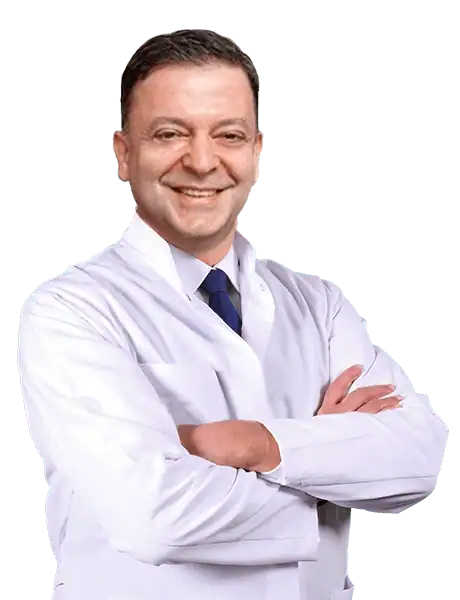
Prof. Dr. Ahmet Alanay
Orthopedic Surgery & Traumatology
Dr. Sinan Aksu
Orthopedic Surgery & Traumatology
Dr. Sirri Baştürk
Orthopedic Surgery & Traumatology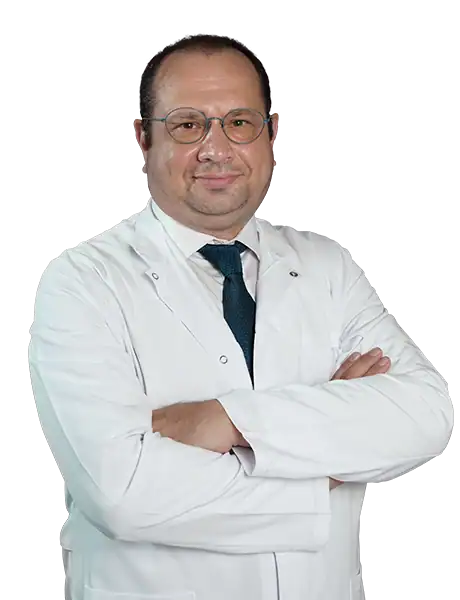
Prof. Dr. Korhan Özkan
Orthopedic Surgery & Traumatology