Spine Surgery Abroad: Which Back Problems Usually Need More Than Injections and Rest

Key Takeaways
- Many spine conditions improve with conservative care, but surgery may be considered when pain, weakness, or nerve problems persist.
- A herniated disc, spinal stenosis, spinal instability, and certain fractures are among the more common reasons surgery is discussed.
- Imaging tests are only one part of the decision; symptoms and examination findings matter just as much.
- Recovery after spine surgery often includes rehabilitation, activity changes, and follow-up, even when treatment is received abroad.
- Patients should seek prompt medical review for severe weakness, loss of bladder or bowel control, fever with back pain, or rapidly worsening symptoms.
Most back pain improves without surgery, but some conditions can become difficult to manage with injections, rest, and physical therapy alone. This article explains which spine problems may need surgical evaluation, how doctors decide, and what patients should know when considering treatment abroad.
Overview
Back pain can be stubborn, but most episodes do not lead to surgery. In many people, rest adjusted to comfort, guided exercise, pain relief, and targeted injections are enough to settle symptoms and help the spine heal or adapt.
Spine surgery enters the conversation when a problem is not simply painful but mechanically or neurologically significant. That may mean a disc is compressing a nerve, the spinal canal has narrowed enough to limit walking, or a bone or joint problem is making the spine unstable. In these situations, surgery is not about “trying something stronger”; it is about protecting nerve function, improving mobility, or preventing further damage.
For people thinking about spine surgery abroad, the decision usually involves more than choosing a procedure. It also includes reviewing scans, understanding whether surgery is truly needed, planning travel safely, and making sure postoperative care can continue once the patient returns home.
Symptoms
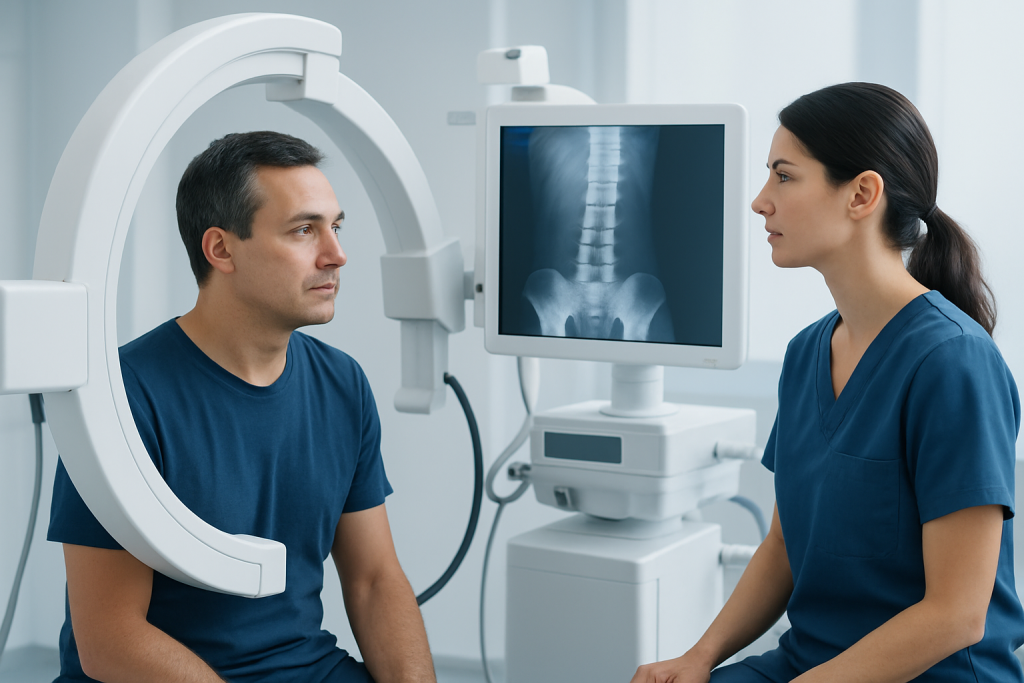
The symptoms that raise concern are often more specific than ordinary backache. Pain that shoots down the leg, numbness that follows a nerve pattern, or weakness that makes it hard to lift the foot or climb stairs can suggest nerve compression. Some patients describe pain that worsens when standing or walking and eases when sitting or bending forward, which may point toward narrowing of the spinal canal.
Not every person with severe pain needs surgery, and not every person with mild pain is free from a serious problem. Doctors pay close attention to whether symptoms are lasting, worsening, or interfering with everyday function. A person who cannot work, sleep, walk, or perform basic tasks despite treatment may need a different plan than someone whose pain is gradually settling.
Warning signs that deserve urgent medical review include new or progressive leg weakness, loss of bladder or bowel control, numbness around the groin or inner thighs, fever with severe back pain, or pain after major trauma. These can indicate nerve compression, infection, or injury that should not wait.
Causes & Risk Factors

Several spine problems can move beyond rest and injections. A herniated disc may press on a nerve root and cause leg pain, tingling, or weakness. Spinal stenosis, which is narrowing of the spinal canal, can compress the nerves and make standing or walking difficult. Degenerative spondylolisthesis, in which one vertebra slips forward over another, may create both pain and instability.
Other reasons surgery may be discussed include spinal fractures, especially when bones are weakened by osteoporosis; spinal deformity such as significant scoliosis; infections; tumors; and severe instability after injury or previous surgery. The underlying condition matters, because the goal of surgery changes depending on whether the problem is nerve compression, deformity, instability, or damage from disease.
Risk factors for more persistent spine problems include aging, repetitive heavy lifting, smoking, obesity, sedentary habits, osteoporosis, and a history of previous spine injury. Genetics can also play a role in disc degeneration or spinal shape. Still, many people with these risk factors never need surgery; they simply have a higher chance of developing a condition that should be monitored carefully.
Diagnosis
The decision for spine surgery is rarely made from a scan alone. Doctors usually begin with a detailed history, a neurological examination, and a discussion of which movements, positions, or activities make symptoms better or worse. They look for weakness, sensory changes, reflex differences, and signs that the spinal cord or nerves are being affected.
Imaging helps confirm the suspected cause. X-rays can show alignment, fractures, and some signs of instability. MRI is often the most useful test for discs, nerves, stenosis, infection, and soft tissue problems, while CT may be helpful for bone detail or when MRI is not possible. In some cases, electrodiagnostic tests are used to clarify whether a nerve is being affected and how severely.
Good surgical planning also includes a review of prior treatment. Doctors usually want to know what happened with physical therapy, medications, activity modification, and injections. If a patient is traveling from another country, it helps to bring previous reports, imaging disks or files, procedure notes, and a clear list of current symptoms so the receiving team can compare old and new findings efficiently.
Treatment Options
Before surgery is considered, many spine conditions are treated with non-surgical care. This may include anti-inflammatory medicines or other pain-relief strategies, structured physical therapy, posture and activity adjustments, epidural or joint injections, and time for symptoms to settle. For some people, these measures are enough even when the pain is intense at first.
Surgery becomes more likely when symptoms remain disabling, when neurological signs appear, or when the spine is structurally unstable. Common procedures include discectomy to remove part of a herniated disc, laminectomy or decompression to widen a narrowed canal, spinal fusion to stabilize segments that move too much, and corrective surgery for certain deformities or fractures. The exact operation depends on the source of the problem and the person’s overall health.
It is useful to think of spine surgery as a precision treatment rather than a single category. Some operations aim to relieve nerve pressure, some restore alignment, and some prevent the spine from collapsing further. A clear explanation of expected benefits, likely recovery time, and realistic limits is essential, especially for international patients who must plan around flights, hotel stays, and follow-up visits.
Prevention & Self-care
Not every spinal condition can be prevented, but a few habits may reduce strain and help recovery. Gentle regular movement is often better than prolonged bed rest. Core-strengthening exercises, flexibility work, and posture awareness can support the back when they are recommended by a clinician or physiotherapist.
Weight management, smoking cessation, safe lifting techniques, and treatment of osteoporosis can also lower risk in some people. For those who have already had spine surgery or are considering it, self-care includes protecting the incision as instructed, avoiding unapproved heavy lifting, taking medicines exactly as prescribed, and attending rehabilitation appointments.
Travel after spine surgery deserves special care. Long flights or car rides may require movement breaks, hydration, and planning for assistance with luggage and transfers. Patients should ask their surgical team about when it is safe to fly, how to position the body during travel, and what symptoms should trigger a call for help during recovery abroad or after returning home.
When to See a Doctor
Anyone with back pain that lasts more than a few weeks, keeps returning, or limits normal life should be assessed by a qualified clinician. The same is true when pain starts traveling into the leg, numbness appears, or walking becomes noticeably harder. Even if surgery is not needed, a proper diagnosis can prevent delayed treatment and unnecessary guesswork.
Urgent care is needed for sudden weakness, trouble controlling the bladder or bowel, loss of sensation in the saddle area, fever with severe back pain, or back pain after major trauma. These symptoms may reflect a problem that needs immediate attention rather than watchful waiting.
People considering spine surgery abroad benefit from a second opinion when the diagnosis is unclear or when they want to understand whether a less invasive option is available. A coordinated team can review scans, discuss alternatives, and help decide whether the trip is appropriate and safe. Acibadem Health Point’s multidisciplinary specialists and JCI-accredited hospitals diagnose and treat spine conditions for international patients, with care planning that includes both procedure and recovery.
Recovery and Follow-up
Recovery depends on the procedure and the underlying condition. Some patients begin walking the same day or the next day, while others need a longer period of protected activity. Pain control, wound care, gradual mobilization, and physical rehabilitation are common parts of the process.
Follow-up is not a formality. The surgical team checks for healing, watches for infection or nerve changes, and adjusts activity recommendations as recovery progresses. If care is received abroad, the patient should leave with a clear written plan for medications, wound care, rehabilitation timing, and local follow-up once home.
Not everyone feels instantly better after surgery, and that is normal. Nerves can take time to recover, and some stiffness or soreness is expected. A realistic conversation before treatment helps patients understand what improvement usually looks like, what may take months, and which symptoms should prompt contact with a doctor.
Frequently asked questions
How do doctors decide that back pain needs surgery?
They look at the whole picture: symptoms, neurological findings, imaging, and how well conservative care has worked. Surgery is usually considered when pain remains disabling, nerves are affected, or the spine is unstable or damaged in a way that is unlikely to improve on its own.
Can a herniated disc heal without surgery?
Yes, many herniated discs improve with time, activity changes, physical therapy, and pain control. Surgery is more likely to be discussed if the disc is causing persistent nerve pain, weakness, or other function-limiting symptoms.
Is spinal stenosis always treated with an operation?
No, many people with spinal stenosis manage symptoms without surgery for quite some time. An operation is usually considered when walking becomes limited, nerve symptoms progress, or conservative treatment no longer provides enough relief.
What should a patient bring when traveling abroad for spine evaluation?
It helps to bring imaging reports, scan disks or digital files, previous clinic notes, medication lists, and a summary of treatments already tried. This gives the receiving doctor a clearer view of what has been done and whether surgery is truly the next step.
How long is recovery after spine surgery?
Recovery varies widely depending on the type of operation and the person’s overall health. Some procedures allow early walking, while others require more time, rehabilitation, and restrictions on lifting or bending.
When is back pain an emergency?
Back pain becomes urgent when it is accompanied by sudden weakness, loss of bladder or bowel control, numbness in the groin area, fever, or major trauma. These symptoms need prompt medical attention rather than home care.
References
- World Health Organization
- National Institute of Neurological Disorders and Stroke
- American Association of Neurological Surgeons
- Mayo Clinic
- NHS
This article is for general information only and is not a substitute for professional medical advice. Please consult a qualified doctor about your individual situation.