

Podiatry: What It Is and When to See a Podiatrist

Key Takeaways
- Podiatry addresses pain, deformity, skin and nail problems, sports injuries, and diabetic foot concerns.
- Early evaluation can help prevent small foot problems from becoming harder-to-treat conditions.
- Diagnosis usually combines a physical exam, movement assessment, gait review, and imaging when needed.
- Treatment may include footwear changes, orthotics, wound care, medication, procedures, or surgery.
- Daily foot care and properly fitting shoes are important parts of prevention and recovery.
Medically reviewed by the Acıbadem clinical team — August 19, 2026
Podiatry focuses on the assessment and treatment of conditions affecting the feet, ankles, and lower legs. For many people, timely podiatric care can improve comfort, mobility, and day-to-day quality of life, especially when symptoms begin to limit walking, work, or exercise.
Overview
Podiatry is the medical care of the feet, ankles, and related structures of the lower limb. A podiatrist evaluates problems that affect how a person stands, walks, exercises, works, and moves through everyday life. Because the feet carry body weight with every step, even a small issue can become disruptive if it is ignored.
The field covers a wide range of concerns, from heel pain and ingrown toenails to stress fractures, bunions, flat feet, nerve symptoms, and diabetic foot complications. Care may be conservative, such as adjusting footwear or using orthotic supports, or it may involve procedures that address a more persistent problem. In many cases, podiatry is most helpful when symptoms are still new and the underlying cause can be addressed before compensation patterns develop.
For international patients, foot and ankle symptoms often appear during travel, long periods of walking, or after a Knee Pain Relief: Causes and Treatment" class="ahp-ilk">Pain Relief" class="ahp-ilk">sports injury away from home. A well-planned podiatry evaluation can help clarify what is urgent, what can be managed non-surgically, and what follow-up may be needed after returning home.
Symptoms
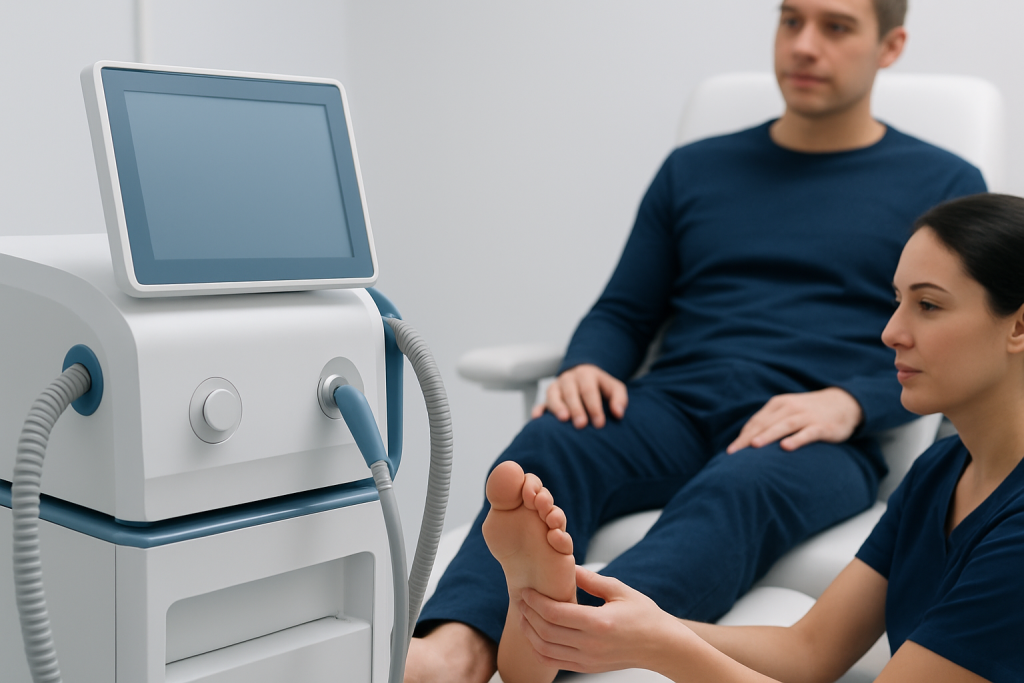
Podiatric problems do not always begin with severe pain. Some start as a subtle ache after walking, a shoe that suddenly feels tight, or a nail or skin change that keeps returning. Others appear more abruptly after a twist, fall, run, or long day on hard ground.
Common symptoms include:
- Heel pain, arch pain, or pain in the ball of the foot
- Swelling, redness, warmth, or tenderness around the foot or ankle
- Difficulty bearing weight or limping
- Stiffness, reduced range of motion, or instability
- Calluses, corns, cracked skin, or thickened toenails
- Ingrown toenails, nail discoloration, or recurrent nail infections
- Numbness, tingling, burning, or reduced sensation
- Visible deformity, such as a bunion, hammertoe, or collapsed arch
Symptoms may be more serious when they come with fever, a wound that is not healing, sudden severe swelling, or a foot that becomes cold, pale, or blue. In people with diabetes or poor circulation, even mild skin changes deserve attention because complications can progress quietly.
Causes & Risk Factors
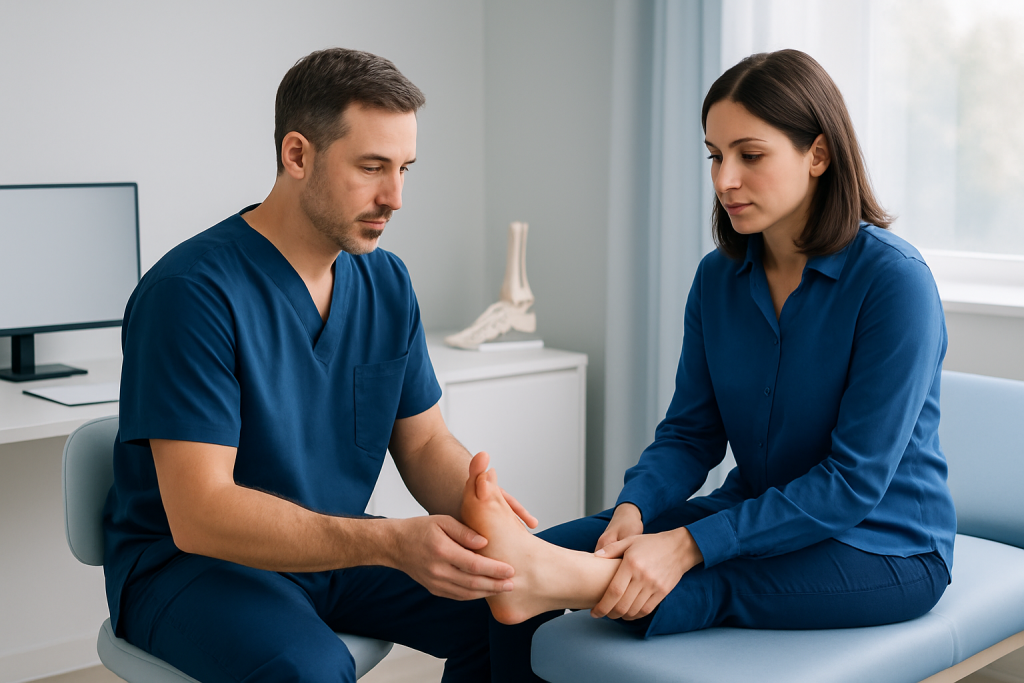
Foot and ankle problems can have mechanical, inflammatory, neurological, vascular, or skin-related causes. Often, several factors overlap. A person may have an anatomic tendency, such as flat feet or a high arch, and then develop pain after a change in activity, footwear, or body weight.
Common causes and risk factors include:
- Improperly fitted shoes, high heels, or worn-out footwear
- Repetitive stress from running, standing, or sports
- Foot shape differences, including bunions, flat feet, or high arches
- Obesity, which increases pressure on weight-bearing joints and tissues
- Arthritis, tendon irritation, plantar fasciitis, or stress injury
- Diabetes, peripheral neuropathy, and circulation problems
- Skin conditions, fungal infection, or ingrown toenails
- Age-related changes in fat padding, balance, and flexibility
Travel can also reveal a problem that was already developing. Long flights, more walking than usual, carrying luggage, or new footwear choices may make hidden biomechanical issues noticeable. For this reason, podiatric assessment can be especially useful when symptoms begin during or after a trip.
Diagnosis
Diagnosis usually starts with a detailed history and a careful physical examination. A podiatrist may ask when the symptoms began, what makes them better or worse, what type of shoes are worn, and whether there has been an injury, a change in exercise, or a long-standing medical condition such as diabetes or arthritis.
The examination may include checking the skin, nails, blood flow, sensation, posture, alignment, walking pattern, and range of motion in the ankle and foot joints. The clinician may also examine how pressure is distributed while standing and walking, because many foot problems are influenced by mechanics rather than one isolated structure.
When needed, tests may include X-rays, ultrasound, MRI, or laboratory work for infection or inflammatory disease. In patients with diabetes, a foot screening may include a nerve and circulation assessment. The goal is not only to name the problem but also to understand why it developed, so treatment is tailored to the person rather than only the painful spot.
Treatment Options
Treatment depends on the diagnosis, severity, and the person’s overall health. Many podiatric conditions improve with conservative care first, especially when the goal is to reduce pressure, support healing, and prevent the problem from recurring. A treatment plan may combine several approaches rather than relying on one measure alone.
Common treatment options include:
- Activity modification and temporary rest from aggravating movement
- Supportive shoes, inserts, or custom orthotics
- Stretching and strengthening exercises for the foot and calf
- Padding, taping, or bracing to offload irritated areas
- Wound care and regular monitoring for ulcers or skin breakdown
- Medication to ease inflammation, pain, or infection when appropriate
- Procedures for ingrown toenails, stubborn calluses, or other localized issues
- Surgery for structural deformity, unstable injuries, or problems that do not respond to conservative care
For some patients, treatment also includes coordination with orthopedics, endocrinology, rehabilitation, vascular medicine, or physical therapy. This is particularly important for complex foot problems, diabetic foot disease, or injuries affecting gait and balance. When care is planned from another country, a clear explanation of aftercare, wound checks, and travel timing is essential so recovery remains safe and practical.
Prevention & Self-care
Many foot problems respond well to early habits that reduce strain and protect the skin. Prevention is not about perfect feet; it is about noticing small changes early and making sensible adjustments before pain becomes persistent. Consistency tends to matter more than complicated routines.
Helpful self-care measures include:
- Wearing shoes that fit well, support the arch, and leave space for the toes
- Replacing heavily worn footwear before cushioning and support break down
- Keeping feet clean and dry, especially between the toes
- Trimming toenails straight across and avoiding deep corner cutting
- Checking feet regularly for blisters, redness, cracks, swelling, or sores
- Using recommended orthotics, padding, or stretching routines as advised
- Managing blood sugar carefully when diabetes is present
- Increasing activity gradually rather than all at once
People who travel often may benefit from packing comfortable walking shoes, moisture-wicking socks, and any prescribed inserts. After long flights or busy sightseeing days, simple attention to soreness, swelling, or hot spots can help prevent a minor issue from becoming a more serious injury or skin breakdown.
When to See a Doctor
A podiatric problem should be assessed if pain is persistent, if walking is becoming difficult, or if home measures are not helping. Medical review is also advisable when a foot or ankle problem keeps returning, changes the shape of the foot, or interferes with work, sports, or daily mobility.
Prompt medical attention is especially important for a wound that does not heal, signs of infection, sudden inability to bear weight, a suspected fracture, numbness with diabetes, or color change in the toes or foot. These findings do not always mean something dangerous is happening, but they do mean the problem should be examined rather than watched indefinitely.
For international patients, it is often best to arrange evaluation before traveling home if a splint, dressing, antibiotic plan, or follow-up imaging may be needed. Acibadem Health Point’s multidisciplinary specialists and JCI-accredited hospitals diagnose and treat podiatric conditions for international patients with coordinated care that can support both recovery and continuity.
Living With Ongoing Foot Problems
Some foot and ankle conditions improve quickly, while others require long-term management. Arthritis, diabetes-related changes, deformity, or recurrent tendon overload may need periodic review and ongoing adjustment of shoes, exercises, or orthotic support. The aim is not only symptom control but also preserving mobility and independence.
People often do best when they understand the pattern of their symptoms. For example, pain that flares after long standing may point to a pressure issue, while morning heel pain may suggest a soft tissue problem that needs stretching and support. Recognizing these patterns helps both the patient and clinician make practical decisions.
With the right plan, many patients can stay active and comfortable. A podiatry consultation can be the first step toward walking more easily, protecting skin and nails, and reducing the chance that a small foot problem grows into a larger one.
Frequently asked questions
What does a podiatrist treat?
A podiatrist treats conditions affecting the feet and ankles, including pain, deformities, nail problems, skin issues, sports injuries, and diabetic foot concerns. They also help with gait problems, pressure points, and preventive foot care.
Is podiatry only for severe foot problems?
No. Many people see a podiatrist for early symptoms such as heel pain, a recurring ingrown toenail, or shoe-related discomfort. Early care can prevent a minor problem from becoming more difficult to manage.
Do all foot problems need surgery?
No. In fact, many podiatric conditions improve with non-surgical treatment such as footwear changes, orthotics, exercise, padding, or wound care. Surgery is usually considered when conservative measures are not enough or when the problem is structural or urgent.
Can diabetes affect the feet?
Yes. Diabetes can reduce sensation and circulation in the feet, which raises the risk of sores, infections, and slow healing. Regular foot checks are an important part of diabetes care.
When should foot pain be checked by a doctor?
Foot pain should be checked if it persists, worsens, keeps returning, or affects walking. It should be seen promptly if there is swelling, a wound, numbness, deformity, or an inability to bear weight.
Can travel make foot problems worse?
Travel can aggravate foot symptoms because of long walks, prolonged sitting, or new shoes. If symptoms begin during a trip, it is wise to get assessed before continuing to travel, especially if there is swelling, a wound, or trouble walking.
References
- American Podiatric Medical Association
- NHS
- Mayo Clinic
- American Diabetes Association
- Merck Manual Professional Edition
This article is for general information only and is not a substitute for professional medical advice. Please consult a qualified doctor about your individual situation.
Joint and spine care in Turkey — expert assessment & treatment
JCI-accredited · board-certified surgeons · reply within 24h
Add us as a Preferred Source to see more of our trusted health content across Google Search, AI Overviews and Discover.
More from the Health Library



Related Specialists

Prof. Dr. Ahmet Alanay
Orthopedic Surgery & Traumatology
Dr. Sinan Aksu
Orthopedic Surgery & Traumatology
Dr. Sirri Baştürk
Orthopedic Surgery & Traumatology
Prof. Dr. Korhan Özkan
Orthopedic Surgery & Traumatology