Pica Disorder

Key Takeaways
- Pica is the repeated eating of non-food items and is not simply a habit or preference.
- It may be linked to iron deficiency, pregnancy, developmental conditions, stress, or other health issues.
- Diagnosis focuses on the eating pattern, possible complications, and the underlying cause.
- Treatment works best when the medical, nutritional, and behavioral factors are addressed together.
- Prompt medical advice is important if choking, poisoning risk, abdominal pain, or signs of anemia are present.
Pica disorder is a pattern of repeatedly eating non-food substances such as ice, dirt, clay, paper, or chalk. It can happen for medical, nutritional, developmental, or mental health reasons, and it deserves a careful evaluation rather than judgment.
Overview
Pica disorder describes a persistent urge to eat substances that are not meant to be eaten, such as ice, soil, clay, paper, hair, paint chips, soap, or laundry starch. The pattern is considered a health concern when it lasts long enough to be outside normal childhood exploration and is not part of a culturally accepted practice.
For many people, pica is a sign that something else needs attention. It may appear alongside iron deficiency, pregnancy, certain developmental or psychiatric conditions, or periods of emotional stress. The behavior can seem puzzling from the outside, but the more useful question is usually not “why would someone do this?” and more “what underlying factor is being missed?”
In a medical setting, the goal is to understand both the item being eaten and the person’s broader health picture. That is especially important for international patients who may be comparing care options across countries, because pica often benefits from coordinated evaluation rather than a single quick test.
Symptoms
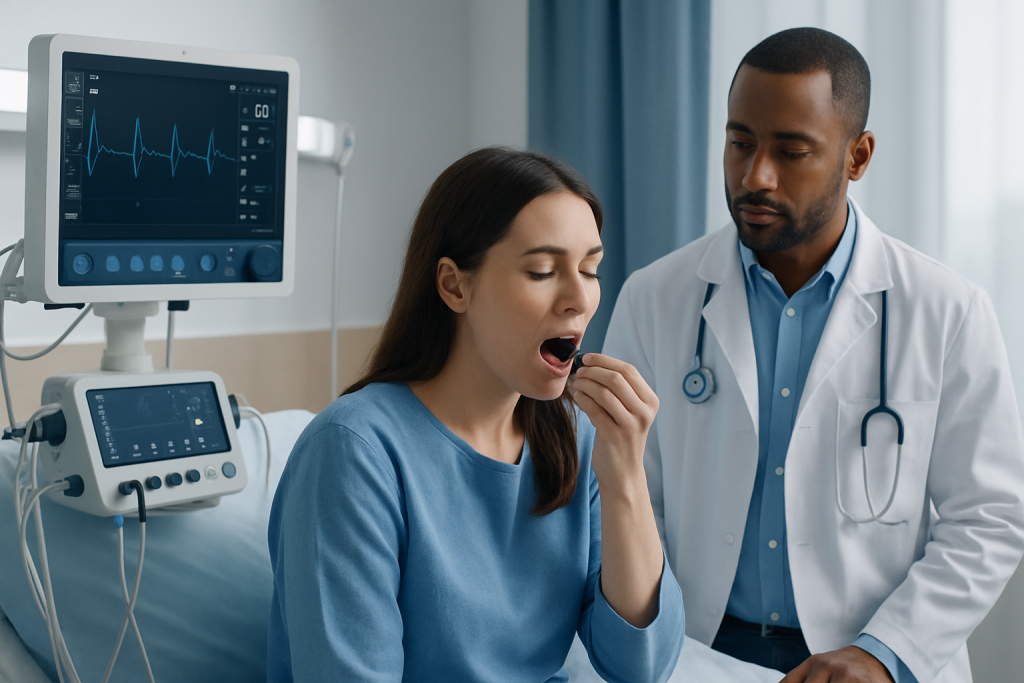
The main sign of pica is repeated eating of non-food items. The specific substance can vary widely, and some people focus on one item while others crave several. The behavior may happen privately, and some people do not mention it unless asked directly.
Possible warning signs depend on what is being eaten and how often. A person may develop stomach pain, constipation, nausea, dental damage, reduced appetite for regular foods, mouth sores, or signs of poisoning or infection. In children, pica may also show up as delays in typical eating habits or frequent attempts to chew unusual objects.
- Craving or eating ice, dirt, clay, paper, chalk, paint, or hair
- Digestive symptoms such as constipation, bloating, or abdominal discomfort
- Tooth wear, mouth irritation, or injury from hard materials
- Signs of nutrient deficiency, including fatigue or pallor
- Potential exposure to toxins, parasites, or blocked intestines
Some people with pica have no immediate symptoms, which can make the problem easy to overlook. Even then, the absence of obvious discomfort does not mean the behavior is harmless.
Causes & Risk Factors

Pica does not have one single cause. In many cases, it appears to be a response to a nutritional issue, especially iron deficiency, and sometimes zinc deficiency. It can also occur during pregnancy, when changing nutrient needs, nausea, or altered cravings may play a role.
Developmental and mental health conditions can increase the likelihood of pica. It is seen more often in some people with autism spectrum disorder, intellectual disability, obsessive-compulsive symptoms, or severe stress. In children, curiosity can be part of normal development, but persistent ingestion of non-food items goes beyond ordinary exploration and needs assessment.
Environmental and practical factors matter as well. Living in settings where non-food items are easily accessible, having a history of neglect, or being exposed to lead-based paint or contaminated soil can increase risk and complication severity. For people traveling for care, clinicians often ask detailed questions about home, work, and travel exposures because these can change the treatment plan.
Diagnosis
Diagnosis begins with a careful conversation about what is being eaten, how long it has been happening, and whether the items are swallowed or only chewed. Clinicians also ask about age, pregnancy, diet, developmental history, stressors, medications, and any symptoms that might suggest anemia, poisoning, or intestinal blockage.
Testing is usually guided by the suspected cause. Blood tests may check for iron deficiency, anemia, zinc levels, or other nutritional concerns. If there is concern about lead, infection, or abdominal complications, additional tests may be needed. The exact workup depends on the item involved, because clay, paint, ice, or hair each carry different risks.
Evaluation may include mental health or developmental screening when the behavior suggests those factors are contributing. A thoughtful diagnosis tries to separate pica from culturally accepted practices, simple chewing, or temporary cravings that do not meet the clinical picture.
Treatment Options
Treatment is most effective when it addresses the cause as well as the behavior. If iron deficiency or another nutrient problem is present, correcting that issue often reduces the urge to eat non-food items. When pica appears during pregnancy or with another medical condition, care is adjusted to the person’s broader health needs.
Behavioral support is often helpful, especially in children and in people with developmental conditions. Strategies may include identifying triggers, limiting access to risky items, offering safer substitutes when appropriate, and using structured reinforcement plans. In some cases, therapy for anxiety, obsessive symptoms, trauma, or stress may also be part of care.
If the person has swallowed something harmful, treatment may involve urgent management of poisoning, infection, blockage, or injury. That is why the item involved matters so much: eating ice and eating paint chips are not treated with the same level of concern. For international patients, multidisciplinary teams can be especially useful because the needed care may span internal medicine, pediatrics, psychiatry, nutrition, and gastroenterology.
Prevention & Self-care
Not every case of pica can be prevented, but risk can often be lowered by spotting nutritional gaps early and keeping high-risk materials out of reach. A balanced diet, appropriate prenatal care, and follow-up for anemia or deficiency can make a meaningful difference for some people.
At home, practical supervision matters, especially for children and for adults who have ongoing urges. Safe storage of paint, chemicals, detergents, and small objects can reduce accidental swallowing. If cravings are linked to stress or routine, keeping track of when they appear may help reveal patterns that can be discussed with a clinician.
- Follow up on iron or zinc deficiency treatment as recommended
- Keep non-food substances away from children and vulnerable adults
- Use safer oral alternatives only if a clinician advises them
- Seek support for anxiety, compulsive habits, or developmental needs
- Report any new abdominal pain, vomiting, or constipation promptly
Self-care should be realistic rather than restrictive. The aim is not blame; it is reducing exposure while the underlying reason is being addressed.
When to See a Doctor
Medical advice should be sought when pica is ongoing, when a child is repeatedly eating non-food items, or when cravings seem hard to control. The same applies if there is fatigue, paleness, poor growth, unusual eating behavior, or a known history of anemia or pregnancy-related cravings.
Urgent evaluation is important if the person has swallowed paint chips, batteries, sharp objects, magnets, soil with possible contamination, or anything that could block the intestine or cause poisoning. Abdominal swelling, persistent vomiting, blood in the stool, trouble breathing, choking, or confusion should be treated as prompt medical concerns.
Many families feel embarrassed bringing this up, but clinicians are used to discussing it without judgment. For people arranging treatment from abroad, a coordinated assessment can help determine whether testing, nutritional correction, behavioral support, or specialist referral should happen first. Acibadem Health Point’s multidisciplinary specialists and JCI-accredited hospitals can diagnose and treat pica disorder for international patients.
Frequently asked questions
Is pica disorder the same as a habit of chewing ice or pencils?
Not always. Chewing ice can sometimes be a standalone behavior, but pica is diagnosed when the pattern involves persistent eating of non-food items and fits the clinical criteria. A clinician looks at frequency, intent, age, cultural context, and whether there is a medical cause.
Can pica be caused by anemia?
Yes, pica is commonly associated with iron deficiency and sometimes other nutrient deficiencies. Treating the deficiency may lessen the urge, which is why blood tests are often part of the evaluation.
Does pica happen only in children?
No, it can occur in children, adolescents, and adults. It is seen in pregnancy and in some people with developmental, nutritional, or mental health conditions, so age alone does not rule it out.
What problems can pica cause?
Complications depend on what is eaten. Risks can include choking, poisoning, infection, dental damage, constipation, bowel blockage, and exposure to heavy metals such as lead.
How is pica treated?
Treatment usually combines medical evaluation, correction of any nutrient deficiency, and behavioral or mental health support when needed. The approach is tailored to the person and the substance involved.
When should a family seek urgent help?
Urgent help is needed if a person has swallowed something toxic, sharp, or blocking, or if they develop vomiting, severe abdominal pain, trouble breathing, or signs of poisoning. These symptoms need prompt assessment rather than watchful waiting.
References
- National Institute of Mental Health
- MedlinePlus
- Merck Manual Professional Edition
- American Psychiatric Association
- World Health Organization
This article is for general information only and is not a substitute for professional medical advice. Please consult a qualified doctor about your individual situation.