Bladder And Urinary Tract Infection Symptoms

Key Takeaways
- Burning when passing urine, urgency, and frequent small voids are common UTI clues.
- Bladder infections are usually caused by bacteria entering the urinary tract.
- Symptoms can overlap with other conditions, so a urine test often helps confirm the diagnosis.
- Prompt treatment matters, especially for men, children, pregnant patients, and anyone with fever or back pain.
- Hydration, good hygiene, and not delaying urination may help lower the risk of recurrence.
Bladder and urinary tract infection symptoms can range from mild discomfort to urgent, painful urination and lower abdominal pressure. Recognizing the pattern early helps patients seek the right care, reduce complications, and recover more comfortably.
Overview
A urinary tract infection, often shortened to UTI, happens when germs irritate part of the urinary system. When the infection stays in the bladder, it is commonly called cystitis or a bladder infection. Many people first notice it through changes in how urination feels: a sharp burn, a sudden need to go, or a sense that the bladder is still not empty after using the toilet.
Because the urinary tract includes the kidneys, ureters, bladder, and urethra, symptoms can vary depending on where the infection is located. A simple bladder infection usually causes lower urinary symptoms, while an infection that reaches the kidneys can feel more serious and may bring fever or pain in the side or back. Understanding this difference helps patients decide when home comfort measures are no longer enough.
For international patients, the practical challenge is often not recognizing that something is wrong, but knowing how quickly it should be checked and what tests are needed once care begins. A clear assessment with urine testing can confirm the cause, rule out other problems, and guide the most appropriate treatment plan.
Symptoms
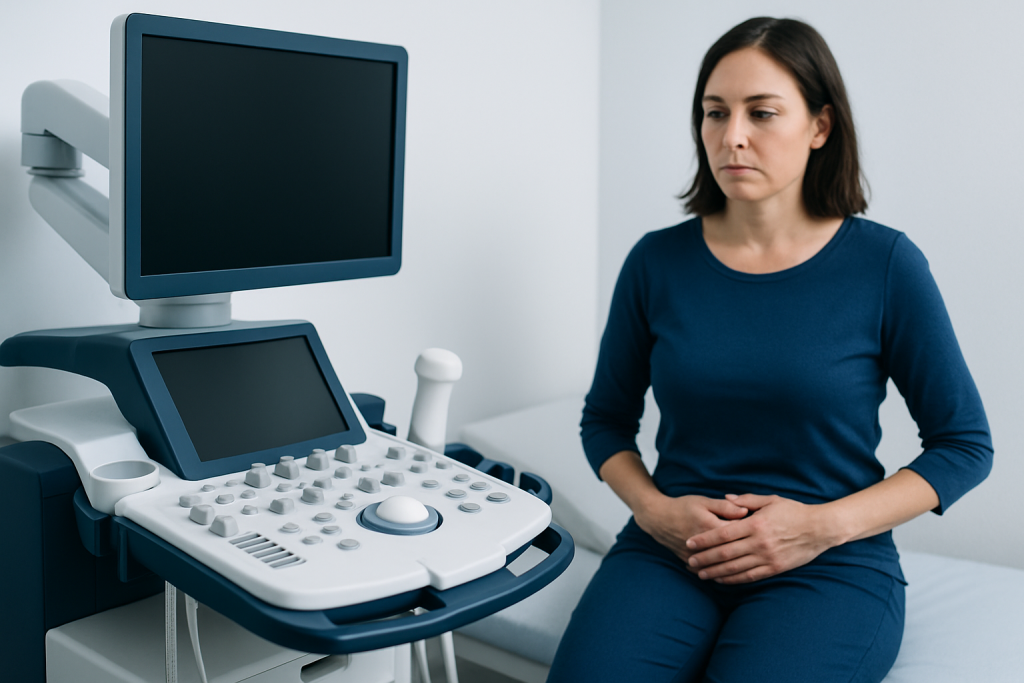
Classic bladder and urinary tract infection symptoms often appear suddenly. The most common is a burning or stinging feeling during urination, followed by needing to urinate more often than usual. Some patients pass only a small amount each time, even though the urge feels strong.
Other common symptoms include lower abdominal pressure, cloudy urine, urine that smells stronger than usual, and a feeling of incomplete emptying. Some people also notice a small amount of blood in the urine, which can be unsettling but may occur with bladder irritation. In children, older adults, or people with other medical conditions, symptoms may be less typical and may show up as confusion, irritability, poor appetite, or general weakness.
- Burning or pain during urination
- Urgent need to urinate
- Frequent urination in small amounts
- Pressure or discomfort low in the abdomen
- Cloudy, strong-smelling, or blood-tinged urine
- Pain in the side or back if the infection is more advanced
Symptoms that suggest the infection may be beyond the bladder include fever, chills, nausea, vomiting, or flank pain. These signs deserve prompt medical attention because they can point to a kidney infection rather than a simple bladder infection.
Causes & Risk Factors

Most UTIs are caused by bacteria, especially bacteria from the bowel area that reach the urethra and travel upward into the bladder. This can happen more easily when the bladder does not empty completely or when bacteria are introduced during sexual activity, catheter use, or certain hygiene practices. In many cases, the infection is not caused by anything “dirty” or unusual; it is a matter of anatomy and bacterial access.
Some people are more likely to develop recurrent or complicated infections. Risk can be higher with urinary tract blockages, kidney stones, pregnancy, diabetes, a weakened immune system, recent urinary procedures, or a history of UTIs. Women tend to have UTIs more often because the urethra is shorter, allowing bacteria to reach the bladder more easily.
Travel can also affect the body’s usual routine. Holding urine for long periods, not drinking enough water, or using unfamiliar restrooms may contribute to irritation and bacterial growth in some people. While these factors do not cause every UTI, they can make symptoms more likely in someone who is already vulnerable.
Diagnosis
Diagnosis usually starts with a conversation about symptoms and a urine test. A healthcare professional may ask how long the discomfort has been present, whether there is fever or back pain, and whether infections have happened before. These details help distinguish a simple bladder infection from a more complex urinary tract problem.
A urine dipstick or urinalysis can show signs of infection, such as white blood cells, nitrites, or blood. In some cases, a urine culture is ordered to identify the specific bacteria and check which antibiotics are most likely to work. This is especially useful for recurrent infections, pregnancy, male patients, or when symptoms do not improve as expected.
When symptoms are unusual or the infection seems complicated, imaging tests or additional evaluation may be needed to look for stones, blockage, or structural issues. The goal is not only to confirm the infection, but also to understand why it happened and how to reduce the chance of it returning.
Treatment Options
Treatment depends on the location and severity of the infection. Many bladder infections are treated with antibiotics chosen by a doctor, and the course should be taken exactly as prescribed even if symptoms start to improve quickly. This helps clear the infection fully and lowers the risk of resistance or relapse.
Supportive care may also help patients feel better while treatment begins. Drinking enough water can help flush the urinary tract, and some people find that avoiding bladder irritants such as alcohol, caffeine, or strongly acidic drinks reduces discomfort. Rest is useful, especially if the infection has caused fatigue or body aches.
If the infection has reached the kidneys or the patient has severe symptoms, stronger treatment or hospital-based care may be required. Pregnancy, urinary tract abnormalities, and repeated infections often call for a more individualized plan. In an international care setting, doctors may also coordinate follow-up testing before travel or arrange review after the patient returns home, so recovery remains safe and well monitored.
Prevention & Self-care
Not every urinary tract infection can be prevented, but some habits may reduce risk. Regular fluid intake, not delaying urination, and emptying the bladder after sexual activity are simple measures that may help some patients. Gentle personal hygiene also matters; wiping from front to back can reduce the spread of bacteria toward the urethra.
For people with repeated infections, prevention may involve identifying a pattern. A doctor may review whether symptoms follow intercourse, dehydration, constipation, or incomplete bladder emptying. In selected cases, further evaluation can uncover a treatable cause such as stones, pelvic floor issues, or anatomic narrowing.
- Drink fluids regularly unless a doctor has advised otherwise.
- Do not hold urine for long periods.
- Use gentle hygiene rather than aggressive cleansing products.
- Wear breathable underwear and change out of wet clothing promptly.
- Seek medical advice before using leftover antibiotics.
Self-care should complement, not replace, medical evaluation when symptoms are clear or persistent. Recurrent or severe episodes are worth discussing with a clinician, because prevention is most effective when it is tailored to the individual’s pattern of infection.
When to See a Doctor
Medical assessment is important if burning, urgency, or frequency lasts more than a day or two, or if symptoms are getting worse. A doctor should also be seen sooner when there is fever, back or side pain, nausea, vomiting, visible blood in the urine, or a general feeling of being unwell. These signs can suggest a more significant infection.
Prompt care is especially important for pregnant patients, men, children, older adults, and anyone with diabetes, kidney disease, or a weakened immune system. In these groups, urinary infections may need closer follow-up to avoid complications. Anyone with repeated UTIs should be evaluated rather than repeatedly self-treating.
Bladder and urinary tract infection symptoms are common and usually treatable, but they should not be ignored if they are persistent or severe. If the patient is traveling for care, a multidisciplinary team can help plan testing, treatment, and follow-up in a way that fits the journey.
At Acibadem Health Point, multidisciplinary specialists and JCI-accredited hospitals diagnose and treat urinary tract infections for international patients with coordinated, patient-centered care.
Further help and follow-up
After treatment starts, symptoms often begin easing within a short time, but the full course of recovery can vary. If discomfort does not improve, returns soon after treatment, or comes with new symptoms, the patient should be rechecked. This helps confirm that the infection has cleared and that no other condition is being missed.
Some people benefit from a follow-up urine test, especially if they are pregnant, have repeated infections, or had a complicated episode. When care is received abroad, it can be useful to leave with a clear record of the diagnosis, treatment plan, and any warning signs to watch for after returning home. That kind of planning makes ongoing care more straightforward and less stressful.
Frequently asked questions
What are the first signs of a bladder infection?
The earliest signs are often a burning feeling during urination, a sudden need to urinate, and passing small amounts very frequently. Some people also notice pressure in the lower abdomen or urine that looks cloudy or smells stronger than usual. Symptoms can start quickly and may be mild at first.
Can a urinary tract infection go away on its own?
Some mild urinary symptoms may settle, but a true bacterial UTI often needs medical treatment to fully clear. Waiting too long can allow the infection to worsen or move upward toward the kidneys. A clinician can help decide whether testing and treatment are needed.
How is a bladder infection diagnosed?
Diagnosis usually begins with symptom review and a urine test. The test can show signs of infection, and sometimes a urine culture is done to identify the bacteria more precisely. This is especially helpful if infections keep coming back or symptoms are unusual.
What symptoms suggest the infection may have reached the kidneys?
Fever, chills, pain in the side or back, nausea, and vomiting can suggest a kidney infection. These symptoms need prompt medical attention because kidney infections may require more urgent treatment. They are more than a simple bladder irritation.
Why do some people get UTIs repeatedly?
Recurrent UTIs can be linked to anatomy, sexual activity, incomplete bladder emptying, stones, diabetes, or other medical factors. Sometimes there is no single clear cause, which is why repeat episodes deserve a proper evaluation. A doctor may look for triggers and tailor prevention strategies accordingly.
What can a patient do while waiting to see a doctor?
Staying hydrated and resting can help with comfort, and it is best not to hold urine for long periods. Patients should avoid using leftover antibiotics or delaying care if they have fever, back pain, or worsening symptoms. A urine test and clinical review are the safest next steps.
References
- World Health Organization
- National Institute of Diabetes and Digestive and Kidney Diseases
- Mayo Clinic
- NHS
- Centers for Disease Control and Prevention
This article is for general information only and is not a substitute for professional medical advice. Please consult a qualified doctor about your individual situation.