Acrophobia

Key Takeaways
- Acrophobia is a specific phobia that causes distress beyond ordinary caution around heights.
- Symptoms may include dizziness, panic, nausea, sweating, trembling, and an urge to escape.
- Treatment often combines exposure-based therapy, cognitive behavioral strategies, and coping skills.
- Avoidance can keep the fear strong, but gradual, guided practice can help.
- A doctor or mental health professional can rule out other causes and recommend the safest approach.
Acrophobia is an intense fear of heights that can affect daily routines, travel, work, and social life. With the right assessment and treatment, many people learn to manage symptoms and regain confidence in height-related situations.
Overview
Acrophobia is more than a dislike of tall places. It is a strong, persistent fear of heights that can trigger immediate anxiety even when a person is objectively safe, such as standing on a balcony, looking from a bridge, or riding in a glass elevator. The fear may feel physical as much as emotional, with the body reacting as if danger is imminent.
For some people, the fear begins after an unsettling experience at height. For others, it develops gradually and becomes linked to avoidance: the less often a person faces height-related situations, the more unfamiliar and threatening they can feel. This pattern can influence everyday choices, including travel plans, sightseeing, certain jobs, and even simple tasks like using stairs in a tall building.
Acrophobia belongs to the group of specific phobias. That means the fear is focused on a particular trigger rather than being a general anxiety about everything. In many cases, people know their reaction is excessive, yet still feel unable to calm it on their own. A clear diagnosis can be helpful because it separates acrophobia from balance problems, panic disorder, vertigo, or other conditions that may create similar discomfort.
Symptoms
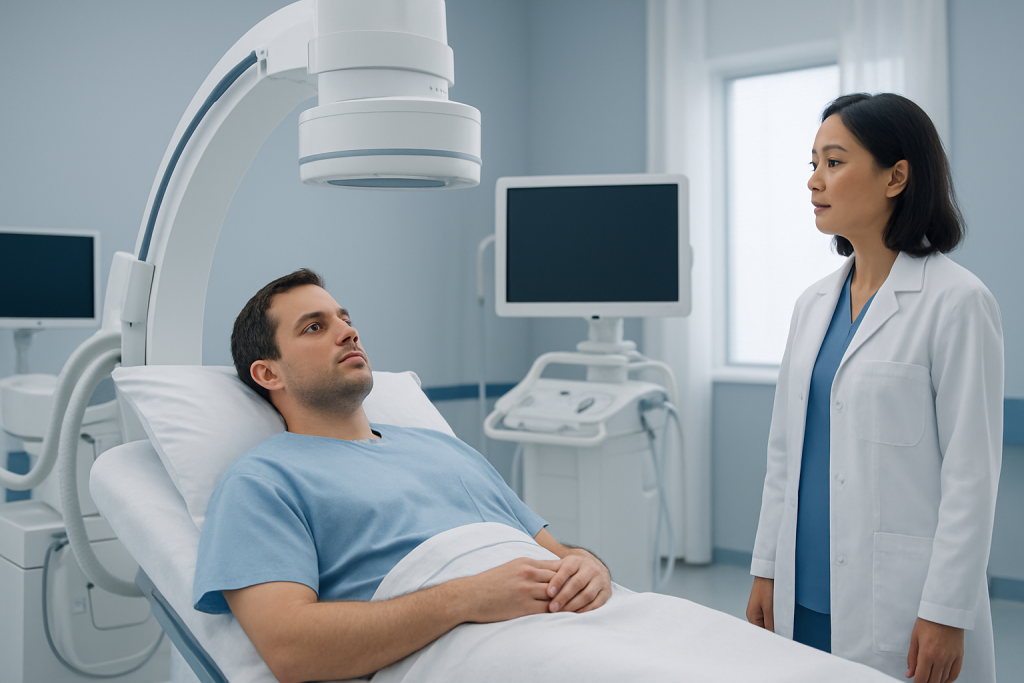
Acrophobia often shows up the moment a person anticipates being at a height, not only when they are already there. Some people notice worry days before a trip or event, while others feel a sudden surge of fear when they see a staircase, a high window, or a route that includes a bridge or mountain road.
Common symptoms may include:
- Intense fear, dread, or panic when near heights
- Dizziness, lightheadedness, or a sensation of swaying
- Rapid heartbeat or chest tightness
- Shortness of breath
- Sweating, trembling, or shaking
- Nausea or stomach discomfort
- Feeling frozen, unable to move, or needing to hold on tightly
- Urgent desire to escape the situation
Some people also experience a narrowing of attention, where they can think only about falling or losing balance. For international travelers, the fear may appear in unfamiliar settings such as hotel balconies, observation decks, cable cars, or airports with high walkways. That can make even a well-planned trip feel harder than expected, especially when the person worries about needing to “get through” a situation without showing distress.
Causes & Risk Factors

There is rarely a single cause. Acrophobia can develop after a frightening event, such as slipping on stairs, nearly falling from height, or witnessing someone else get hurt. Sometimes the fear is learned indirectly, especially if a child grows up seeing a parent or caregiver react strongly to heights.
Biology and temperament may also play a role. Some people are more prone to anxiety, sensitivity to bodily sensations, or rapid fear responses. A tendency to overestimate danger or to feel unsafe when balance feels uncertain can make height-related situations especially uncomfortable. Past panic attacks can reinforce the fear because the body remembers how intense the sensations felt.
Risk factors may include:
- A previous frightening experience involving height
- Family history of anxiety or specific phobias
- Other anxiety conditions, including panic disorder or generalized anxiety
- Motion sensitivity, vertigo, or balance concerns that increase discomfort
- Frequent avoidance of height-related situations after an early frightening event
It is also common for acrophobia to become self-reinforcing. Once a person avoids heights, there is less opportunity to learn that many height situations can be tolerated safely. Over time, the fear can become broader, making even mild elevations feel threatening.
Diagnosis
Diagnosis usually begins with a careful conversation about symptoms, triggers, and how much the fear interferes with daily life. A clinician may ask when the fear started, what situations are hardest, and whether the reaction happens only with heights or in other settings too. This history helps distinguish acrophobia from other causes of dizziness or panic.
A doctor or mental health professional may also look for signs that another condition is contributing to the experience. For example, inner ear disorders, vestibular problems, vision issues, or medication effects can create balance symptoms that make heights feel more frightening. In some cases, a physical examination or targeted tests may be suggested to rule out medical causes.
For international patients, diagnosis may be especially useful before travel or a planned procedure if the fear is likely to affect movement through tall hospital buildings, imaging suites, or recovery spaces. A precise evaluation helps the care team choose treatments that are realistic and safe for the person’s situation. The goal is not to label the fear, but to understand it well enough to treat it effectively.
Treatment Options
Acrophobia is often treatable, and many people improve with structured therapy. The most commonly recommended approach is cognitive behavioral therapy (CBT), especially when it includes gradual exposure. Exposure therapy does not mean forcing someone into a frightening situation all at once; instead, it introduces height-related triggers in small, planned steps so the nervous system can relearn that the sensation of fear is temporary and manageable.
Therapists may also help the person examine the thoughts that intensify the fear, such as “I will fall” or “I cannot handle this.” Replacing catastrophic predictions with more balanced thinking can reduce the intensity of the response. Relaxation strategies, breathing techniques, and grounding exercises are often used alongside exposure so the person has practical tools during treatment.
In some cases, medication may be considered if acrophobia is part of a broader anxiety picture or if symptoms are severe enough to block therapy progress. A doctor may evaluate whether another anxiety condition, depression, or panic symptoms are present and tailor treatment accordingly. Medication decisions should always be individualized and monitored by a qualified clinician.
For patients traveling from another country, therapy planning may need to account for time zones, follow-up access, and the transition back home. A good treatment plan can include home practice, written coping steps, and coordination with a local provider if continued sessions are needed after travel. That continuity matters because phobia treatment works best when skills are reinforced over time, not only during a single visit.
Prevention & Self-care
There is no guaranteed way to prevent acrophobia, but early attention to fear can stop avoidance from growing. When a height-related experience feels overwhelming, it is often better to address it calmly and gradually rather than reorganizing life around the fear. The earlier support begins, the easier it may be to keep the anxiety from spreading to more situations.
Helpful self-care steps may include:
- Practicing slow breathing when anxiety begins to rise
- Using stable points of focus, such as the horizon or a fixed object
- Breaking challenging situations into smaller steps
- Avoiding alcohol or other substances that can worsen dizziness or judgment
- Getting enough sleep before travel or height-related activities
- Keeping a record of triggers, thoughts, and physical symptoms
It can also help to plan ahead. For example, someone who expects to encounter heights during a trip may choose seats or routes that feel more manageable, travel with a supportive companion, and allow extra time so the situation does not feel rushed. Simple preparation does not “cure” the fear, but it can reduce the feeling of being trapped. If the fear is starting to limit work, travel, family outings, or medical visits, professional guidance is usually worthwhile.
When to See a Doctor
Medical or mental health evaluation is a good idea when fear of heights leads to strong avoidance, interferes with work or travel, or causes repeated panic-like symptoms. It is also appropriate when the fear begins after an injury, fall, or a new balance problem, because a physical cause may need to be checked first.
A doctor should be consulted if height exposure causes fainting, chest pain, severe shortness of breath, or symptoms that seem different from usual anxiety. While acrophobia itself is not dangerous, it can be difficult to tell anxiety symptoms apart from medical problems without an assessment. A careful review can provide reassurance and a clearer path forward.
People who are preparing for travel, relocation, or Varicose Vein Treatment Abroad: When Stockings Are Enough and When Procedures Help More" class="ahp-ilk">treatment abroad may benefit from discussing acrophobia in advance so the care plan can include practical adjustments. In the right setting, multidisciplinary specialists and JCI-accredited hospitals, such as those at Acibadem Health Point, can help diagnose and treat this condition for international patients. The main aim is steady, evidence-based care that supports safety, confidence, and follow-through after returning home.
Living With Acrophobia
Living with acrophobia can be frustrating, especially when the fear seems out of proportion to the situation. Still, progress is possible. Many people find that once they understand the pattern behind the fear and begin structured treatment, the intensity decreases and situations that once felt impossible become manageable.
It may help to think of recovery as skill-building rather than willpower. Each small step—standing near a safe ledge, looking out from a low balcony, or using a high walkway with support—can teach the brain something new. Over time, those experiences can weaken the automatic alarm response and make everyday life less restricted.
Support from family, friends, and clinicians matters. A respectful, non-pressuring approach usually works better than being told to “just get over it.” With patience, a clear plan, and professional help when needed, acrophobia can become a condition that is understood and actively managed rather than one that quietly controls choices.
Frequently asked questions
What is the difference between acrophobia and normal fear of heights?
Normal caution can help a person stay safe near edges or tall places. Acrophobia is stronger and more persistent, and it can cause intense distress even when there is little real danger. It also tends to lead to avoidance that interferes with daily life.
Can acrophobia go away on its own?
Sometimes symptoms lessen if the fear was tied to a single event and the person gradually regains confidence. More often, though, avoidance keeps the fear active. Treatment usually improves the chances of lasting change.
What kind of therapy helps most with acrophobia?
Cognitive behavioral therapy with gradual exposure is commonly used. It helps a person change fearful thinking patterns and build tolerance step by step. The exact plan depends on how severe the fear is and whether other anxiety symptoms are present.
Is dizziness with heights always caused by acrophobia?
No. Dizziness can also come from balance disorders, inner ear problems, vision issues, medications, or other medical conditions. If dizziness is new, severe, or occurs outside height-related situations, medical evaluation is important.
Can someone travel safely if they have acrophobia?
Many people can travel safely with planning and support. Choosing manageable routes, preparing coping tools, and discussing concerns with a clinician beforehand can make the experience easier. If the fear is severe, treatment before travel may be helpful.
Should children with a fear of heights be evaluated?
Yes, if the fear is intense, lasts a long time, or interferes with play, school, or family activities. A pediatrician or mental health professional can help determine whether the reaction is within a normal range or part of a specific phobia.
References
- National Institute of Mental Health
- American Psychiatric Association
- Mayo Clinic
- World Health Organization
This article is for general information only and is not a substitute for professional medical advice. Please consult a qualified doctor about your individual situation.