

Pelvic Floor Dysfunction: Symptoms, Causes and Treatment

Key Takeaways
- Pelvic floor dysfunction can affect bladder control, bowel movements, sexual comfort, and pelvic pressure.
- Symptoms may come from muscles that are too tight, too weak, or poorly coordinated.
- Diagnosis usually starts with a detailed history, a physical examination, and sometimes pelvic floor testing or imaging.
- Treatment often combines pelvic floor physical therapy, bladder or bowel habits, lifestyle changes, and, in some cases, medicine or procedures.
- Early assessment can make it easier to find the underlying pattern and choose the right therapy.
Medically reviewed by the Acıbadem clinical team — August 19, 2026
Pelvic floor dysfunction describes a group of problems caused by the muscles and tissues that support the bladder, bowel, and pelvic organs not working as they should. With the right evaluation and a tailored plan, many people can improve comfort, function, and confidence in daily life.
Overview
The pelvic floor is a layered group of muscles, ligaments, and connective tissues that forms a supportive base for the bladder, uterus or prostate area, and rectum. It also helps control urination, bowel movements, posture, core stability, and sexual function. When this system is not coordinating well, the result is called pelvic floor dysfunction.
This condition is not one single disease. In some people, the muscles are overly tense and difficult to relax. In others, the muscles are weak or the tissues that provide support have been stretched. Many people have a mix of both, which is one reason symptoms can be confusing and vary from person to person.
For Myomectomy Recovery for International Patients: The Usual Travel Timeline" class="ahp-ilk">international patients, pelvic floor concerns often become noticeable during travel, long periods of sitting, after childbirth, after surgery, or when symptoms do not improve with basic measures. A careful, personalized evaluation is important because the right treatment depends on the underlying pattern rather than the symptom alone.
Symptoms
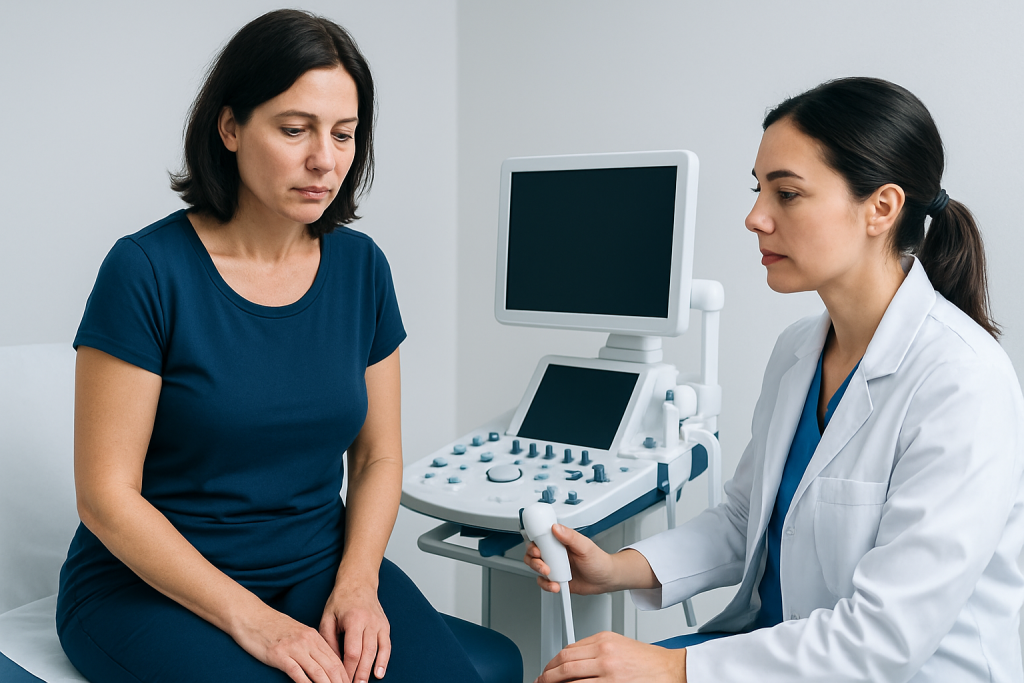
Pelvic floor dysfunction can show up in the bladder, bowel, pelvis, or sexual health. Some people notice a constant feeling of pressure or heaviness, while others describe urgency, pain, or difficulty emptying. Symptoms may be mild and occasional at first, then become more persistent over time.
Common symptoms can include:
- Urinary urgency, frequency, or leakage
- Difficulty starting urination or feeling unable to empty the bladder fully
- Constipation, straining, or a sense of incomplete bowel emptying
- Pelvic pain, pressure, or a dragging sensation
- Pain during sex or reduced comfort with intimacy
- Lower back, hip, or tailbone discomfort that seems to come and go with pelvic symptoms
Because these symptoms overlap with urinary tract infections, gynecologic conditions, bowel disorders, or prostate concerns, people sometimes live with them for a long time before getting the correct explanation.
Causes & Risk Factors
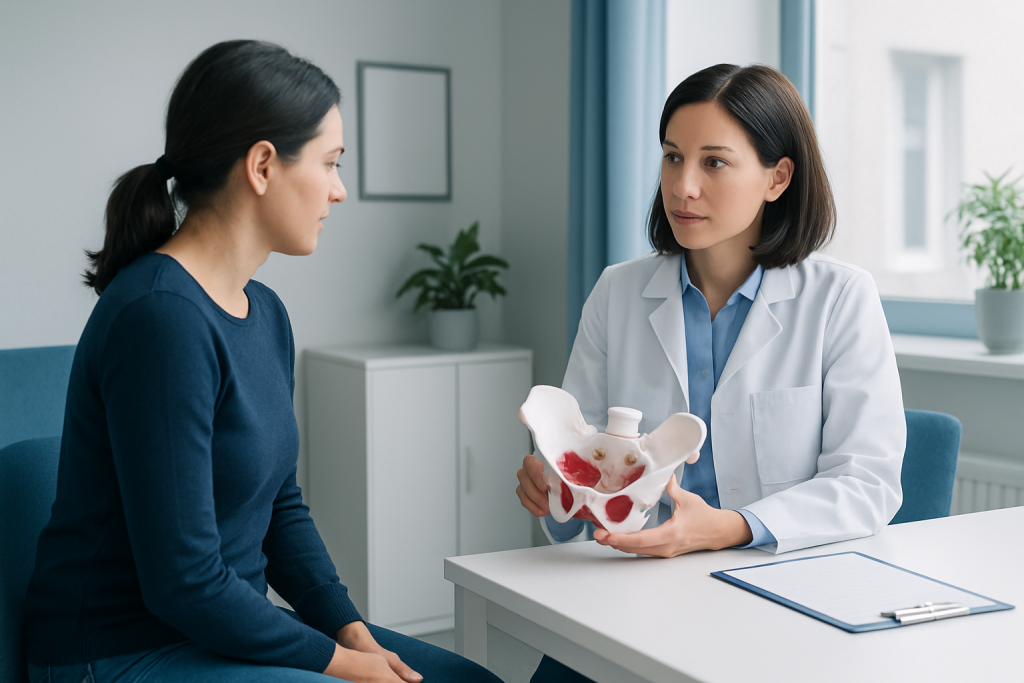
Pelvic floor dysfunction can develop for many reasons. Some people have muscle overactivity after pain, stress, trauma, or repeated straining. Others develop weakness or support changes after childbirth, chronic coughing, heavy lifting, aging, surgery, or certain neurological conditions. Sometimes the muscles become both tight and weak, which may sound contradictory but is common in real practice.
Risk factors may include pregnancy and childbirth, pelvic surgery, constipation, chronic cough, obesity, repetitive high-impact activity, and prolonged sitting. Hormonal changes, especially around menopause, can also affect tissue support and comfort. Emotional stress can contribute as well, since the pelvic floor often responds to the body’s overall tension level.
Not every person with a risk factor will develop symptoms. Still, knowing the triggers can help a clinician distinguish between a muscle coordination problem, a support problem, or another condition that needs separate attention.
Diagnosis
Diagnosis begins with a careful conversation about symptoms, bowel and bladder habits, pain patterns, childbirth history, surgeries, and daily activities. The clinician may ask how often symptoms happen, what makes them worse, and whether there are signs of leakage, constipation, or pelvic heaviness. This history helps narrow down whether the main issue is muscle tension, weakness, or poor coordination.
A physical examination may include an abdominal, pelvic, or rectal assessment, depending on the person’s anatomy and symptoms. The goal is not only to look for tenderness or support changes, but also to assess how the muscles contract and relax. In some cases, additional tests such as urinalysis, ultrasound, urodynamic studies, anorectal testing, or pelvic imaging may be useful to rule out other causes or confirm the diagnosis.
For patients traveling for care, it is helpful to bring past records, imaging, surgical notes, and a list of prior treatments. That allows the specialist team to avoid repeating steps unnecessarily and to build a more precise plan from the first visit.
Treatment Options
Treatment depends on the pattern of dysfunction and the person’s main symptoms. Many people improve with pelvic floor physical therapy, which may focus on relaxation, coordination, strengthening, or a combination of these. Therapy is often more targeted than generic exercise advice, because a muscle that is too tight may need down-training and release work before strengthening is appropriate.
Other non-surgical options may include bladder training, bowel habit retraining, breathing techniques, posture and core support work, and changes to daily straining or lifting habits. If pain is present, clinicians may also consider medications or topical treatments that address the contributing condition rather than the pelvic floor alone. In some situations, biofeedback can help a person learn how to sense and control the muscles more accurately.
When symptoms are caused by structural support problems or have not improved with conservative care, procedures or surgery may be discussed. The exact choice depends on the diagnosis, overall health, future pregnancy plans, and whether the main issue is prolapse, incontinence, pain, or obstructed emptying. A multidisciplinary approach can be especially valuable when bladder, bowel, and pain symptoms overlap.
Prevention & Self-care
Not every case of pelvic floor dysfunction can be prevented, but daily habits can reduce strain and support recovery. Constipation management is often one of the most useful steps, since repeated straining can worsen pelvic symptoms. Drinking enough fluids, eating fiber as tolerated, and responding to the urge to have a bowel movement can all help.
Gentle self-care may also include:
- Using proper lifting techniques and avoiding breath-holding during effort
- Practicing relaxed breathing and pelvic floor relaxation when tension is part of the problem
- Avoiding prolonged toilet sitting or pushing
- Returning gradually to exercise after childbirth, surgery, or a flare-up
- Addressing chronic cough or repeated heavy straining with a clinician
It is important not to assume that more Kegel exercises are always the answer. While strengthening can be helpful in some cases, people with tight or overactive pelvic floor muscles may need the opposite approach first. A therapist or specialist can help determine the safest direction.
When to See a Doctor
A medical evaluation is appropriate when bladder, bowel, or pelvic symptoms keep recurring, interfere with daily life, or do not improve with basic self-care. Pain with sex, a persistent feeling of pelvic heaviness, new urinary leakage, or ongoing constipation are all good reasons to seek assessment. Symptoms that are changing after childbirth, surgery, menopause, or a neurological diagnosis should also be discussed.
Urgent care is needed for severe pain, inability to urinate, significant rectal bleeding, fever with pelvic or urinary symptoms, or sudden weakness or numbness. Those symptoms may point to a different problem that needs prompt attention.
For people traveling internationally, it can be helpful to arrange follow-up before leaving, especially if treatment includes therapy sessions, medication changes, or post-procedure monitoring. Acibadem Health Point’s multidisciplinary specialists and JCI-accredited hospitals diagnose and treat pelvic floor dysfunction for international patients in a coordinated setting, which can make complex care easier to navigate across visits.
Living Well With Pelvic Floor Dysfunction
Pelvic floor dysfunction is often manageable, but improvement usually comes from understanding the specific type of problem rather than treating all symptoms the same way. Some people need muscle release and relaxation training; others need support, strengthening, or a combination of both. Progress may be gradual, especially when symptoms have been present for a long time.
Keeping a simple symptom diary can help identify triggers such as constipation, long flights, certain workouts, stress, or specific foods and drinks. This information is useful both for the initial evaluation and for follow-up, particularly when care is spread across countries or between specialists.
With a clear diagnosis and steady follow-up, many people regain confidence in daily activities, travel, exercise, and intimacy. The main goal is not perfection, but better function, less discomfort, and a plan that fits the person’s life.
Frequently asked questions
Is pelvic floor dysfunction the same as pelvic organ prolapse?
No. Prolapse Surgery" class="ahp-ilk">Pelvic organ prolapse is one possible structural problem, while pelvic floor dysfunction is a broader term that can include weakness, tightness, poor coordination, pain, and support issues. Some people have both conditions, which is why a full assessment matters.
Can pelvic floor dysfunction cause urinary urgency or leakage?
Yes. The pelvic floor helps control the bladder, so dysfunction can contribute to urgency, frequency, leakage, or difficulty emptying. The exact pattern helps guide treatment.
Are Kegel exercises always helpful?
Not always. Kegels may help when the pelvic floor is weak, but they can worsen symptoms if the muscles are already tight or overactive. A clinician or pelvic floor therapist can advise on the right approach.
Does childbirth always cause pelvic floor dysfunction?
No, but pregnancy and childbirth can increase the risk. Symptoms may appear soon after delivery or later, especially if there are repeated strain factors such as constipation or heavy lifting.
Can men have pelvic floor dysfunction too?
Yes. Men can also develop pelvic floor muscle problems, including pelvic pain, urinary symptoms, and bowel difficulties. The causes and treatment approach may differ, so evaluation is still important.
How long does treatment usually take?
It depends on the cause, the severity of symptoms, and how long the problem has been present. Some people improve with a few focused changes, while others need several weeks or months of therapy and follow-up.
References
- National Institute of Diabetes and Digestive and Kidney Diseases
- American Urological Association
- American College of Obstetricians and Gynecologists
- International Continence Society
- Cleveland Clinic
This article is for general information only and is not a substitute for professional medical advice. Please consult a qualified doctor about your individual situation.
Persistent digestive symptoms? Get evaluated in Turkey
JCI-accredited · board-certified surgeons · reply within 24h
Add us as a Preferred Source to see more of our trusted health content across Google Search, AI Overviews and Discover.
More from the Health Library



Related Specialists

Dr. Gamze Karababa
Gynecology & Obstetrics
Dr. Onur Özdenoğlu
Gynecology & Obstetrics
Dr. Selcen Bahadır
Gynecology & Obstetrics
Prof. Dr. A. Taner Usta
Gynecology & Obstetrics