

Bladder And Prolapse

Key Takeaways
- Bladder prolapse happens when supportive tissues in the pelvis weaken and the bladder shifts downward.
- Symptoms may include a feeling of heaviness, a bulge, urinary leakage, frequency, or incomplete emptying.
- Childbirth, menopause, chronic straining, obesity, and prior pelvic surgery can increase risk.
- Diagnosis is usually based on a pelvic examination and discussion of urinary and pelvic symptoms.
- Treatment ranges from pelvic floor exercises and pessary use to surgical repair, depending on severity and goals.
Medically reviewed by the Acıbadem clinical team — August 19, 2026
Bladder and prolapse usually refers to Prolapse Surgery" class="ahp-ilk">pelvic organ prolapse affecting the bladder, often called a cystocele. It can cause pressure, urinary symptoms, and discomfort, but many people improve with tailored treatment, pelvic floor support, and, when needed, surgery.
Overview
When people say “bladder and prolapse,” they are often describing a condition in which the bladder drops from its usual position and presses into the front wall of the vagina. The medical term is commonly cystocele, and it is one type of pelvic organ prolapse.
This happens when the muscles and connective tissues that support the pelvic organs become stretched or weakened. For some people, the change is mild and barely noticeable. For others, it affects daily comfort, bladder control, sexual activity, or confidence when traveling, working, or exercising.
Although the word “prolapse” can sound worrying, the condition is manageable. Many patients do well with conservative measures, and when treatment is needed, doctors can usually match the plan to the person’s symptoms, stage of prolapse, age, activity level, and future plans for childbirth.
Symptoms
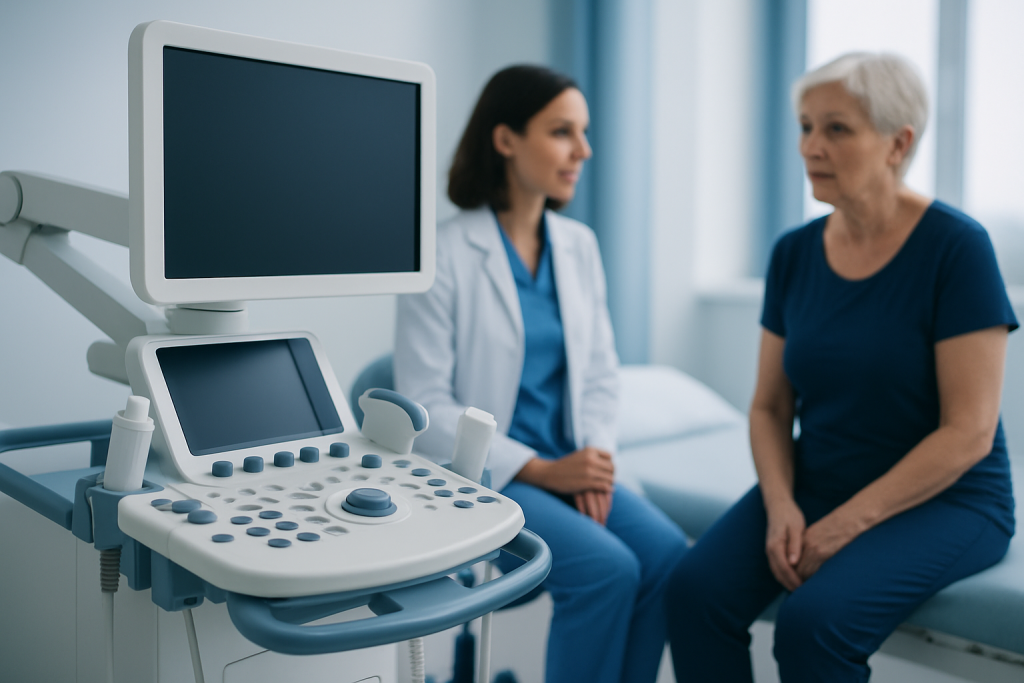
Symptoms vary widely. Some people feel almost nothing and only learn about the prolapse during a routine pelvic exam. Others notice a clear change in how the pelvis feels, especially after standing for long periods, lifting, coughing, or straining.
Common symptoms can include:
- A feeling of pressure, dragging, or fullness in the pelvis
- A soft bulge or “something coming down” into the vagina
- Urinary leakage, especially with coughing or exercise
- Needing to urinate more often or urgently
- Difficulty fully emptying the bladder
- Recurrent urinary tract infections in some cases
- Discomfort during sex or a sense of vaginal looseness
Symptoms often become more noticeable later in the day or after prolonged activity. For international patients planning evaluation abroad, it can help to note when symptoms are strongest, whether the bladder empties normally, and whether lifting luggage, long flights, or constipation worsen the discomfort.
Causes & Risk Factors
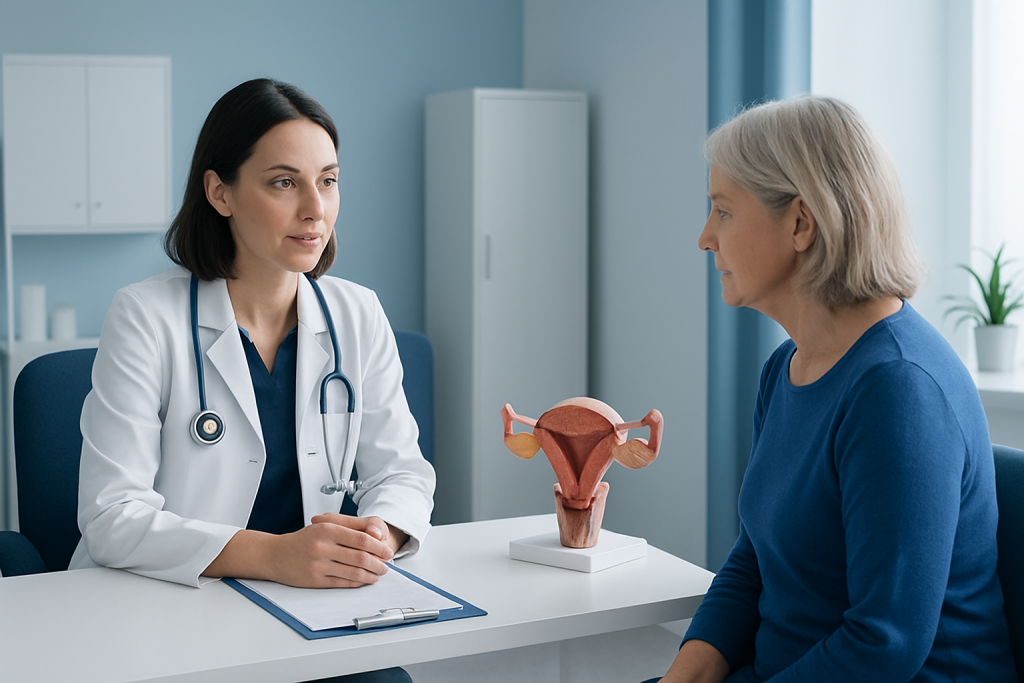
Bladder prolapse develops when the support system of the pelvis can no longer hold the bladder in its normal position as securely as before. Pregnancy and vaginal childbirth are among the most common contributors, particularly after multiple births or a difficult delivery.
Other factors can place repeated pressure on the pelvic floor or weaken tissue over time. These include menopause-related tissue changes, chronic constipation, frequent straining, persistent coughing, obesity, heavy lifting, and prior pelvic surgery. A family tendency toward weaker connective tissue may also play a role.
Risk does not mean certainty. Some people with several risk factors never develop prolapse, while others with fewer risk factors do. That is why doctors look at the full clinical picture rather than a single cause when recommending care.
Diagnosis
Diagnosis usually begins with a detailed conversation about symptoms, childbirth history, bowel habits, bladder function, prior surgeries, and how the problem affects daily life. A pelvic examination is central to the assessment and may be done while the patient is asked to bear down gently, which helps the clinician see how far the bladder has descended.
In some cases, additional tests are useful. A urine test may check for infection or blood. If urinary leakage or incomplete emptying is prominent, the doctor may suggest bladder-function testing or an ultrasound to measure residual urine after urination. Imaging is not always required, but it can help when the diagnosis is unclear or when several pelvic organs appear to be involved.
For patients coming from another country, prior medical records can be especially helpful. Operative reports, childbirth records, medication lists, and past imaging may allow the specialist to build a clearer plan more quickly and avoid repeating tests unnecessarily.
Treatment Options
Treatment is individualized. The main question is not only how advanced the prolapse is, but also how much it is affecting comfort, bladder function, daily activity, and personal priorities. Some people prefer non-surgical care first, while others already know they want a more definitive repair.
Conservative options often include pelvic floor muscle training, sometimes guided by a pelvic health physiotherapist, to improve support and coordination. A pessary, which is a removable device placed in the vagina, can support the bladder and reduce symptoms for many patients. Doctors may also address contributing issues such as constipation, chronic cough, or low estrogen-related vaginal dryness when appropriate.
When symptoms are more significant or do not improve enough with conservative measures, surgery may be discussed. The exact operation depends on the pattern of prolapse and the person’s anatomy, previous surgeries, and goals. Surgical repair aims to restore support and reduce bulge or urinary symptoms, but recovery planning matters and may include limits on lifting, follow-up visits, and gradual return to activity.
Prevention & Self-care
Not every case of bladder prolapse can be prevented, especially after childbirth or with age-related tissue changes. Still, some habits can reduce strain on the pelvic floor and help symptoms stay milder over time.
Helpful self-care steps include:
- Practicing pelvic floor exercises if advised by a clinician
- Treating constipation with fiber, fluids, and healthy bowel routines
- Using good lifting technique and avoiding repeated heavy straining
- Managing chronic cough and seeking treatment when needed
- Maintaining a healthy weight where possible
- Avoiding prolonged holding of urine if it worsens discomfort
For people traveling for treatment, planning ahead can make recovery smoother. It may help to arrange support for luggage, line up a comfortable place to rest after the procedure, and ask the care team about movement, walking, bathing, and follow-up while abroad.
When To See a Doctor
A medical evaluation is a good idea whenever a vaginal bulge, pelvic pressure, or new bladder symptom appears. Even if the issue seems modest, an early visit can clarify whether the problem is prolapse, a bladder condition, or something else entirely.
Prompt assessment is especially important if urination becomes difficult, the bladder does not seem to empty, symptoms are affecting sleep or mobility, or there are repeated urinary tract infections. Sudden pain, bleeding, or a rapid change in symptoms also deserves attention.
Many patients benefit from seeing a specialist in women’s pelvic health or urogynecology. Acibadem Health Point’s multidisciplinary specialists and JCI-accredited hospitals diagnose and treat this condition for international patients, with care plans that can be coordinated across evaluation, treatment, and follow-up.
Frequently asked questions
Is bladder prolapse the same as pelvic organ prolapse?
Bladder prolapse is one type of pelvic organ prolapse. It specifically refers to the bladder moving downward and bulging into the front wall of the vagina. Pelvic organ prolapse is a broader term that can also involve the uterus, rectum, or vaginal vault.
Does bladder prolapse always require surgery?
No, surgery is not always needed. Many people manage symptoms well with non-surgical care, especially if the prolapse is mild to moderate. Surgery is usually considered when symptoms remain bothersome or other treatments do not provide enough relief.
Can bladder prolapse affect urination?
Yes, it can lead to urinary urgency, leakage, frequency, or a feeling that the bladder does not empty completely. In some people, the prolapse changes the way urine flows or increases the risk of infections. These symptoms should be discussed with a clinician because they may guide treatment choices.
Is it safe to exercise with bladder prolapse?
In many cases, yes, but the best type and intensity of exercise depend on symptoms and the severity of the prolapse. Low-impact activity is often easier to tolerate than heavy lifting or high-impact sports. A clinician or pelvic floor physiotherapist can suggest suitable options.
What should international patients bring to a consultation?
It helps to bring prior records, a list of medications, details of childbirth or pelvic surgeries, and notes about symptoms such as leakage or bulging. If possible, include any recent scans or urine test results. This can make the consultation more efficient and support a better-tailored plan.
References
- World Health Organization
- National Institute of Diabetes and Digestive and Kidney Diseases
- American College of Obstetricians and Gynecologists
- Mayo Clinic
- International Urogynecological Association
This article is for general information only and is not a substitute for professional medical advice. Please consult a qualified doctor about your individual situation.
Explore treatments in Turkey — costs, top hospitals & a free quote
JCI-accredited · board-certified surgeons · reply within 24h
Add us as a Preferred Source to see more of our trusted health content across Google Search, AI Overviews and Discover.
More from the Health Library



Related Specialists

Dr. Gamze Karababa
Gynecology & Obstetrics
Dr. Onur Özdenoğlu
Gynecology & Obstetrics
Dr. Selcen Bahadır
Gynecology & Obstetrics
Prof. Dr. A. Taner Usta
Gynecology & Obstetrics