

Pediatric Snoring vs. Sleep Apnea: Which Signs Change the Next Step

Key Takeaways
- Occasional snoring is common, but frequent loud snoring with breathing pauses deserves attention.
- Sleep apnea in children can affect sleep quality, behavior, growth, and daytime functioning.
- Mouth breathing, restless sleep, gasping, and bedwetting can be warning signs beyond simple snoring.
- Evaluation may include a pediatric exam, ENT assessment, and sometimes a sleep study.
- Treatment depends on the cause and may include medical therapy, allergy care, or surgery such as tonsil and adenoid removal.
Medically reviewed by the Acıbadem clinical team — June 13, 2026
Many children snore now and then, especially during a cold or allergy season, but persistent snoring can sometimes signal obstructive sleep apnea. The difference matters because the next step may range from simple observation to a full sleep and ENT evaluation.
Overview
Snoring in a child can sound ordinary at first glance, especially to tired parents who have heard it many nights in a row. Yet pediatric snoring is not always the same thing as pediatric sleep apnea, and the difference usually comes down to what happens around the snoring: is the airway simply noisy, or is it repeatedly blocked?
Simple snoring happens when air moves through a narrowed upper airway and makes vibration noise. Obstructive sleep apnea is more serious because the airway narrows enough to interrupt breathing during sleep. Some children snore only during colds or allergy flares, while others snore most nights and also show changes in sleep quality, behavior, or daytime energy.
For families deciding whether to seek care, the most useful question is not only “How loud is the snoring?” but “What else is happening?” Breathing pauses, gasping, frequent restlessness, and mouth breathing can move the concern from routine snoring toward sleep apnea evaluation.
Symptoms
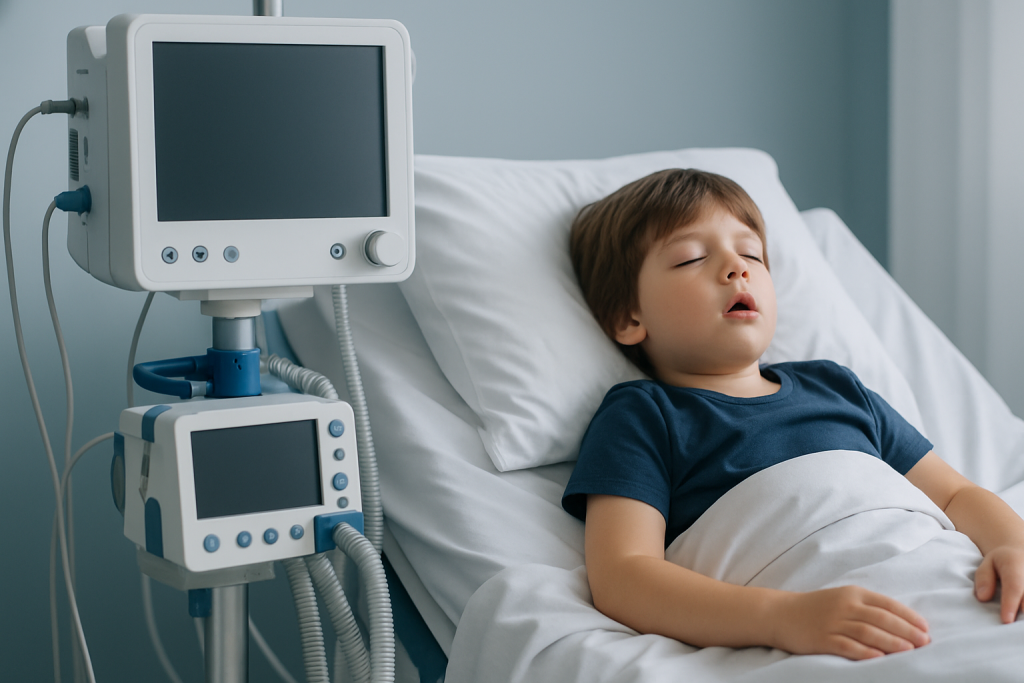
Children with simple snoring may breathe noisily at night but otherwise sleep comfortably and wake up without major problems. Their snoring may worsen when they are congested, sleep on their back, or have allergies, then ease when the nose clears.
Sleep apnea tends to show a broader pattern. Parents may notice pauses in breathing, choking sounds, snorting, or a child suddenly gasping before settling back into sleep. Some children thrash, sweat, or sleep in unusual positions because they are trying to keep the airway open.
Daytime signs can be just as important as nighttime ones. A child may appear sleepy, irritable, hyperactive, unfocused, or emotionally sensitive. In younger children, sleep apnea sometimes shows up as behavioral concerns rather than obvious tiredness.
- Loud snoring on most nights
- Breathing pauses or gasping during sleep
- Mouth breathing and dry mouth on waking
- Restless sleep, unusual sleeping positions, or frequent waking
- Morning headaches, daytime sleepiness, or behavior changes
- Bedwetting in a child who had already outgrown it
Causes & Risk Factors

The most common reason children snore or develop obstructive sleep apnea is a crowded upper airway. Enlarged tonsils and adenoids are frequent contributors in childhood because they can physically narrow the space behind the nose and throat during sleep.
Other factors can make the airway more likely to vibrate or collapse. Nasal congestion from allergies, a deviated septum, chronic sinus irritation, obesity, craniofacial differences, and certain neuromuscular conditions can all play a role. Some children also snore more when they have a cold or enlarged nasal tissues, even if they do not have sleep apnea.
Family history matters as well. A child with relatives who snore loudly, have sleep apnea, or have had airway or jaw differences may have a higher chance of similar issues. Still, every child’s pattern should be judged individually, because the same sound can come from very different causes.
Diagnosis
Diagnosis usually begins with a careful history and physical examination. A clinician may ask how often the child snores, whether breathing pauses are seen, how the child behaves during the day, and whether there are allergy symptoms, recurrent throat infections, or chronic nasal blockage.
An ear, nose, and throat evaluation is often useful, especially when enlarged tonsils or adenoids are suspected. The doctor may look at the nose, throat, jaw, and facial structure, and may consider whether allergies, sinus problems, or other airway issues are part of the picture.
When sleep apnea is suspected, a sleep study may be recommended. This test records breathing, oxygen levels, sleep stages, and body movements overnight. In some cases, this is the clearest way to distinguish benign snoring from sleep-disordered breathing that needs active treatment.
For families traveling from another country, it helps to bring any home videos of snoring or breathing pauses, school notes about behavior or concentration, and a list of prior treatments tried for allergies or congestion. These details can help the care team understand the problem faster and plan follow-up more efficiently.
Treatment Options
Treatment depends on what is causing the noisy breathing and how much it is affecting the child. Not every child who snores needs surgery, but not every child should simply be watched either. The next step should match the pattern of symptoms and the level of airway obstruction.
If allergies or nasal inflammation are part of the problem, clinicians may recommend medical treatment aimed at reducing swelling and improving nasal airflow. If enlarged tonsils and adenoids are the main issue, adenotonsillectomy is often considered, particularly when sleep apnea is confirmed or strongly suspected.
Children with more complex airway or craniofacial differences may need a broader plan, which can include specialists from pediatrics, ENT, sleep medicine, orthodontics, or pulmonology. Weight management may be helpful in some older children when excess weight is contributing to airway narrowing.
- Observation for mild, occasional snoring without other concerning signs
- Allergy or congestion management when nasal blockage is a major factor
- Tonsil and adenoid surgery when enlarged tissue is causing obstruction
- Sleep-focused follow-up for persistent symptoms after treatment
- Multidisciplinary care when several causes are involved
Prevention & Self-care
Not every case can be prevented, but families can reduce airway irritation and support healthier sleep. A stable bedtime routine, regular sleep hours, and a smoke-free environment all help the child’s breathing and sleep quality.
If a child has seasonal allergies or chronic nasal congestion, treating those issues early can reduce snoring episodes. Keeping the sleeping area free of smoke exposure and other irritants may also make a difference. For some children, side sleeping is easier on the airway than lying flat on the back.
Self-care should stay practical rather than overcomplicated. Parents can keep a short sleep diary, note whether symptoms are worse when the child is ill, and record any breathing pauses seen on video. This information is often more useful than trying to interpret snoring by sound alone.
When to See a Doctor
A child should be evaluated if snoring happens most nights, lasts beyond a short cold, or is accompanied by breathing pauses, gasping, or clear sleep disruption. If daytime behavior, school performance, or mood changes have appeared alongside the snoring, that is another reason to seek medical advice.
Prompt review is especially important when a child has large tonsils, chronic mouth breathing, frequent nighttime waking, morning headaches, poor growth, or bedwetting that has returned. These signs can suggest that sleep quality is being affected in a meaningful way.
If breathing seems to stop for several seconds, if the child struggles to breathe during sleep, or if there are repeated choking episodes, the child should be assessed without delay. Families who are arranging care from abroad may benefit from a coordinated evaluation so sleep testing, ENT assessment, and treatment planning can happen in a more organized sequence. At Acibadem Health Point, multidisciplinary specialists and JCI-accredited hospitals can diagnose and treat pediatric sleep-related breathing problems for international patients.
Frequently asked questions
Is every snoring child likely to have sleep apnea?
No. Many children snore because of temporary congestion, allergies, or sleeping position. Sleep apnea is more likely when snoring is frequent and comes with breathing pauses, gasping, or daytime changes.
What is the biggest sign that snoring may be more serious?
Breathing pauses during sleep are one of the most important warning signs. Loud snoring plus gasping, choking, or restless sleep also raises concern and should be discussed with a doctor.
Can sleep apnea affect a child’s behavior?
Yes. Some children become hyperactive, irritable, or less able to focus instead of looking sleepy. Poor sleep can influence mood, learning, and energy during the day.
Will a child always need surgery if sleep apnea is found?
No. Treatment depends on the cause, severity, and the child’s overall health. Some children improve with allergy treatment or other medical care, while others may benefit from tonsil and adenoid surgery.
How is a sleep study different from a regular checkup?
A sleep study records breathing, oxygen levels, and sleep patterns overnight, which helps show whether the airway is repeatedly blocked. A regular checkup is still important, but it cannot always confirm sleep apnea on its own.
Can snoring go away on its own?
Yes, especially when it is related to a short-lived cold or congestion. Snoring that keeps returning or persists most nights should be evaluated rather than assumed to fade away.
References
- American Academy of Pediatrics
- American Academy of Sleep Medicine
- National Heart, Lung, and Blood Institute
- Mayo Clinic
- MedlinePlus
This article is for general information only and is not a substitute for professional medical advice. Please consult a qualified doctor about your individual situation.
More from the Health Library



Related Specialists

Dr. Murat Şahin
Pediatric CardiologyDr. Hande Turan
Pediatric Endocrinology
Assoc. Prof. Dr. Erman Çilsal
Pediatric Cardiology
Dr. Sinem Altunyuva Usta
Pediatric Cardiology