

Pediatric Anemia: What Lab Results Usually Change the Plan

Key Takeaways
- Anemia in children is interpreted by age, symptoms, and the full blood count pattern—not by hemoglobin alone.
- Iron deficiency is common, but not the only cause; lab clues can point toward bleeding, inflammation, vitamin deficiency, or inherited blood disorders.
- Tests such as ferritin, reticulocyte count, mean corpuscular volume, and blood smear often change the treatment plan.
- Some children need dietary changes and iron support, while others need further evaluation for chronic illness or hemoglobin disorders.
- Follow-up testing matters because treatment is guided by how the blood count responds over time.
Medically reviewed by the Acıbadem clinical team — June 13, 2026
Pediatric anemia means a child has fewer healthy red blood cells or less hemoglobin than expected for age. In many children, the next steps depend less on the word “anemia” itself and more on the pattern seen in blood results.
Overview
Pediatric anemia is one of those findings that can look simple on paper and turn out to be very different from child to child. A blood test may show low hemoglobin, but the real question is why the number is low and whether the child’s red blood cells are being made, lost, or broken down in an unusual way.
For families, the path forward often begins with a routine complete blood count, sometimes ordered for fatigue, pale skin, picky eating, growth concerns, infection recovery, or as part of a checkup. The result may be mild and temporary, or it may be the first clue to iron deficiency, inflammation, bleeding, vitamin deficiency, or an inherited condition such as thalassemia or sickle cell disease.
What changes the plan most is the pattern in the laboratory results. A doctor looks at hemoglobin alongside red blood cell size, reticulocyte count, ferritin, and sometimes a blood smear or hemoglobin studies. Those details help separate common causes from less common ones and decide whether the child needs nutrition support, medication, more testing, or specialist care.
Symptoms
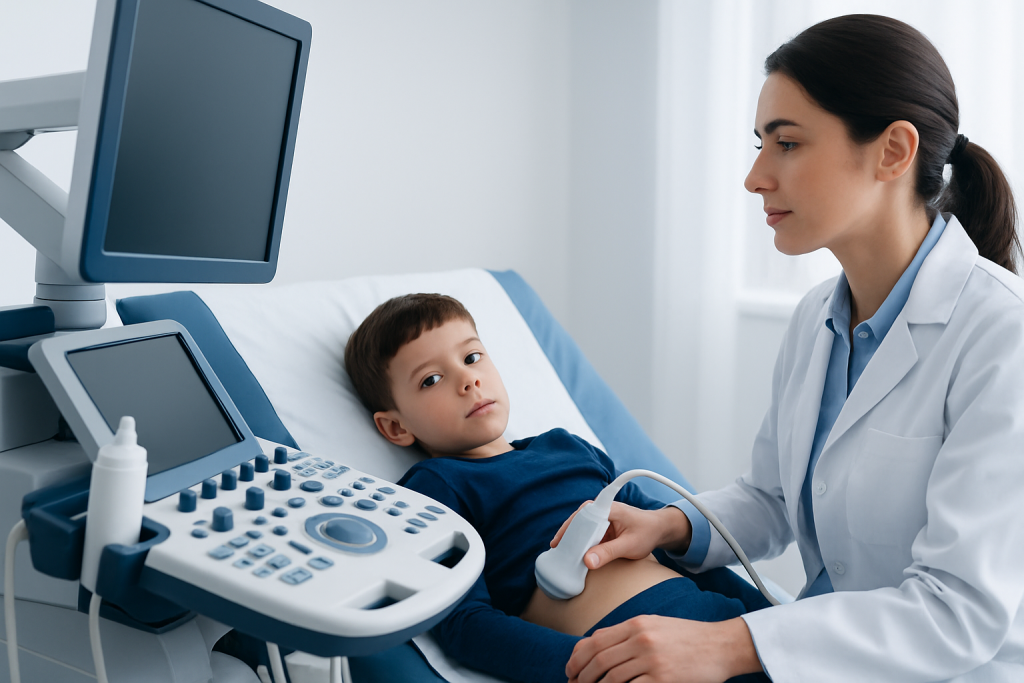
Some children with anemia seem only a little more tired than usual, while others show clear signs that something is off. The symptoms often develop gradually, so families may notice that a child tires easily during play, becomes less interested in activities, or needs more rest than before.
Common signs can include pale skin, irritability, dizziness, headaches, shortness of breath with exertion, fast heartbeat, cold hands and feet, poor appetite, or difficulty concentrating. In infants and toddlers, symptoms may be less specific and may show up as Endoscopy May Be Needed" class="ahp-ilk">feeding difficulties, delayed growth, or unusual fussiness.
It is important to remember that symptoms do not always match the lab number exactly. A child with mild anemia may feel quite well, while another child with a similar hemoglobin level may look unwell because the anemia developed quickly or because another illness is present.
- Fatigue or reduced stamina
- Paleness of skin, lips, or nail beds
- Irritability or trouble focusing
- Rapid breathing or heartbeat during activity
- Craving non-food items such as ice or dirt in some older children
Causes & Risk Factors

Iron deficiency is the most common cause of anemia in children, especially during periods of rapid growth. It can happen when dietary iron intake is low, when a child drinks too much cow’s milk instead of eating iron-rich foods, or when iron needs rise faster than intake can keep up.
Other causes are just as important because they change the next step in care. Long-term inflammation, recent infection, blood loss from the digestive tract, heavy menstrual bleeding in adolescents, vitamin B12 or folate deficiency, Kidney Disease Treatment" class="ahp-ilk">kidney disease, hemolytic anemia, and inherited hemoglobin disorders can all produce anemia but require different evaluation and treatment.
Risk is higher in infants born prematurely, children with restricted diets, those with chronic disease, children with a family history of blood disorders, and adolescents with frequent menstrual blood loss. Travel, ethnicity, and family background can also matter because some inherited blood conditions are more common in certain populations and may not be obvious from symptoms alone.
In practice, a doctor uses the family story and the blood pattern together. A child with small red blood cells may be investigated differently from a child whose red blood cells are large or from one whose body is trying hard to replace cells after blood loss or hemolysis.
Diagnosis
The complete blood count is usually the starting point, but it rarely tells the whole story by itself. Doctors often look first at hemoglobin and hematocrit, then at mean corpuscular volume, red cell distribution width, white blood cells, and platelets to understand whether the anemia seems isolated or part of a broader pattern.
Several follow-up tests may change the diagnosis and therefore the treatment plan. Ferritin helps estimate iron stores, though it can be influenced by inflammation; reticulocyte count shows how actively the bone marrow is responding; and a peripheral blood smear can reveal clues about red cell shape, size, or breakdown.
Depending on the child’s age and findings, additional testing may include iron studies, lead level, markers of inflammation, vitamin levels, kidney tests, stool testing for blood loss, or hemoglobin electrophoresis. The goal is not to order every test for every child, but to match the workup to the lab pattern and the clinical picture.
For international families who may be seeking care across borders, it helps to bring prior laboratory reports, growth records, and any medication or supplement history. Even a few old results can show whether anemia is new, long-standing, improving, or slowly worsening.
- Low MCV often points toward iron deficiency or thalassemia trait
- High MCV may suggest vitamin deficiency or other marrow-related causes
- Low reticulocyte count can mean reduced production
- High reticulocyte count can suggest blood loss or red cell destruction
Treatment Options
Treatment is guided by the cause, not just by the hemoglobin level. If the pattern fits iron deficiency, the plan usually includes dietary changes and iron replacement, along with follow-up blood tests to confirm that the child is responding as expected.
When anemia is tied to another illness, treatment focuses on the underlying problem. A child with inflammatory disease may need coordinated care, one with significant bleeding may need the source identified, and a child with an inherited blood disorder may need ongoing monitoring, education, and sometimes a hematology referral.
In more serious cases, the doctor may consider urgent management if the child is very pale, weak, short of breath, or has signs of heart strain. Blood transfusion is not routine for every child with anemia; it is reserved for selected situations based on symptoms, severity, and the cause.
What changes the plan most after treatment begins is the follow-up CBC and reticulocyte response. If the child is absorbing iron and the diagnosis is correct, the blood count should move in the expected direction over time. If it does not, doctors reconsider the diagnosis, adherence, ongoing blood loss, or another coexisting condition.
Prevention & Self-care
Not every cause of pediatric anemia can be prevented, but many cases related to iron deficiency can be reduced with practical daily habits. A balanced diet that includes iron-rich foods supports healthy blood production, especially during infancy, toddlerhood, and adolescence when growth is rapid.
Families are often advised to limit excessive cow’s milk intake in young children, since too much milk can crowd out iron-rich foods. Pairing iron-containing foods with vitamin C sources can help improve absorption, while tea and some high-calcium foods taken at the same time may reduce it.
Self-care also includes completing prescribed supplements as directed and keeping follow-up appointments even when a child seems better. Symptoms may improve before the blood count fully normalizes, and stopping too early can allow the anemia to return.
- Offer iron-rich foods such as meat, beans, lentils, eggs, and fortified cereals
- Include fruits or vegetables rich in vitamin C with meals
- Use supplements only as prescribed by a clinician
- Keep a record of prior lab results when traveling for care
- Discuss family history of anemia or blood disorders with the doctor
When to See a Doctor
A child should be evaluated if fatigue, pallor, poor growth, unusual cravings, or exercise intolerance persists, or if a screening test shows low hemoglobin. Even mild anemia deserves a proper explanation because the cause can influence growth, learning, energy, and overall health.
Prompt medical review is especially important if symptoms appear suddenly, if the child has black stools, visible blood loss, severe weakness, chest pain, breathing difficulty, fainting, or a strong family history of inherited blood disease. These signs do not always mean an emergency, but they do warrant timely assessment.
When families are deciding where to seek care, it can be useful to choose a team that can interpret blood tests in context and arrange follow-up across borders when needed. Acibadem Health Point’s multidisciplinary specialists and JCI-accredited hospitals diagnose and treat pediatric anemia for international patients, with attention to both the lab pattern and the child’s broader health story.
The most helpful mindset is simple: anemia is a finding, not a final answer. The next step is to understand the pattern, confirm the cause, and follow the blood count until the child is safely back on track.
FAQ
Q: Does every child with low hemoglobin need iron?
A: No. Iron is common, but not every anemia is caused by iron deficiency. The blood count pattern and follow-up tests help decide whether iron is appropriate or whether another cause should be treated.
Q: Why does the doctor care so much about MCV?
A: MCV describes the average size of red blood cells. Small cells, normal-sized cells, and large cells can point doctors toward different causes of anemia, which is why this number often changes the plan.
Q: Can anemia be present even if a child seems fine?
A: Yes. Some children have few symptoms, especially when the anemia develops slowly. That is one reason blood tests matter even when a child looks active or otherwise well.
Q: How long does it take to see improvement after treatment?
A: It depends on the cause and the treatment plan. Doctors usually look for an early response in follow-up labs, then continue until the blood count and the child’s symptoms improve in a sustained way.
Q: Is anemia always a sign of poor nutrition?
A: No. Nutrition is only one possible cause. Infection, inflammation, bleeding, kidney disease, and inherited blood disorders can also lead to anemia in children.
Q: What should families bring to a specialist visit?
A: Prior CBC results, iron studies if available, medication or supplement lists, growth records, and any family history of anemia or hemoglobin disorders are all helpful. These details often make the first consultation more efficient and more accurate.
References
- World Health Organization
- American Academy of Pediatrics
- Centers for Disease Control and Prevention
- National Heart, Lung, and Blood Institute
- Mayo Clinic
This article is for general information only and is not a substitute for professional medical advice. Please consult a qualified doctor about your individual situation.
More from the Health Library



Related Specialists

Dr. Murat Şahin
Pediatric CardiologyDr. Hande Turan
Pediatric Endocrinology
Assoc. Prof. Dr. Erman Çilsal
Pediatric Cardiology
Dr. Sinem Altunyuva Usta
Pediatric Cardiology