

Pediatric Hernia Surgery: What Changes the Urgency and Recovery Plan

Key Takeaways
- Most childhood hernias are repaired with a small surgical procedure, but urgency depends on whether the hernia is reducible or trapped.
- Inguinal hernias usually need surgery sooner than umbilical hernias, which may close on their own in some children.
- Sudden pain, vomiting, swelling that cannot be reduced, or a firm tender lump can signal a complication that needs prompt medical attention.
- Recovery is often relatively quick, with children returning to light activity sooner than many parents expect, but instructions from the surgical team should guide home care.
- Families traveling for treatment should plan for follow-up, activity limits, and clear communication with the care team after returning home.
Medically reviewed by the Acıbadem clinical team — June 13, 2026
Pediatric hernias are common and often repairable with a straightforward operation, but the timing depends on the hernia type and whether it can be pushed back in. Understanding warning signs, treatment options, and recovery expectations can help families plan care with confidence.
Overview
A hernia in a child means that part of the body, usually tissue or a loop of bowel, is pushing through a weak spot in the muscle or surrounding wall. In pediatrics, the most common types are inguinal hernias in the groin and umbilical hernias near the navel. Although the word hernia can sound worrying, many children do very well after a planned repair.
The part that changes the pace of care is not the diagnosis alone, but how the hernia behaves. Some hernias come and go and can be gently reduced, while others become trapped. A trapped hernia may need urgent surgery, especially if blood flow could be affected. For families arranging care from another country, this distinction matters because it influences travel timing, hospital stay, and the need for close follow-up after surgery.
Pediatric hernia surgery is usually done with the goal of preventing future complications and relieving the bulge or discomfort that families notice. The operation is often brief, but the preparation and recovery plan should still be tailored to the child’s age, hernia type, and overall health.
Symptoms
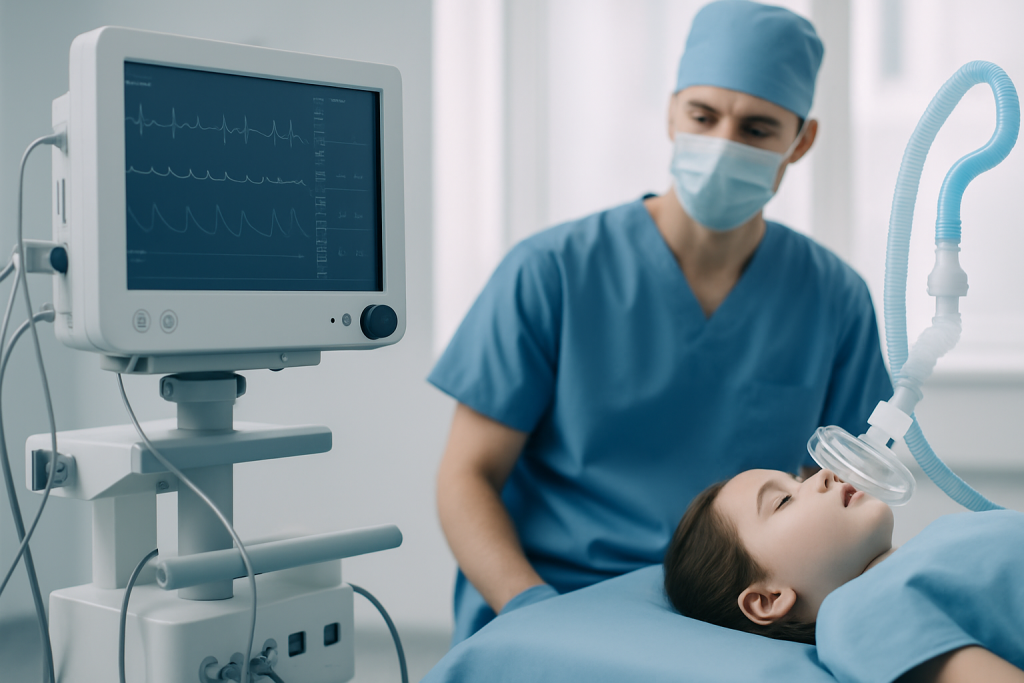
Many hernias in children appear as a soft bulge that becomes more noticeable when the child cries, coughs, strains, or stands. Inguinal hernias may show up in the groin or scrotum, while an umbilical hernia is seen at the belly button. The lump may flatten when the child is relaxed or lying down.
When a hernia becomes trapped or irritated, the picture changes. Pain may increase, the bulge may become firm or tender, and the child may seem unusually fussy, tired, or unwilling to eat. Vomiting, abdominal swelling, redness over the lump, or a bulge that does not go back in are all important warning signs.
Parents sometimes notice that symptoms are intermittent, which can make the problem easy to underestimate. A hernia that looks harmless one day can behave differently the next, so changes in size, color, tenderness, or the child’s comfort level should be taken seriously and discussed with a doctor.
Causes & Risk Factors

Most pediatric hernias are related to the way the body develops before birth. In inguinal hernias, a small passage in the groin region may not close completely, leaving an opening through which tissue can protrude. This is one reason inguinal hernias are more common in infants and young children.
Umbilical hernias happen when the muscle around the belly button does not fully close after birth. They are often seen in newborns and may become more noticeable when the child cries or strains. Many are painless and may close gradually as the child grows, which is why not every umbilical hernia needs immediate surgery.
Some children have a higher chance of hernia, including premature babies, those with a family history of hernias, and children with certain connective tissue or developmental conditions. However, many children who develop a hernia have no obvious risk factor, and parents should not assume they caused it.
Diagnosis
Diagnosis usually begins with a careful history and physical examination. A doctor may ask when the bulge appears, whether it can be pushed back in, and whether the child has had pain, vomiting, constipation, or feeding changes. In many cases, the exam alone is enough to confirm the diagnosis.
If the picture is not clear, ultrasound or other imaging may help, especially if the swelling comes and goes or if the team wants to rule out another cause of a groin or abdominal lump. Testing is usually guided by the child’s age, symptoms, and the surgeon’s assessment rather than used automatically for every child.
For international families, it can help to bring previous medical notes, photos of the bulge if it changes over time, and a list of recent symptoms. These details can make it easier for the surgical team to decide whether the hernia should be repaired soon, scheduled electively, or treated urgently.
Treatment Options
Surgery is the main treatment for most pediatric inguinal hernias because the opening in the tissue does not close on its own. The operation is typically a hernia repair, in which the surgeon closes the weak spot and returns any displaced tissue to its proper place. In many children, this is done as a day procedure or with a short hospital stay.
Umbilical hernias are different. If they are small, painless, and improving over time, doctors may recommend observation first, especially in younger children. Surgery may be considered if the hernia remains open beyond the expected age range, becomes large, causes symptoms, or develops complications.
Urgency changes when the hernia seems trapped or when there are signs of bowel obstruction or impaired blood flow. In that situation, the team may treat the child as urgent or emergency surgery rather than a scheduled operation. The exact approach depends on the child’s age, the exam findings, and whether the hernia can be reduced safely.
- Planned repair: chosen for reducible hernias to prevent future complications.
- Urgent repair: considered when the hernia is stuck, painful, or associated with vomiting.
- Observation: sometimes appropriate for selected umbilical hernias under medical guidance.
Prevention & Self-care
Families cannot usually prevent a congenital hernia, but they can reduce the chance of delay by knowing what to watch for. If a bulge changes color, becomes hard, or starts causing pain, a same-day call to the child’s doctor is appropriate. For an infant, Endoscopy May Be Needed" class="ahp-ilk">feeding difficulties or repeated vomiting are especially important to mention.
Before surgery, the care team may give instructions about fasting, medications, and when to seek earlier review. After surgery, the most helpful home care often includes keeping the incision clean and dry, following bathing advice, and limiting rough play until the surgeon says it is safe. Pain control is usually managed with doctor-approved guidance rather than anything improvised at home.
For families who travel for treatment, recovery planning should include practical steps: arrange a place for rest, understand what symptoms require immediate help, and confirm how follow-up will happen after returning home. Clear written instructions matter because they help bridge language, time-zone, and distance challenges once the child is outside the hospital.
When to See a Doctor
A child should be assessed promptly if a hernia is newly noticed, growing, painful, or difficult to reduce. Even when the child seems comfortable, an inguinal hernia generally deserves surgical review because it is more likely than an umbilical hernia to become trapped.
Seek urgent medical attention if the child has a firm or discolored bulge, significant tenderness, vomiting, abdominal distension, fever with the hernia, or signs that the child is unusually sleepy or unwell. These symptoms can suggest that the hernia is no longer simple and may need rapid treatment.
After surgery, contact the care team if the child develops increasing pain, redness, swelling, drainage from the incision, persistent fever, or trouble eating or drinking. Acibadem Health Point’s multidisciplinary specialists and JCI-accredited hospitals can diagnose and treat pediatric hernias for international patients, with attention to both the operation and the follow-up plan that supports recovery away from home.
Frequently asked questions
Does every pediatric hernia need surgery right away?
Not always. Inguinal hernias in children usually need surgical repair, but the timing depends on symptoms and whether the hernia is reducible. Some umbilical hernias can be watched for a period of time because they may close on their own.
What does it mean if the hernia cannot be pushed back in?
That can mean the hernia is trapped, which needs prompt medical assessment. If the child also has pain, vomiting, or a swollen belly, the situation may be more urgent.
How long does recovery usually take after hernia surgery?
Many children recover quickly and return to gentle activity sooner than parents expect. The exact timeline depends on the type of hernia, the surgical method, and the surgeon’s advice.
Will my child have a large scar?
Pediatric hernia repairs often use small incisions, so scars are usually limited. The appearance over time varies with the child’s healing and the location of the repair.
Can a child eat and drink normally after surgery?
The care team will usually guide when feeding can restart, depending on the child’s age and the type of anesthesia used. Most children resume fluids and food gradually once they are awake and comfortable.
What should parents prepare if they are traveling internationally for surgery?
They should arrange copies of records, understand the recovery instructions, and know who to contact after discharge. It also helps to plan rest, transportation, and follow-up before leaving the hospital.
References
- American Academy of Pediatrics
- American College of Surgeons
- NHS
- Mayo Clinic
- Children's Hospital of Philadelphia
This article is for general information only and is not a substitute for professional medical advice. Please consult a qualified doctor about your individual situation.
More from the Health Library


Related Specialists

Dr. Murat Şahin
Pediatric CardiologyDr. Hande Turan
Pediatric Endocrinology
Assoc. Prof. Dr. Erman Çilsal
Pediatric Cardiology
Dr. Sinem Altunyuva Usta
Pediatric Cardiology