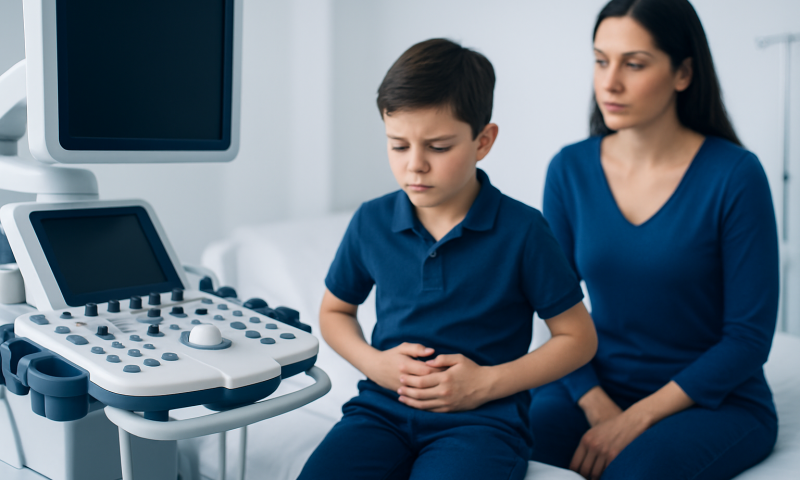
Childhood Constipation: When Diet Changes Are Not Enough

Key Takeaways
- Constipation in children is not always solved by more fiber alone; withholding habits, pain, and routine changes often play a role.
- A doctor may look for stool retention, dehydration, medication effects, or less common medical causes if symptoms persist.
- Treatment often combines bathroom routine changes, fluids, diet adjustments, and doctor-guided medicines when needed.
- Early help can prevent a cycle of painful stools and fear of using the toilet.
- Most children do well with a consistent plan and follow-up, especially when families receive clear guidance.
Medically reviewed by the Acıbadem clinical team — June 13, 2026
Childhood constipation is common, but when diet changes do not help, the next steps may involve understanding stool-holding habits, medical causes, and a careful treatment plan. With the right approach, most children improve and return to comfortable, regular bowel movements.
Overview
Constipation in childhood can be frustrating for families because it often looks simple at first. A child may be eating better, drinking more water, or adding fruit and still struggle with infrequent, painful, or hard stools. When that happens, the problem is usually not just what is on the plate. It may also involve how the child is using the bathroom, whether they are holding stool, and how long the bowel has been stretched by repeated constipation.
In many children, constipation is functional, which means there is no single structural disease causing it. The bowel becomes caught in a cycle: a painful bowel movement leads the child to avoid the toilet, stool stays longer in the colon, and the next stool becomes larger and harder. That cycle can continue quietly for weeks or months before a family realizes diet changes alone are no longer enough.
For parents who are balancing school schedules, travel, or a move between countries, constipation can also become harder to manage because routines change. Clear, practical guidance helps families recognize when home care is reasonable and when a medical evaluation is the better next step.
Symptoms
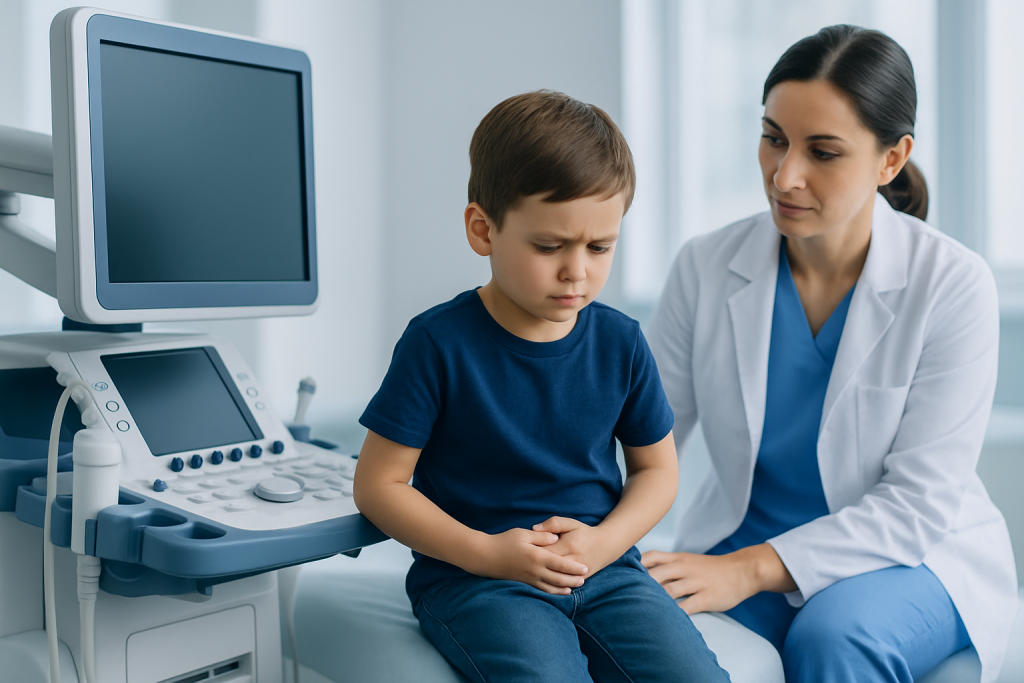
Constipation does not always mean a child has no bowel movements for several days. Some children go every day but still pass hard, dry stools or strain for a long time. Others may have abdominal discomfort, bloating, or decreased appetite because stool is building up in the lower intestine.
Common signs include:
- Fewer bowel movements than usual for the child
- Hard, dry, or pellet-like stools
- Pain or crying during bowel movements
- Stool withholding, standing on tiptoe, crossing the legs, or hiding when they need to go
- Accidents in underwear, which can happen when softer stool leaks around retained stool
- Large stools that may clog the toilet
Some children also become irritable, tired, or less interested in eating. In younger children, constipation can show up as diaper changes that seem difficult or as repeated episodes of discomfort without a clear explanation. Because children do not always describe bowel symptoms well, parents often notice behavior changes first.
Causes & Risk Factors

Most childhood constipation develops from a mix of habits and body responses rather than one single cause. A common trigger is painful stooling after a period of illness, toilet training, travel, school changes, or stress. Once a child starts holding stool, the colon absorbs more water from it, making it harder and more difficult to pass.
Diet can contribute, but it is rarely the whole story. Low fluid intake, limited fiber, a highly processed diet, or too much milk in some children may worsen constipation. Less activity and changes in daily routine can also play a part, especially when a child is spending long hours sitting at school or screen time replaces movement.
Doctors also consider other possible contributors, including:
- Medication side effects, such as from some pain medicines or iron supplements
- Anal fissures, which are small tears that make bowel movements painful
- Stress, anxiety, or avoidance around toileting
- Underlying medical conditions, which are less common but important to recognize
In a small number of children, constipation may be linked to conditions such as hypothyroidism, celiac disease, spinal problems, or bowel disorders present from birth. These possibilities are more likely when constipation is severe, starts very early in life, or does not improve as expected with standard care.
Diagnosis
Diagnosis usually begins with a careful history. The clinician may ask how often the child passes stool, what it looks like, whether there are pain or accidents, and whether the child avoids the toilet. Questions about diet, fluid intake, development, medication use, growth, and family stressors help build the full picture.
A physical examination is often enough to confirm the diagnosis and look for signs of stool buildup, abdominal tenderness, or other clues. In some cases, the doctor may check the child’s weight and growth pattern, inspect the anal area for fissures, or examine the back and legs for signs that suggest a nerve or spine issue.
Most children do not need extensive testing right away. Tests are generally reserved for children with warning signs, very early-onset constipation, poor growth, vomiting, blood in the stool that is not clearly from a fissure, or constipation that does not respond to treatment. The goal is not to over-test, but to make sure a treatable cause is not being missed.
Treatment Options
When diet changes have not been enough, treatment usually becomes more structured. The plan often starts with clearing any stool buildup, then keeping the bowel moving regularly so the child does not fall back into the same painful cycle. The exact approach depends on the child’s age, symptoms, and overall health.
Doctors may recommend a bowel regimen that includes medicine to soften stool or help empty retained stool, followed by a maintenance plan to keep stools soft for a period of time. This is important because stopping treatment too soon can allow the colon to remain stretched and the problem to return. Families are often reassured that constipation treatment is not a sign of failure; it is a way to give the bowel time to reset.
Non-medicine steps are usually part of the plan too:
- Regular toilet sitting after meals, when the bowel is naturally more active
- A footstool for stable posture on the toilet
- Positive reinforcement rather than pressure or punishment
- Appropriate fluid intake
- Age-appropriate fiber from foods the child will actually eat
For children with severe constipation, fecal impaction, or repeated episodes, follow-up is especially important. A pediatric gastroenterologist or pediatrician may adjust treatment over time and help the family understand how long the plan should continue. If a child is traveling for care, the treatment plan should be written in a way that can be followed safely after returning home.
Prevention & Self-care
Preventing constipation is often about consistency rather than perfection. Children tend to do better when meals, bathroom time, and sleep have a predictable rhythm. Even small daily habits can help the bowel work more smoothly over time.
Helpful strategies include offering water throughout the day, serving fiber-rich foods in age-appropriate portions, encouraging active play, and making toilet time calm and unhurried. A child should not be forced to sit for long periods, but a brief, routine sit after meals can be useful. For some families, a sticker chart or other simple reward system helps build cooperation without turning toileting into a battle.
It is also useful to notice what makes constipation worse for a particular child. Some children become constipated during school terms because they avoid school bathrooms. Others need support during travel, after illness, or when their routine changes. Planning ahead for those periods can prevent setbacks and reduce the need for more intensive treatment later.
When to See a Doctor
A medical evaluation is a good idea when constipation is persistent, painful, or no longer responding to sensible diet changes. Families should also seek care if the child is having frequent stool accidents, avoiding bowel movements, or showing signs that stool is repeatedly backing up.
Prompt assessment is especially important if the child has vomiting, a swollen abdomen, weight loss, poor growth, blood in the stool not clearly linked to a small fissure, severe pain, or constipation that began in infancy. These symptoms do not always indicate a serious disease, but they deserve careful review.
For families considering care across borders, it can help to choose a team that can evaluate the child clearly, explain the plan in plain language, and coordinate follow-up after the visit. Acibadem Health Point’s multidisciplinary specialists and JCI-accredited hospitals diagnose and treat constipation in children for international patients with this kind of continuity in mind.
Living With the Condition
Childhood constipation often improves when the family understands that healing takes time. A child who has learned to fear the toilet may need weeks of softness, routine, and reassurance before confidence returns. That is why steady follow-up matters as much as the first prescription or diet change.
Parents can help by keeping the mood neutral, tracking stool patterns without judgment, and letting the doctor know if the child resists treatment, develops accidents, or seems in pain again. Schools and caregivers may also need simple instructions so the plan is followed consistently in different settings. When everyone uses the same approach, progress is usually easier to maintain.
With the right support, most children recover good bowel habits and feel better at home, in school, and during travel. The key is to treat constipation as a manageable health issue, not as a short-term inconvenience that should be waited out indefinitely.
Frequently asked questions
Is childhood constipation usually caused by not eating enough fiber?
Fiber matters, but it is only one part of the picture. Many children are constipated because they hold stool after a painful bowel movement, which can keep the cycle going even if the diet improves.
Why does my child still have constipation after eating more fruit and vegetables?
The bowel may already be backed up, so diet changes alone may not be enough. A doctor may recommend a treatment plan to soften stool, clear retained stool, and rebuild a regular toileting routine.
Can constipation cause accidents in underwear?
Yes. When stool remains in the bowel, softer stool can leak around it and cause soiling. This is common and can be mistaken for poor toilet training or behavior problems.
Should every child with constipation have tests?
Not usually. Many children are diagnosed based on symptoms and exam alone, while tests are reserved for warning signs, very early onset, growth concerns, or constipation that does not improve as expected.
How long does treatment usually take?
It depends on how long constipation has been present and whether stool retention is significant. Some children improve fairly quickly, while others need a longer maintenance plan so the bowel can return to normal function.
Can constipation come back after it gets better?
Yes, especially if medicine is stopped too early or bathroom routines become irregular again. Preventing relapse often means keeping the plan steady for a while and following up with the doctor if symptoms return.
References
- American Academy of Pediatrics
- NIDDK National Institute of Diabetes and Digestive and Kidney Diseases
- NASPGHAN (North American Society for Pediatric Gastroenterology, Hepatology and Nutrition)
- NHS (National Health Service)
This article is for general information only and is not a substitute for professional medical advice. Please consult a qualified doctor about your individual situation.