Paresthesia: Symptoms, Causes and Treatment

Key Takeaways
- Paresthesia describes abnormal sensations such as tingling, pins and needles, burning, or numbness.
- Temporary paresthesia can happen from pressure on a nerve, but persistent symptoms may point to a medical condition.
- Common causes include nerve compression, diabetes, vitamin deficiencies, migraines, infections, and certain medicines.
- Diagnosis focuses on history, neurological examination, and tests chosen to look for the underlying cause.
- Urgent assessment is important if paresthesia comes on suddenly with weakness, facial droop, speech changes, or severe headache.
Medically reviewed by the Acıbadem clinical team — August 19, 2026
Paresthesia is the medical term for unusual sensations such as tingling, prickling, burning, or numbness. It is often temporary, but it can also signal an underlying nerve, circulatory, or metabolic problem that deserves medical attention.
Overview
Paresthesia is the name clinicians use for a sensation that does not quite match the situation at hand. Many people describe it as tingling, “pins and needles,” prickling, crawling skin, burning, or numbness. The feeling may appear in the hands, feet, arms, legs, face, or elsewhere, and it may last seconds, minutes, or much longer.
In everyday life, a brief episode often follows pressure on a nerve, such as sitting with the legs crossed or resting on an arm for too long. In that setting, the sensation usually settles once the pressure is removed. When paresthesia is frequent, one-sided, progressive, or paired with other symptoms, it deserves a closer look because it can reflect irritation or injury affecting nerves, the spine, the brain, or the body’s chemistry.
For international patients deciding whether to travel for care, paresthesia is one of those symptoms that benefits from a structured evaluation. A clear history, targeted neurological examination, and the right tests can help identify whether the problem is simple and temporary or part of a condition that needs treatment and follow-up.
Symptoms
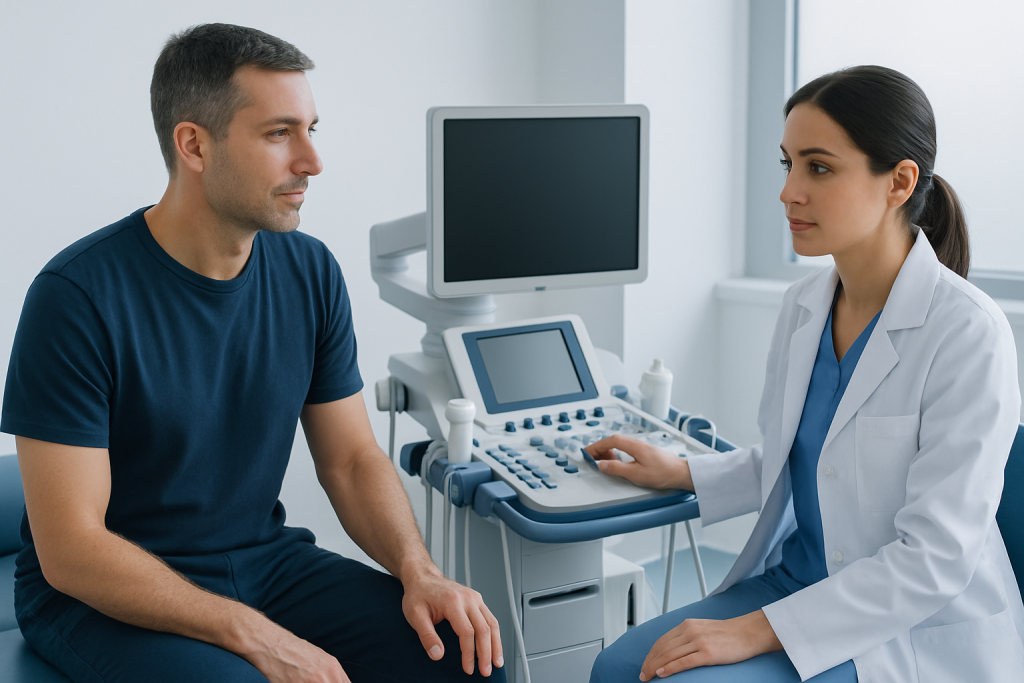
Paresthesia is a symptom rather than a diagnosis, so its exact form can vary. Some people notice a light tingling that comes and goes. Others feel persistent numbness, altered temperature sensation, a burning quality, or a painful electric shock-like feeling.
The pattern of symptoms offers useful clues. Sensations in both feet may suggest a peripheral nerve issue or a systemic condition, while one-sided symptoms can point toward a localized nerve problem, spine disorder, or neurological event. A symptom that starts in one area and spreads, or one that appears with weakness or balance problems, should be evaluated promptly.
- Tingling or “pins and needles”
- Numbness or reduced sensation
- Burning or prickling
- Feeling that the skin is “asleep”
- Electric shock-like sensations
- Symptoms that worsen at night or with certain positions
Because nerves carry both sensation and movement signals, paresthesia may appear alongside weakness, clumsiness, cramps, pain, or changes in reflexes. That combination often helps clinicians narrow the possible cause.
Causes & Risk Factors

Paresthesia develops when sensory nerves are irritated, compressed, inflamed, injured, or unable to function normally. A common and harmless reason is temporary pressure on a nerve, but a wide range of medical conditions can also play a role. The challenge is not the sensation itself, but determining why it is happening.
Frequent causes include nerve entrapment syndromes such as carpal tunnel syndrome, spinal problems that irritate nerve roots, peripheral neuropathy, migraine aura, low blood sugar, vitamin deficiencies, thyroid disorders, autoimmune disease, infections, and side effects from certain medicines or treatments. Alcohol misuse and exposure to toxins can also affect nerve function over time.
Risk is higher in people with diabetes, autoimmune conditions, a history of back or neck injury, heavy alcohol use, poor nutrition, or known vitamin B12 deficiency. Some people develop paresthesia after surgery, dental procedures, prolonged travel, or long periods in one position, especially if a nerve is compressed or blood flow is briefly reduced.
Travel and recovery can matter too. Long flights, carrying luggage, dehydration, and interrupted sleep may intensify symptoms in someone already prone to nerve irritation. That does not mean travel is unsafe, but it does mean a plan for timing, mobility, and follow-up can be helpful when care is being arranged across borders.
Diagnosis
Diagnosis begins with a detailed conversation about when the sensations started, where they appear, how long they last, and whether anything makes them better or worse. Clinicians also ask about recent injuries, infections, headaches, medication use, alcohol intake, diabetes, nutrition, and any associated weakness, pain, or balance problems.
A neurological examination usually follows. This may include checking strength, reflexes, coordination, gait, and sensation in different parts of the body. The goal is to identify whether the pattern suggests a peripheral nerve problem, a spinal source, or a more central neurological cause.
Depending on the findings, tests may include blood work to look for diabetes, vitamin deficiency, thyroid problems, inflammation, or other metabolic issues. In some cases, nerve conduction studies, electromyography, MRI, or other imaging tests are used. If symptoms involve the face, speech, vision, or sudden weakness, urgent evaluation is important because time-sensitive conditions must be ruled out quickly.
For patients coming from another country, it helps to bring prior test results, medication lists, and imaging reports. This can reduce repetition and allow specialists to move more efficiently from symptom review to treatment planning.
Treatment Options
Treatment depends entirely on the underlying cause. If paresthesia is due to pressure on a nerve from posture or a temporary strain, it may improve with rest, position changes, and avoiding the trigger. When a condition such as diabetes, vitamin deficiency, thyroid disease, or nerve entrapment is found, treatment is directed at that issue.
In many cases, a plan combines symptom relief with cause-specific care. This may include physical therapy, ergonomic changes, splinting, medication adjustments, nutritional correction, or management of an underlying neurological or metabolic disorder. When nerve pain is prominent, clinicians may choose medicines that calm nerve-related symptoms, but the choice depends on the individual’s diagnosis and overall health.
Procedures or surgery are sometimes considered when a nerve is being compressed by a structural problem, such as in selected spine or entrapment conditions. These decisions are usually made after careful review of imaging, examination findings, and how much the symptoms are affecting daily life.
Because paresthesia can stem from many different systems in the body, self-treatment alone is not a reliable strategy when symptoms persist. A targeted diagnosis allows treatment to be chosen for the cause rather than only masking the sensation.
Prevention & Self-care
Not every case of paresthesia can be prevented, but some practical steps can lower the chance of symptoms from pressure, strain, or underlying metabolic problems. Good posture, regular movement breaks during long sitting periods, and sensible workstation setup can reduce nerve compression in the neck, back, arms, and wrists.
People with diabetes or prediabetes benefit from consistent medical follow-up, since blood sugar control can help protect nerves over time. Balanced nutrition also matters, particularly adequate vitamin intake when deficiency is a concern. If a clinician recommends supplements, they should be taken as directed rather than assumed to be helpful on their own.
- Change position regularly during travel or desk work
- Avoid leaning on elbows, wrists, or crossed legs for long periods
- Stay hydrated and eat regularly when possible
- Manage chronic conditions such as diabetes, thyroid disease, or autoimmune disorders
- Review medicines with a clinician if symptoms begin after a new prescription
When traveling for medical care, patients can also prepare by noting symptom patterns, keeping copies of prior records, and planning enough time for follow-up if tests or rehabilitation are recommended. Small practical steps often make the treatment journey smoother.
When to See a Doctor
Medical advice is appropriate when paresthesia is persistent, recurring, unexplained, or getting worse. It is also wise to seek assessment if the sensation is accompanied by weakness, clumsiness, walking difficulty, back or neck pain, vision changes, or a rash.
Urgent care is especially important if paresthesia appears suddenly on one side of the body or occurs together with facial droop, trouble speaking, severe headache, confusion, chest pain, or loss of coordination. Those features can point to a serious neurological event that should not be watched at home.
Even when the cause is not urgent, a clinician can help decide whether the pattern is likely due to compression, a metabolic problem, a neurological condition, or medication effect. In many cases, a clear diagnosis reduces worry and prevents unnecessary trial-and-error treatment.
Acibadem Health Point’s multidisciplinary specialists and JCI-accredited hospitals diagnose and treat paresthesia for international patients, with coordinated care that can support evaluation, treatment, and follow-up planning.
Living with Paresthesia
Living with paresthesia can be frustrating, especially when the sensation is hard to predict. A symptom diary may help track where it occurs, how long it lasts, and whether it is related to movement, sleep position, stress, exercise, or meals. That information can make a consultation more productive.
If symptoms affect sleep or daily tasks, it is useful to mention that early. Clinicians may be able to adjust the workup or suggest practical changes that protect function while the underlying cause is being addressed. When the diagnosis is still being clarified, patience is often part of the process; nerve-related symptoms can take time to investigate properly.
Most importantly, paresthesia should not be dismissed simply because it is common. Many causes are manageable, and a stepwise evaluation often identifies a clear path forward.
Frequently asked questions
Is paresthesia the same as numbness?
Not exactly. Numbness means reduced sensation, while paresthesia can include tingling, prickling, burning, or a pins-and-needles feeling. Many people experience both at the same time.
Can paresthesia go away on its own?
Yes, if it is caused by temporary pressure on a nerve or another short-lived trigger, it often resolves. If it keeps happening, lasts a long time, or comes with other symptoms, it should be checked by a doctor.
What kind of doctor evaluates paresthesia?
A primary care doctor often starts the evaluation, and a neurologist may be involved if the symptoms suggest a nerve or brain-related cause. Other specialists may be added depending on whether the issue is linked to diabetes, spine disease, nutrition, or another condition.
Does paresthesia always mean nerve damage?
No. While it often involves nerve irritation or dysfunction, it can also appear with temporary pressure, metabolic changes, migraines, medication effects, or circulation-related issues. The pattern and associated symptoms help determine the cause.
Can stress cause tingling sensations?
Stress and anxiety can sometimes be associated with tingling, often through breathing changes or muscle tension. Even so, new or persistent paresthesia should not be assumed to be stress-related until a clinician has assessed it.
When is paresthesia an emergency?
It is an emergency if it starts suddenly with weakness, facial drooping, trouble speaking, severe headache, confusion, or loss of balance. Those symptoms need immediate medical attention because they may indicate a stroke or another urgent neurological problem.
References
- National Institute of Neurological Disorders and Stroke
- Mayo Clinic
- Cleveland Clinic
- Merck Manual Professional Edition
- World Health Organization
This article is for general information only and is not a substitute for professional medical advice. Please consult a qualified doctor about your individual situation.
Joint and spine care in Turkey — expert assessment & treatment
JCI-accredited · board-certified surgeons · reply within 24h
Add us as a Preferred Source to see more of our trusted health content across Google Search, AI Overviews and Discover.