Parasitism

Key Takeaways
- Parasites can affect the intestines, skin, blood, and other organs, and symptoms vary widely.
- Common clues include digestive upset, itching, fatigue, rashes, or unexplained weight loss, but some infections cause few symptoms.
- Diagnosis may involve stool tests, blood tests, skin or tissue examination, and travel or exposure history.
- Treatment depends on the type of parasite and may include antiparasitic medicines plus supportive care.
- Good hand hygiene, safe food and water habits, and careful travel precautions can lower the risk of infection.
Parasitism refers to an infection or infestation in which a parasite lives on or in a human host and uses that host for survival. Many cases are treatable, and the right evaluation can help identify the parasite, guide therapy, and prevent spread to others.
Overview
Parasitism is a biological relationship in which one organism, the parasite, benefits by living on or inside another organism, the host. In human health, the term usually refers to infections caused by protozoa, helminths, and ectoparasites such as lice or mites. These organisms may stay in the intestines, bloodstream, skin, or other tissues, and the effects can range from mild irritation to significant illness.
What makes parasitic disease tricky is that it does not always look the same from person to person. Some infections are picked up during travel, while others are related to contaminated food or water, close contact with infected people or animals, or exposure to insects in certain regions. For people planning care from another country, it is often helpful to arrive with a clear symptom timeline and any details about recent travel, swimming, hiking, animal contact, or suspected foodborne exposure.
Most parasitic infections are manageable when identified correctly. The main task is not just “killing a parasite,” but recognizing which organism is involved, where it is located, and whether any complications need attention. That is why a careful medical assessment matters, especially when symptoms are persistent, unusual, or affecting more than one body system.
Symptoms
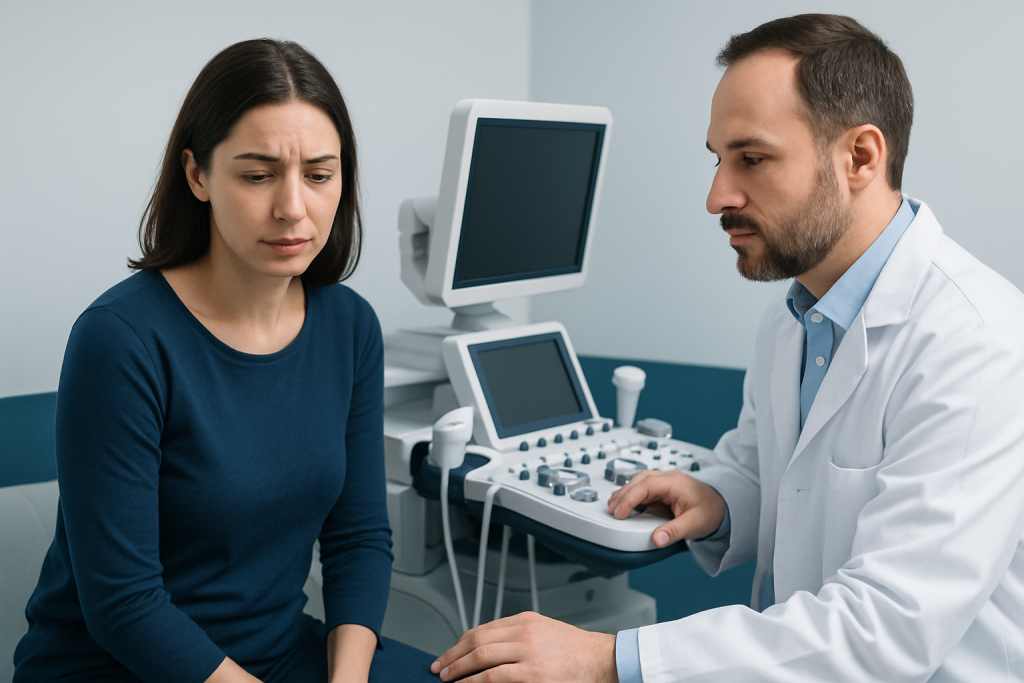
Symptoms depend on the type of parasite and the part of the body affected. Intestinal parasites often cause abdominal discomfort, bloating, diarrhea, nausea, gas, or changes in appetite. Some people notice weight loss, tiredness, or visible worms or eggs in stool, while others have no obvious symptoms at all.
Parasites outside the digestive tract can create different patterns. Skin-related infections may lead to itching, rashes, creeping sensations, sores, or visible burrows. Blood- or tissue-borne parasites can sometimes cause fever, anemia, headaches, cough, swollen lymph nodes, joint aches, or general weakness. Because these complaints are not unique to parasitic disease, they should be interpreted together with exposure history and examination findings.
A few signs deserve prompt medical assessment because they may point to more significant illness or dehydration: severe abdominal pain, bloody stool, high fever, confusion, difficulty breathing, marked weakness, or signs of allergic reaction. In travelers, symptoms that begin during or after a trip may be especially important to report, even if they seem mild at first.
Causes & Risk Factors

Parasitic infections usually begin when a parasite, its eggs, or its cysts enter the body. This can happen through contaminated food or water, undercooked meat or fish, poor hand hygiene, unprotected contact with contaminated soil, insect bites, or close contact with infected animals or people. In some settings, poor sanitation and limited access to clean water increase the chance of exposure.
Travel can be a major factor, but it is not the only one. People who care for young children, work with animals, garden frequently, swim in untreated water, or live in crowded environments may face higher exposure. Immunocompromised individuals may also be more vulnerable to severe disease or unusual parasites.
Risk is best understood as a combination of exposure and susceptibility. Two people may visit the same place, yet only one becomes ill depending on hygiene habits, immune health, food choices, and whether they were previously exposed to similar organisms. This is why clinicians often ask very specific questions about meals, water sources, insect bites, pets, and day-to-day routines.
Diagnosis
Diagnosis begins with a conversation. A clinician will usually ask about symptoms, travel history, foods eaten, contact with animals, water exposure, and any medications already tried. This history is often as important as the physical examination, because many parasitic illnesses follow recognizable exposure patterns.
Testing may include stool analysis for eggs, larvae, or parasite DNA, blood tests to look for anemia, inflammation, eosinophilia, or signs of specific infections, and microscopic examination of skin scrapings or tissue samples when a skin or tissue parasite is suspected. In some cases, imaging such as ultrasound, CT, or MRI may be used if an infection appears to involve deeper organs.
Because parasitic diseases vary widely, one test does not fit every situation. A traveler with stomach upset may need repeated stool samples, while someone with a rash or unexplained fever may need blood tests or specialist review. Clear communication about where symptoms began, how they have changed, and what exposures occurred can help the care team choose the most useful tests.
Treatment Options
Treatment depends on the organism, the severity of illness, and the body system involved. Many parasitic infections are treated with antiparasitic medicines chosen specifically for the suspected or confirmed parasite. Some conditions resolve with a short course of medication, while others require longer follow-up or a combination of treatments.
Supportive care can be just as important. Fluids may be needed if diarrhea or vomiting has caused dehydration, and iron or other nutritional support may be considered when anemia or poor intake is present. In some infections, household members or close contacts may also need evaluation, especially if the parasite spreads easily from person to person.
When parasitic disease affects the liver, lungs, brain, eyes, or other organs, treatment planning becomes more specialized. Doctors may coordinate infectious disease, gastroenterology, dermatology, neurology, or surgery depending on the location and the risk of complications. For international patients, this kind of multidisciplinary review can be especially useful because it shortens the gap between diagnosis, treatment, and safe follow-up after returning home.
Prevention & Self-care
Prevention is often straightforward, even if the list of parasites is long. Regular handwashing, especially before eating and after using the bathroom, remains one of the most effective habits. Safe food preparation matters too: cooking meat and fish thoroughly, washing produce, and avoiding raw or unsafe foods when the source is uncertain can reduce risk.
Clean water is another major line of defense. When traveling or living in areas where water safety is uncertain, it is sensible to use bottled, boiled, filtered, or otherwise treated water for drinking and brushing teeth. People who garden, camp, or walk barefoot in contaminated soil should use appropriate footwear and avoid swallowing water from untreated lakes, rivers, or pools.
Self-care after diagnosis should focus on completing prescribed treatment, monitoring symptoms, and preventing reinfection. If the parasite was acquired during travel, the person may need practical advice about sanitation, food choices, and follow-up testing after returning home. It is also wise to seek guidance before using over-the-counter remedies, because not all “deworming” or antiparasitic products are suitable for every infection.
When to See a Doctor
Medical evaluation is a good idea when digestive symptoms last more than a few days, especially after travel, exposure to untreated water, or contact with infected animals. It is also important to seek care for persistent itching, unexplained rash, ongoing fatigue, weight loss, recurrent fever, or anemia-like symptoms such as shortness of breath or paleness.
Some situations call for quicker assessment: bloody stool, dehydration, severe abdominal pain, confusion, chest symptoms, eye changes, or signs of a widespread allergic reaction. Children, older adults, pregnant people, and anyone with a weakened immune system may need earlier review because they can become unwell more quickly.
When symptoms are linked to travel or cross-border care, bringing a short record of dates, places visited, foods eaten, and any water or insect exposures can make the visit more efficient. Acibadem Health Point’s multidisciplinary specialists and JCI-accredited hospitals support international patients who need diagnosis and treatment for parasitic infections, with coordinated care that helps plan safe follow-up after treatment.
Living With and Recovering From a Parasitic Infection
Recovery is usually smoother when the treatment plan is simple and well understood. Patients may be asked to return for repeat tests to confirm that the infection has cleared, or to check whether anemia, liver irritation, skin healing, or digestive symptoms are improving. This follow-up is especially important if symptoms were prolonged or the parasite affected more than one organ.
In day-to-day life, the main goals are to regain strength, maintain hydration, and reduce the chance of spreading infection to others. Depending on the parasite, doctors may advise temporary changes in food handling, bathroom hygiene, laundry practices, or contact precautions. These recommendations are not meant to be burdensome; they are practical steps that protect the patient and people around them.
For patients returning to another country, it helps to leave with a written summary of the diagnosis, tests performed, treatment completed, and any follow-up needs. That makes it easier for a local clinician to continue care if symptoms recur or additional monitoring is needed.
Frequently asked questions
What does parasitism mean in human health?
In human health, parasitism usually means an infection or infestation caused by a parasite living on or inside the body. The parasite benefits from the host, while the host may experience symptoms ranging from mild irritation to serious illness. The exact effects depend on the organism and where it lives in the body.
Can someone have a parasitic infection without symptoms?
Yes, some people have no noticeable symptoms, especially early on or when the infection is mild. Even without symptoms, a parasite may still be found on testing or later cause problems. That is one reason travel history and exposure details matter during evaluation.
How is a parasitic infection diagnosed?
Doctors usually combine symptom review, exposure history, physical examination, and laboratory tests. Common tests include stool analysis, blood work, and sometimes skin or tissue samples. Imaging may be used if the infection seems to involve deeper organs.
Are all parasitic infections treated the same way?
No, treatment depends on the specific parasite and the body part affected. Different organisms respond to different antiparasitic medicines, and some cases also need fluids, nutritional support, or specialist care. Using the right diagnosis first is important for choosing the safest treatment.
How can parasitic infections be prevented while traveling?
Safe food and water habits are the main protections. Travelers should wash hands often, drink treated water, eat well-cooked foods, wash produce when possible, and avoid swimming or walking barefoot in risky environments. If symptoms appear during or after travel, it is sensible to seek medical advice promptly.
When should follow-up be considered after treatment?
Follow-up is often recommended when symptoms were severe, when the infection involved organs outside the gut, or when repeat testing is needed to confirm recovery. It is also useful if symptoms return after treatment or if the patient will continue care in another country. A written treatment summary can make handoff to another doctor easier.
References
- World Health Organization
- Centers for Disease Control and Prevention
- National Institute of Allergy and Infectious Diseases
- Mayo Clinic
- Merck Manual Professional Edition
This article is for general information only and is not a substitute for professional medical advice. Please consult a qualified doctor about your individual situation.