Shingles Reaction To Vaccine

Key Takeaways
- Most reactions after a shingles vaccine are mild and temporary.
- A sore arm, tiredness, headache, or low-grade fever can happen for a day or two.
- A rash, trouble breathing, or swelling may suggest an allergic reaction and needs prompt medical attention.
- Vaccination does not eliminate the need to seek care for a new painful rash or nerve pain.
- People with complex medical histories can ask a doctor how to time vaccination safely.
A shingles reaction to vaccine usually refers to expected short-term side effects such as arm soreness, fatigue, or mild fever after vaccination. True shingles after vaccination is uncommon, but persistent or unusual symptoms should be reviewed by a clinician.
Overview
A shingles reaction to vaccine usually means the body is responding as expected after vaccination, not that shingles has been caused by the shot. The immune system is being taught to recognize varicella-zoster virus, the virus that can later reactivate as shingles, and that training can cause temporary discomfort.
For most people, the shingles vaccine is followed by short-lived effects such as soreness at the injection site, tiredness, muscle aches, or a mild headache. These reactions are generally a sign that the immune system is doing its job, and they usually settle on their own.
It can help to separate three different possibilities: common side effects, an allergic reaction, and a shingles outbreak unrelated to the vaccine. They are not the same, and each needs a different response. A clinician can help interpret symptoms, especially when someone is traveling for care or recovering away from home.
In international-patient settings, it is often useful to plan vaccination around upcoming flights, procedures, or chronic conditions so that any expected side effects are easier to manage. That simple planning step can prevent unnecessary worry later.
Symptoms
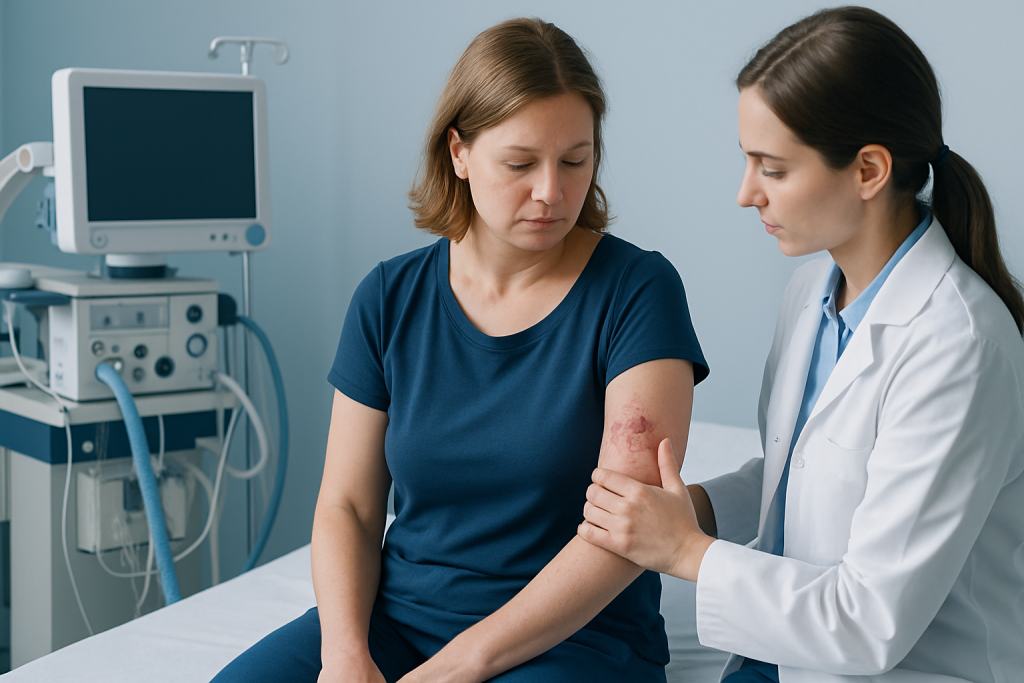
Most vaccine reactions begin within a day or two after the injection and improve over the next few days. The most common complaint is a tender, warm, or swollen arm where the shot was given. Some people also notice fatigue, body aches, chills, a mild fever, or a headache.
Less commonly, people report nausea, feeling generally unwell, or swollen lymph nodes near the injection site. These symptoms are usually temporary and do not mean the vaccine has failed.
A few symptoms deserve closer attention because they are not typical post-vaccine effects:
- A spreading rash with hives
- Swelling of the face, lips, tongue, or throat
- Wheezing or trouble breathing
- Severe weakness, fainting, or chest pain
- A painful blistering rash on one side of the body
If a blistering rash appears, a doctor should assess whether it is shingles, another skin condition, or a different reaction entirely. Timing matters, but appearance and symptoms matter too.
Causes & Risk Factors
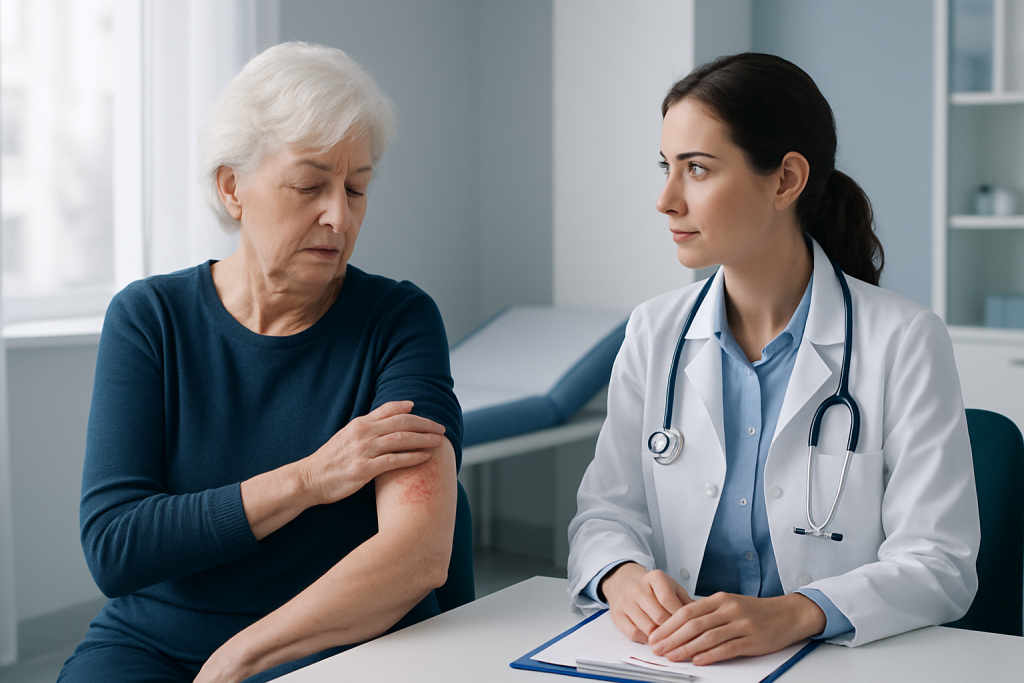
Shingles happens when the varicella-zoster virus, which stays dormant in the body after chickenpox or exposure to the virus, becomes active again. The shingles vaccine is designed to reduce that risk, especially later in life or in people with weakened immunity.
When a person feels unwell after vaccination, the cause is often the immune system responding to the vaccine components rather than an infection. The body is learning to recognize the virus, so temporary inflammation can occur. This response is expected and usually mild.
Factors that can make side effects more noticeable include older age, a strong immune response, a history of reacting strongly to vaccines, and receiving the shot during a period of poor sleep, stress, or another minor illness. People with immune-suppressing conditions or treatments should discuss timing with their doctor because the best plan depends on the individual situation.
Some people may also confuse post-vaccine arm pain or nerve discomfort with early shingles. That is understandable, since shingles can begin with tingling, burning, or pain before the rash appears. A careful history and physical exam help distinguish the two.
Diagnosis
There is no special test for a routine vaccine reaction if symptoms are mild and short-lived. A clinician usually makes the assessment based on when symptoms started, what they look like, and whether there are signs of allergy, infection, or shingles.
If a new rash appears, especially one that is painful, blistering, or limited to one side of the body, the doctor may examine the skin closely and sometimes take a sample from a blister. This can help confirm shingles and guide treatment if needed.
When symptoms are more general, the medical history becomes especially important. The doctor may ask about the type of vaccine received, prior chickenpox or shingles history, other recent vaccines, immune-suppressing medicines, and whether the person has had similar reactions before. That context is often enough to clarify the next step.
For people arranging care from another country, it is helpful to keep vaccination records, the date of the shot, and photos of any rash. Those details make remote follow-up or a second opinion much easier.
Treatment Options
Most shingles vaccine side effects do not need specific medical treatment. Rest, fluids, and using the arm normally in light ways can help soreness settle more comfortably. A cool compress may also ease local tenderness.
Doctors sometimes suggest general over-the-counter pain relief or fever control if appropriate for the person’s health profile, but advice should be individualized. People with liver disease, kidney disease, stomach ulcers, blood clotting issues, or medication interactions should check before taking anything new.
If the reaction is more serious, treatment depends on the cause:
- Allergic reaction: urgent medical care and appropriate emergency treatment
- Confirmed shingles: antiviral medicine may be considered, especially when started early
- Injection-site inflammation: supportive care and observation
It is important not to self-diagnose shingles from a single symptom. A painful rash after vaccination may still need evaluation, because early treatment is time-sensitive if it truly is shingles. Medical review is especially sensible if the person has diabetes, cancer treatment, or another condition that affects healing.
Prevention & Self-care
Self-care starts before the appointment. Getting the vaccine on a day when the person can rest afterward, stay hydrated, and avoid intense activity can make the experience easier. If travel is involved, it may be wise to avoid scheduling the shot immediately before a long flight or a major procedure.
After vaccination, gentle movement of the arm can reduce stiffness, and a cool cloth can help with soreness. It also helps to watch for the pattern of symptoms rather than a single sensation. Temporary body aches that improve over a day or two are usually very different from a painful blistering rash that continues to spread.
Prevention also includes good communication with a doctor. People should mention prior allergies, current medications, pregnancy status, immune disorders, recent infections, and any recent shingles episode. Those details can shape vaccine timing and follow-up planning.
For patients coordinating care internationally, a clear aftercare plan is valuable: who to contact if a rash develops, where to seek urgent care if breathing symptoms appear, and when to send photos or updates. That kind of planning is practical, not alarmist, and it can reduce stress.
When to See a Doctor
Medical review is appropriate if symptoms are unusually intense, last longer than expected, or do not fit the usual pattern of a mild vaccine reaction. A doctor should also evaluate any painful rash, especially if it is on one side of the body or is developing blisters.
Urgent care is needed for possible allergic symptoms such as trouble breathing, swelling of the face or throat, widespread hives, or fainting. These are not typical vaccine side effects and should be treated promptly.
A clinician should also be contacted if the person is immunocompromised, has a history of severe vaccine reactions, or is uncertain whether the symptoms are shingles, a skin infection, or something else. When in doubt, it is safer to ask early rather than wait for the picture to become clearer on its own.
Acibadem Health Point’s multidisciplinary specialists and JCI-accredited hospitals diagnose and treat shingles-related concerns for international patients, with follow-up tailored to each person’s medical situation and travel plans.
Frequently asked questions
Can a shingles vaccine cause shingles?
The shingles vaccine is designed to prevent shingles, not cause it. Some people do notice short-term side effects such as soreness, fatigue, or mild fever, which are signs of the immune system responding. A new blistering rash should still be checked by a doctor.
How long do shingles vaccine side effects usually last?
Most mild side effects improve within a few days. Arm soreness is often the first symptom to fade, followed by tiredness or body aches. If symptoms are getting worse instead of better, medical advice is reasonable.
What does a normal reaction to the shingles vaccine look like?
A normal reaction is usually limited to the injection site or general flu-like feelings such as tiredness, headache, or low-grade fever. It should not usually involve trouble breathing or a widespread rash. The person should still be able to improve steadily over time.
Is a rash after vaccination always shingles?
No. A rash can have many causes, including irritation, allergy, or an unrelated skin condition. Because shingles can start with pain before blisters appear, a clinician should examine any new painful rash.
Who should talk to a doctor before getting the shingles vaccine?
People with weakened immune systems, severe allergies, pregnancy concerns, or recent serious illness should ask for medical guidance first. A doctor can help decide the safest timing based on the person’s overall health and treatment plan.
What should someone do if they feel unwell after the shot while traveling?
They should rest, stay hydrated, and monitor symptoms closely. If they develop hives, swelling, breathing problems, or a blistering rash, they should seek medical care locally or contact their treating team as soon as possible.
References
- Centers for Disease Control and Prevention
- World Health Organization
- National Health Service
- Mayo Clinic
- National Institute on Aging
This article is for general information only and is not a substitute for professional medical advice. Please consult a qualified doctor about your individual situation.