How To Cure Shingles In 3 Days

Key Takeaways
- Shingles is caused by reactivation of the chickenpox virus and usually needs medical treatment rather than a quick cure.
- Antiviral medicines work best when started early, ideally soon after the rash appears.
- Pain control, skin care, and rest can make recovery more manageable.
- People with a weakened immune system, facial involvement, or severe pain should seek medical advice quickly.
- Vaccination can lower the risk of shingles and is an important prevention step for many adults.
Shingles is a viral rash that often needs prompt treatment, but there is no reliable way to cure it in just 3 days. Early medical care can help shorten the illness, reduce pain, and lower the chance of complications.
Overview
The question behind “how to cure shingles in 3 days” is understandable: shingles can appear suddenly, burn intensely, and interfere with sleep, work, and travel plans. But shingles does not usually disappear in three days. It is a reactivation of the same virus that causes chickenpox, and it often takes days to weeks to settle even with proper treatment.
What medicine can do is change the course of the illness. When treatment begins early, antiviral medication may shorten the outbreak, reduce the severity of symptoms, and lower the risk of long-lasting nerve pain. For many patients, the most useful goal is not an instant cure, but a faster and safer recovery.
In international-patient care, that often means not waiting for the rash to “run its course.” A person may be visiting another country, dealing with a painful rash away from home, and need a clear plan quickly. In that setting, prompt evaluation helps confirm the diagnosis and decide whether antivirals, pain relief, or further testing are needed.
Symptoms
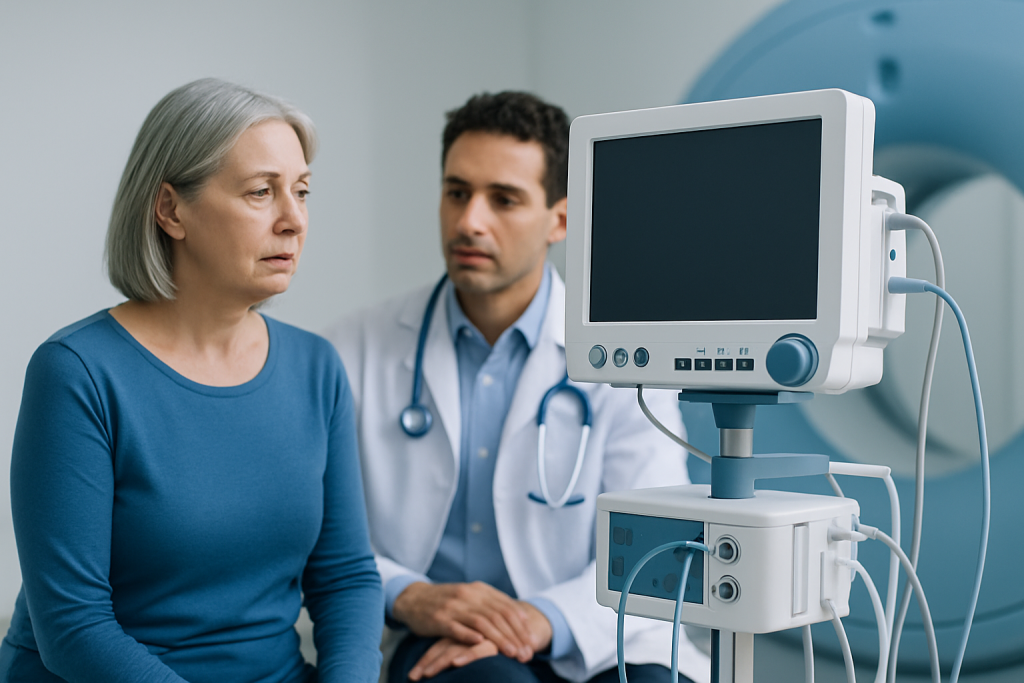
Shingles usually starts with pain, tingling, burning, itching, or sensitivity in one area of the body before the rash is obvious. The discomfort often follows a band-like pattern on one side of the torso, face, or another localized region. Some people first notice that clothing, touch, or even a light breeze feels unusually painful.
After a short time, a red rash appears and then changes into clusters of fluid-filled blisters. These blisters may break, crust over, and gradually heal. Fever, headache, fatigue, and a general feeling of being unwell can occur, although not everyone has them.
Symptoms may vary depending on where the virus becomes active. Shingles near the eye or ear can affect vision, hearing, or balance, and pain can be especially intense when the face is involved. Because early symptoms may resemble other conditions, an in-person medical assessment is often the safest way to confirm what is happening.
Causes & Risk Factors

Shingles develops when the varicella-zoster virus, which remains in the body after chickenpox, becomes active again. The virus can stay dormant for years and later reactivate without a clear warning. This is why a person who had chickenpox long ago can still develop shingles as an adult.
Age is one of the most important risk factors, and the likelihood rises as the immune system naturally changes over time. Other factors that may increase risk include immune suppression, significant stress, some long-term illnesses, and treatments that affect immunity. Not every case has an obvious trigger.
It can help to think of shingles as a virus that takes advantage of a temporary gap in immune defense rather than a sign that someone has done something wrong. Understanding that point often reduces worry and helps patients focus on the practical next steps: symptom relief, medical review, and prevention of spread through direct contact with the rash.
Diagnosis
Doctors usually diagnose shingles by examining the rash and listening to the story of how it began. The combination of one-sided pain followed by grouped blisters is often distinctive. In many cases, that is enough to make the diagnosis without complex testing.
If the presentation is unusual, or if the person is immunocompromised, laboratory tests may be used to confirm the virus. Swabs from a blister can help distinguish shingles from herpes simplex or other skin conditions. If the eye is involved, an eye specialist may be needed quickly to protect vision.
For travelers or international patients, diagnosis can be especially important when time is limited and follow-up may happen across countries. A clear diagnosis supports the right treatment plan, helps avoid unnecessary medicines, and gives the patient instructions that are practical for the days ahead.
Treatment Options
There is no proven way to “cure” shingles in 3 days, but early treatment can make a meaningful difference. Antiviral medicines are commonly used to help the body control the virus more effectively, especially when they are started soon after the rash appears. These medicines are prescribed by a doctor after checking the person’s overall health and timing of symptoms.
Pain relief is often just as important as antiviral treatment. Depending on the level of discomfort, a doctor may suggest over-the-counter pain medicines or other options to ease nerve-related pain. Cool compresses, gentle cleansing, and loose clothing can also reduce irritation.
In more complex cases, such as shingles affecting the eye, severe pain, widespread rash, or a weakened immune system, additional care may be needed. That may include closer monitoring, specialist evaluation, or treatment for complications. The best plan is individualized rather than rushed.
Helpful treatment measures may include:
- Starting antiviral therapy as early as possible after evaluation
- Managing pain with doctor-recommended medicines
- Protecting the rash with clean, dry, non-irritating care
- Avoiding scratching to lower the risk of infection and scarring
- Following up if symptoms worsen or do not improve as expected
Prevention & Self-care
Vaccination is one of the most effective ways to reduce the risk of shingles for many adults. A doctor can advise whether the vaccine is appropriate based on age, medical history, and immune status. For people who have already had shingles, vaccination may still be relevant later on.
During an active episode, self-care focuses on comfort and preventing spread through direct contact with the blister fluid. Keeping the rash covered when possible, washing hands carefully, and avoiding close contact with people who have not had chickenpox or the vaccine can be helpful. The virus is not passed by breathing the same air in the usual way, but direct contact with the rash should be avoided.
Rest matters more than many people expect. Shingles can be tiring, and pain may disrupt sleep, which can make recovery feel longer. A patient who is traveling, working abroad, or recovering away from family support may benefit from arranging a local follow-up visit and keeping copies of any prescriptions or medical notes.
When To See a Doctor
Medical attention should be sought promptly when shingles is suspected, because early treatment is more effective than delayed treatment. The first 72 hours after the rash appears are especially important, but people should not wait if pain is severe or the rash is spreading. A doctor can confirm the diagnosis and decide whether antiviral treatment is appropriate.
Urgent evaluation is particularly important if the rash is near the eye, if there is vision change, if the ear is involved, if the person has a weakened immune system, or if fever and widespread symptoms are present. New weakness, confusion, or severe headache also deserve prompt medical review. These situations do not automatically mean a serious outcome, but they do deserve attention.
For patients coming from another country, a practical care plan can be reassuring: know where to seek help, keep medication instructions accessible, and arrange follow-up before traveling home if symptoms are still active. Acibadem Health Point’s multidisciplinary specialists and JCI-accredited hospitals diagnose and treat shingles for international patients with coordinated care.
Recovery and Follow-up
Recovery time varies. Some people feel better once the rash crusts and pain starts to ease, while others have nerve pain that continues longer than the skin changes. This lingering pain is one reason shingles should not be treated as a simple rash.
Follow-up is useful if the pain is not improving, if the rash is not healing normally, or if new symptoms appear after the first visit. A doctor may adjust treatment, check for complications, or recommend additional support for nerve pain. People who are recovering while traveling should make sure they understand which symptoms can be watched at home and which should prompt another appointment.
With timely treatment, sensible self-care, and appropriate follow-up, many patients recover well. The most important step is not searching for a three-day cure, but acting early enough to reduce the burden of the illness and protect overall health.
Frequently asked questions
Can shingles be cured in 3 days?
Usually not. Shingles is a viral reactivation that often takes longer to heal, even with treatment. Early medical care can help shorten the episode and reduce complications, but there is no guaranteed three-day cure.
What is the fastest treatment for shingles?
The fastest helpful step is to see a doctor early so antiviral treatment can be considered. Pain relief and skin care also matter because they improve comfort while the rash heals.
Is shingles contagious?
A person with shingles can spread the virus to someone who has never had chickenpox or the chickenpox vaccine, but that person would develop chickenpox, not shingles. Spread usually happens through direct contact with the fluid from the blisters.
How long does shingles usually last?
The rash often lasts for several weeks, and the pain may continue longer in some people. Early treatment can sometimes make the illness shorter or less intense, but recovery time varies from person to person.
When should someone seek urgent help for shingles?
Urgent medical review is important if the rash is near the eye, if vision changes, if the person has a weakened immune system, or if symptoms are severe. New neurologic symptoms or a rapidly worsening rash also need prompt attention.
Can shingles come back after it heals?
Yes, shingles can recur, although not everyone will have another episode. Vaccination and healthy immune support can help lower the risk, and a doctor can advise based on age and medical history.
References
- World Health Organization
- Centers for Disease Control and Prevention
- National Institute on Aging
- Mayo Clinic
- NHS
This article is for general information only and is not a substitute for professional medical advice. Please consult a qualified doctor about your individual situation.