Paracentesis: Uses, Procedure and Risks

Key Takeaways
- Paracentesis removes fluid from the abdominal cavity, often because of ascites.
- It may be done to ease symptoms, to diagnose the cause of fluid buildup, or both.
- The procedure is usually guided by ultrasound and is generally well tolerated.
- After the fluid is removed, the care team may monitor blood pressure, fluid balance, and the puncture site.
- New or worsening abdominal swelling, fever, shortness of breath, or leakage after the procedure should be discussed with a doctor.
Medically reviewed by the Acıbadem clinical team — August 19, 2026
Paracentesis is a procedure used to remove fluid from the abdomen and, when needed, test it to help identify the cause. It can relieve pressure, improve breathing and comfort, and support a clearer diagnosis and treatment plan.
Overview
Paracentesis is a medical procedure in which a doctor places a thin needle or catheter through the abdominal wall to remove fluid from the space inside the abdomen. That fluid buildup is often called ascites. In everyday terms, the procedure can help a person breathe more comfortably, feel less pressure and fullness, and sometimes make eating and moving easier.
It is used for two main reasons. In some cases, the goal is therapeutic: to take away enough fluid to relieve symptoms. In other cases, it is diagnostic: to collect a sample and examine it for signs of infection, inflammation, bleeding, or cancer-related changes. For many patients, those two goals overlap during the same visit.
Because ascites can have many causes, paracentesis is often part of a wider evaluation rather than the final answer on its own. It is one of the ways clinicians begin to understand what the body is signaling, especially when abdominal swelling appears for the first time or changes in a noticeable way.
Symptoms and Why the Procedure Is Considered
People who need paracentesis often notice a tight, distended abdomen that feels different from ordinary bloating. The stomach area may look enlarged, the clothes may fit differently, and bending, walking, or lying flat can become uncomfortable. When fluid pushes upward, some people also feel short of breath or notice reduced appetite because the stomach has less room.
The procedure is commonly considered when ascites causes discomfort, when the fluid buildup is new or increasing, or when a doctor needs to know why the fluid is present. It may also be recommended after treatment has already started if the fluid returns, changes quickly, or is associated with pain, fever, or other new symptoms.
For international patients, it is often helpful to think of paracentesis as both a comfort measure and a diagnostic step. A clinic or hospital team may use it early in the care journey so that they can move from uncertainty to a more specific plan as efficiently and safely as possible.
Causes and Risk Factors

Ascites is usually a sign of an underlying condition rather than a disease on its own. The most common cause is liver disease, especially cirrhosis, where scar tissue changes blood flow and fluid handling in the abdomen. Other possible causes include cancers involving the abdomen, heart failure, kidney problems, pancreatitis, infections such as tuberculosis, and certain inflammatory conditions.
Risk is higher in people who already have chronic liver disease, a history of alcohol-related liver injury, viral hepatitis, or advanced cancer. Some patients develop fluid after abdominal surgery or in the setting of severe infection or low protein levels. In each case, the body’s normal balance of pressure, salt, and fluid has been disrupted.
Because the list of causes is broad, a careful medical history matters. Doctors usually review symptoms, medications, prior imaging, liver and kidney function, and whether the fluid buildup is new, recurrent, or associated with other red flags. That context helps determine whether paracentesis is the right next step and what tests should be sent from the fluid sample.
Diagnosis and Evaluation
Before a paracentesis, the care team typically confirms that there is enough fluid to remove and identifies the safest entry point. Ultrasound guidance is often used because it helps locate the fluid pocket and avoid nearby structures. This is especially useful when the abdomen is tense, previous surgery has altered anatomy, or the fluid is in a less obvious location.
When the purpose is diagnostic, the removed fluid is sent to the laboratory. Depending on the situation, the sample may be checked for infection, white blood cell count, protein, albumin, blood, or cancer cells. Those results help doctors distinguish between different causes of ascites and decide whether additional tests or treatment are needed.
Paracentesis is often only one part of the assessment. Blood tests, imaging studies, and sometimes specialist consultation are used alongside it. For patients traveling from another country, a well-organized team may coordinate these steps closely so that evaluation, procedure, and follow-up fit together without unnecessary delays.
Treatment Options and How the Procedure Is Performed
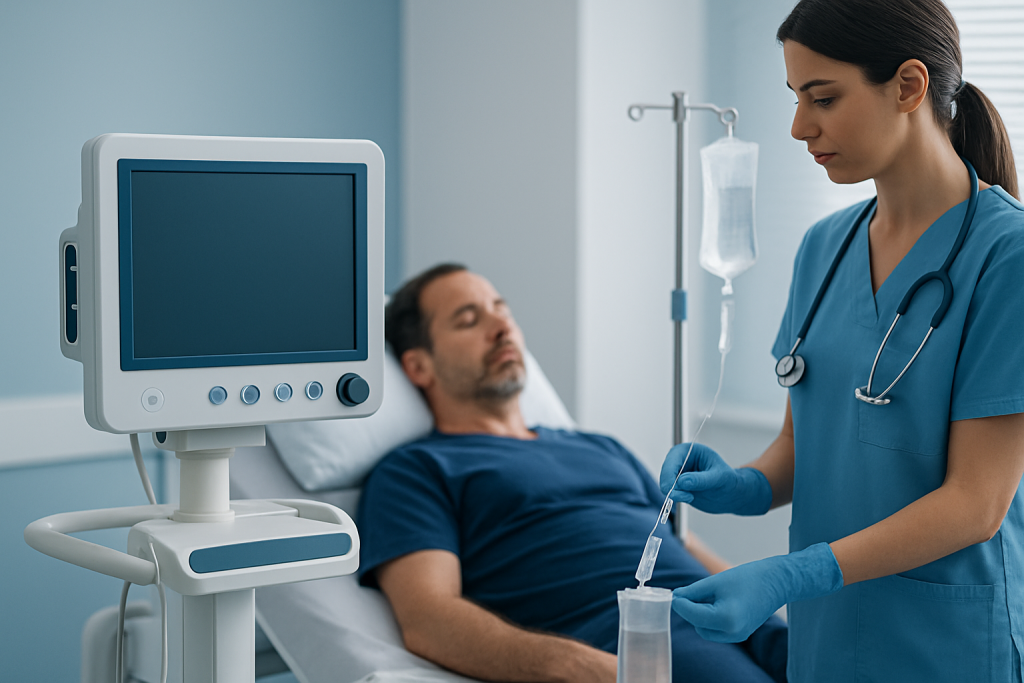
Paracentesis is usually performed with the person lying down or sitting in a comfortable position while the skin is cleaned and numbed with local anesthetic. A sterile needle or small catheter is then inserted into the abdomen, and fluid is allowed to drain into a collection container. The process may take a short time or longer, depending on how much fluid is present and whether the goal is to remove a small diagnostic sample or a larger therapeutic volume.
Most people remain awake during the procedure. The sensation is often described as pressure rather than pain, although the initial numbing injection can sting briefly. In many cases, the team monitors blood pressure and comfort during and after the drainage, especially if a larger amount of fluid is removed.
After the fluid is collected, the puncture site is covered with a dressing. Some patients may receive albumin or other supportive treatment depending on the amount removed and the reason for the ascites. The doctor will also interpret the fluid analysis in the context of the broader medical picture, because treatment is aimed at the underlying cause, not only at the fluid itself.
Benefits, Risks, and Possible Complications
When done for symptom relief, paracentesis can make a noticeable difference in comfort. Many patients feel less abdominal tightness and may find it easier to breathe, eat, and rest. When done for diagnosis, it can provide information that is difficult to obtain in any other way and may speed up treatment decisions.
Like any procedure, paracentesis has risks, though serious complications are not common. Possible issues include bleeding, infection, leakage of fluid from the puncture site, low blood pressure, dizziness, and, less often, injury to nearby organs. The risk is generally lower when the procedure is performed with careful technique and ultrasound guidance.
Some people may feel tired afterward, especially if a larger volume has been removed or if they were already unwell. Doctors may give specific instructions about rest, medications, and observation because the aftercare can vary depending on the person’s condition, the reason for ascites, and how much fluid was drained.
Prevention and Self-care
Paracentesis itself is not usually something a person prevents; it is a response to abdominal fluid buildup. What can often be addressed is the condition that leads to ascites in the first place. That may include managing liver disease, following treatment for heart or kidney problems, treating infection, or addressing cancer with the appropriate specialist team.
At home, self-care depends on the underlying diagnosis and the doctor’s advice. Some people are asked to limit sodium intake, monitor weight and abdominal girth, or keep track of swelling, breathing, and appetite changes. Others may need medications to reduce fluid accumulation or regular follow-up for repeat evaluation.
- Take prescribed medicines exactly as directed.
- Keep follow-up appointments even if symptoms temporarily improve.
- Watch for rapid swelling, fever, pain, or shortness of breath.
- Ask before using over-the-counter pain relievers or herbal supplements.
Patients traveling for care should also plan for recovery logistics in advance. That may include arranging a comfortable place to rest, understanding when they can fly or travel home, and knowing which symptoms should prompt an earlier review before departure.
When to See a Doctor
Medical assessment is important if abdominal swelling appears for the first time, grows quickly, or is accompanied by pain, fever, vomiting, jaundice, or breathlessness. These symptoms do not always mean a serious problem, but they do deserve timely evaluation because ascites often reflects an underlying condition that needs attention.
After paracentesis, a doctor should be contacted if there is persistent leakage from the site, redness or worsening tenderness, dizziness, faintness, bleeding, or a return of swelling sooner than expected. Any sudden change in breathing or mental status should also be assessed promptly.
For people seeking care internationally, coordinated evaluation can be especially helpful. At Acibadem Health Point, multidisciplinary specialists and JCI-accredited hospitals diagnose and treat conditions related to ascites and paracentesis for international patients, with care plans designed to support both the procedure and the follow-up that comes after it.
Frequently asked questions
Is paracentesis painful?
Most people feel only mild discomfort because the skin is numbed before the procedure begins. A brief sting from the anesthetic and a sense of pressure during drainage are common. If discomfort becomes significant, the care team can adjust positioning or provide additional support.
Why would a doctor remove abdominal fluid instead of treating the cause first?
Sometimes fluid removal is needed right away to relieve pressure or breathing difficulty. In other situations, testing the fluid helps doctors identify the cause so the treatment can be more targeted. The procedure often supports both immediate relief and longer-term planning.
Can ascites come back after paracentesis?
Yes, it can return if the underlying condition continues to produce fluid. That is why follow-up care matters as much as the procedure itself. Doctors may recommend medication, diet changes, or repeat evaluation to reduce recurrence.
What tests are done on the fluid?
The fluid may be tested for infection, protein levels, cell counts, blood, or cancer-related changes, depending on the clinical question. These results help doctors narrow down the cause of ascites. Not every sample needs every test; the laboratory work is tailored to the situation.
When should someone seek urgent help after the procedure?
Urgent review is appropriate for severe abdominal pain, fever, heavy bleeding, fainting, or trouble breathing. A rapidly soaking dressing or continued fluid leakage also deserves prompt attention. These symptoms are uncommon but should not be ignored.
References
- Mayo Clinic
- National Institute of Diabetes and Digestive and Kidney Diseases
- American College of Gastroenterology
- American Association for the Study of Liver Diseases
- Merck Manual Professional Edition
This article is for general information only and is not a substitute for professional medical advice. Please consult a qualified doctor about your individual situation.
Persistent digestive symptoms? Get evaluated in Turkey
JCI-accredited · board-certified surgeons · reply within 24h
Add us as a Preferred Source to see more of our trusted health content across Google Search, AI Overviews and Discover.