Egd Procedure

Key Takeaways
- EGD is a flexible camera-based exam that helps doctors inspect the upper digestive tract.
- It is commonly used to investigate persistent reflux, swallowing problems, pain, nausea, vomiting, anemia, or bleeding.
- Preparation usually includes fasting and reviewing medications, especially blood thinners and diabetes medicines.
- The procedure is generally brief, and most people go home the same day after a short recovery period.
- Biopsies may be taken during the exam without changing the overall procedure plan.
- Follow-up depends on findings and may include medication, diet changes, or more testing.
An EGD procedure is a common upper endoscopy used to look closely at the esophagus, stomach, and the first part of the small intestine. It can help explain symptoms such as reflux, swallowing difficulty, pain, nausea, or bleeding, and it often gives doctors a clear path toward treatment.
Overview
An EGD procedure, also called upper endoscopy or esophagogastroduodenoscopy, allows a gastroenterologist to examine the lining of the esophagus, stomach, and the first part of the small intestine with a thin, flexible tube fitted with a camera. It is often recommended when symptoms suggest an upper digestive problem that cannot be fully understood through examination alone.
For many patients, the value of EGD is not only in what it sees, but in how quickly it can connect symptoms to a cause. A person may travel for care after weeks or months of discomfort, and one well-planned procedure can sometimes replace a long series of uncertain tests. If needed, tissue samples can be taken during the same session so the doctor can look for inflammation, infection, ulcers, or other changes.
EGD is usually done as an outpatient procedure. Sedation is commonly used to keep the patient relaxed and comfortable, and most people do not remember much of the exam afterward. The process is designed to be efficient, careful, and informative, with a recovery period that is typically short.
Symptoms That May Lead to an EGD
Doctors may suggest an EGD when symptoms point toward irritation, narrowing, bleeding, or another problem in the upper gastrointestinal tract. Some people have ongoing heartburn or reflux that has not improved with usual treatment, while others notice trouble swallowing, a feeling that food is getting stuck, or unexplained pain in the upper abdomen.
EGD can also be useful when symptoms are less obvious but still medically important. These may include nausea, repeated vomiting, black stools, vomiting blood, unexplained iron-deficiency anemia, or a sense of fullness after very little food. In some cases, the exam is used to follow up on an abnormal imaging result or to monitor a known condition such as Barrett’s esophagus or peptic ulcer disease.
- Persistent reflux or regurgitation
- Difficulty swallowing
- Upper abdominal discomfort or pain
- Nausea, vomiting, or early fullness
- Bleeding signs such as black stools or blood in vomit
- Unexplained anemia
Not every symptom means something serious is present. Still, symptoms that keep returning, interfere with eating, or change a person’s daily routine deserve medical review, especially when they are new or progressively worse.
Causes and Risk Factors
EGD itself is a diagnostic procedure, so the reasons for having it are tied to the condition being evaluated rather than to the exam. Common underlying causes include acid reflux disease, gastritis, ulcers, esophagitis, hiatal hernia, swallowing disorders, celiac disease, and certain infections or growths in the upper digestive tract.
Some people have a higher chance of needing an EGD because of their medical history. Long-term reflux, smoking, regular use of nonsteroidal anti-inflammatory drugs, alcohol overuse, a family history of upper gastrointestinal disease, or previous digestive bleeding can all make careful evaluation more likely. Older age and unexplained weight loss may also prompt doctors to investigate more thoroughly.
International patients often arrive with partial records from different clinics or countries. Bringing prior endoscopy reports, medication lists, and recent lab results can help the specialist understand the timeline more clearly and decide whether EGD is the best next step or whether another test should come first.
How the Diagnosis Is Made
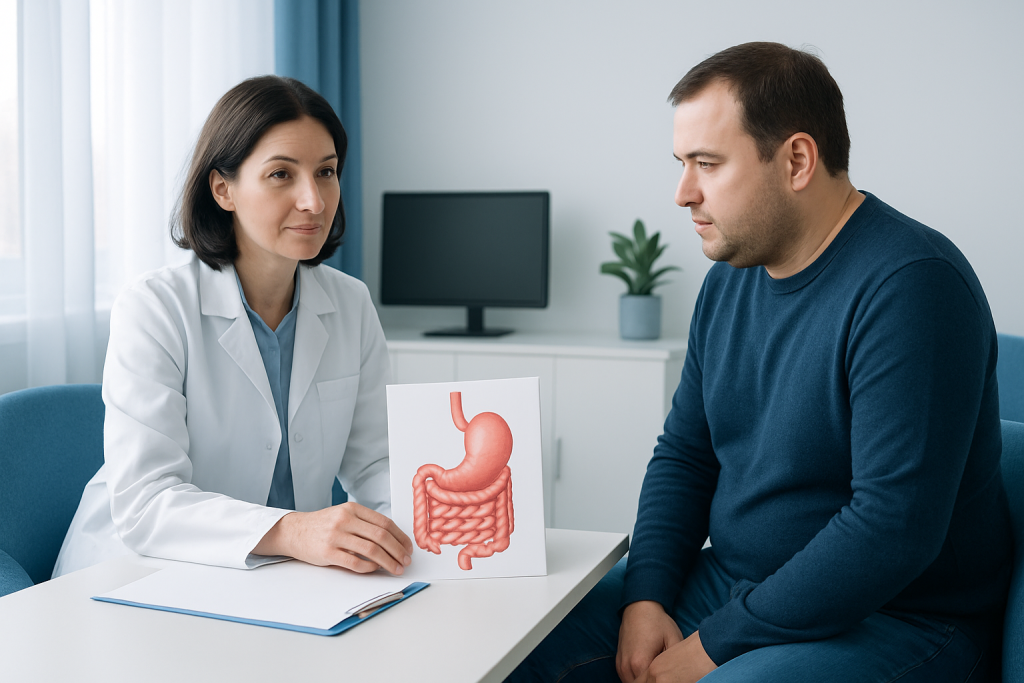
Before the procedure, the doctor reviews symptoms, medical history, medicines, allergies, and any prior test results. This conversation helps determine whether EGD is appropriate, whether sedation is suitable, and whether the patient needs special preparation because of conditions such as diabetes, heart disease, sleep apnea, or a bleeding risk.
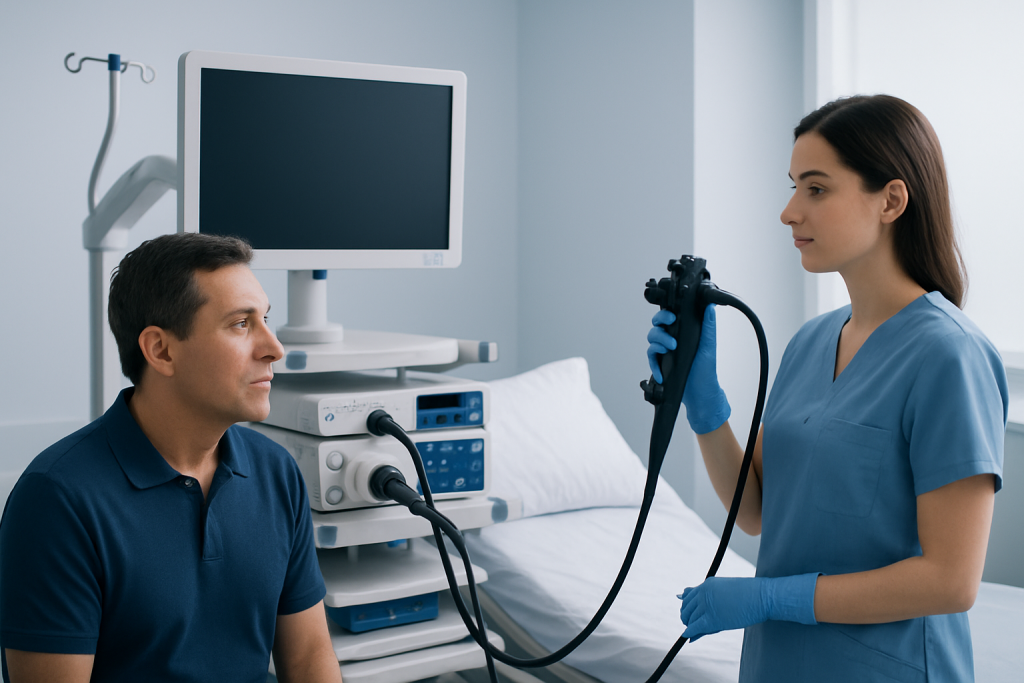
On the day of the exam, the patient is usually asked not to eat or drink for several hours beforehand. A local numbing spray may be used in the throat, and sedation is often given through a vein. During the procedure, the endoscope is gently guided through the mouth while the doctor examines the lining on a screen and may take small samples if needed.
The test is both visual and practical. In some cases, the doctor can identify the source of bleeding, stretch a narrowed area, remove a small object, or obtain biopsies from areas that look inflamed or unusual. The final diagnosis may depend on what is seen during the exam and, when taken, what the tissue samples show under a microscope.
Treatment Options
EGD is not itself a treatment for most conditions, but it often opens the door to one. If ulcers or severe inflammation are found, medicines may be prescribed to reduce acid, protect the lining, or treat infection. If reflux is causing damage, treatment may involve medication, lifestyle changes, and monitoring over time.
Some findings can be addressed during the same procedure. Doctors may widen a narrowed section, control a bleeding source, or remove certain small lesions. When biopsies are taken, the laboratory results help the specialist choose the safest and most targeted follow-up plan.
After the exam, care is usually tailored to the individual diagnosis and the person’s travel plans, if they are receiving treatment abroad. That may mean a short observation period, written discharge instructions, medication adjustments, and a clear plan for follow-up once the patient returns home or continues care locally.
- Acid-reducing medicines for reflux, ulcers, or gastritis
- Treatment for infection when indicated
- Endoscopic dilation for selected narrowing problems
- Endoscopic control of bleeding if needed
- Dietary and medication review for long-term management
Prevention and Self-care
People cannot always prevent the need for an EGD, but they can often reduce the chance that upper digestive problems worsen. Regular follow-up for persistent reflux, careful use of anti-inflammatory medicines, moderation with alcohol, and smoking cessation can all support upper gastrointestinal health. Eating slowly and noting which foods trigger symptoms may also help some patients.
Before the procedure, following preparation instructions exactly matters. Fasting instructions are important because a stomach that is empty is safer and gives the doctor a clearer view. Patients should tell their care team about blood thinners, diabetes medicines, supplements, pregnancy, allergies, and any past reaction to sedation so the plan can be adjusted safely.
After the procedure, mild throat soreness, bloating, or grogginess can happen for a short time. Rest, a light meal once cleared by the care team, and avoiding driving until the sedation has fully worn off are common practical steps. If biopsies were taken, patients should wait for the results and ask how and when those results will be shared across borders if they are traveling back home soon after the exam.
When to See a Doctor
Medical evaluation is important when upper digestive symptoms last more than a few days, keep returning, or interfere with eating, sleeping, or daily life. A doctor should also be consulted promptly if there is difficulty swallowing, unexplained weight loss, black stools, vomiting blood, ongoing vomiting, or new anemia.
After an EGD, most people recover smoothly, but certain symptoms deserve attention. Severe chest or abdominal pain, fever, trouble breathing, persistent vomiting, or heavy bleeding are not expected and should be assessed right away. If sedation was used, the patient should follow the discharge guidance carefully and arrange a responsible adult to accompany them home.
For patients seeking care from another country, a clear after-visit summary is especially helpful. A good report should explain the findings in plain language, list any biopsies taken, and outline the next steps so local doctors can continue care without confusion. At Acibadem Health Point, multidisciplinary specialists and JCI-accredited hospitals work together to diagnose and treat digestive conditions for international patients in a coordinated way.
What the Recovery Period Usually Feels Like
Recovery after EGD is typically straightforward. Most people spend a short time in a recovery area while the sedation wears off, then go home the same day with written instructions. Eating and drinking usually resume once the care team says it is safe, often starting with light food and fluids.
It is common to feel sleepy or slightly off balance for several hours after sedation. Because of that, patients are usually advised not to drive, sign important documents, or make major decisions until fully alert. A mild sore throat or a feeling of bloating from the air used during the procedure usually settles quickly.
When biopsies are taken, the waiting period for results can feel longer than the procedure itself. That time is often used to plan the next step, whether it is medication, another endoscopic treatment, or a follow-up visit to review findings in context.
Frequently asked questions
Is an EGD procedure painful?
Most people are comfortable during the exam because sedation is commonly used, and many do not remember the procedure afterward. A mild sore throat or bloating can happen later, but these effects are usually short-lived.
How long does an EGD take?
The procedure itself is often brief, though total time at the clinic is longer because of preparation and recovery. The exact length depends on whether biopsies or treatment are needed during the exam.
Do patients need to stop all medicines before EGD?
Not usually. Some medicines, especially blood thinners, diabetes medications, and certain supplements, may need special instructions, so the doctor should review everything in advance. Patients should never stop a prescribed medicine without specific medical advice.
Can biopsies be taken during EGD?
Yes, small tissue samples are commonly taken during the same procedure if the doctor sees an area that needs closer study. Biopsies do not usually mean something dangerous is present; they are often taken to clarify the diagnosis.
What should a patient eat after EGD?
Once the care team says it is safe, most people begin with light foods and fluids. If the throat feels sore, soft or cool foods may be more comfortable at first.
When should someone worry after the procedure?
Severe pain, trouble breathing, fever, persistent vomiting, or significant bleeding should be assessed promptly. These symptoms are not typical and should not be ignored.
References
- American Society for Gastrointestinal Endoscopy
- National Institute of Diabetes and Digestive and Kidney Diseases
- Mayo Clinic
- Cleveland Clinic
- World Gastroenterology Organisation
This article is for general information only and is not a substitute for professional medical advice. Please consult a qualified doctor about your individual situation.
More from the Health Library



Related Specialists

Dyt. Dietician Ayşe Mürüvvet Alanyalı
Nutrition and Dietetics
Dr. Kadir Özyılmaz
Anesthesiology and ReanimationDr. Cemalettin Sakal
Emergency Service
Dr. Serhat Konar
Anesthesiology